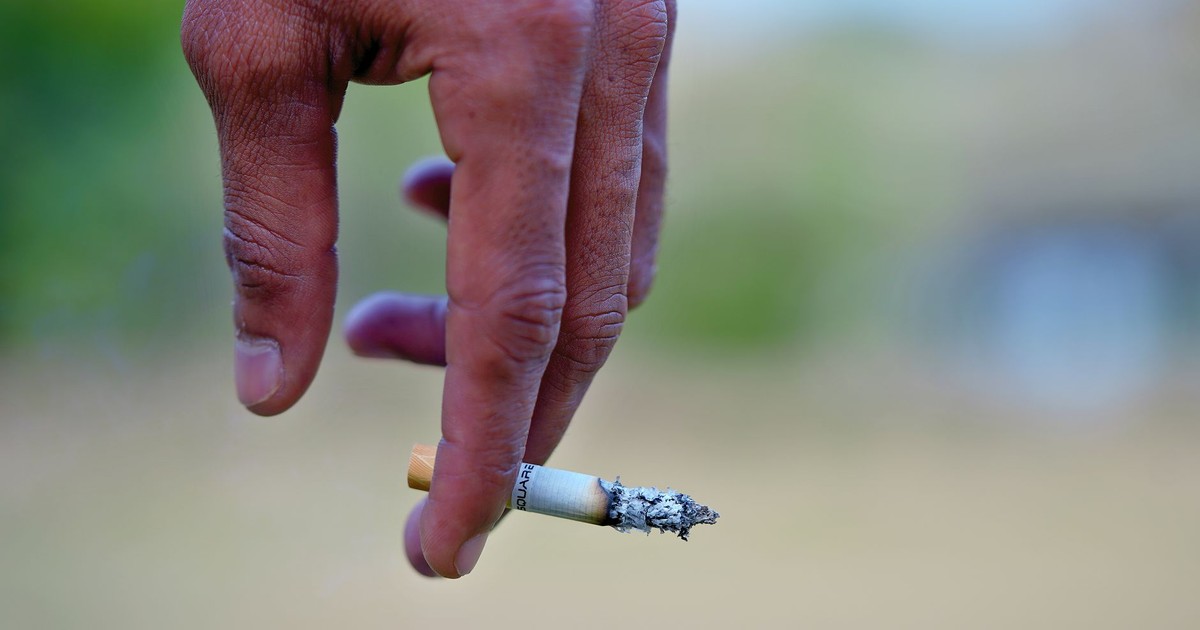

Lung cancer does not distribute its risk evenly among people who smoke, and the reasons go deeper than how much, or how long, a person has smoked. Approximately 15 to 20 percent of smokers develop lung cancer while the majority do not, even when pack-year histories are comparable. This divergence is not random. It reflects genetics, immune function, DNA repair capacity, and the ways those systems interact with tobacco carcinogens at the cellular level.
Cigarette smoking accounts for roughly 80 percent of lung cancer deaths in the United States. People who smoke are 15 to 30 times more likely to get lung cancer than people who do not smoke. Tobacco smoke contains more than 7,000 chemicals, and at least 70 are known to cause cancer in people or animals. Those numbers describe population-level risk – the aggregate probability assigned to a group defined by shared behavior.
The 80 to 85 percent of smokers who never develop lung cancer are not simply fortunate. In many cases, they are biologically different from those who do. Genomic evidence from large-scale population studies, DNA repair research, and multi-ancestry cohorts is clarifying why some smokers face dramatically elevated lifetime cancer probability while others, with statistically identical exposure histories, do not.
The Scale of the Problem

Lung cancer is the leading cause of cancer mortality worldwide, despite declining smoking rates in many countries. Overall, the chance that a person will develop lung cancer in their lifetime is about 1 in 19, a figure that spans both smokers and non-smokers. Within the smoking population specifically, that risk is far from uniform, and the divergence begins at the level of the genome.
Two people with identical smoking histories, the same number of pack-years, the same age and sex, can face dramatically different lifetime cancer probabilities. Large-scale genome-wide association studies are beginning to clarify how smokers cancer risk operates at the individual level.
Genetic Architecture: Not All Smokers Are Built the Same

Genome-Wide Association Studies and the Search for Risk Loci
The last decade of lung cancer genomics has been defined by genome-wide association studies (GWAS) – large-scale scans of the human genome that search for variants, small differences in DNA sequence, that appear more frequently in people with a given disease than in those without it. GWAS have identified lung cancer risk variants associated with immune response, cell cycle regulation, DNA damage response, and genomic stability.
One of the most comprehensive studies to date was published in Nature Communications in October 2024. The study performed multi-ancestry GWAS meta-analyses of lung cancer using the Million Veteran Program cohort, comprising 42,102 cases and 181,270 controls, followed by replication in an independent cohort of 19,404 cases and 17,378 controls. Researchers identified two novel replicated loci, including the 19p13.11 cancer locus – a chromosomal region associated with multiple cancer types – in squamous cell lung carcinoma, and reported twelve novel risk loci for overall lung cancer, lung adenocarcinoma, and squamous cell lung carcinoma, nine of which were externally replicated.
Some of these loci confer cancer risk that operates independently of smoking behavior itself. The genetic predisposition to lung cancer is not entirely explained by how much a person smokes, but exists as a partially separate biological pathway.
Smoking Behavior Genes vs. Direct Cancer Risk Genes
A key distinction now emerging from GWAS research is the difference between genes that increase cancer risk directly and genes that do so indirectly by shaping smoking behavior. Several lung cancer GWAS have reported strong effects from CHRNA nicotine receptor genes, which appear to increase the risk of lung cancer through a behavioral tendency toward heavier smoking. Variants in the CHRNA gene cluster, located on chromosome 15q25, are associated with nicotine dependence and smoking intensity – carriers tend to smoke more heavily, accumulating greater carcinogen exposure over time. In these individuals, the elevated cancer risk is real, but it runs through behavior as much as through direct cellular biology.
Other variants exert their effects through pathways that are more directly cellular: controlling how efficiently a cell can detect and repair DNA damage, how thoroughly it can neutralize toxic carcinogens before they interact with DNA, and how robustly the immune system can identify and destroy early-stage malignant cells.
The DNA Repair Dimension

How the Body Normally Protects Itself
Every time a person inhales cigarette smoke, their lungs are exposed to polycyclic aromatic hydrocarbons, nitrosamines, benzene, and dozens of other compounds that can bind directly to DNA and cause mutations. Under normal circumstances, the body deploys a suite of DNA repair processes to detect and correct this damage before a mutated cell can replicate. The efficiency of this repair system varies substantially between individuals, and that variation has emerged as a key factor in determining who among smokers is most likely to develop cancer.
Aberrant expression of xenobiotic metabolism and DNA repair genes is a hallmark of lung cancer. Xenobiotic-metabolizing genes (XMGs) – genes responsible for processing and neutralizing foreign chemical substances, including tobacco carcinogens – are among the most studied determinants of individual cancer risk within smoking populations. These genes work in two phases: Phase I activates and flags incoming toxins, while Phase II binds and removes them before they can cause oxidative damage to lung cells. Smokers whose versions of these genes clear carcinogens less efficiently accumulate more DNA damage with each cigarette, placing them at significantly elevated cancer risk compared to smokers with more active gene variants.
Cis-Regulatory Variants and Gene Expression
Beyond the coding sequences of DNA repair and metabolism genes, researchers have also identified important variation in the regulatory regions that control whether and how strongly these genes are expressed. A 2023 study in Scientific Reports by researchers from eastern India examined cis-regulatory variants – genetic variants that alter how strongly a nearby gene is switched on or off, rather than changing the gene’s protein structure directly. From a list of 2,984 small genetic variants, prioritization and functional annotation revealed 22 regulatory variants across 14 genes, and these 22 variants predictably alter the binding of 44 transcription factors expressed in lung tissue. A smoker whose regulatory variants suppress the expression of DNA repair genes is not operating with a broken repair system – they are operating with an underperforming one, which may be sufficient to process routine cellular damage but insufficient to keep pace with the chronic assault of tobacco carcinogens.
Tumor Biology Varies by Smoking Status
Different Cancers in Different People
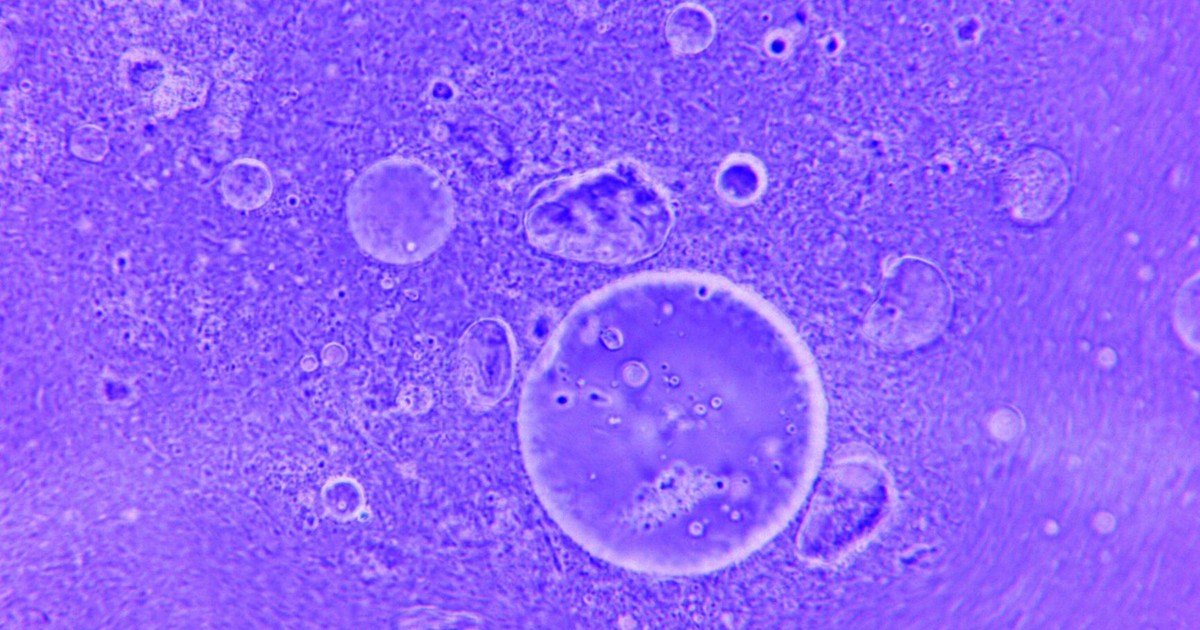
Smoking-related lung cancers are not biologically identical to lung cancers in never-smokers, and the genomics confirm this. DNA variations occur across subjects according to their smoking status, particularly in genes coding for enzymes that participate in carcinogen metabolism, DNA repair, tobacco addiction, and inflammatory processes. The type of molecular mutation in p53 or KRAS varies with smoking status. EGFR mutations are more common in never-smokers, as are EML4-ALK fusions, and the mutually exclusive nature of certain mutations strongly argues for separate genetic paths to cancer for ever-smokers and never-smokers.
This biological divergence between ever-smoker and never-smoker lung cancers has direct clinical consequences. Different driver mutations respond to different targeted therapies, so understanding which genetic pathway produced a patient’s cancer is a critical factor in treatment selection.
The GWAS Evidence for Smoker-Specific and Never-Smoker-Specific Loci
A landmark 2024 study published in Cancer Epidemiology, Biomarkers & Prevention – the journal of the AACR – conducted a stratified multi-population GWAS specifically designed to compare genetic risk architecture between smokers and never-smokers. The researchers analyzed 44,823 ever-smokers and 20,074 never-smokers drawn from European, East Asian, and African descent populations, identifying novel variants that had been missed in non-stratified analyses. The study found five novel independent loci – chromosomal locations associated with lung cancer risk that prior non-stratified analyses had overlooked, precisely because those variants operate differently depending on whether the individual smokes.
Ancestry, Sex, and Compounding Factors

Genetic Risk Is Not Ancestry-Neutral
The genetic architecture of lung cancer is not uniform across ancestral populations. In the two most well-studied ancestries, European and East Asian, the majority of genome-wide significant loci are not shared, which agrees with molecular studies showing differences in tumor characteristics between these groups.
The population-level statistics reflect this in observable ways. Black men have higher lung cancer incidence rates than White men, while incidence patterns differ between Black and White women in the opposite direction – disparities that are not fully explained by differences in smoking prevalence or intensity. They point toward underlying genetic and biological variation in susceptibility that interacts with smoking exposure to produce different outcomes across demographic groups – a finding with real consequences for how risk stratification tools should be designed and applied.
COPD as a Compounding Susceptibility Factor
Among the most clinically significant risk factors that compound smokers cancer risk is chronic obstructive pulmonary disease (COPD) – the progressive lung condition caused primarily by long-term tobacco exposure. Although tobacco smoke exposure accounts for nearly 90 percent of COPD cases, only 10 to 15 percent of smokers develop lung cancer while 20 to 30 percent develop COPD. The presence of COPD confers a four- to six-fold increased risk of lung cancer compared to smokers with normal lung function. This suggests that the same genetic variants making certain lungs vulnerable to the structural damage of COPD also make them less capable of defending against malignant transformation – the two diseases sharing, in part, a common genetic substrate.
The Immune System’s Role in Differential Risk

Immunosuppression as a Carcinogenic Process
Genetic variation in cancer risk does not operate solely through DNA repair and carcinogen metabolism. The immune system’s capacity to detect and eliminate early cancerous cells is itself subject to significant individual variation, and tobacco smoke actively degrades that capacity. Normally, the body’s immune system responds to abnormal cell growth and dispatches tumor-fighting cells to attack and kill them. The toxic chemicals in cigarette smoke weaken this process and make it easier for abnormal cells to keep growing and reproducing. Exposure to tobacco smoke can therefore cause cancer and then inhibit the body’s efforts to fight it – a dual assault that unfolds at the cellular level.
Immune genes vary substantially between individuals. Some people carry variants that produce more robust inflammatory responses to carcinogens, or that more efficiently direct natural killer cells and T-lymphocytes toward early-stage tumors. Others carry variants associated with a blunted immune surveillance capacity. In heavy smokers, where the immune system is already under chronic stress from tobacco-related inflammation, these underlying differences in immune gene function can prove decisive in whether a precancerous lesion is cleared or allowed to progress.
Suboptimal DNA repair capacity, measured by the host-cell reactivation assay, was found to be a lung cancer risk factor in never-smokers and was found to work in tandem with the second-hand smoke effect in that group. For active smokers, the implication is clear: individuals whose DNA repair genes are already compromised by inherited variants face a compounding deficit. Cigarette smoke generates more DNA damage than their repair systems can process, and the chronic immunosuppression from smoking further reduces the body’s secondary line of defense.
Clinical Implications: From Population Risk to Individual Screening

The Case for Polygenic Risk Scores
The convergence of genomic research toward a clearer picture of individual smokers cancer risk has given impetus to the development of polygenic risk scores (PRS) – statistical tools that aggregate information across dozens or hundreds of genetic variants to generate an individual’s cumulative genetic risk estimate. The 2024 Nature Communications GWAS study specifically examined these tools: researchers performed phenome-wide association studies on polygenic risk scores for lung cancer, with and without conditioning on smoking. The unconditioned lung cancer polygenic risk score was associated with smoking status in controls, illustrating reduced predictive utility in non-smokers, while the conditioned score demonstrated smoking-independent associations of lung cancer risk across neoplasms and metabolic traits.
A PRS that is strongly predictive in smokers – precisely the population where early detection through targeted CT screening has the highest potential yield – could allow clinicians to stratify high-risk smokers for more intensive surveillance, earlier interventions, and potentially preventive therapies, while directing screening resources more efficiently across lower-risk subgroups.
Current Screening Guidelines and Their Limitations
Current lung cancer screening guidelines in the United States are based primarily on smoking history – the number of pack-years smoked and current smoking status or recency of cessation. These criteria, while evidence-based, are blunt instruments. They identify a high-risk population but cannot differentiate between the smoker whose genetic profile places them at the extreme high end of that population’s risk distribution and one whose genomics suggest a more moderate trajectory.
The research frontier now points toward a future where smoking history is one input among several – alongside genetic risk scores, DNA repair capacity assessments, and biomarker panels – in generating the kind of individualized risk estimate that would allow genuinely precision-guided cancer prevention.
What the Science Is Actually Saying

The central finding running through the most current research on smokers cancer risk is that tobacco exposure and genetic predisposition do not operate as independent variables. They interact, amplify, and in some cases counterbalance each other in ways that determine individual cancer trajectories with far more precision than population averages suggest. Smoking is not a uniform death sentence for the lungs. For most smokers, the body’s repair and immune systems – shaped in part by inherited genetics – manage to hold the damage at bay. For a subset, those systems are insufficient to keep pace with the chronic chemical assault of tobacco smoke.
Tobacco use accounts for 80 to 90 percent of lung cancer cases. What has changed is the scientific capacity to ask the more specific question: which smokers, and why? The answer emerging from multi-ancestry GWAS studies, DNA repair research, and cancer genomics is that a combination of inherited variants in carcinogen-metabolizing genes, DNA repair pathways, immune function genes, and cell cycle regulation loci creates a biologically distinct high-risk subpopulation within the broader smoking population. Identifying that subpopulation with precision – and getting them screened, monitored, and treated earlier – represents one of the most consequential clinical opportunities in cancer medicine today. The person who smoked for sixty years without consequence and the person who developed cancer despite quitting in their forties are not a statistical anomaly. They are, quite precisely, what variable genetic susceptibility looks like at the level of individual human lives.
Disclaimer: This information is not intended to be a substitute for professional medical advice, diagnosis, or treatment and is for information only. Always seek the advice of your physician or another qualified health provider with any questions about your medical condition and/or current medication. Do not disregard professional medical advice or delay seeking advice or treatment because of something you have read here.
AI Disclaimer: This article was created with the assistance of AI tools and reviewed by a human editor.