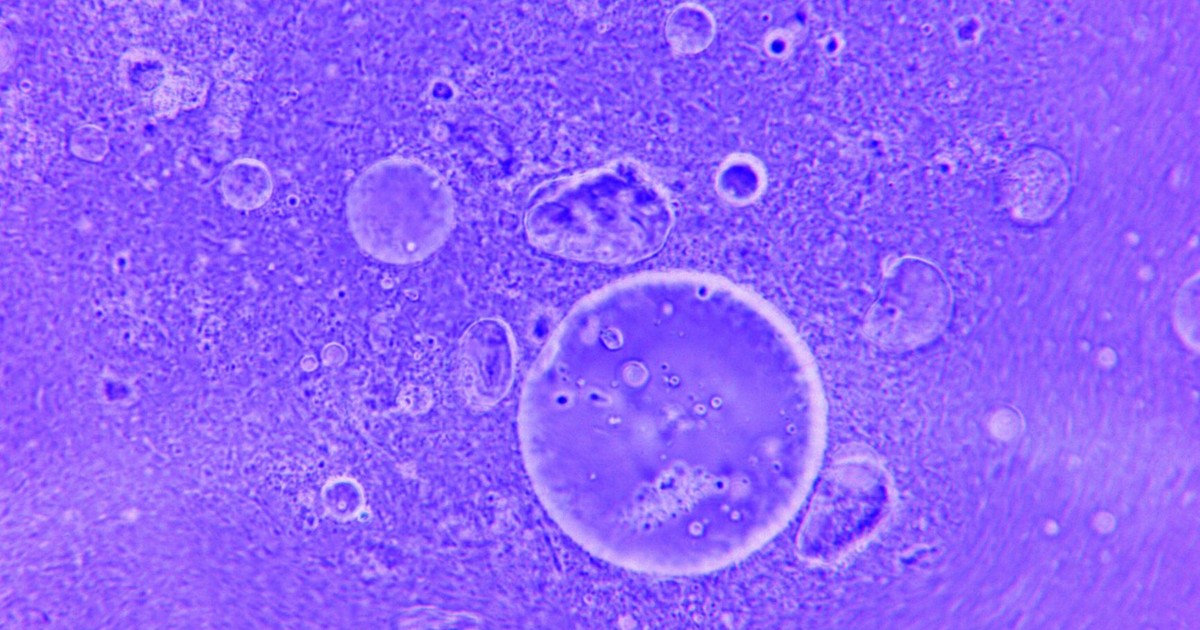

Your immune system keeps a record. Every germ it has ever beaten, every vaccine it has ever processed, it files away in specialized cells called memory B cells and T cells – a biological library of every pathogen your body has ever learned to fight. That library took years to build. Measles can erase it in weeks.
This is not a fringe theory or a precautionary maybe. It is a documented, peer-reviewed phenomenon called immune amnesia disease, and it is the reason infectious disease specialists are losing sleep right now. Measles cases in the United States have been climbing at a rate that would have seemed impossible five years ago, and with each confirmed infection comes the possibility of this hidden, slower damage to the immune systems of the people who survive it.
Most conversations about measles focus on the rash, the fever, and the complications of the acute infection itself. Almost none of them talk about what the virus does to a person’s immune defenses in the months and years after they recover.
The Numbers Are Already at a 35-Year High

From January 1, 2025, through July 24, 2026, there have been 4,607 confirmed measles cases in the United States, reported across 48 states and jurisdictions. Cases in 2024 numbered in the hundreds, and 2023 saw only a handful of infections. What took years to accumulate has now happened twice over in 18 months.
About 93 percent of those cases were confirmed in people who were unvaccinated or did not know their vaccination status. The CDC has confirmed at least three deaths associated with the ongoing outbreak: two unvaccinated children in Texas and an unvaccinated adult in New Mexico. The Los Angeles County Department of Public Health also confirmed one death of a child from a measles-related complication.
Kindergarten MMR vaccination rates have slipped from 95 percent in 2019-2020 to 92.5 percent today, just below the 95 percent threshold needed for community protection, leaving roughly 286,000 kindergartners unshielded nationwide. Thirty-nine states now fall below that threshold, and 16 are below 90 percent. This is not a data point that lives in a public health report. It lives in your child’s classroom.
Immune Amnesia Is Not a Metaphor: Here’s the Actual Biology
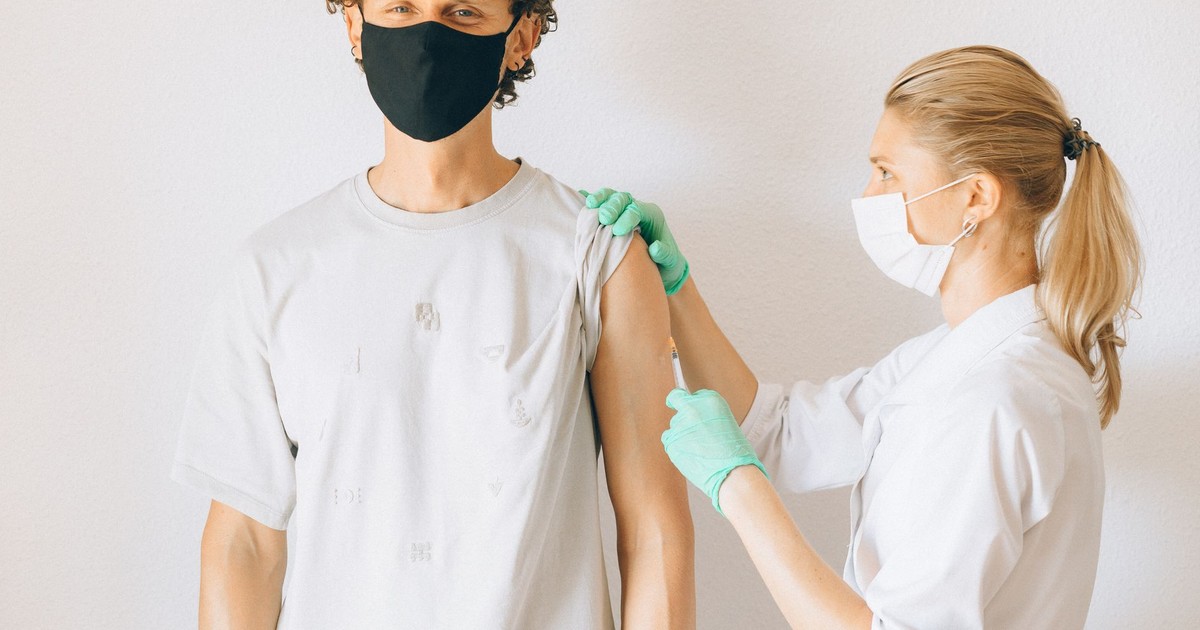
The name sounds dramatic, but the biology is precise and deeply studied. Immune amnesia is a phenomenon in which portions of the immune system’s memory are wiped clean. It occurs because the measles virus can invade not only the cells of the respiratory system but also the cells of the immune system, including the memory B cells, which are specialized white blood cells whose job is to recognize pathogens the body has encountered and fought off before.
When alerted by memory B cells that they have encountered a known pathogen, the immune system can swiftly mobilize the specific antibodies it needs to target and overcome the invader. Without that early warning system in place, the immune system is perpetually flying blind. Your body still functions. You can still fight new infections. But the specific, hard-won intelligence it had stored for dozens of familiar threats – things you’ve already been exposed to, things you’ve already been vaccinated against – is simply gone.
Medscape reports that the measles virus destroys immune memory by wiping out memory B cells and T cells, forcing the immune system to rebuild its defenses from scratch. The acute illness ends. The invisible damage does not.
This Can Wipe Out Up to 70 Percent of Your Immune History
The scale of the memory loss is one of the findings that genuinely shocked researchers. Measles infection destroys B lymphocytes specific to other pathogens and reduces the diversity of non-specific B cells, severely limiting acquired defenses in the adaptive immune system, regardless of whether those defenses were built through vaccination or direct exposure to a pathogen. Studies with unvaccinated children measured a depletion of up to 70 percent of the existing antibody repertoire after measles infection, though there is significant variability between individuals.
Between 2015 and 2019, research by Dr. Michael Mina at Harvard T.H. Chan School of Public Health proved that measles causes immune amnesia and showed that this effect lasts for years, not weeks or months, leaving patients profoundly vulnerable to pathogens they have previously been vaccinated against or exposed to, and to which they would ordinarily be immune.
Using a tool called VirScan, which can sample a person’s complete immune history from a single drop of blood, researchers were able to show that children previously infected with measles had not simply suppressed immune systems. Instead, they had actually lost the memories that make up the immune system, which is precisely why the researchers named it immune amnesia.
Nearly Every Unvaccinated Child Who Gets Measles Is Affected

One of the most important clarifications emerging from current research is that immune amnesia is not a rare complication of measles. It is practically universal among those who contract the disease without vaccine protection. “Nearly every unvaccinated child who gets measles can be impacted,” according to Patricia Stinchfield, a pediatric nurse practitioner and past president of the National Foundation for Infectious Diseases.
Rebuilding immune memory leaves patients vulnerable to new exposures, and the resulting infections, hospitalizations, and missed work and school can linger for up to five years, casting a long shadow after recovery. Five years is a long time to be immunologically starting over. For a two-year-old, that window extends well into primary school. For a pregnant woman, the implications reach her unborn child.
In the words of Dr. Michael Mina, an infectious disease expert and former assistant professor of epidemiology and immunology at Harvard T.H. Chan School of Public Health, “half of all childhood infectious-disease deaths were related to immune amnesia caused by measles.” Most of those children did not die of measles. They died of what measles left behind.
The Immune Damage Can Be Invisible on Standard Tests
You cannot necessarily detect immune amnesia disease with routine blood work after a child recovers. The child looks fine. The numbers look fine. The immune system appears to be functioning.
At an individual level, this vulnerability was effectively invisible because any functional immune test you could run on a child a year after they had measles would look normal. The immune system appeared to be humming along, working normally. The problem is not that the immune system stopped working. It is that it lost its reference files. A child who had been vaccinated against chickenpox or whooping cough before getting measles may now be susceptible to those diseases again, with no obvious sign of it on a standard panel.
With no treatments currently available for immune amnesia, individuals may face an increased risk of getting sick for at least two years after recovery from measles. Some researchers believe the window of vulnerability extends considerably longer in some cases, depending on how much immune memory was lost and how the individual’s immune system begins to rebuild.
The Virus Erases Vaccine-Given Immunity, Not Just Natural Immunity
A common misconception is that immune amnesia only affects memories of diseases a child has already caught. The reality is starker. The measles virus cannot distinguish between immunity earned the hard way, through a previous infection, and immunity given by a vaccine. It destroys both with equal efficiency.
The American Academy of Pediatrics asserts that new infections and re-exposure through vaccines are the only way to rebuild the immune system’s memory after measles strikes. That means a child who was vaccinated against a range of diseases before getting measles may effectively need to be revaccinated – not because the original vaccines failed, but because measles deleted what those vaccines had written.
The only way to prevent measles from erasing immune memory is the obvious one: prevent cases by vaccinating. In fact, researchers have suggested that after a child has measles, physicians should consider revaccinating them against all common pathogens. The MMR vaccine protects the immune library from being touched in the first place. Once it has been emptied, restocking it is slow, uncertain, and depends on re-exposure to the very pathogens the child had already fought off.
The Broader Ripple Effect on Public Health Is Still Being Calculated
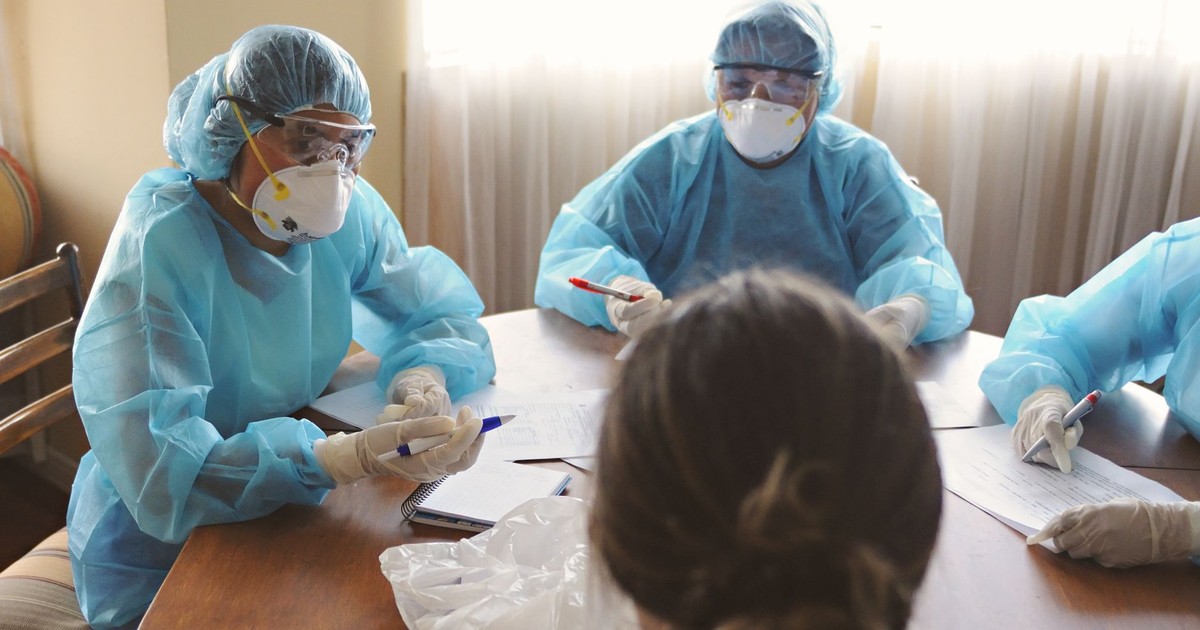
The consequences of immune amnesia do not stay contained within the individual who had measles. When enough people in a community have had their immune memories erased, the ripple effects reach every person around them, including those who cannot be vaccinated due to age or medical conditions.
Researchers have described immune amnesia as having the potential to be more harmful than the measles outbreaks themselves, because its effects on community immunity extend well beyond the acute period of infection. A person walking around with a depleted immune history is not just at personal risk. They become more susceptible to spreading secondary infections to others.
There is also the matter of what this surge means for diseases that were nearly gone. If even a fraction of infected young children develop the rare but devastating brain complication called SSPE (subacute sclerosing panencephalitis), the damage will not appear for about ten years, and there will be no headline connecting it to the outbreaks of 2025. The delayed consequences of immune amnesia disease have a similar invisibility problem. The reckoning comes later, with a different diagnosis attached.
What You Can Actually Do Right Now
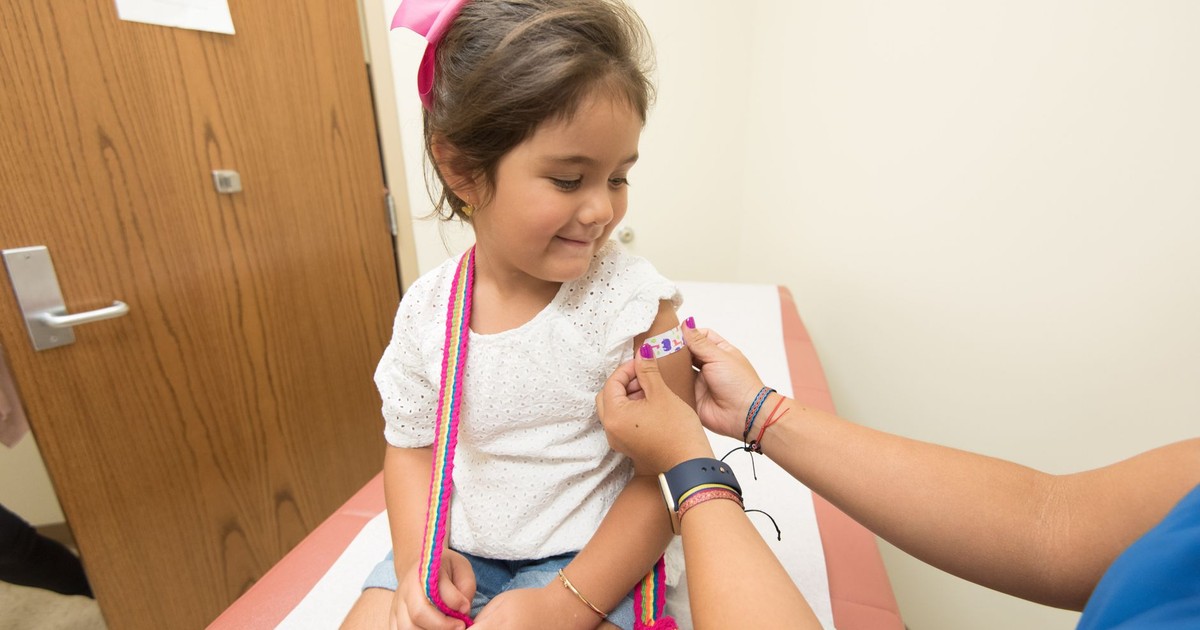
According to the CDC, two doses of the measles vaccine are 97 percent effective at preventing measles, while one dose is 93 percent effective. The schedule is two doses of the MMR vaccine: the first at 12 to 15 months, the second between ages 4 and 6. If you are not sure whether your child or you yourself is up to date, your doctor can run a titer test to check antibody levels.
Measles is not just the rash and the miserable week in bed. It is the two-to-five-year immune vulnerability that follows. When you understand that a disease can effectively reset a child’s immune memory to zero, “is my kid vaccinated?” becomes a different kind of question. It is not about that one illness. It is about every illness they were already protected against that they would now have to face for what their body registers as the first time.
The research on immune amnesia disease is still expanding. Scientists are actively working on ways to measure the depth of immune memory loss and to test whether antiviral interventions could reduce the damage during the acute phase of infection. The picture keeps getting clearer, and none of it makes measles look less serious. The more we understand about what the virus does after the fever breaks, the more it matters to stop the fever from starting in the first place. Some of these effects won’t show up in headlines for another decade, but the children affected by this wave of outbreaks are living through them right now.
Disclaimer: This information is not intended to be a substitute for professional medical advice, diagnosis, or treatment and is for information only. Always seek the advice of your physician or another qualified health provider with any questions about your medical condition and/or current medication. Do not disregard professional medical advice or delay seeking advice or treatment because of something you have read here.
AI Disclaimer: This article was created with the assistance of AI tools and reviewed by a human editor.