
The conversation around what older adults should eat tends to focus on elimination: less sodium, less saturated fat, less sugar. Chronic disease risk climbs with age, and the nutrition advice that follows tends to arrive as a list of restrictions. But restriction-only thinking misses half the picture. What you add to your plate as you age matters as much as what you subtract, and a growing body of research is making that case with increasing specificity.
Aging changes the body in ways that rewrite its nutritional requirements almost entirely. While older adults may need fewer calories overall, the body’s demand for specific vitamins, minerals, and macronutrients often increases at the same time. The National Institute on Aging notes that older adults require more of certain nutrients even as total caloric needs decline. That paradox – eat less, but get more out of every bite – is the central challenge of aging nutrition, and it explains why food quality rather than quantity becomes the dominant variable.
It also explains why researchers keep returning to the same question from different angles: which foods deliver the highest return on nutritional investment for aging bodies?
Why Aging Changes Everything About How You Need to Eat

The physiological changes that accumulate from the fifth decade onward are not subtle. Metabolism slows down, muscle mass decreases, bone density diminishes, and the ability to sense thirst often declines. The body also becomes less efficient at digesting food, affecting its ability to absorb nutrients properly.
That last point deserves more attention than it typically gets. Absorption efficiency is not a static number. The same meal that delivered a robust nutritional payload at 35 may deliver a meaningfully different one at 65, because the gut, liver, and kidneys responsible for processing nutrients are operating on different terms. Vitamin B12, for instance, is important for creating red blood cells and supporting healthy brain and nerve function. The body’s ability to absorb protein-bound B12 from food can decline with age due to reduced stomach acid production and age-related gastric changes, even when dietary intake remains adequate.
The consequences compound quickly. Muscle mass and strength decline from around the fourth decade, progressively accelerating after 50 years of age, with lifetime losses of roughly 20 to 30 percent in muscle mass and 40 to 50 percent in muscle strength. These are not abstract statistics. They translate directly into the physical capacity to live independently, to climb stairs without assistance, to recover from a fall rather than being defined by it.
A narrative review in Advances in Nutrition found consistent evidence that healthy dietary patterns and maintenance of a healthy weight in the years leading to old age are associated with broad prevention of all the archetypal diseases and impairments associated with aging, including noncommunicable diseases, sarcopenia, cognitive decline, dementia, osteoporosis, and constipation. That list is long enough to suggest that the question of aging nutrition is not peripheral to health – it is the center of it.
The Nutrients That Matter Most After 50
Before any single food can be understood in context, it helps to know what the aging body is specifically running short on – and why.
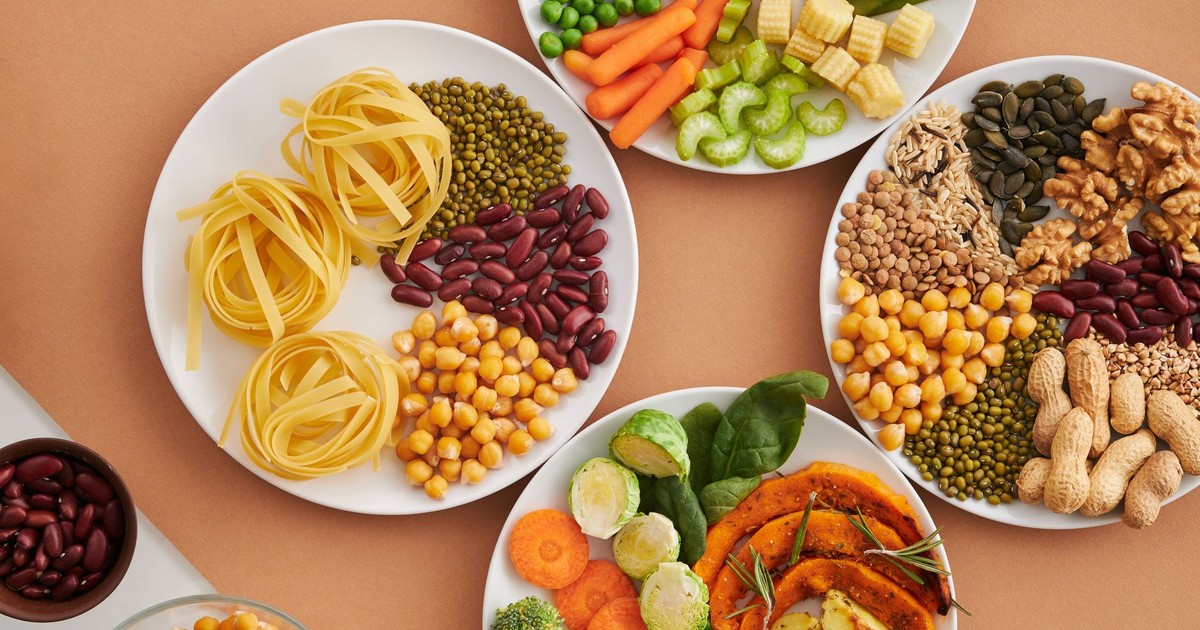
Protein is the most consequential nutrient for preserving physical function with age. Muscle mass naturally decreases with age, and a diet insufficient in protein can amplify that muscle loss into physical weakness, mobility issues, and a higher risk of falls. Most older adults do not consume protein at levels adequate to counter this decline. Since many adults eat less overall as they get older, every calorie counts more, and prioritizing high-quality protein becomes especially important. The general recommendation is at least 1 gram per kilogram of body weight per day, increasing to 1.2 to 1.5 grams for those who are active or strength training.
Vitamin D is another persistent shortfall. Vitamin D helps the body absorb calcium, which is especially important as we age since it is essential for maintaining strong, healthy bones. It also plays a role in healing of fractures and possibly metabolic function. Adults over 65 face a particular disadvantage: spending less time outdoors or wearing clothes that cover more skin makes it more difficult to get enough vitamin D from the sun alone.
Vitamin B12 sits in a similar category of concern. B12 deficiency can cause everything from lethargy to neurological issues, and a 2025 study of 231 older adults with a median age of 71 found that healthy volunteers with lower concentrations of B12 – even within the range considered clinically normal – showed signs of neurological damage and cognitive decline.
Magnesium is frequently overlooked but central to multiple systems. Magnesium promotes healthy bones and helps regulate blood pressure and blood sugar, and may also support mental health. The National Council on Aging notes that older men should get 420 mg daily, while women should aim for 320 mg.
Fiber, for all the attention it gets in the context of digestive health, is doing considerably more work than most people realize. Fiber promotes gut health and prevents constipation by helping food move through the digestive tract. It can also help lower cholesterol levels, regulate blood sugar, and reduce the risks of heart disease and colorectal cancer. About 94 percent of adults do not get enough fiber in their diet.
Healthy fats, particularly omega-3 fatty acids, round out the list of priorities. Healthy fats such as omega-3 fatty acids support brain and heart health. Together, these nutrients form a framework for understanding why a given food might punch well above its weight for older adults.
The Peanut Butter Findings
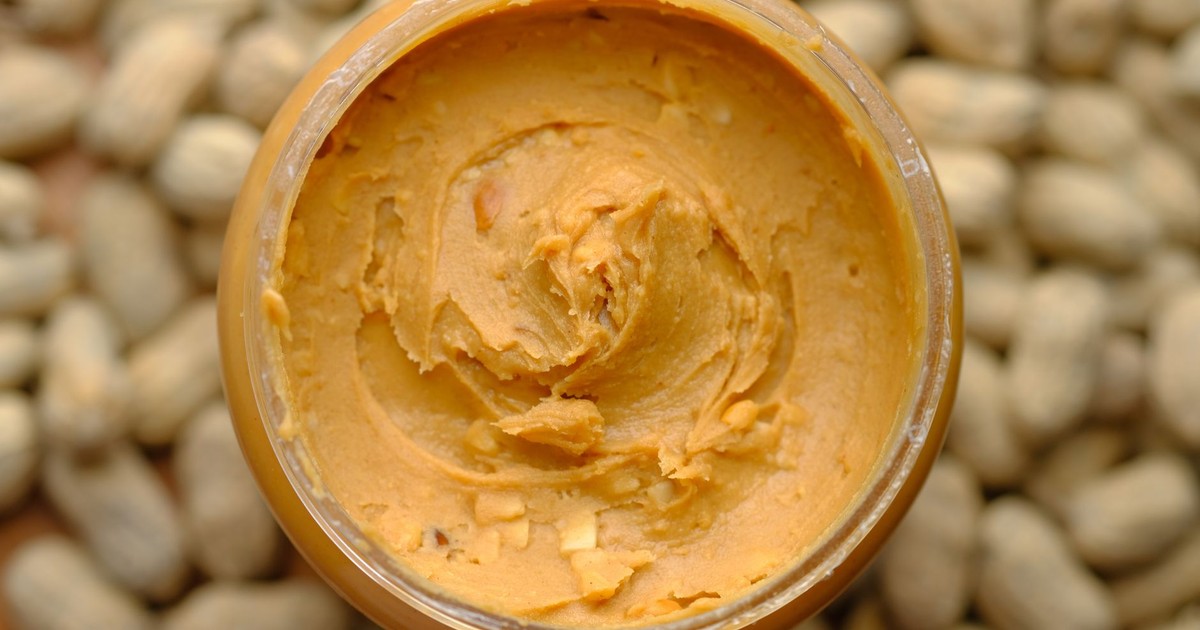
A six-month randomized controlled trial known as the Capacity of Older Individuals after Nut Supplementation, or COINS, involved 120 adults aged 66 to 89 who were living independently in their community but were at risk for falls. Led by Associate Professor Sze-Yen Tan, a nutrition researcher at Deakin University’s Institute for Physical Activity and Nutrition in Melbourne, Australia, the trial design was straightforward by the standards of nutrition research: half of the participants were randomly assigned to eat 43 grams of a commercially available natural peanut butter daily – roughly three tablespoons – while the others continued their usual lifestyle, diet, and exercise routines.
The results, published in the Journal of Cachexia, Sarcopenia and Muscle in February 2026, showed a meaningful improvement in one specific and clinically relevant measure: lower-body muscle power. Daily peanut butter consumption helped adults 65 and older stand up from chairs 1.2 seconds faster after six months. That may sound modest, but the five-times sit-to-stand test – which is exactly what it sounds like, rising from a chair and returning to seated five consecutive times – is one of the most reliable proxies clinicians use to assess fall risk, overall leg strength, and the capacity for independent daily living. The act of rising from a chair may seem simple for most people, but it is a significant effort for many older adults. This movement serves as an everyday gauge of overall strength, balance, and confidence, and may ultimately determine how much assistance an individual requires to live independently.
Crucially, the improvement came without the weight gain that might be expected from adding a calorie-dense food to a daily diet. Participants in the peanut butter group increased their protein and healthy fat intake without gaining weight over the six-month period.
Why Peanut Butter Specifically?
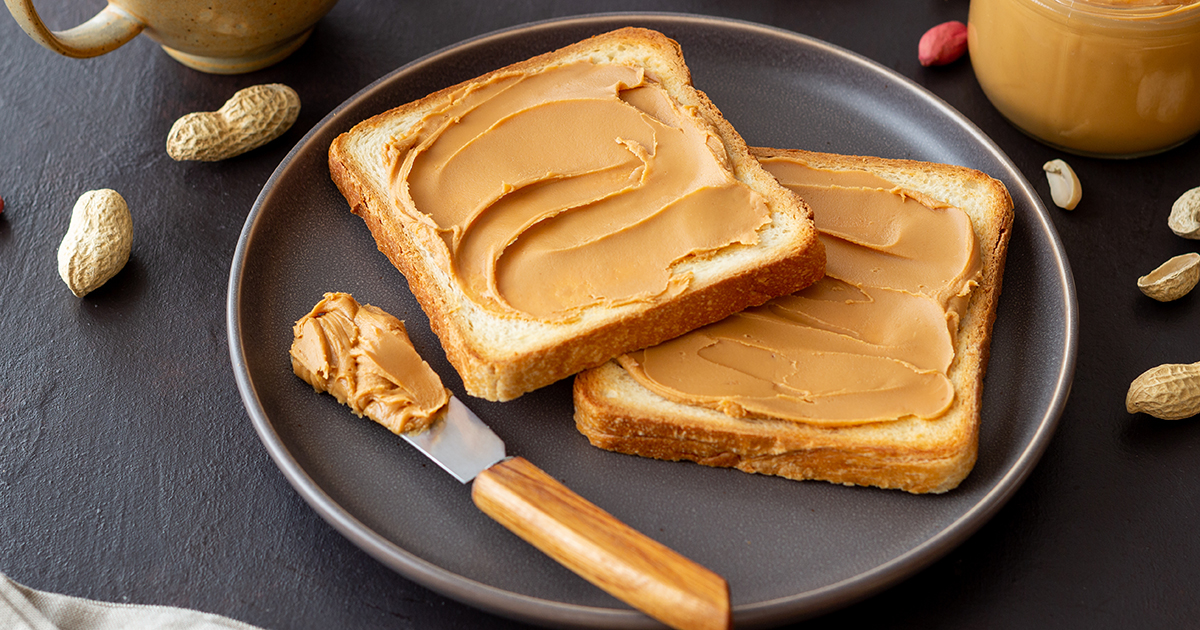
The findings make more sense when peanut butter is viewed through the lens of what aging bodies need most. Peanut butter provides plant-based protein, healthy fats, and calories – nutrients that can be especially important for older adults working to maintain muscle and overall strength. Three tablespoons delivers approximately 12 grams of protein, 16 grams of fat (predominantly monounsaturated and polyunsaturated), along with meaningful amounts of magnesium, potassium, and vitamin E. For adults who struggle to maintain caloric intake as appetite decreases with age, peanut butter is also energy-dense in a form that is easy to eat, requires no cooking, and integrates into meals without effort.
Muscle-related changes in older adults are associated with a range of adverse outcomes, including increased risk of falls and fractures, poor quality of life, loss of independence, and hospitalisation. Peanut butter, at the right daily amount, addresses several of the underlying nutritional deficits behind those outcomes simultaneously – protein for muscle maintenance, healthy fats for systemic function, and calories to counteract the unintentional weight loss that tends to accelerate physical decline.
What the Study Does and Does Not Show
The researchers and outside commentators were careful about the scope of the findings. Despite the encouraging results, experts cautioned that the improvement is modest. Improved muscle power can help with everyday tasks such as climbing stairs and getting out of a chair, but one cardiologist noted that “a change of this magnitude is small, but potentially relevant” and “encouraging but not practice-changing” from a clinical standpoint. The study did not measure actual fall rates, fractures, or hospitalizations, and found no improvements in overall strength.
What it did demonstrate is that a practical, low-cost dietary addition – one that requires no prescription, no gym membership, and no dramatic behavioral change – can produce a statistically significant improvement in a measure of physical function in older adults at fall risk. In the context of aging nutrition research, where studies frequently rely on observational data, self-reported dietary recalls, and sample sizes in the hundreds of thousands, a six-month randomized controlled trial with a specific, measurable outcome is a comparatively strong design.
Read More: 10 Best (and Worst) Peanut Butter Brands
A Note on What Comes Before the Label
The COINS study’s funding from The Peanut Institute Foundation is worth naming, as it is a factor in how the research should be weighed. Industry-funded nutrition research has a documented history of yielding favorable results for the funding product, and any single trial – however well-designed – carries more weight when its findings are replicated independently. The sit-to-stand improvement is real and the trial design is sound, but it represents one data point, not a settled consensus. It is consistent with the broader evidence on plant-based protein and healthy fats in aging adults, which strengthens its credibility, but replication without industry funding would solidify it considerably.
The more durable takeaway may be less about peanut butter specifically and more about the underlying principle the study illustrates: that nutrient-dense, convenient, accessible foods can produce clinically relevant improvements in the aging body when consumed consistently. Fruits, vegetables, whole grains, nuts, legumes, and unsaturated fats have repeatedly been linked with healthy aging outcomes across multiple research frameworks, and peanut butter sits at the intersection of several of those categories at once.
What This Means for the Rest of Your Plate

The peanut butter finding arrives in a specific and important context: older adults, particularly those 65 and beyond, are managing a real biological challenge involving muscle loss, reduced absorption efficiency, and the compounding effects of nutrients their diets increasingly fail to provide. No single food resolves that, and the COINS study does not claim otherwise.
What the research does – cumulatively, across the nutrition-and-aging literature – is paint a picture of a body that requires more intentional feeding than it did at 40, with specific emphasis on protein, vitamin D, vitamin B12, magnesium, fiber, and healthy fats. Peanut butter, in meaningful daily quantities, addresses several of those requirements at once, in a form that requires no preparation, fits almost any budget, and has just been shown in a controlled trial to improve a real-world measure of physical function.
Three tablespoons of peanut butter a day is not a longevity strategy on its own. But it is the kind of consistent, evidence-informed addition to a diet that the aging body increasingly rewards.
Disclaimer: This information is not intended to be a substitute for professional medical advice, diagnosis, or treatment and is for information only. Always seek the advice of your physician or another qualified health provider with any questions about your medical condition and/or current medication. Do not disregard professional medical advice or delay seeking advice or treatment because of something you have read here.
AI Disclaimer: This article was created with the assistance of AI tools and reviewed by a human editor.