
Your bones have been quietly doing their most important work for your entire adult life without asking for anything in return. No complaints, no symptoms, nothing that registers on your annual bloodwork unless a doctor specifically orders the right scan. And then menopause arrives, estrogen drops, and the bill comes due, all at once, and all in silence.
That silence is the thing worth understanding. According to Mass General Brigham, once women start to enter menopause, they can lose on average 1 to 2 percent of their bone density every year, and in some cases as high as 3 to 5 percent annually. There is no pain associated with this. No warning signal. By the time a fracture happens, a wrist from a minor fall, a vertebra from simply bending forward, the conversation has already shifted from prevention to damage control.
The body’s ability to respond to the right inputs, movement, nutrition, sleep, smart supplementation, remains in place far longer than most women are told. You are not simply watching a countdown. You are working with a system that still responds.
What Estrogen Was Actually Doing for Your Bones
Bone is not the static structure most people imagine. It is dynamic tissue, constantly being broken down by cells called osteoclasts and rebuilt by cells called osteoblasts. Estrogen was the referee keeping these two processes in balance. When estrogen levels fall during the menopause transition, declining estrogen levels accelerate bone resorption and inhibit bone formation, leading to a rapid decrease in bone mineral density, particularly in the femoral region.
Bone density peaks in the mid-to-late 20s to early 30s, and women with regular menstrual cycles have good levels of estrogen that help maintain bone density and keep their bones healthy. That peak is the bank account. Everything after is working from that balance, and menopause marks the point when withdrawals begin accelerating in a way that deposits can no longer match at the same rate.
In 2022, the global prevalence of osteoporosis was 19.7%, with women exhibiting a significantly higher prevalence than men at 23.1%. A 2026 study from The Menopause Society suggests that osteoporosis in postmenopausal women may also increase a woman’s overall risk of death, by as much as 47%, especially within specific ranges of femoral bone mineral density. The standard framing around bone loss has always been about broken hips and stooped posture. The fracture risk is real, but the picture is even more serious than that.
The Weight-Bearing Conversation Nobody Had With You
Exercise has been on every bone health recommendation list for decades, but the specifics matter more than the general advice to “stay active.” Not all movement does the same thing for bone. Walking is good. Hiking is better. Climbing stairs counts. But the category that consistently shows the strongest bone-building effect is weight-bearing exercise combined with resistance training, and most women are not doing enough of the second one.
Regular weight-bearing exercises like walking, running, or dancing help to strengthen bones and improve balance, according to the American Academy of Orthopaedic Surgeons. But resistance training, lifting weights, using resistance bands, or performing bodyweight exercises that challenge muscles, adds something that cardio alone does not. A 2025 meta-analysis including 17 randomized controlled trials with 690 subjects found that resistance training significantly improves bone mineral density at the lumbar spine and femoral neck in postmenopausal women.
The femoral neck is the narrow segment at the top of the thighbone, and it is the exact site most vulnerable to the kind of hip fracture that changes a woman’s life. To improve mobility, bone strength, and physical function and to prevent fractures, resistance training should be practiced alongside balance exercises and weight-bearing activities, with recommended intensities of 70 to 80 percent of maximum effort performed two to three times per week being an effective approach for increasing bone mass in postmenopausal women.
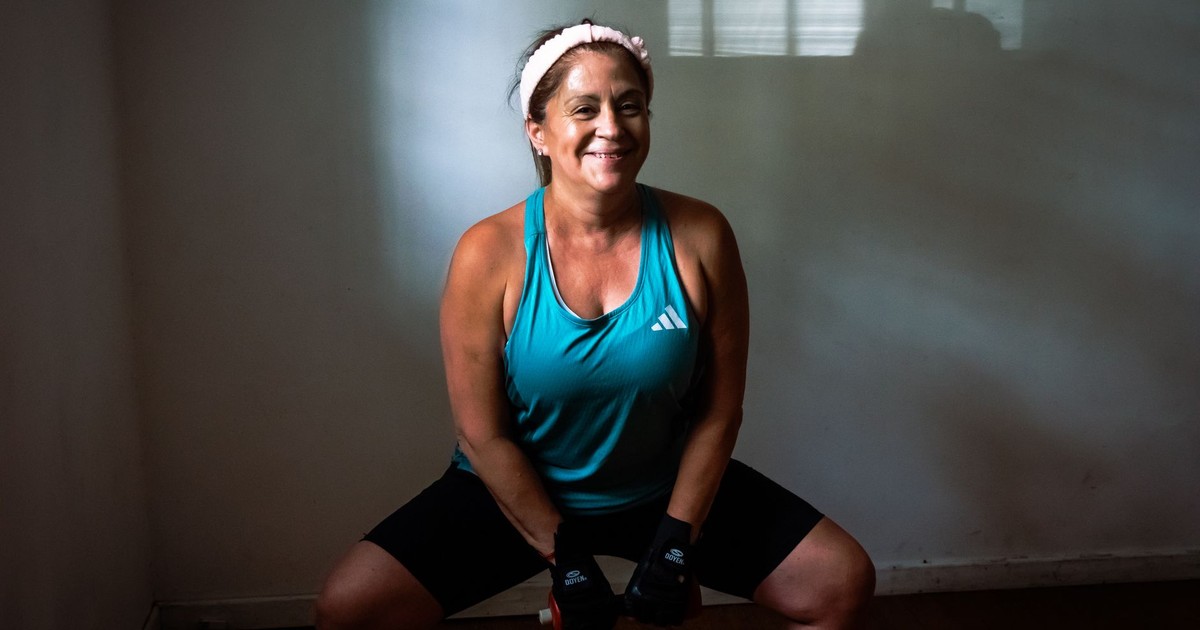
If you have never lifted weights, that recommendation may feel clinical or remote. In practice, it means squats with dumbbells in your living room, resistance bands around your ankles during wall sits, or a twice-weekly class at a gym that doesn’t require you to become a person who posts about leg day. The specific activity matters less than the principle: muscles pulling on bones is what signals the body to maintain and rebuild bone tissue. That signal still works after menopause.
Calcium, Vitamin D, and the Part Most People Get Wrong

Calcium is the nutrient everyone associates with bone health, which means it is also the one most people assume they’re getting enough of. They usually are not. Through adequate calcium intake of 1,200 to 2,000 mg and vitamin D at 2,000 to 3,000 IU each day, women can slow bone loss and maintain bone strength, according to the AAOS. For women past menopause, dietary calcium from dairy, leafy greens, fortified foods, and fish becomes non-negotiable, and for many, supplementation fills the gap that diet alone cannot close.
Vitamin D is where the story gets slightly more complicated. It is not a nutrient you can reliably get from food. The body synthesizes it from sunlight, but factors including where you live, how much time you spend outdoors, and skin tone all affect how much you actually produce. Vitamin D stimulates the production of calcium transport proteins in the gut wall, enabling calcium to move from the intestine into the bloodstream and ultimately into bone. Without adequate vitamin D, calcium absorption drops, regardless of how much calcium you’re consuming. Magnesium, the third player in this trio, supports the conversion of vitamin D into its active form. These three nutrients work as a system, not independently.
The connection between vitamin D deficiency and osteoporosis after menopause is well-documented, yet routine blood panels often skip vitamin D unless you specifically ask for it to be tested. Knowing your actual level removes the guesswork from supplementation decisions.
The Protein Question

Protein doesn’t get nearly as much attention in bone health conversations as calcium does, which is a gap in how the information is communicated. Bone is not made of calcium alone. Collagen, a protein, forms the structural scaffolding that calcium and minerals are laid into. Without adequate protein, the scaffold weakens. Think of bone as reinforced concrete: the minerals are the concrete, and the collagen is the steel framework inside. You need both.
Postmenopausal women are frequently in a category where protein intake is lower than optimal, partly because calorie needs decrease with age while protein requirements actually remain the same or increase slightly. The combination of lower muscle mass and lower protein intake creates a compounding effect on bone. Prioritizing protein at every meal, not just once a day, but distributed consistently, supports both the muscle maintenance that makes bones work and the collagen matrix that makes them structurally sound.
Sleep, Stress, and the Things You’re Probably Dismissing
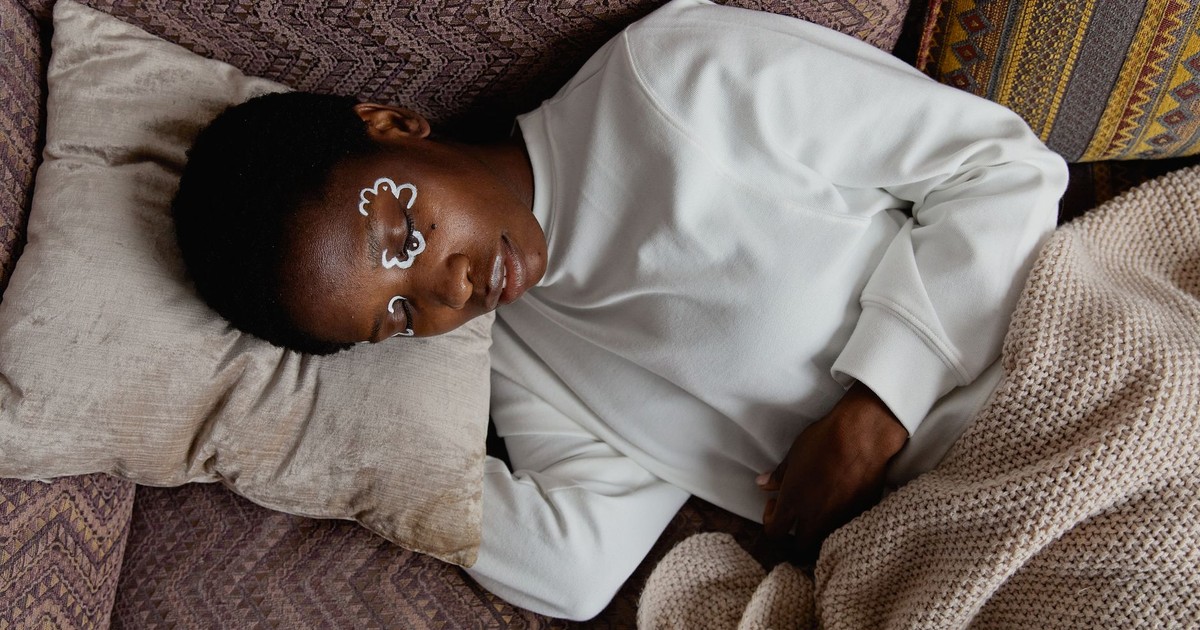
Bone remodeling happens most actively during deep sleep. This is not a fringe claim, it is the reason that chronic sleep deprivation and high cortisol (the stress hormone your body releases when it senses threat) are documented risk factors for bone loss. Cortisol tells the body to prioritize immediate survival over long-term maintenance projects. Bone remodeling is a long-term maintenance project. When cortisol runs consistently high, the body deprioritizes it.
This does not mean that stress causes osteoporosis in a direct, single-cause way. It means that the body treats recovery and bone maintenance as discretionary, and chronic stress is one of the things that keeps it in emergency mode. Sleep disruption during perimenopause and menopause is extremely common, and the downstream effects extend well beyond mood and cognitive function.
Habits That Work Against Your Bones

Smoking is one of the most damaging things a postmenopausal woman can do for bone density. Using tobacco, especially smoking and vaping, can weaken bones and raise the risk of osteoporosis. The biological process involves reduced estrogen activity, impaired calcium absorption, and direct toxic effects on bone-forming cells. Alcohol is the other significant lifestyle factor. Regularly having more than one alcoholic drink a day for women raises the risk of osteoporosis, according to the Mayo Clinic. The occasional glass of wine is not the concern. Habitual daily drinking is.
Bodyweight also matters in ways that work in both directions. Being underweight is a recognized independent risk factor for low bone density, there is simply less gravitational load being placed on the skeleton, which reduces the signal to maintain bone mass. Being sedentary compounds every other risk factor on this list, and sedentary does not only mean inactive. It includes sitting at a desk all day with a thirty-minute walk that gets canceled when the week gets busy.
The DEXA Scan: What It Is and When to Get One
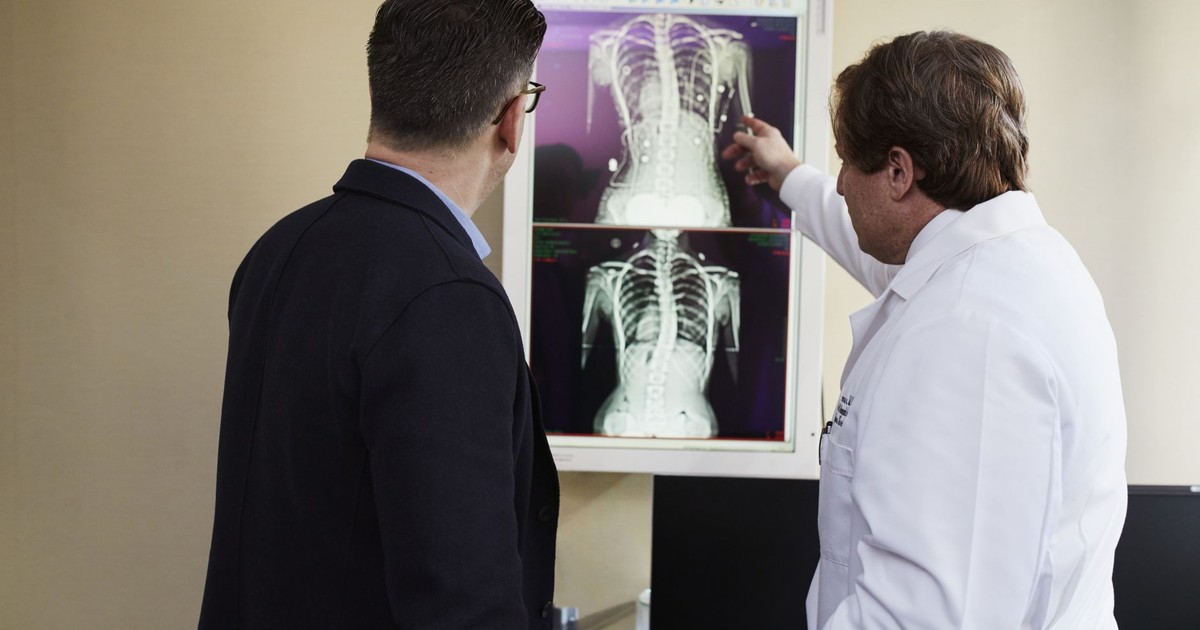
A DEXA (Dual-Energy X-ray Absorptiometry) scan is the standard tool for measuring bone mineral density. It is fast, painless, and delivers far more useful information than an annual physical. All women 65 or older should get a bone density study, as should women between 60 and 64 who have an increased fracture risk, such as a history of fractures or a family history of osteoporosis. Women who went through early menopause, have taken corticosteroids long-term, or have other risk factors may benefit from getting scanned earlier.
The scan produces a T-score: a number comparing your bone density to the bone density of a healthy 30-year-old. A score above -1.0 is considered normal. Between -1.0 and -2.5 is osteopenia (lower-than-normal bone density, but not yet osteoporosis). Below -2.5 is osteoporosis. Each of these categories carries a different set of conversations about what to do next.
Women entering perimenopause in their 40s with risk factors for osteoporosis or a history of low bone density and fracture should talk to their doctor about an early DEXA scan and prevention of further bone loss, including considering FDA-approved hormone replacement. Hormone therapy is not the right choice for every woman, and it involves its own risk-benefit conversation with a physician who knows your full history. But the conversation belongs on the table, not off it by default.
Read More: What Is Progesterone? The Hormone Every Woman Over 45 Needs To Know
What This Means in Practice
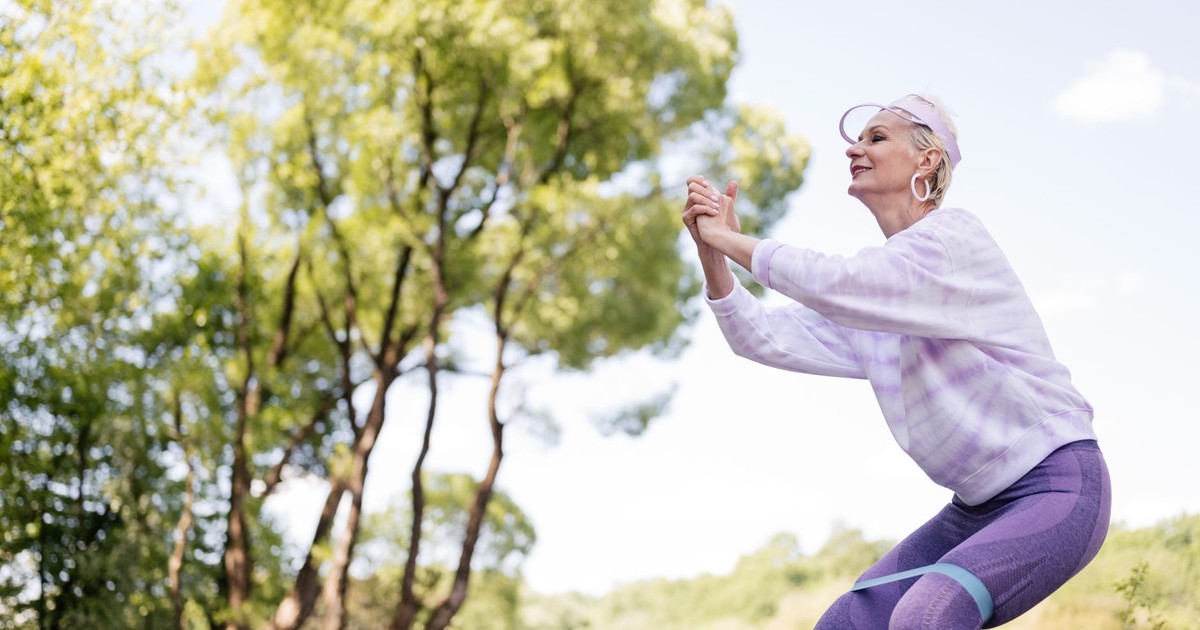
The body you are living in right now is not a closed system. It is not simply losing bone density on an inevitable schedule that no intervention can touch. Bone responds to load, to nutrition, to hormones, to sleep. The window for meaningful action is longer than most women are told, and the actions themselves are not radical. Two resistance training sessions a week. Calcium and vitamin D levels you actually know rather than guess at. Protein distributed across your meals. Less alcohol than you might think is fine. A DEXA scan on the calendar.
None of this resolves the fact that menopause accelerates something that was always going to happen eventually. The biology of bone density after menopause is genuinely challenging in ways that lifestyle alone cannot fully overcome. Some women will need medication. Some women will have genetic predispositions that put them at higher risk regardless of what they do. And the system that was supposed to tell women about this decades before the first fracture, so they could build the best possible reserves while they still could, has historically failed them in ways that are worth being clear-eyed about. What you can do is know what you’re working with, know when to push back on a doctor who dismisses the question, and know that every measure you take now builds a meaningful advantage long before you’re 75.
Disclaimer: This information is not intended to be a substitute for professional medical advice, diagnosis, or treatment and is for information only. Always seek the advice of your physician or another qualified health provider with any questions about your medical condition and/or current medication. Do not disregard professional medical advice or delay seeking advice or treatment because of something you have read here.
AI Disclaimer: This article was created with the assistance of AI tools and reviewed by a human editor.