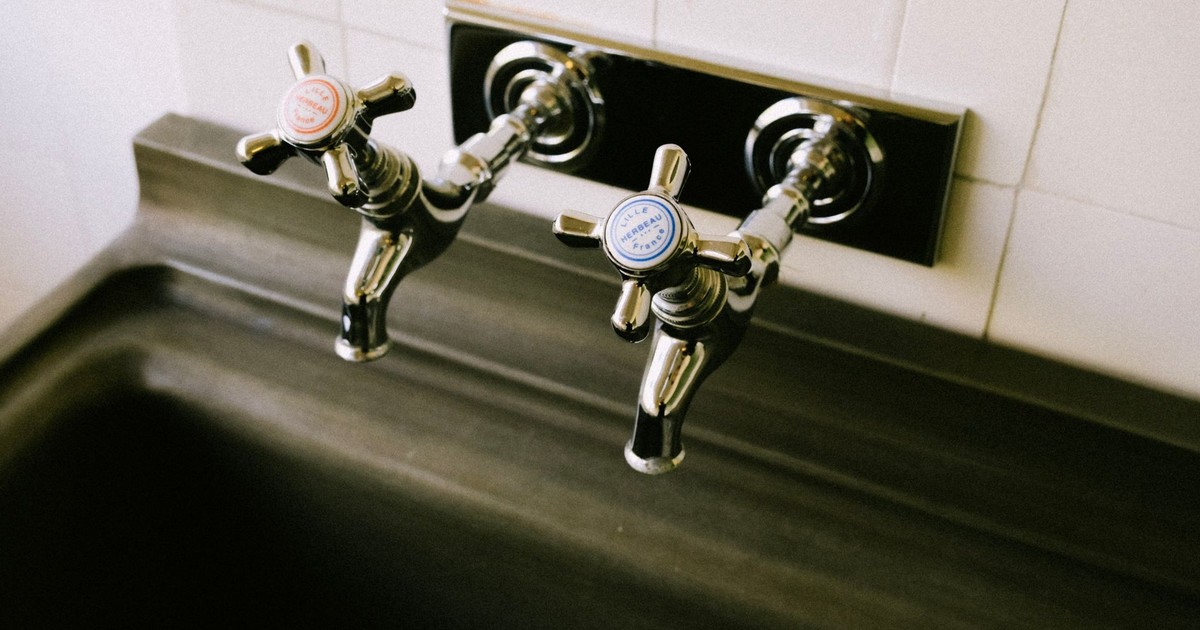

Running the hot tap to fill your pasta pot feels like the most logical shortcut in the kitchen. The water’s already warm, the stove is already on, and dinner is already running fifteen minutes behind schedule. The EPA has a direct answer to that habit: don’t.
Hot water dissolves lead more quickly than cold water and is therefore more likely to contain greater amounts of lead. The EPA’s guidance is unambiguous: never use water from the hot water tap for drinking, cooking, or making baby formula. Not “try to avoid it when possible.” Never. It has been sitting in plain sight for years while millions of people fill their kettles from the hot tap every single morning.
Lead cannot be seen, tasted, or smelled in drinking water. Your pasta water looks exactly the same whether it came from the cold tap or the hot one. There’s no warning label on your faucet, no change in color, no smell.
Where the Lead Actually Comes From
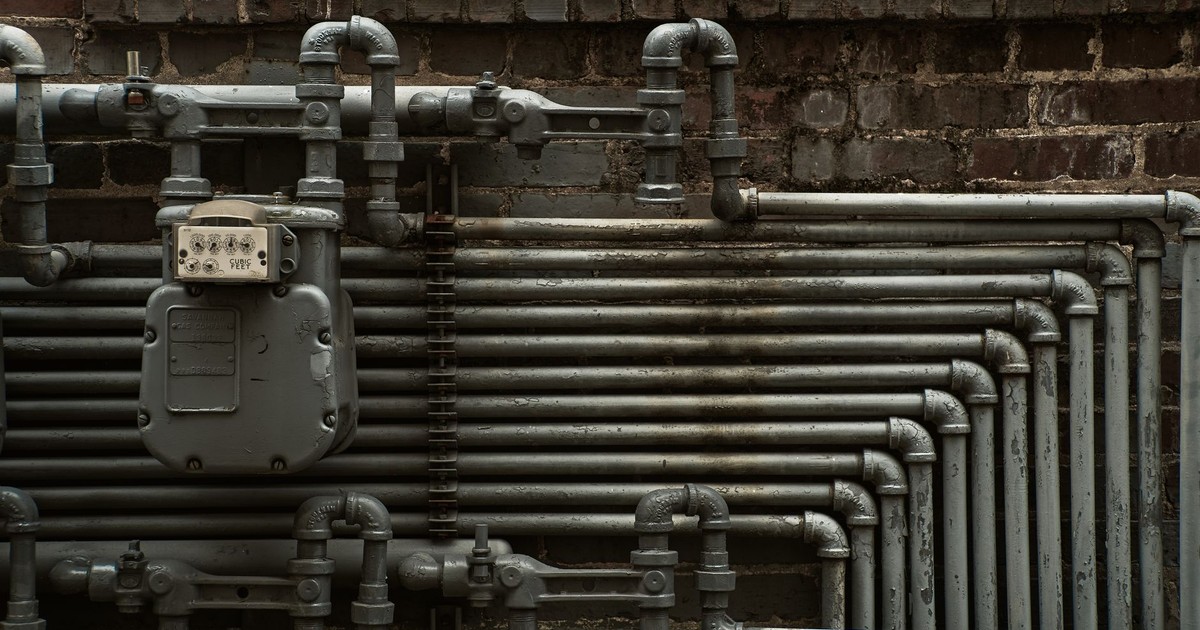
According to the EPA, lead in drinking water is most often caused by corrosion of plumbing materials rather than contamination at the water source itself. Your municipal water supply is treated and monitored. What happens after it leaves the treatment plant and starts traveling through the pipes in your walls is a different story entirely.
Homes built before 1986 are more likely to contain lead pipes, fixtures, or solder, though newer buildings are not entirely risk-free. Brass fittings, lead solder in copper joints, older fixtures in otherwise modern homes can all be sources. The pipes feeding your neighborhood may have been replaced decades ago, but the last few feet of plumbing inside your building may not have changed at all.
Hot water accelerates the process. Hot water pulls lead out of pipes, solder, and fixtures faster and more completely than cold water does, which means the water sitting in your hot water tank and traveling through heated pipes on its way to your stove is collecting more of whatever your plumbing contains along the way.
Boiling makes things worse rather than better. Even boiling hot tap water doesn’t remove the lead. Heat evaporates water. It does not evaporate dissolved metals. Reducing the volume of water through boiling increases the concentration of whatever contaminants were already in it.
Who Is Most at Risk
The EPA has set the maximum contaminant level goal for lead in drinking water at zero. Not at fifteen parts per billion, which is the level that triggers regulatory action. Zero.
No safe blood lead level has been identified for young children. Children’s developing brains absorb lead more readily than adult brains do, and the damage can be permanent. This is why hot tap water cooking is a particular concern for families with babies and young children.
Infants drinking powdered formula are among the highest-risk group. The volume of water they consume relative to their body weight is enormous, and formula preparation requires hot water for mixing. Infants who drink formula prepared with lead-contaminated tap water may be at a higher risk of exposure, and the large volume of water they consume relative to their body size increases that risk. The fix is to start with cold water and warm the formula afterward.
Lead is a toxic metal that builds up in the body with each exposure. One dinner’s worth of pasta water is unlikely to cause measurable harm in a healthy adult. Decades of filling pots from the hot tap in a house with lead solder and brass fittings is a different calculation.
The Other Problem in Your Hot Water Tank
Lead is the primary reason health authorities tell you to avoid hot tap water cooking, but it’s not the only one. Domestic hot water systems carry their own bacterial risk.
Legionella bacteria grow best between 77°F and 113°F (25°C and 45°C). That range maps almost exactly onto the temperature of lukewarm tap water. Most residential water heaters are set somewhere in that range by default, which means the tank itself can become a hospitable environment for bacterial growth.
The CDC recommends storing hot water at temperatures above 140°F (60°C) and ensuring hot water in circulation doesn’t fall below 120°F (49°C). Many household water heaters are set to 120°F as the default because it reduces scalding risk, but it also puts tank temperatures right at the lower edge of where Legionella becomes less of a problem. It’s a tradeoff most homeowners have never been told they’re making.
Hot water that has been sitting in a tank at suboptimal temperatures, particularly in older or infrequently used systems, carries a bacterial risk that cold water drawn fresh from the main doesn’t.
The New and Old House Problem
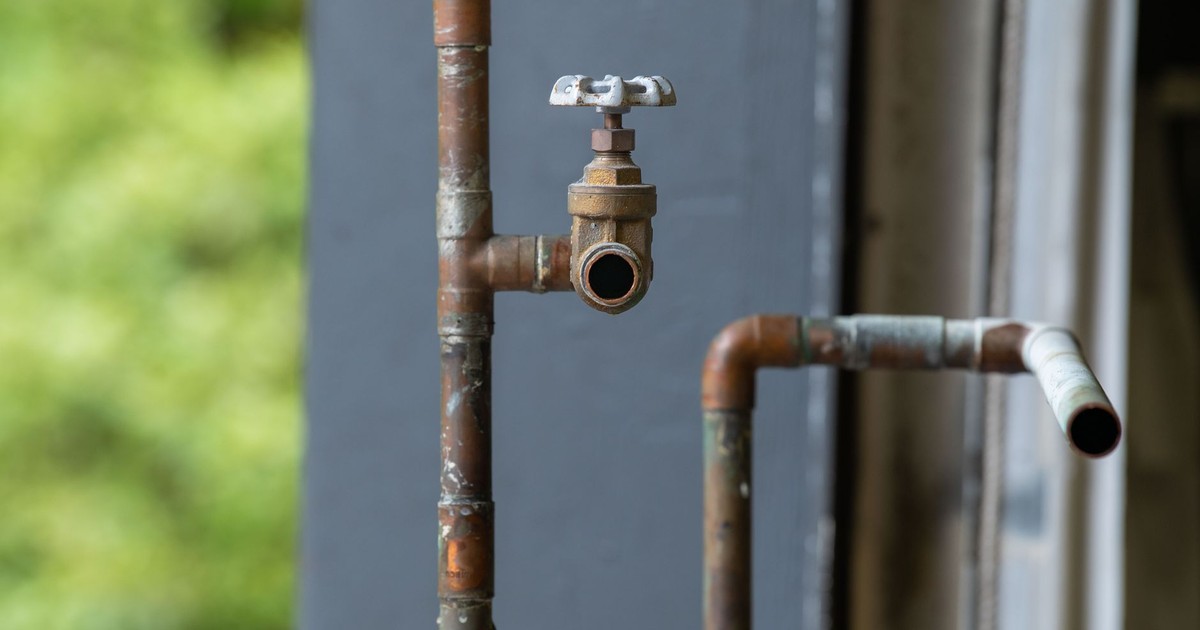
Under the updated Lead and Copper Rule, utilities are required to accelerate the replacement of lead service lines and take corrosion-control measures to keep metals from leaching into drinking water. Progress on replacing aging infrastructure is real and ongoing, but “ongoing” means there’s still a lot of old pipe in the ground right now, in 2026, running under homes and apartment buildings across the country.
There is no reliable way to look at a faucet and know what’s behind the wall. Even if you know your supply lines are not made of lead, experts still recommend using cold water for drinking, cooking, and baby formula, because there can still be lead in solder and faucets. Testing your tap water through a state-certified lab is the only way to know what’s actually coming out. Your water utility is also required to provide an annual consumer confidence report, which discloses what’s been found in your local supply.
What the Fix Actually Looks Like
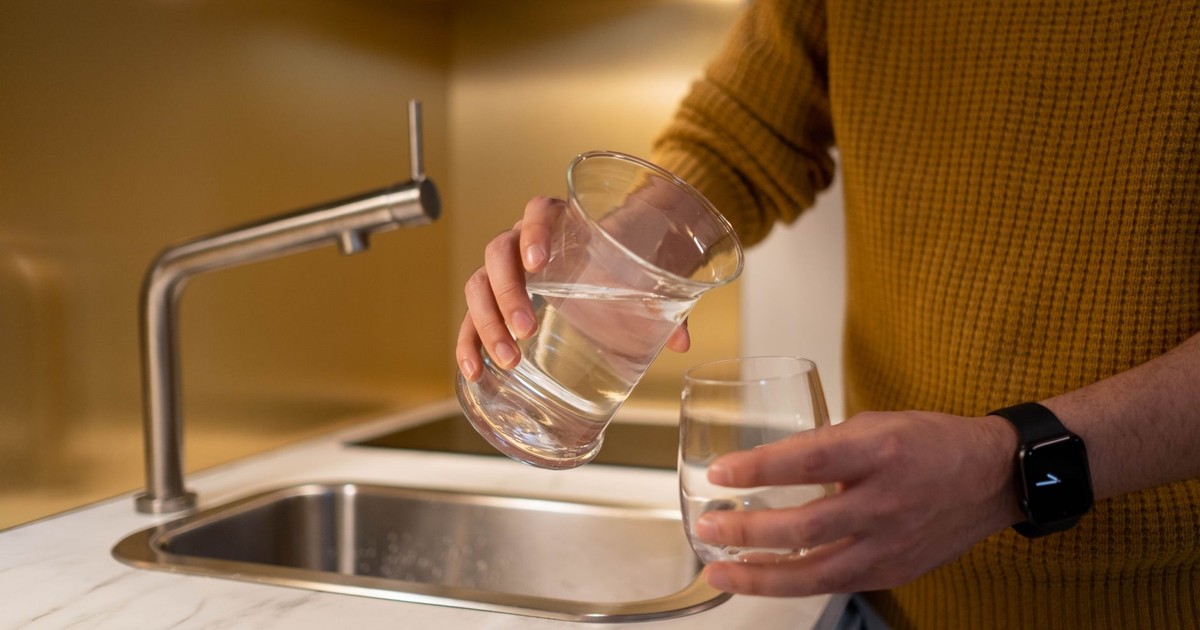
Start with cold water. Every time. For drinking, for cooking, for making tea, for filling the pasta pot, for mixing powdered formula. Draw it cold from the tap, then heat it yourself on the stove or in the kettle.
Run the cold tap for thirty to sixty seconds before drawing water for cooking or drinking, particularly first thing in the morning when water has been sitting in the pipes overnight. This flushes out whatever has been in contact with your plumbing while the house was quiet.
For households with infants, use cold tap water to prepare formula, then warm the bottle in a bowl of warm water or a bottle warmer after mixing. Hot tap water cooking, when a baby’s nutrition is what’s on the line, is not worth the convenience of saving thirty seconds.
An NSF 53-certified water filter is designed explicitly to reduce lead and is available at most hardware stores. Pitcher filters, faucet-mount filters, and under-sink systems all exist in this category. A filter rated for lead is different from a general-purpose water filter, so the certification number is worth checking before you buy. You can also find out whether your home was built before 1986 as a starting point.
The toxic kitchen items most people worry about tend to be the visible ones. The ones you can’t see, hear, or smell have a way of going unnoticed for a very long time.
What to Do With This

The core habit change costs nothing and takes no additional time once it becomes automatic. Fill the pot from the cold tap, put it on the stove, turn up the heat.
Most of us have been doing the other thing for years without anyone flagging it. It’s one of those household habits that gets inherited from whoever taught you to cook, who inherited it from someone else, and nobody in the chain thought to question the faucet handle they were reaching for. Hot water was faster. Hot water made sense. And because nothing bad happened in any obvious way, nobody changed course.
Lead accumulates slowly. So does the information that would make you stop. You have it now.
Disclaimer: This information is not intended to be a substitute for professional medical advice, diagnosis, or treatment and is for information only. Always seek the advice of your physician or another qualified health provider with any questions about your medical condition and/or current medication. Do not disregard professional medical advice or delay seeking advice or treatment because of something you have read here.
AI Disclaimer: This article was created with the assistance of AI tools and reviewed by a human editor.