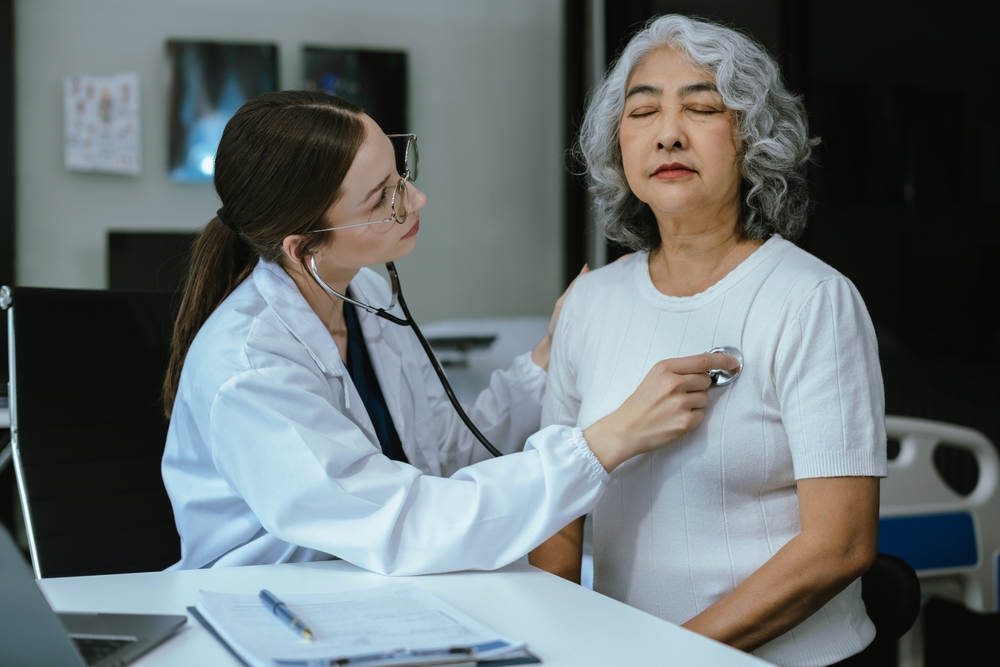

Heart disease is supposed to announce itself. That’s what we’ve been taught, or at least what we’ve absorbed from years of TV dramas where someone grabs their chest and collapses. The reality, for most women, is far more complicated and far quieter. Heart disease can sit inside the body for years without a single dramatic signal, building in the background while you schedule dentist appointments and remember everyone else’s follow-up care except your own. By the time something feels unmistakably wrong, the disease has often been there for a long time already.
That gap between what we picture and what’s actually happening inside us is exactly why cardiologists talk about vigilance the way they do. Not the kind of vigilance that turns every twinge into a catastrophe spiral at 2 a.m., but the steady, informed attention that recognizes when the body is sending a message in a language that doesn’t look like what you expected. For women especially, the messages tend to be different. Not subtle exactly, but different enough that they get filed under the wrong category. Indigestion. Stress. Getting older. Being out of shape. The story we tell ourselves about a symptom is often more dangerous than the symptom itself.
Understanding what cardiologists actually watch for in their own bodies, and why those specific signals matter, is a different kind of conversation than the usual list of risk factors. It’s not about checking boxes. It’s about knowing what deserves a phone call and what warrants a trip to the ER, and the difference between those two things is sometimes the difference between catching something and missing it entirely.
The Problem With “Silent”
Cardiovascular disease is the leading cause of death for women and their number one health risk overall. That fact has been circulating for decades, and yet the CDC reports only about 56 percent of US women recognize that heart disease is their number one killer. That awareness gap matters, because awareness is what drives people to take symptoms seriously, to show up for annual screenings, and to describe the strange burning sensation under their breastbone to their doctor instead of dismissing it as something they ate.
Part of what makes heart disease so genuinely tricky is that many of its most significant risk factors produce zero symptoms on their own. High blood pressure has no symptoms, which makes it critical to check regularly and report elevated readings to your health care team. Cholesterol builds up in the same silence. A person can carry significant risk factors for years without feeling anything at all, which is why regular screening catches things that symptoms never would.
According to the American Heart Association, even though heart disease is the number one killer of women in the US, women often chalk up the symptoms to less life-threatening conditions such as acid reflux, the flu, or normal aging. That tendency isn’t a character flaw. It’s a completely logical response to symptoms that genuinely do mimic those things. The problem is that for women, those symptoms sometimes aren’t what they appear to be.
What Shortness of Breath Is Actually Saying
Of all the warning signs that cardiologists pay close attention to, sudden or worsening shortness of breath with activity is one of the most important, and one of the most frequently explained away. Feeling winded on the stairs, while doing chores, or when lying flat can be a sign that the heart is not keeping up with the body’s demand for oxygen.
The word to track is “new.” Everyone gets a little winded after sprinting through a parking lot. What cardiologists pay attention to is a change, specifically when activities that used to feel easy now leave you breathless. Climbing the same flight of stairs you’ve climbed a thousand times. Walking to the mailbox. Getting through a yoga class you’ve been doing for years. When the body’s tolerance for activity decreases and there’s no obvious explanation for it, that change can indicate reduced blood flow to the heart.
When the heart can’t pump blood as well as it should, blood backs up in the veins that go from the lungs to the heart, and fluid leaks into the lungs, causing shortness of breath. This is a symptom of heart failure, a condition where the heart can no longer pump enough blood to support the rest of the body. The relationship between the lungs and the heart is intimate enough that what feels like a breathing problem is sometimes a heart problem wearing a disguise. Shortness of breath can also have lung and anxiety-related causes, so the pattern, triggers, and associated symptoms are what matter most.
One off-and-on experience of feeling winded is not the same as a consistent, progressive change in what your body can tolerate. The former might be nothing. The latter is a conversation that needs to happen with a doctor.
The Reflux That Isn’t Reflux
This is the one that gets missed most often, and for good reason. A burning sensation in the middle of the chest that appears after eating, while lying down, or during exertion sounds completely indistinguishable from garden-variety acid reflux. The body is not trying to confuse you. It’s using whatever language it has.
What cardiologists specifically watch for is mid-epigastric pain, meaning discomfort that sits right below the breastbone, in the upper middle area of the abdomen. What matters is persistence: when that burning, pressure, or ache doesn’t improve with antacids, doesn’t follow the typical pattern of reflux, or keeps returning without a clear digestive trigger, it deserves more investigation.
Uncomfortable pressure, squeezing, fullness, or pain in the center of the chest that lasts more than a few minutes, or goes away and comes back, is a recognized warning sign. Women in particular are more likely to have their cardiac symptoms attributed to gastrointestinal causes rather than cardiovascular ones. For cardiologists and patients alike, the instruction is the same: if a digestive-seeming symptom doesn’t respond to digestive treatments, take it to the next level of investigation.
Why Women’s Symptoms Get Misread
While chest pain remains the most common symptom across sexes, women are more likely to report additional or alternative features such as shortness of breath, nausea, back pain, or fatigue. Because medical education and public messaging have historically centered on male patterns of presentation, these symptoms may be mislabeled as anxiety, indigestion, or musculoskeletal pain.
Women often have less obvious symptoms such as nausea, shortness of breath, back and jaw discomfort, or overwhelming fatigue. Because these signs do not always announce themselves as a heart problem, women may wait longer to seek help. Waiting longer, in cardiac events, means worse outcomes. The window for effective intervention is not infinite.
Heart disease symptoms often present differently in women than in men, and because these symptoms are different, women may not recognize them as quickly or attribute them to something life-threatening, which can lead to delayed care. This is not a reason for panic. It is a reason for knowing specifically what to pay attention to, which is the entire point of cardiologists being transparent about their own monitoring habits. Knowledge is what bridges the gap between a symptom and the right response to it.
The Role of Annual Screening

A significant part of what makes heart disease manageable is catching risk factors before they become events. Blood pressure, cholesterol, and blood sugar levels are the numbers that tell the story before any symptoms appear, and none of them require waiting until something feels wrong. Regular screenings, with annual checkups that include monitoring of blood pressure, cholesterol, and blood sugar, give you and your doctor the information needed to act early.
The gynecologist’s office, the one appointment most women do manage to keep, is also an underused venue for cardiovascular monitoring. Bringing up family history, any complications from previous pregnancies, and current blood pressure readings at those visits costs nothing and surfaces information that might not otherwise come up until it’s more urgent.
Poor sleep has been linked to weight gain and high blood pressure, both of which raise the risk for heart disease, and seven to nine hours a night is considered optimal for heart health. Sleep is the one prevention tool that is also free, requires no equipment, and is depressingly easy to deprioritize. That it directly affects blood pressure and cardiovascular risk is one of those facts that should be better known than it apparently is.
What Goes on the Plate Matters
Eating for heart health doesn’t have to be complicated! Cardiologists often recommend the Mediterranean diet as the best choice for keeping your heart safe. A 2024 study in the European Journal of Clinical Nutrition found that sticking to this diet lowers the risk of heart failure, especially in women.
The Mediterranean diet isn’t a strict plan; it’s more about making smart choices. Focus on eating more vegetables, fish, whole grains, legumes, olive oil, and nuts, while cutting back on processed foods, red meat, and added sugars.
So, why does this diet work? It’s not just about adding more veggies. Inflammation plays a big role in heart disease, and many foods in the Mediterranean diet help fight it. Foods like fish, olive oil, leafy greens, and nuts have anti-inflammatory benefits, while processed foods often have the opposite effect.
What to Actually Do With This
The two warning signs described here, new or worsening shortness of breath with activities that used to feel manageable, and persistent chest or upper abdominal discomfort that doesn’t respond to antacids or come with a clear digestive trigger, are worth taking to a doctor. Not with panic, but with the kind of directness that says: here is what I’ve noticed, here is when it happens, here is how long it has been going on. That description, specific and time-stamped, is far more useful to a cardiologist than “I’ve been feeling a bit off.”
Heart disease can be prevented and treated, especially when caught early. Paying attention to the signs and getting evaluated when something feels off can shorten the time to diagnosis and treatment. When it comes to heart symptoms, getting checked and reassured is always better than waiting until the situation becomes an emergency.
The annual checkup, the blood pressure reading, the cholesterol number you’ve been meaning to follow up on, the shortness of breath that’s been happening on your morning walk for the past two months. None of these are small things to worry about later. They are exactly the things that cardiologists pay attention to in themselves, not because they’re alarmists, but because they know what can happen when those signals get filed under “probably nothing.” You deserve to give yourself the same attention.
The Thing Nobody Says Out Loud
There’s a version of this that feels almost insulting to spell out: you already know your body better than anyone else does. You’ve been listening to it, accommodating it, and sometimes ignoring it for decades. The problem isn’t that women don’t pay attention to themselves. It’s that the signals the body sends don’t always come in the form we’ve been taught to recognize, and the systems we turn to for help don’t always read them correctly either.
That history of misread symptoms and delayed diagnoses isn’t just a medical footnote. It’s a pattern that affects real decisions, including the decision to mention something to a doctor or stay quiet and see how it goes. Staying quiet is the default for a lot of women, not out of negligence but out of a long-trained habit of not wanting to make a fuss over something that might turn out to be nothing. The flaw in that logic is that “might be nothing” and “should be checked” are not mutually exclusive. They are, more often than not, exactly the same conversation.
AI Disclaimer: This article was created with the assistance of AI tools and reviewed by a human editor.