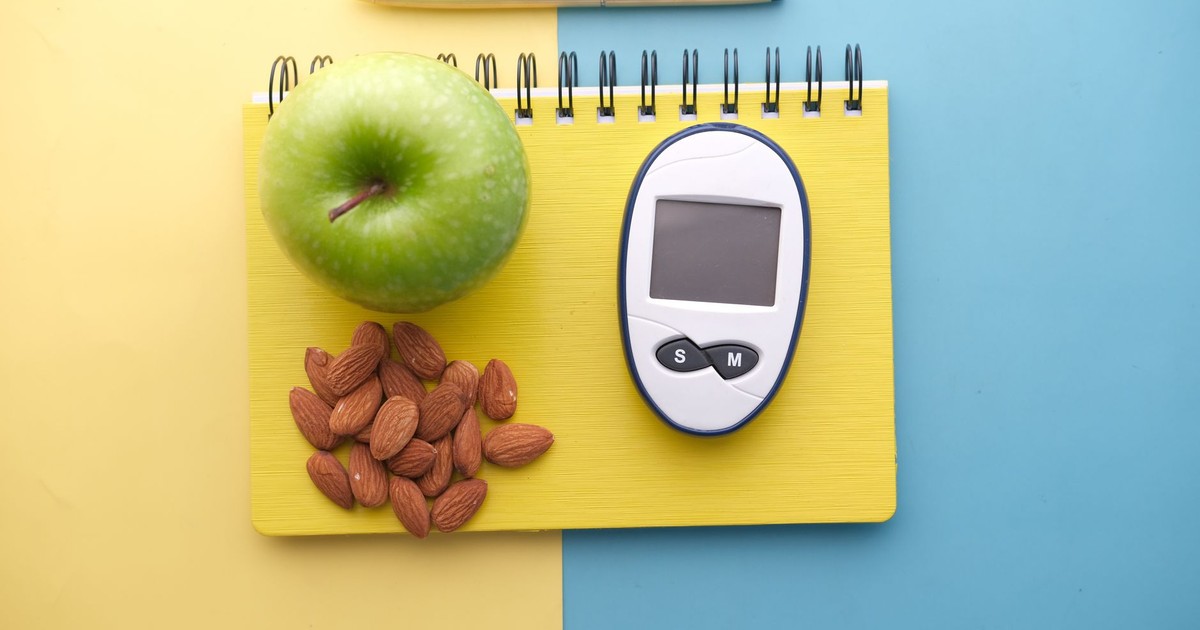

Most people who pay attention to their blood sugar think about what they eat at meals. They count the carbs in their lunch, pass on the office birthday cake, check the label on their pasta sauce. But the hours between dinner and sunrise are doing their own quiet negotiation with your metabolism, and what you eat right before bed can either help that process along or complicate everything you worked for during the day.
The problem isn’t that nighttime snacking is inherently bad. The problem is that most of the snacks people reach for at 9 p.m. are exactly the wrong ones: a bowl of cereal, a handful of crackers, a few spoonfuls of something sweet because the day was long and you’ve earned it. Snacking after your evening meal, especially on foods high in carbohydrates, may lead to elevated blood sugar levels the following morning. That morning reading that keeps surprising you? The answer might be what you ate while watching television the night before.
A well-chosen bedtime snack doesn’t just avoid the problem. It can act as a buffer against a blood sugar drop while you sleep, and the 2025 American Diabetes Association Standards of Care specifically mention bedtime snacks as a nutrition strategy for preventing overnight hypoglycemia in people who need it. Here are four options that doctors and registered dietitians consistently recommend.
1. Plain Greek Yogurt With Berries
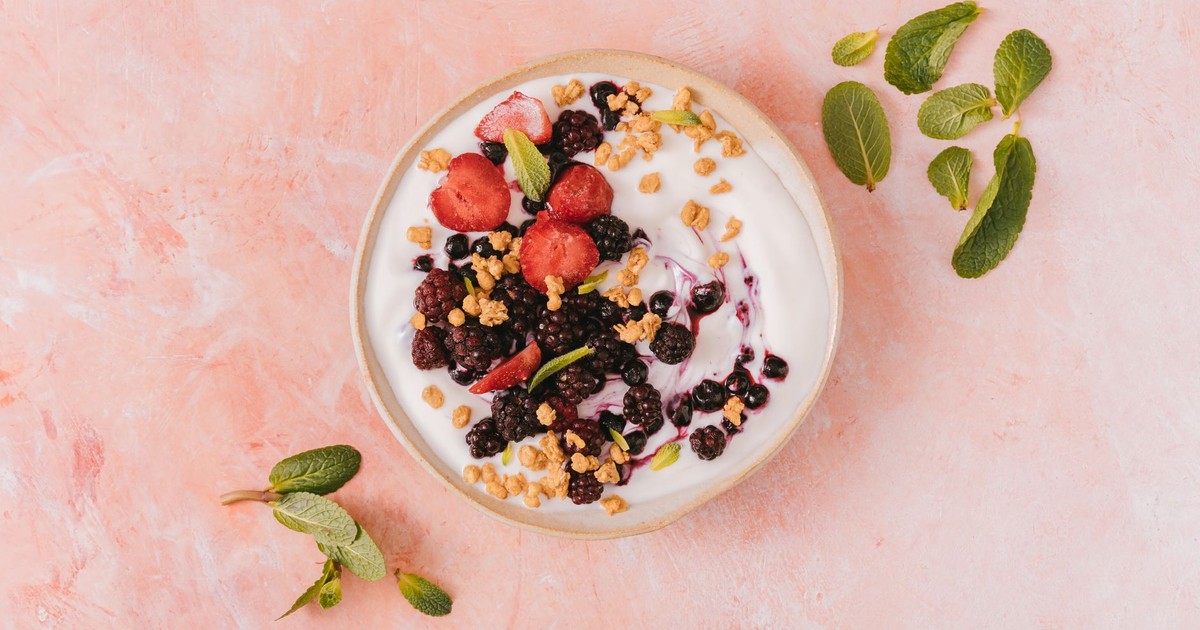
Half a cup of plain, low-fat Greek yogurt is packed with protein and probiotics, and it contains roughly twice the protein of regular yogurt with about half the carbs. That protein-to-carb ratio is the whole point. When your body has a reliable source of protein to work with overnight, it doesn’t have to scramble for fuel in ways that send glucose spiking.
The berries aren’t just garnish. Topping Greek yogurt with berries adds fiber and can reduce a rise in blood sugar after eating. Blueberries, raspberries, and strawberries all have a low glycemic index, meaning they release their natural sugars into the bloodstream gradually rather than in one fast rush. Combine that with the slowing effect of yogurt’s protein, and you’ve got a snack that earns its place on the nightstand table.
One thing to watch: flavored Greek yogurts are often loaded with added sugar, which defeats the entire purpose. Plain is the move. If it needs sweetness, let the berries do that work. A handful of walnuts or slivered almonds on top adds healthy fat and extends that feeling of fullness through the night.
The Mayo Clinic advises that if you’re still hungry after dinner, a low-carbohydrate, low-calorie snack high in protein or fiber is the right call. This isn’t a complicated formula. It’s just choosing something that works with your body’s overnight chemistry instead of against it.
2. Pistachios
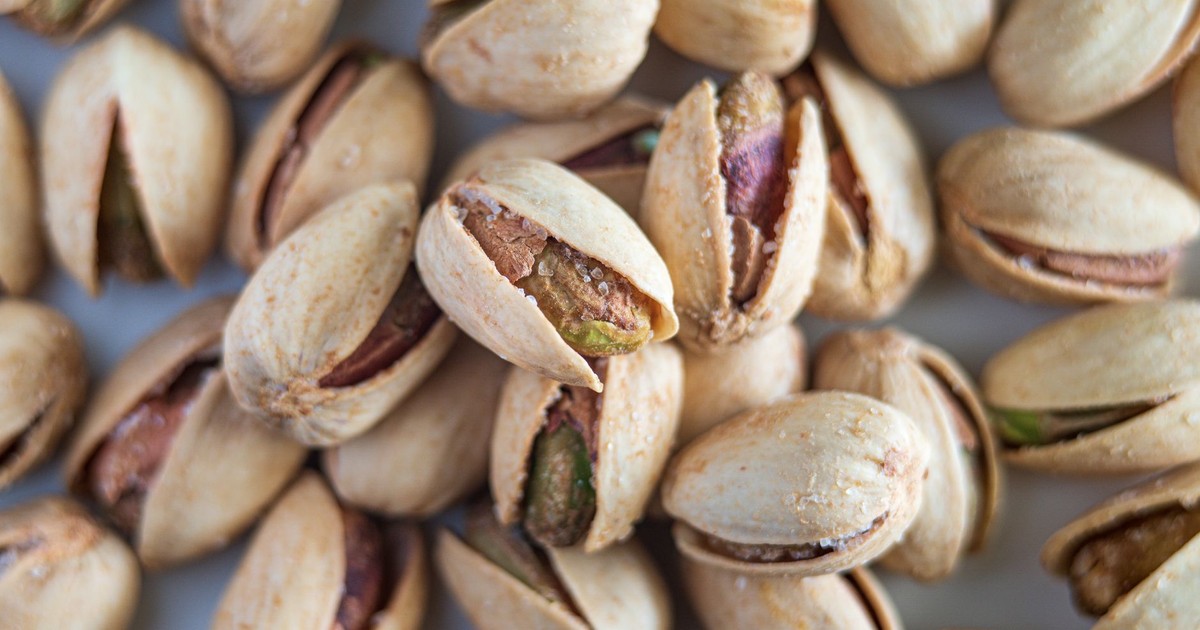
Published findings from Penn State suggested that replacing a traditional carbohydrate-based bedtime snack with pistachios may reshape the gut microbiome. The gut microbiome plays a direct role in glucose regulation and insulin sensitivity.
The study involved 51 adults with prediabetes and was conducted over two 12-week periods. The 12-week clinical trial found that pistachio consumption increased beneficial gut microbes like Roseburia and reduced harmful ones such as Blautia hydrogenotrophica. Blautia hydrogenotrophica is a bacterium linked to compounds that can build up in the blood and burden kidney and heart function.
A previous study by the same Penn State researchers demonstrated that pistachios have a similar effect on blood glucose as 15 to 30 grams of carbohydrates. A common dietary recommendation for individuals with prediabetes is to consume a nighttime snack consisting of exactly that carbohydrate range to help regulate overnight and morning blood glucose levels. In other words, pistachios do the job that the standard carb-based bedtime snack was designed to do. They deliver protein, healthy fat, and fiber in one crunchy handful.
A standard one-ounce serving is about 49 kernels. Go for unsalted or lightly salted, skip the flavored varieties with added coatings, and eat them about an hour before bed. Participants ate two ounces of pistachios nightly for each 12-week period. That’s roughly a small handful from a bag, and it’s not a difficult habit to build.
3. Apple Slices With Nut Butter
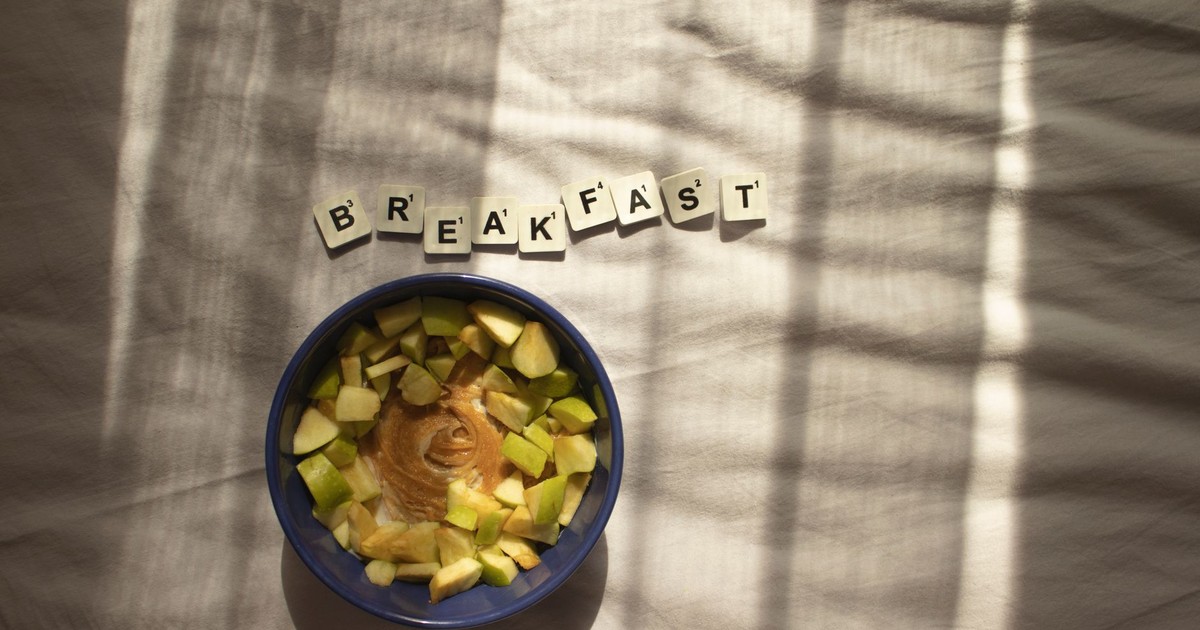
Peanut butter is rich in protein, fiber, and healthful fats. Fat and protein both slow the rate at which carbohydrates from the apple enter your bloodstream.
The apple brings fiber, including pectin, a soluble fiber that slows glucose absorption. The glycemic index of a whole apple is considerably lower than that of apple juice. The fiber in the skin and flesh is doing active work, and it’s why an actual apple is a fundamentally different thing for your blood sugar than the same sugars in liquid form.
Snacks should always include protein, a little healthy fat, and fiber. All three nutrients will slow digestion, satisfy hunger longer, and help prevent sugar spikes. Apple and nut butter covers all three. The practical note: not all nut butters are created equal. Many commercial peanut butters contain added sugar and hydrogenated oils that undercut the benefit. Read the label. The ideal version has one ingredient. The second-best version has two: peanuts and salt.
Almond butter works just as well and has a slightly higher fiber content. Sunflower seed butter is a solid option for anyone with a tree nut allergy. The format matters less than the principle: a slow-burning carbohydrate paired with fat and protein, eaten an hour or so before sleep, gives your body something to work with through the night without flooding the system with glucose all at once.
4. Hard-Boiled Eggs
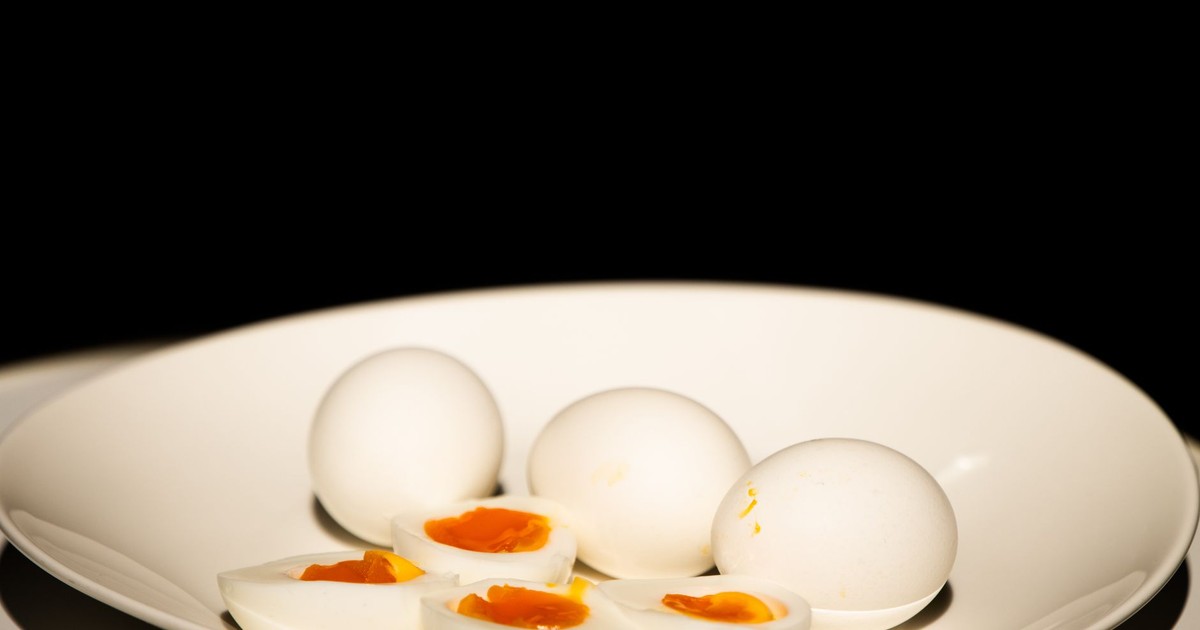
A single large egg contains about six grams of protein and five grams of fat, with essentially no carbohydrates, which means they have virtually no direct impact on blood glucose at all.
A systematic review in the American Journal of Clinical Nutrition specifically evaluated the evidence on bedtime snacks for people with type 2 diabetes, examining whether consuming a bedtime snack improves fasting hyperglycemia and overall glycemic control. The review found the existing evidence insufficient to determine an optimal bedtime snack composition, and no consistent benefit to bedtime snacking was established across the studies examined. Hard-boiled eggs remain a practical choice within the broader principle of a low-carbohydrate, high-protein nighttime snack.
You can boil a batch of six eggs on a Sunday and have a ready answer to the 9 p.m. hunger question for the whole week. They travel well, they require no dishes, and they’re filling enough that one or two genuinely satisfies. An egg, eaten slowly, tends to close the kitchen down.
A hard-boiled egg is specifically listed by the Mayo Clinic as one of its recommended late-night snack options for people managing diabetes. Pair one with a few cherry tomatoes or a small handful of nuts if you want something more substantial. The goal is enough food to stop the hunger signal, not enough to restart your metabolism like it’s 7 a.m.
Read More: 11 of The Unhealthiest Cereals on Grocery Store Shelves
What All Four of These Have in Common
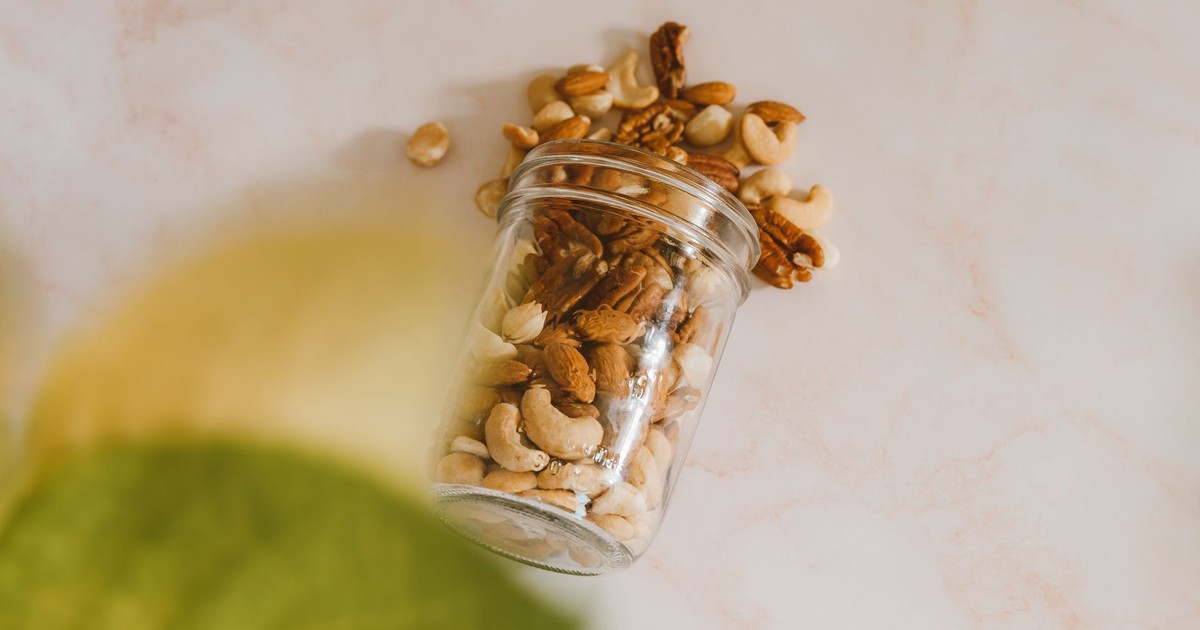
The thread running through every option on this list is the same: protein, fiber, and healthy fat, in a combination that slows digestion and releases energy gradually rather than all at once. The science consistently points to snacks that combine 15 to 30 grams of complex carbohydrates with adequate protein and fiber, eaten one to two hours before bed. When one of those components is missing, you get the spike-and-crash pattern that makes morning readings so frustrating.
People can tailor their snacking based on their weight goals and how their body responds to sugar overnight, and a dietitian can help determine the best snacks based on how the body handles the dawn phenomenon and other overnight glucose fluctuations. The dawn phenomenon, that early-morning surge in blood sugar that happens as your body gears up for the day, affects everyone differently. Some people manage it well with a protein-heavy snack; others need a small amount of complex carbohydrate alongside it.
None of this requires a dramatic overhaul of how you live your evenings. It requires one small swap: instead of reaching for whatever is easiest, reaching for one of these four things instead. The body does a lot of its maintenance work while you sleep. Giving it the right raw materials costs almost nothing.
Disclaimer: This information is not intended to be a substitute for professional medical advice, diagnosis, or treatment and is for information only. Always seek the advice of your physician or another qualified health provider with any questions about your medical condition and/or current medication. Do not disregard professional medical advice or delay seeking advice or treatment because of something you have read here.
AI Disclaimer: This article was created with the assistance of AI tools and reviewed by a human editor.