
Something changed in your body in your 40s, and it is not subtle. The pants that fit perfectly at 38 are suddenly unreliable. You haven’t changed your eating habits in any meaningful way, but the scale tells a different story. You’re exercising. You’re not eating badly. And yet. This is one of the most common and least satisfying experiences of midlife, and the reason it happens has nothing to do with willpower or discipline.
For women in their 40s, a decrease in the production of estrogen and progesterone contributes to weight gain, in part because estrogen helps regulate body weight by affecting fat storage and metabolism. At the same time, muscle mass naturally declines with age, and when your metabolism slows as a result, your body simply burns fewer calories at rest. The rules you played by in your 30s no longer apply, and following the same playbook harder makes you tired.
Weight loss after 40 is not impossible. It just requires a different strategy, one built around what’s actually happening in your body rather than advice written for someone 15 years younger. The ten tips below are grounded in current research, not nostalgia for the metabolism you used to have.
1. Prioritize Protein at Every Meal
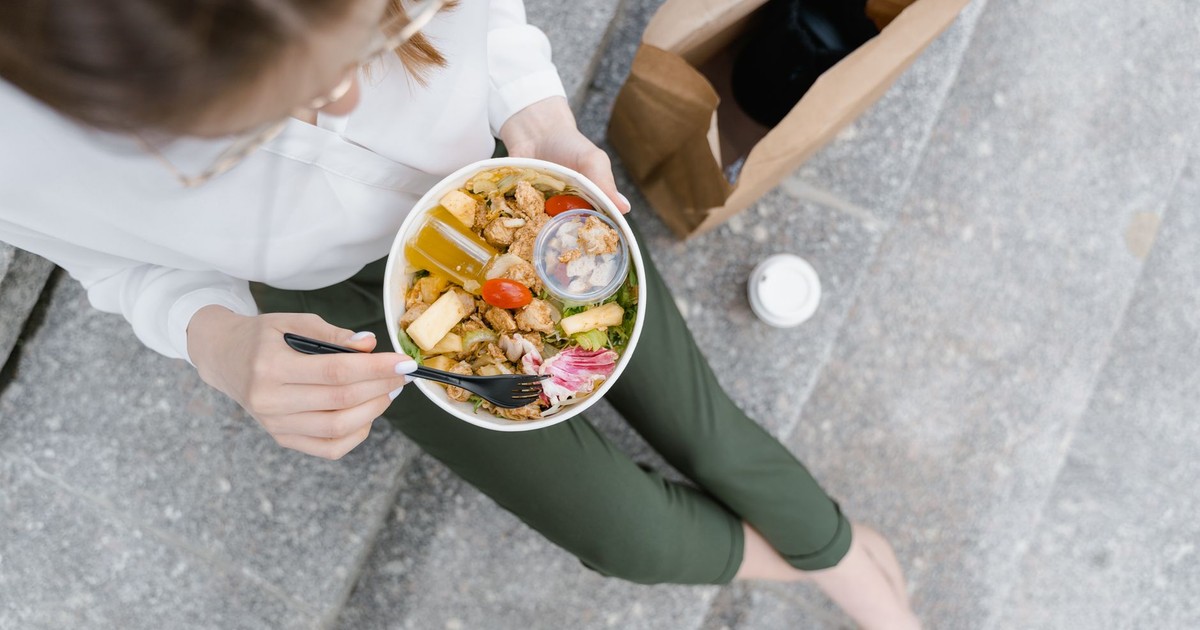
The Dietary Guidelines for Americans 2025-2030, released in January 2026, set a protein target of 1.2 to 1.6 grams per kilogram of body weight per day, which for a 150-pound woman translates to roughly 81 to 108 grams of protein daily.
Protein does more than build muscle. It keeps you full, reduces the chance of muscle loss during a calorie deficit, and requires more energy to digest than either fat or carbohydrates. Research suggests that distributing protein throughout the day, aiming for 20 to 30 grams per meal plus a protein-rich snack, optimizes muscle protein synthesis and metabolic function.
In practical terms, protein is not an afterthought you sprinkle on top of a meal. It’s the anchor. Eggs at breakfast, Greek yogurt as a snack, a palm-sized piece of fish or chicken or legumes at lunch and dinner. If you find yourself eating mostly grains and vegetables with protein as a side note, that ratio is worth reversing.
2. Make Strength Training Non-Negotiable
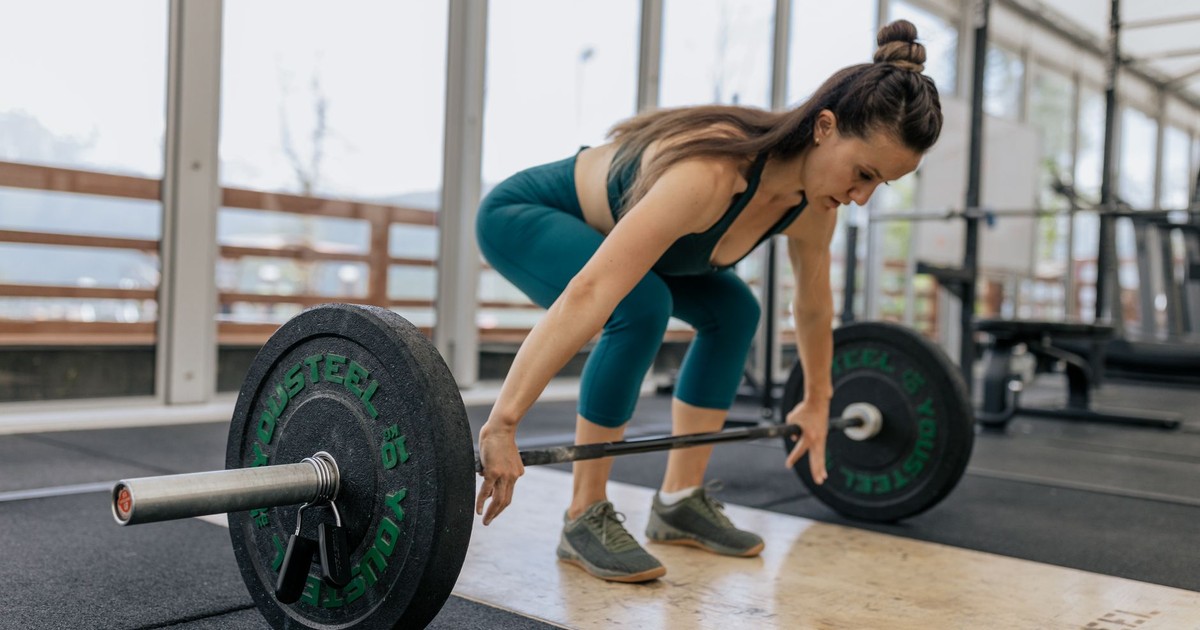
Strength training is a direct tool for preserving the muscle mass that keeps your metabolism functional as you age. A 2025 study published in Frontiers in Endocrinology found that resistance training effectively preserves fat-free mass during weight loss, with the weight lost among resistance-training participants attributed specifically to fat rather than muscle.
After 40, muscle mass naturally declines with age. Muscle tissue burns more calories at rest than fat tissue does, so every pound of muscle you preserve or add is a small permanent boost to your resting metabolic rate. Cardio burns calories during the session. Strength training changes what your body does between sessions.
You do not need to train like an athlete. Two to three sessions per week of compound movements (squats, deadlifts, rows, presses) done consistently, with progressive overload, is enough to make a measurable difference. The goal is not to get bulky, a concern so persistently untrue it barely deserves airtime. The goal is to preserve the muscle that keeps your metabolism from stalling entirely.
3. Understand What Estrogen Is Actually Doing
Most of the metabolic chaos of your 40s can be traced back to one hormone. According to familydoctor.org, during perimenopause, the amount of estrogen your body makes declines significantly, driving many of the common symptoms including hot flashes, irregular periods, and difficulty sleeping, as well as an increased risk of higher blood sugar, blood pressure, and cholesterol levels.
After 40, dropping estrogen levels cause insulin to rise, and thyroid levels to go down. This combination makes you hungrier, so you end up eating more and burning fewer calories. Much of the resulting weight accumulates around the belly. That move from fat distributed on the hips and thighs to fat deposited around the midsection is not cosmetic. Abdominal fat carries a higher metabolic risk than peripheral fat and is linked to cardiovascular disease, insulin resistance, and inflammation.
The goal of weight loss after 40 is to work specifically against the hormonal changes that are actively altering how your body stores energy, responds to food, and builds or loses muscle. Everything else on this list flows from that.
4. Fix the Sleep Problem First

Sleep is not recovery time. For your body’s fat regulation, it’s an active metabolic process, and disrupting it consistently is one of the most efficient ways to make weight loss nearly impossible. Poor sleep is a dealbreaker for weight loss, and women in perimenopause often struggle with insomnia due to night sweats and hormonal fluctuations.
A 2022 study in Nutrients found that sleep deprivation interferes with both weight loss and weight loss maintenance. Disrupted sleep elevates cortisol levels and drives appetite toward high-carbohydrate foods for quick energy, creating a cascade of hormonal effects that make a calorie deficit extremely difficult to maintain even when you’re trying.
For women in perimenopause, sleep disruption is often driven by night sweats and hormonal fluctuations rather than lifestyle habits. It is still worth keeping the bedroom cool, eating your last meal at least two to three hours before sleeping, and speaking with a doctor about whether hormonal or non-hormonal management options make sense for you.
5. Cut Back on Added Sugar, Not All Carbs
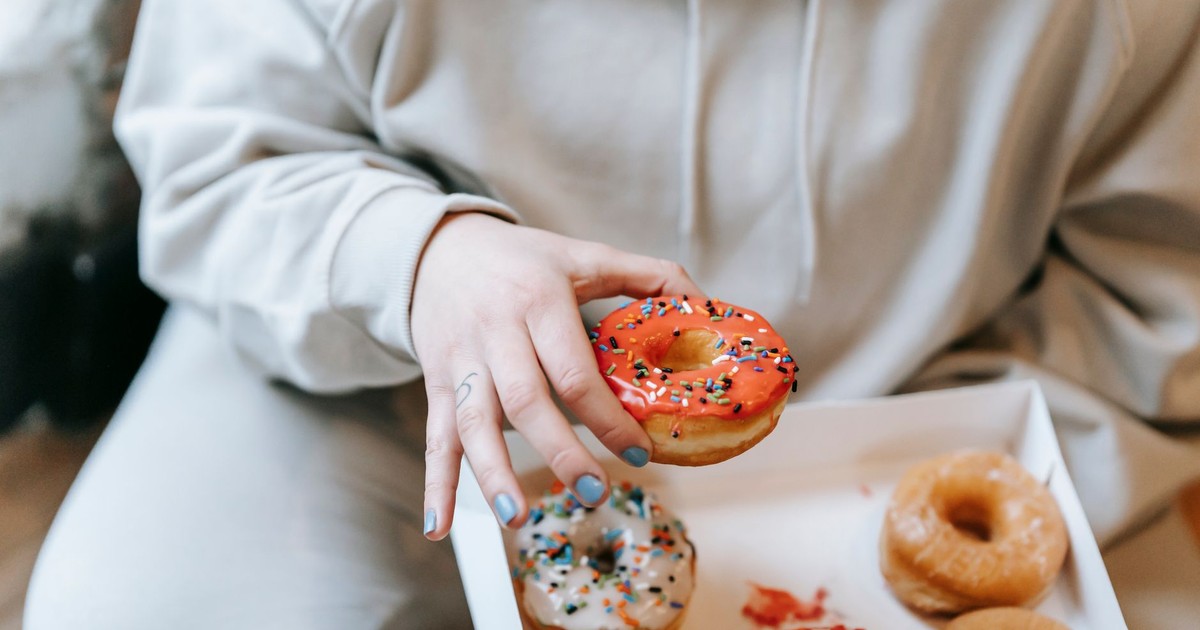
Carbohydrates are not the enemy of weight loss after 40. Added sugar is a different conversation. A 2024 study in JAMA Network Open found that higher added sugar intake was associated with an older biological age in mid-life women, meaning sugar appears to accelerate the rate at which cells and organs age at the epigenetic level.
Lumping all carbohydrates together leads women to cut fiber-rich whole grains, legumes, and fruit (foods that support gut health, blood sugar stability, and satiety) while sometimes still eating processed “low-carb” foods that are not particularly helpful. Foods high in fiber, such as berries, whole grains, and nuts, fill you up and help you eat less, and aiming for 25 grams of fiber each day after 40 is a reasonable target.
Added sugar specifically (the kind in sweetened drinks, flavored yogurts, packaged snacks, sauces, and most ultra-processed foods) spikes insulin quickly and contributes to the blood sugar instability that makes weight management harder as estrogen declines. Reading ingredient labels for cane sugar, high-fructose corn syrup, dextrose, and similar names is a more targeted and sustainable approach than eliminating carbohydrates wholesale.
6. Stop Under-Eating

Eating too little is one of the most common reasons weight loss stalls after 40. Severe calorie restriction triggers the body’s conservation response: metabolism slows, muscle breaks down for fuel, and your body becomes more efficient at extracting energy from whatever it does receive. The scale might move briefly, then stop.
Crash diets cause muscle loss in addition to fat loss. And losing muscle at 40 is expensive in a way it wasn’t at 25, because muscle is harder to rebuild as you age and every pound of it you lose makes future weight management more difficult.
A moderate calorie deficit (around 300 to 500 calories below maintenance) gives your body enough fuel to support muscle, training, and hormonal function while still creating conditions for fat loss. Eating enough protein within that deficit is what protects the muscle. Under-eating protein and calories simultaneously is how you lose weight in ways that don’t actually improve your body composition.
7. Get Honest About Stress and Cortisol

Chronic stress is a weight management problem, not just an emotional one. When you’re stressed, your adrenal glands release cortisol, and cortisol in sustained high amounts signals the body to store fat (particularly around the abdomen), raise blood sugar, and break down muscle tissue. Managing stress is, metabolically speaking, part of the weight loss plan.
Changes in hormonal balance, chronological aging, decline in physical activity, and recurrent emotional eating episodes associated with psychological distress all contribute to increases in total body fat and waist circumference during midlife. The emotional eating component often gets treated as a character flaw rather than a physiological stress response. Cortisol drives appetite toward calorie-dense, high-sugar, high-fat foods as a survival mechanism. Knowing that doesn’t make the craving disappear, but it does reframe where the problem actually lives.
Practical stress management does not have to mean meditation retreats. It can be a ten-minute walk after dinner, a boundary around checking email before 8 a.m., or a single conversation that has been overdue for months. Sleep is also one of the most effective cortisol regulators available.
8. Rethink Cardio, Add HIIT

Long cardio sessions at a comfortable pace have their place, but if weight loss after 40 is the goal, they shouldn’t be your only tool. High-intensity interval training (HIIT) involves alternating short bursts of high-effort exercise with recovery periods and has strong evidence behind it for fat reduction, including the documented metabolic boost that continues after the session ends. Your body burns more calories in the hours following a HIIT workout than it would after a same-length walk on the treadmill.
HIIT involves something like 30 seconds of hard effort followed by 90 seconds of easier movement, repeated for 15 to 20 minutes. It doesn’t require a gym or special equipment. For women new to higher-intensity exercise or who have joint considerations, starting with a modified version (cycling, swimming, or low-impact interval work) is perfectly effective and produces similar metabolic benefits.
Two HIIT sessions per week, paired with the strength training from tip two and a few easier movement days, covers a lot of metabolic ground without requiring hours at the gym.
9. Hydrate More Deliberately

Hydration tends to get filed in the “obviously, yes” category and then promptly ignored. Water intake has a direct, documented relationship with weight management, and after 40, when hormonal changes affecting thirst regulation can make you less reliably aware of mild dehydration, drinking deliberately is worth building into the day.
Adequate hydration supports kidney function, which is relevant because the kidneys handle fluid that the body would otherwise task the liver with processing. When the liver is picking up kidney slack, it does less of its primary job, which includes metabolizing stored fat. Separately, mild dehydration is often misread as hunger, which adds unnecessary calories to the day in a way that’s easy to avoid. A large glass of water before a meal consistently reduces meal size in studies on appetite regulation.
The practical version of this tip: carry a water bottle, fill it a few times a day, drink something other than coffee in the first hour after waking, and try to have a glass of water before each meal. If plain water is genuinely unappealing, sparkling water, herbal tea, or water with a slice of lemon or cucumber all count. The goal is consistent baseline hydration, not athletic-level intake.
10. Track Body Composition, Not Just Weight

The number on the scale is one of the least informative metrics available for understanding what’s actually happening in your body after 40. You can lose fat, gain muscle, and see the scale stay exactly the same (or go up slightly) while your health and body composition improve measurably. Treating the scale as the primary measure of progress causes a lot of unnecessary frustration and leads people to abandon approaches that are actually working.
Measuring body composition regularly (such as through a DEXA scan every few months) can verify whether you’re losing fat versus muscle, and testing your metabolic rate allows you to fine-tune calorie targets as your body changes. These tools are more available than they used to be, but they’re not the only option. Waist circumference measurement, how clothes fit, strength progress in the gym, and energy levels throughout the day are all more informative than a single number on a bathroom scale. Tracking waist circumference biweekly is a practical way to monitor visceral fat changes without expensive equipment.
The goal of weight loss after 40 is not to return to a number you weighed at 32. It’s to build and maintain a body composition that supports your health, energy, and strength through the decades ahead. Those are related goals but they’re not identical, and conflating them makes the whole project harder than it needs to be.
Read More: Retatrutide Trial Results: Most People Lost an Average of 85 Lbs
The Part Nobody Warns You About

Nobody tells you that the most frustrating thing about weight loss after 40 isn’t the difficulty. It’s doing everything right and seeing results that are slower, smaller, and less predictable than they used to be. You follow the plan, you lift the weights, you go to bed at 10 p.m. like a person who has given up on having a personality, and the progress is still incremental in a way that feels like an insult.
That is not failure. That is biology. Research published in PMC on estrogen and metabolism confirms that menopause-related weight gain is a consequence of low circulating estrogen levels and progressive loss of ovarian function, compounded by chronological aging, declining physical activity, and the dietary and emotional patterns that midlife tends to bring with it. Working against that biology takes longer and requires more deliberate strategy than it used to.
The strategies in this list are not magic. They are what the current evidence actually supports, applied consistently to a body that is doing something genuinely different than it was doing ten years ago. Some of the changes you make will take months to register on any metric you can measure. That is not a reason to stop. It is just an accurate description of the timeline you are actually working with.
Disclaimer: This information is not intended to be a substitute for professional medical advice, diagnosis, or treatment and is for information only. Always seek the advice of your physician or another qualified health provider with any questions about your medical condition and/or current medication. Do not disregard professional medical advice or delay seeking advice or treatment because of something you have read here.
AI Disclaimer: This article was created with the assistance of AI tools and reviewed by a human editor.