

Most conversations about moving abroad start with arithmetic. A rent increase, an insurance renewal, a grocery receipt that makes no sense compared to five years ago. Someone runs the numbers and realizes that for the price of a two-bedroom apartment in a mid-sized American city, they could have a three-bedroom place with a housekeeper, eat out four nights a week, and still save money. That arithmetic is pushing a growing number of people onto planes: retirees, remote workers, burned-out professionals.
These ten affordable expat destinations offer real infrastructure, real healthcare, and real communities of people who made the same call and stayed. The tradeoffs are real too: language barriers, bureaucracy, unfamiliar systems. But for the right person, the math and the lifestyle are hard to argue with.
These destinations consistently rank among the most practical choices for English-speaking expats in 2026, based on current cost-of-living data, visa accessibility, healthcare quality, and sustainable daily life.
1. Mexico
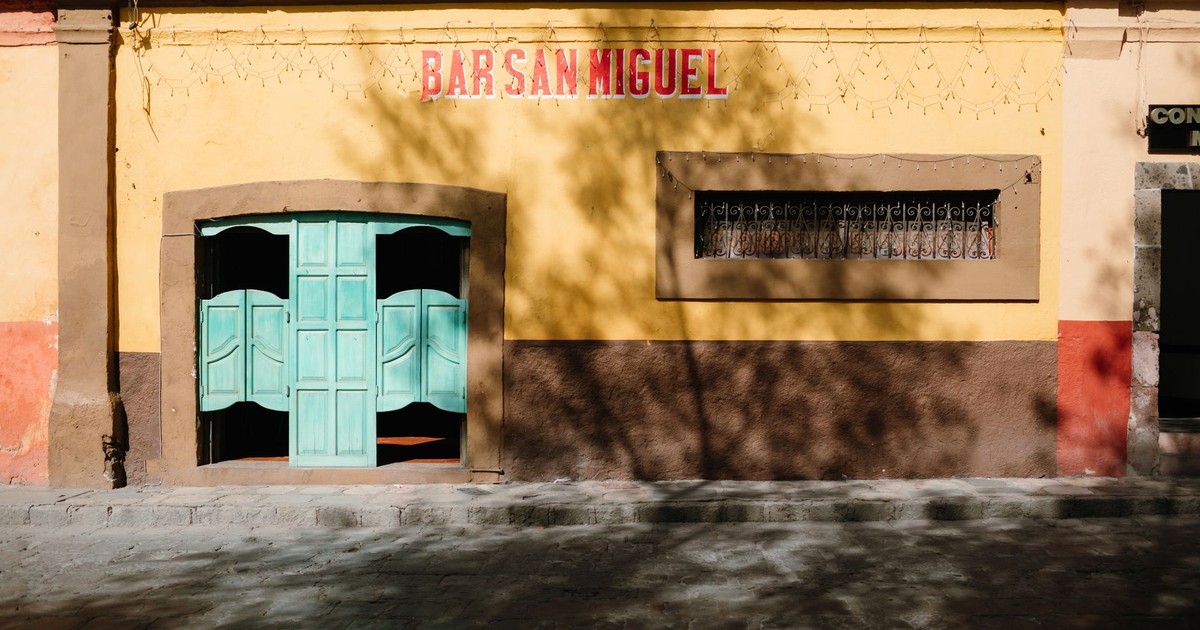
Image Credit: Pexels
Mexico is the top destination for American expats, with hubs in Mexico City, Oaxaca, Merida, Guanajuato, and Lake Chapala, each offering distinct lifestyles at varying price points. Mexico City has world-class food, culture, and coworking spaces, with apartments available at $400-$700 per month in popular neighborhoods like Roma and Condesa. Smaller cities like Oaxaca and Merida can be 30-40% cheaper still.
Private care is widely available in major cities. According to a 2026 guide, GP consultations in Mexico City run $30-$80 and specialist visits $50-$150, at costs 50-70% lower than comparable US care. Walk-in pharmacy clinics handle minor infections and prescriptions for a few dollars. Mexico allows visa-free stays of up to 180 days for most Western citizens, and the Temporary Resident visa, valid for one to four years, requires proof of income around $4,300-$4,500 per month or approximately $73,000 in savings.
The US dollar has weakened against some currencies in 2026, but Mexico remains strong value for longer-term residents. Rents have gone up in high-demand areas like the best neighborhoods in Mexico City and the center of San Miguel de Allende, but in other cities they’ve actually dropped or plateaued in dollar terms. The income requirement for foreigners is tied to the Mexican UMA index, which keeps rising, meaning Mexico is no longer an easy option for legal residency if you’re not a high earner or don’t have significant savings.
2. Portugal

Portugal ranks among the safest countries in the world. English is widely spoken in cities, the culture is famously warm and welcoming, the food is excellent, the weather is mild, and the pace of life gives you room to breathe.
Costs vary sharply by location. Lisbon and Porto are pricier than the rest of the country, with rent for a one-bedroom in the city center running roughly $1,200-$1,800 per month. Smaller coastal towns and the Alentejo region can cut that in half. For anyone drawn to a slower pace and lower bills, the interior of Portugal ranks among the best-value places to live in all of Europe. Private health insurance is available and affordable by US standards.
Portugal offers several visa pathways for non-EU nationals, including a Digital Nomad Visa and a Passive Income Visa for those with investment income or pensions. The country’s residency-to-citizenship pathway is among the most established in Europe. For anyone with Sephardic Jewish heritage, Portugal has expanded its citizenship laws to accommodate those who can prove descent from Jews expelled during the Inquisition.
3. Colombia
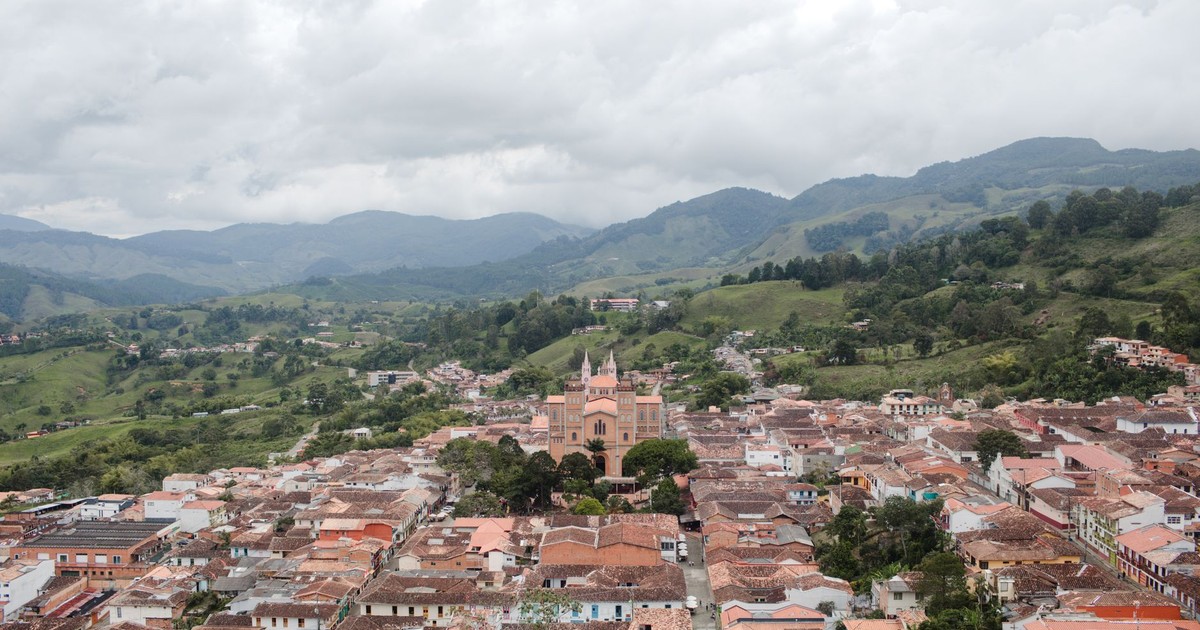
Colombia offers living costs of $1,200-$2,000 per month for a comfortable lifestyle, a healthcare system ranked 22nd globally by the WHO, ahead of the United States, Canada, and Australia, and year-round spring-like weather in cities like Medellin.
Medellin sits in a rare sweet spot for remote workers: a city large enough to feel dynamic, but still affordable enough to live well without constant trade-offs. You can rent a furnished apartment with a view, eat out regularly, and rely on solid infrastructure, all without the price pressure you’d feel in places like Mexico City or Panama City. A typical comida corriente lunch runs $3-$6 in most neighborhoods, while casual dinners land in the $8-$15 range.
Colombia’s Digital Nomad Visa is designed specifically for remote workers, freelancers, and entrepreneurs earning income from foreign sources, is valid for up to two years, and requires applicants to demonstrate a stable monthly income of approximately $1,435 as of 2026. Spanish is essential outside upscale urban neighborhoods, and safety remains a real consideration. Petty crime is common in all major cities, and the US State Department maintains a Level 3 advisory. Neither of those facts should be dismissed, but neither should they be overweighted by anyone who’s spent time in a major Latin American city before.
4. Thailand

Image Credit: Pexels
Thailand offers genuinely low costs, world-class food, excellent private healthcare, and a warm climate that doesn’t require the trade-offs you’d accept in cheaper but harsher climates.
Costs depend entirely on where you land. Bangkok runs about 15-20% higher across the board than other Thai cities. Chiang Mai, in the north, offers a more relaxed lifestyle for closer to $1,700 a month for a couple. Island destinations like Phuket or Koh Samui hit around $2,500, while more adventurous expats can live comfortably for under $2,000 in places like Chiang Rai or on smaller islands like Koh Phangan and Koh Chang.
Open-air markets offer fresh produce and local food at prices well below what Western shoppers are used to. Private hospitals in Bangkok and Chiang Mai are internationally accredited, and specialist consultations at private clinics typically run $43-$86, a fraction of comparable US costs. Thailand introduced a Long-Term Resident visa in recent years, offering up to 10-year stays for retirees, remote workers, and high-potential professionals who meet income thresholds.
5. Vietnam
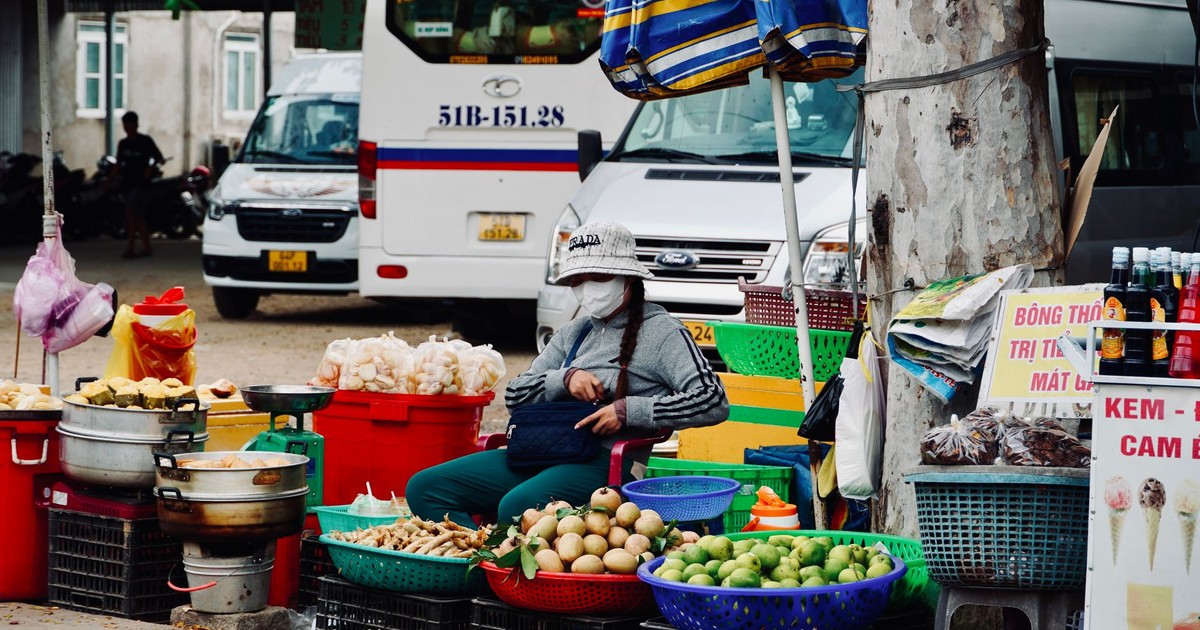
Image Credit: Pexels
Vietnam consistently ranks among the most affordable destinations in Southeast Asia for expats. A furnished one-bedroom in Hanoi’s Old Quarter costs as little as $350-$400 per month. Dining out is extremely affordable, with street food like pho running around $3 and even upscale restaurant meals averaging $10.
Da Nang on the central coast sits at a particularly attractive point in the price-to-lifestyle equation: a beach city with lower costs than Ho Chi Minh City, fast internet, and a growing digital nomad infrastructure that makes it easy to settle into a routine. Inflation averaged between 2.6% and 4.1% across 2024, and with prices already so low, the effects are far less noticeable than in more developed economies.
Vietnam doesn’t yet offer a formal long-term nomad visa, which remains a frustration for some expats who piece together stays using tourist visas and e-visa renewals. Several proposed visa reform pathways were under legislative discussion as of mid-2026. The practical reality for many is a yearly rhythm of short visa runs to neighboring countries, an extra cost worth factoring into any long-term budget.
6. Malaysia
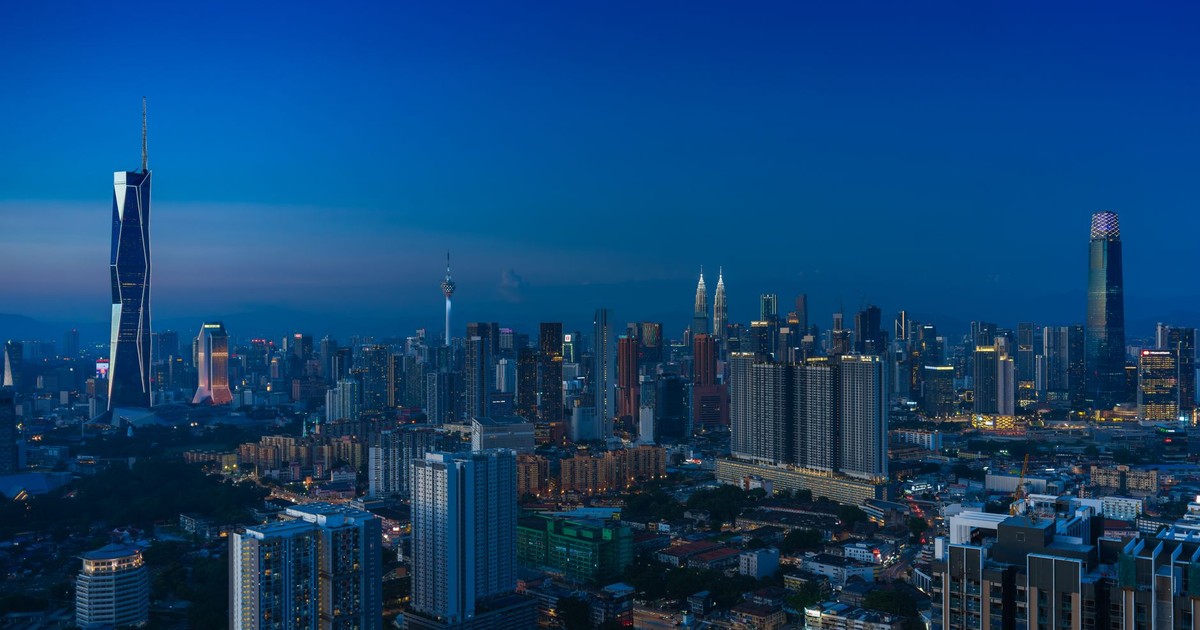
Image Credit: Pexels
Malaysia offers expats the chance to live a cosmopolitan life at a surprisingly low cost. From high-rise condos in Kuala Lumpur to seaside living in Penang, the range of settings is wide. English is widely spoken across all major cities, which eliminates the language friction that catches people off guard in other Southeast Asian destinations.
Monthly living expenses for expats start at around $1,500 for a couple, with three-bedroom apartment rentals ranging from $600 to $1,200 per month. Dining out can cost as little as $2 at hawker stalls, and healthcare is highly affordable, with routine visits averaging $10 to $30. Malaysia’s private hospitals are considered among the best in Southeast Asia and attract medical tourists from across the region.
Malaysia offers the Malaysia My Second Home (MM2H) program, which grants long-term residency to foreigners who meet financial thresholds. The program has three tiers, Silver, Gold, and Platinum, each with its own fixed deposit requirement: USD 150,000 for Silver (5-year visa), USD 500,000 for Gold (15-year visa), and USD 1,000,000 for Platinum (20-year visa). All tiers also require purchase of a qualifying Malaysian residential property. The program has been significantly tightened in recent years. For retirees or remote workers with a reliable income stream and sufficient assets, it remains one of the most legitimate long-term residency pathways in the region.
7. Greece

Image Credit: Pexels
Greece is more affordable than most people expect, the quality of life is high, and with more than 300 days of sunshine a year, it’s hard to complain about the weather. Athens has a thriving expat and digital nomad scene, while the islands offer something closer to a slower pace of living at its most beautiful.
Rent in central Athens runs about $700-$1,100 per month for a one-bedroom apartment, and according to Going, a full meal with wine at a local taverna often runs $12-$18 per person. Thessaloniki, Greece’s second-largest city, carries a university-town energy and lower costs than the capital.
Greece introduced a Digital Nomad Visa in 2021 and has continued to develop its remote-worker infrastructure since. The country also operates a non-dom tax regime that attracts retirees and passive-income earners. If you have Greek ancestry, Greek citizenship law allows you to inherit citizenship from either parent or even a grandparent, if the line remains unbroken and if your Greek ancestor became naturalized elsewhere without renouncing their Greek citizenship.
8. Georgia (the Country)

Image Credit: Pexels
According to GoOverseas, the Republic of Georgia is increasingly popular among expats due to its straightforward visa process, affordability, and diverse landscapes. The country also offers a remote-work-friendly visa for those earning $2,000 monthly or with significant savings.
Georgian food and wine are understated delights, and locals take eating and drinking seriously. In the capital, Tbilisi, a meal at an inexpensive restaurant costs around $10 and a coffee only $3. Cities like Kutaisi and Batumi are also easy on the wallet. Tbilisi itself is an architecturally interesting city, with a medieval old town, Soviet-era buildings, and modern glass structures all within walking distance of each other.
Georgia requires no visa at all for citizens of most Western countries for stays of up to 365 days. That kind of access is rare anywhere on earth. Internet speeds in Tbilisi are fast, coworking spaces have proliferated, and the startup ecosystem is active enough to feel like somewhere things are happening rather than somewhere people are retreating to.
9. Sri Lanka
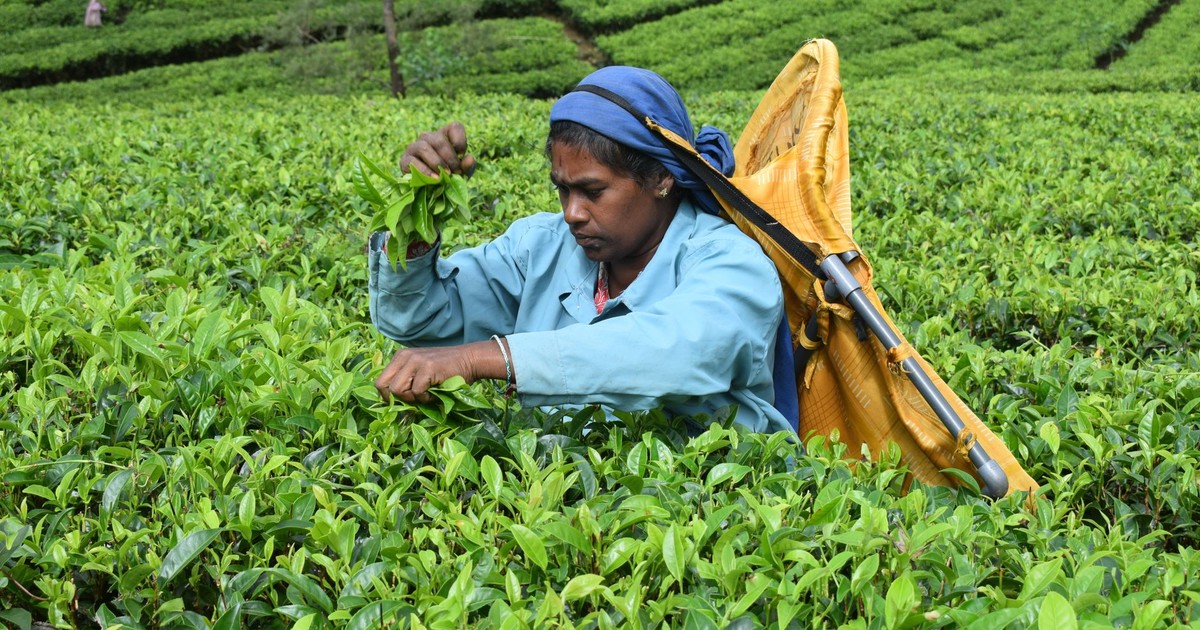
Sri Lanka is among the cheapest places to live in Asia for many expats, and among the most beautiful. Couples report living very well on $2,200 a month, including a villa by the beach, dining out most of the time, traditional massages, attending sports events, and socializing with friends. Some expats describe an equally enjoyable lifestyle for around $1,000 a month, including rent, meals out, and sightseeing, especially when relying on public transport. A villa with a tropical garden and a plunge pool rents for as little as $385 a month, and utilities rarely exceed $50.
Local food is inexpensive and fresh, utilities are modest, and services like house cleaning, gardening, and transportation cost a fraction of US prices.
Sri Lanka does not yet offer a formal long-term digital nomad visa. The country’s tourism visa allows stays of up to 30 days with renewals available in-country, and the government has discussed expanding its options for remote workers, though no formal program was in place as of mid-2026.
10. Ecuador
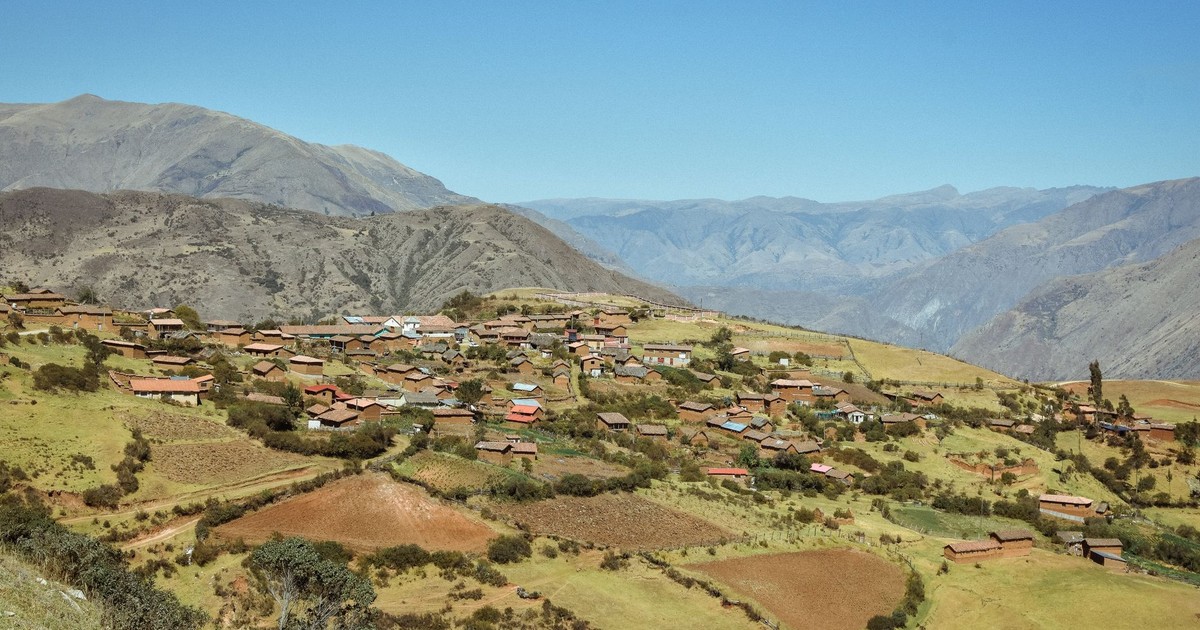
Image Credit: Pexels
Ecuador uses the US dollar as its official currency, which eliminates exchange rate risk and simplifies financial planning. No conversion math, no currency fluctuation anxiety, no surprise erosion of purchasing power from one month to the next.
According to GoOverseas, Ecuador is geographically diverse, home to the Galapagos Islands, the Andes Mountains, and part of the Amazon rainforest. Ecuador’s digital nomad visa allows remote workers to stay and work for up to two years. In cities like Quito and Cuenca, one-bedroom apartments in the city center can be found for as low as $450 a month.
Cuenca in particular has developed a substantial expat community over the past decade. The city has a well-preserved colonial center that’s a UNESCO World Heritage Site, a reliable healthcare system with several internationally accredited hospitals, and a temperate mountain climate that sits around 65 degrees F year-round. Food costs are low, and the local market culture means fresh produce is both inexpensive and excellent. For retirees or anyone whose income is in US dollars, Ecuador’s dollar-based economy removes one of the most common headaches of living abroad.
For those curious about securing legal status in some of these countries through family history, ancestry-based citizenship options are worth exploring. Greece and Portugal both have programs that many people with European heritage don’t realize they’re eligible for.
Read More: The cruise hidden fees that turn a “deal” into a $3,000 surprise
What the Numbers Don’t Tell You

Every destination on this list is genuinely affordable by the standards most Western expats are used to. But the people who thrive long-term share something that has nothing to do with cost of living: they picked a place that fit the life they actually wanted to live, not just the budget they wanted to hit. The person who moves to Tbilisi because it’s cheap and hates cities is going to have a different experience than the person who moves there because they love walkable neighborhoods and a buzzing cafe culture. The numbers confirm that the move is financially viable. Everything else is about fit.
The practical starting point, if you’re genuinely considering any of these, is a stay of at least three months rather than a two-week trip. Tourist mode and resident mode are different in every country on this list. Three months is enough time to find out whether the grocery run feels annoying or interesting, whether the bureaucracy is manageable or exhausting, whether the community you imagined exists or whether you’ll need to build it from scratch.
Disclaimer: This information is not intended to be a substitute for professional medical advice, diagnosis, or treatment and is for information only. Always seek the advice of your physician or another qualified health provider with any questions about your medical condition and/or current medication. Do not disregard professional medical advice or delay seeking advice or treatment because of something you have read here.
AI Disclaimer: This article was created with the assistance of AI tools and reviewed by a human editor.