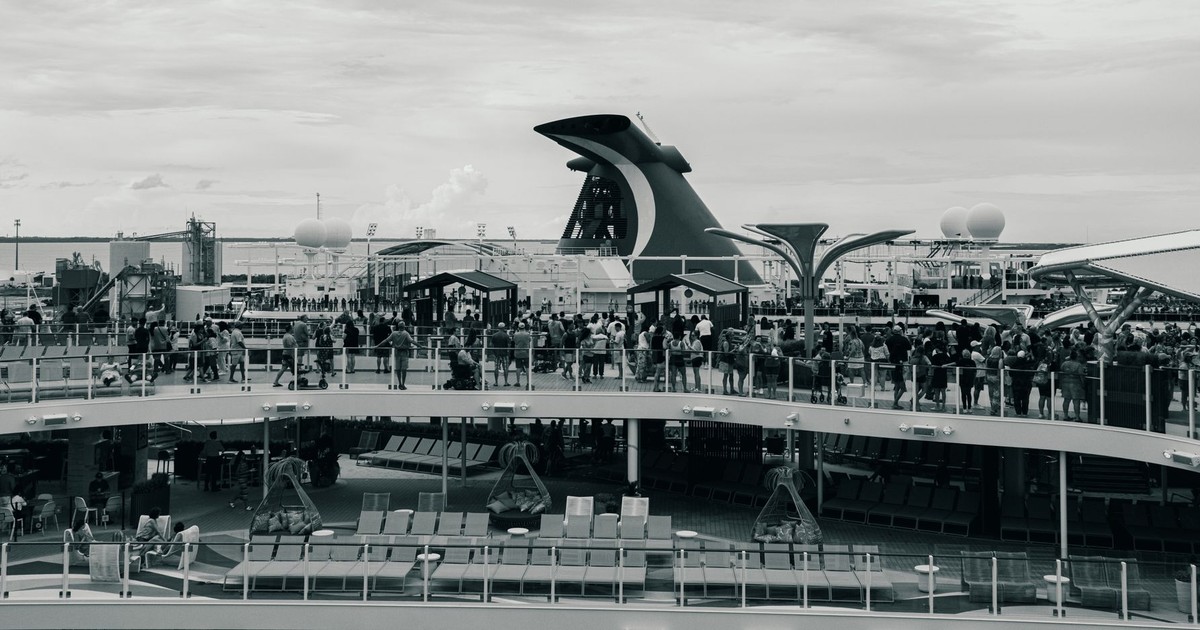

The price on the booking page looks reasonable. Reasonable enough that you start picturing the deck chair, the frozen drink, the stretch of ocean with nothing in it. Then you board, and the receipts start arriving. By the final morning, when the statement slides under your cabin door, the number at the bottom has a way of making that deck chair feel very expensive.
Cruise lines are not doing anything illegal. The fees are disclosed, often buried in confirmation emails and fine print that most people skip because they are excited and the photo of the ship is right there and it looks incredible. But “disclosed” is not the same as “obvious,” and the difference between what you paid to board and what you pay to disembark can be genuinely shocking, especially for families or anyone who assumed that all-inclusive meant all of it.
What follows is a full breakdown of every significant charge that appears on cruise bills in 2026, what it costs, how it works, and where you actually have room to push back.
Daily Gratuities (The Fee That Feels Like a Tax)
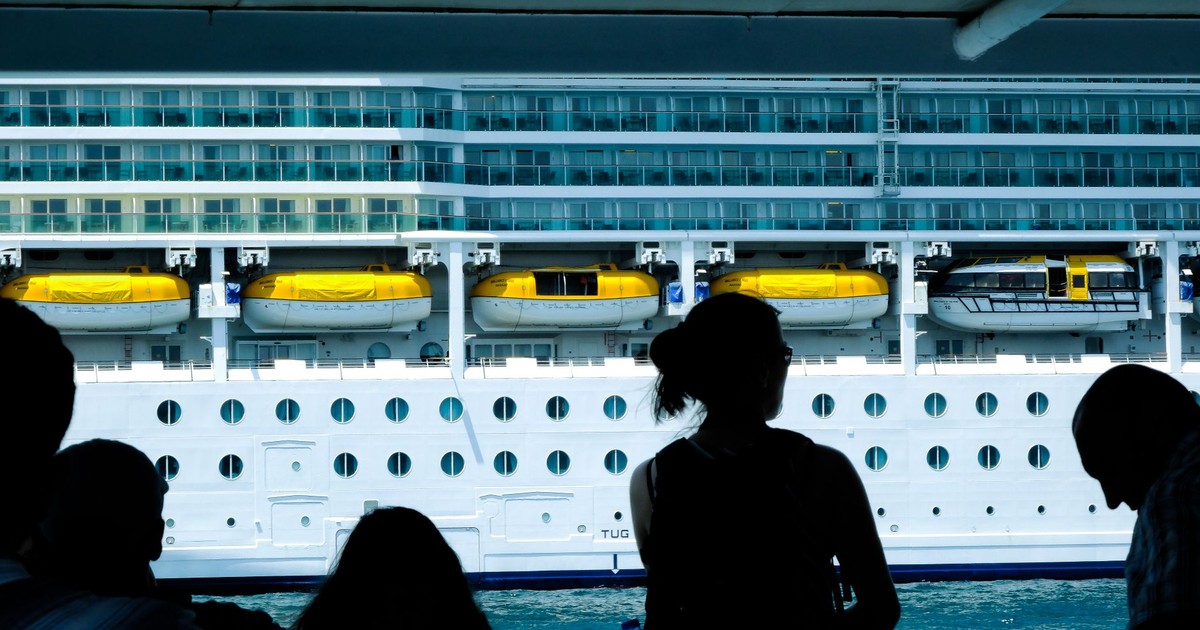
Unlike the typical service fee at a land resort, cruise hidden fees start here: gratuities are not per room. They are per person. Once you do the math on that, the numbers get uncomfortable fast. According to The Points Guy, at some lines these charges run as high as $25 per day, and at big lines such as Royal Caribbean, a family of four staying in a single cabin can see more than $70 a day in service fees added to their bill, around $500 in fees on a typical seven-night cruise.
The exact rates vary by line and cabin category. Carnival charges $17 per person per day for most rooms and $19 for suite guests. Norwegian runs $20 per person per day, rising to $25 for suites and The Haven. MSC Cruises charges $16 per day in standard cabins, with Yacht Club guests paying $20. Princess charges $18 for most guests, $19 for mini-suites, and $20 for suite guests. Royal Caribbean sits at $18.50 for standard staterooms and $21 for suites.
Several major cruise lines raised their fees in early 2026, with one 2026 analysis from Forbes noting that Carnival raised its automatic gratuities in April 2026, from $16 to $17 for standard cabins and $18 to $19 for suite cabins. The rates are technically adjustable at guest services, but do not expect a warm reception if you try. One practical move: pre-pay your gratuities at the time of booking. If the line raises its rates before you sail, you pay the rate that was current when you locked them in.
The 18-20% Auto-Gratuity Layered on Top

Beyond the daily per-person charge, most cruise lines add a separate automatic percentage to nearly every transaction you make onboard. Royal Caribbean automatically adds an 18% gratuity to all beverage purchases and packages, specialty dining, room service, and minibar purchases, while a 20% gratuity is automatically added to all spa and salon purchases.
This is the one that catches people off guard most often, because the advertised price for a cocktail or a spa service is never the price you actually pay. Order a $16 cocktail and you walk away having spent $18.88. Book a $200 massage and the receipt says $240. Royal Caribbean also levies a $7.95 per-order service charge for room service, and then adds an 18% gratuity fee on top of that service charge. A fee on top of a fee is exactly what it sounds like.
The only way around the percentage gratuities on beverages and specialty dining is to purchase a package that bundles them in. Some promotions include gratuities in the package price. Read the fine print carefully before assuming that “drink package included” means truly all-in.
Wi-Fi Costs at Sea

Wi-Fi pricing at sea has stabilized in recent years but is generally higher than it was a few years ago, driven largely by the industry-wide upgrade to Starlink satellite internet. Most lines have improved speeds alongside the transition, but the cost has climbed to match.
Carnival typically offers three tiers with a multi-device plan. The Social Wi-Fi Plan runs $20.40 per day and covers popular social sites only, with no general browsing or email. The Value plan is $23.80 per day, and the Premium plan, supporting Starlink-backed streaming and video calls, runs $25.50 per day. The Multiple Device plan can run as high as $90 per day for up to four devices.
Passengers who want to stream Netflix or sports should expect to pay $30 to $90 per day and still experience buffering during peak times. If you are traveling with children who expect to stream, that math becomes uncomfortable quickly. The practical workaround: buy Wi-Fi pre-cruise through the cruise planner, where discounts of up to 30 percent are common, and use port-side café Wi-Fi during days in port rather than burning through your package while docked.
Drink Packages (And the Rule Nobody Mentions Until You’ve Already Bought One)

The base fare on most cruise lines includes water, lemonade, iced tea, and not much else. Alcohol, fresh juices, specialty coffees, and sodas frequently require a package. Those packages are aggressively marketed from the moment you book, and they are not cheap.
On most lines, if one adult in a cabin purchases the drink package, all adults in that cabin must purchase it too. So if your partner drinks and you don’t, you are still buying two packages. The break-even point on most packages is roughly five to seven drinks per day, which is fine if that’s your vacation, and a terrible deal if it isn’t. The smart move is to honestly count how much you actually drink on a typical vacation day before buying in, not after you’ve already added it to the cart in a moment of pre-trip optimism.
Some lines bundle drink packages into promotional offers, particularly if you book early. Norwegian’s Free at Sea promotion includes an unlimited premium beverage package as part of a bundle with specialty dining, shore excursion credits, and Wi-Fi, though the gratuities on those beverages are not included and must be paid separately.
Specialty Dining: The Restaurants Nobody Told You Cost Extra
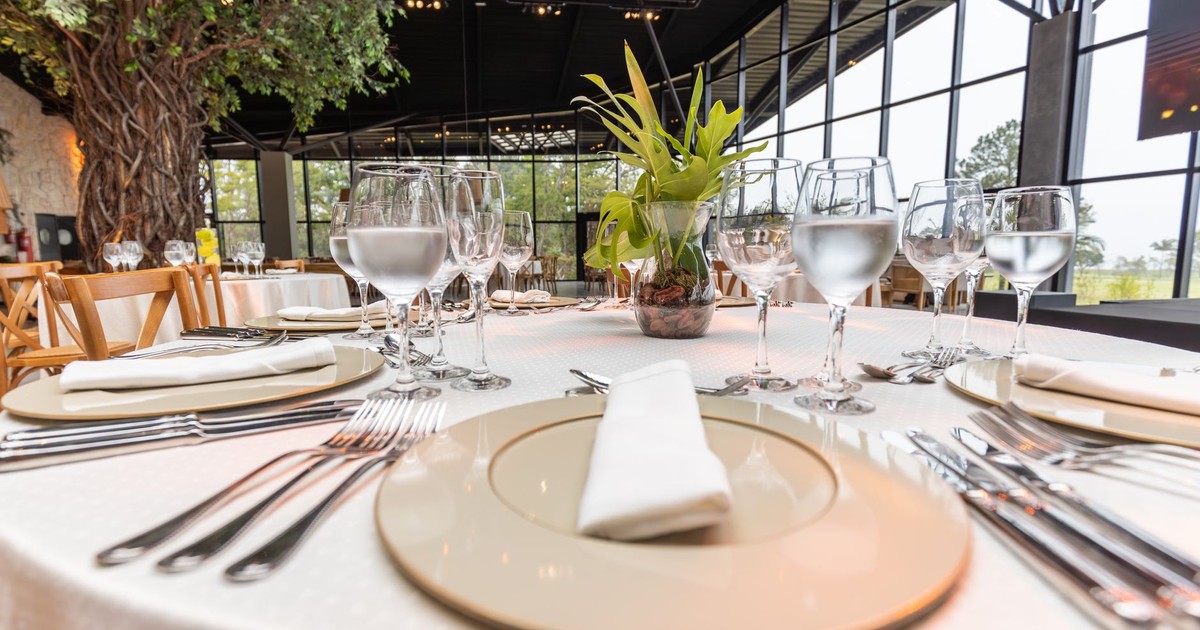
Every cruise ship has a main dining room and a buffet included in your fare. They are, generally, perfectly good. But the restaurants with the actual ambiance, the steakhouses, the teppanyaki tables, the French bistros, carry cover charges that can rival a nice dinner on land.
Specialty restaurant cover charges run $20 to $40 per person on Carnival, $30 to $85 per person on Royal Caribbean (for venues like Chops Grille and Izumi), $25 to $50 per person on Norwegian, and $45 to $65 per person on Celebrity. And that is before the automatic 18 percent gratuity discussed above.
Norwegian Cruise Line introduced a $5 fee for any entrée ordered beyond the first in the main dining room on 2026 sailings. Passengers accustomed to unlimited ordering now face direct per-plate charges in standard dining venues. Specialty dining packages, which bundle multiple restaurant visits at a fixed cost, can offer real savings if you plan to dine outside the main room more than once or twice. Compare the package price against the per-visit cover charges before you board.
Room Service Fees (And the New Item Limits Nobody Warned You About)

Room service has historically been one of the last free holdouts on cruise ships. That era is closing. Norwegian Cruise Line revised its room service policy in late 2025: guests can order only one hot item and one cold item per person for breakfast delivery, and a maximum of two items per person from the all-day room service menu. Delivery fees stay at $4.95 for breakfast and $9.95 for the all-day menu, meaning passengers pay the same for fewer items, and those who want more must place a second delivery order and pay another fee.
Cunard adjusted its policy in 2026 as well: complimentary room service now runs only through breakfast hours until 10 a.m. Orders later in the day include service fees. For a line built on the idea of old-world ocean liner luxury, that is a meaningful change.
The workaround is straightforward for anyone willing to walk: the buffet is almost always open, almost always free, and often has exactly what you were going to order anyway. The fee is for the delivery of the food to your door, not the food itself.
Shore Excursions: The Cruise Line Mark-Up Is Real
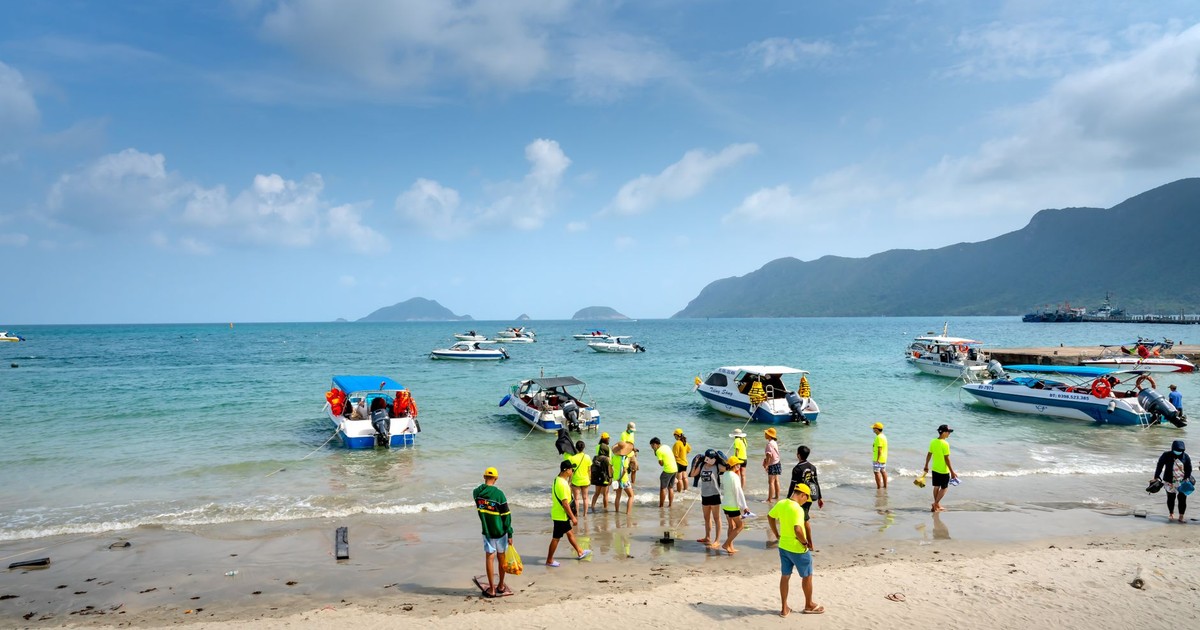
Port days are often the highlight of any cruise, and the single biggest line item on the final bill after gratuities. Cruise lines sell their own organized excursions, and the convenience is genuine: if the tour runs long, the ship waits. That guarantee has real value. But the price reflects it.
Shore excursion costs can explode quickly. For a seven-day cruise with four port days, excursions can easily add $400 to $1,200 per person. Independent tours are usually 30 to 50 percent cheaper than the cruise line’s equivalent, but cruise line excursions guarantee the ship will wait if your tour runs late.
The calculation most seasoned cruisers make is this: book independently for ports where the town center is a five-minute walk from the dock and the risk of missing the ship is essentially zero. Book through the cruise line in ports where the destination requires significant travel and a delay is actually plausible. Secret Life of Mom notes that both over-relying on ship excursions and venturing so far independently that you risk missing departure rank among the most common cruise mistakes. The middle ground exists and it saves real money.
Port Fees and Government Taxes
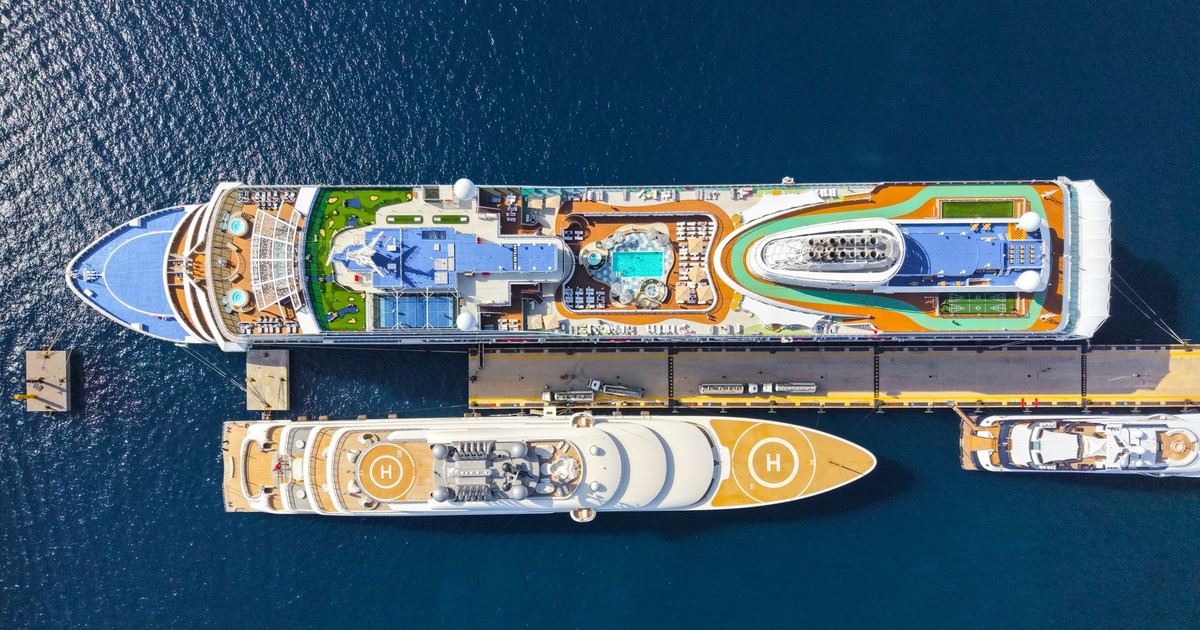
These appear on your booking statement before you’ve even chosen a cabin category, but many passengers don’t notice them until they look at the total and wonder why it doesn’t match the advertised fare. Port taxes and fees vary based on port location, number of passengers, and size of the cruise, and they often range from 10 to 20 percent of your base cruise fare. They are mandatory for all passengers.
On a longer itinerary visiting multiple countries, port fees stack up. A ten-night Mediterranean cruise stopping in five or six countries will carry meaningfully higher port charges than a seven-night Caribbean loop. This isn’t a hidden fee in the strict sense, cruise lines are required to disclose it, but the way fares are advertised online often leads people to anchor on the cabin price and scroll past the taxes line without registering what it adds.
The Onboard Medical Center

Although cruise ships are required to have onboard medical facilities, they operate more like private clinics than standard healthcare providers. Any visit to the medical center, whether for a minor illness or a more serious issue, can arrive with a hefty price tag. According to cruiseshiptracking.com’s medical care guide, serious onboard medical emergencies can generate costs high enough to require coverage well beyond standard health insurance, and travel insurance is strongly recommended for any cruise vacation.
Seasickness medication, ear infections from too much pool time, a twisted ankle on a shore excursion, these are the reasons most people end up in the medical center, and they are all ordinary cruise occurrences that can generate extraordinary bills. Basic consultations often cost anywhere from $100 to $200, with after-hours visits starting at $300 or more before medications and testing are added. Travel insurance that covers medical evacuation is not a luxury on a cruise — the potential costs start looking manageable only when you have coverage in place before anything goes wrong at sea.
Private Island Upsells and the Beverage Package That Stops at the Gangplank
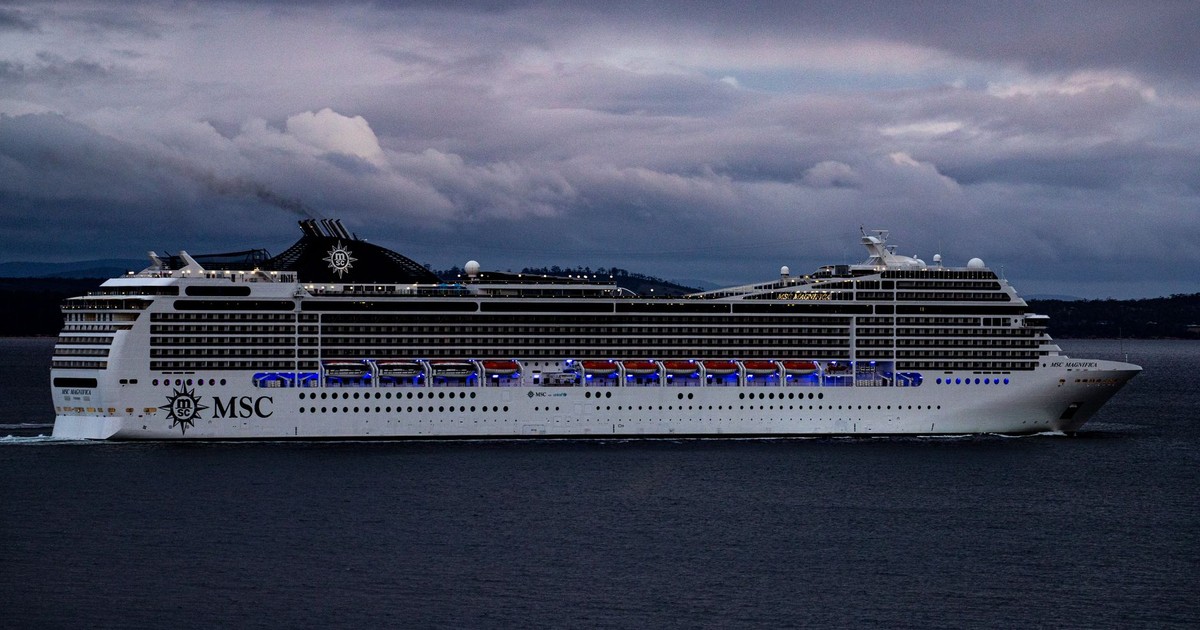
Cruise lines’ private island destinations have become elaborate resort-within-a-resort experiences, and they have their own separate fee structures that catch passengers off guard, particularly those who thought their onboard drink package covered everything.
Beginning March 1, 2026, Norwegian beverage packages are no longer valid on Great Stirrup Cay. Guests with prepaid drink plans must purchase beverages separately once ashore. The package you paid for, and that felt like a good deal when you signed up, stops working the moment you step onto the sand.
Silver Cove villas on Great Stirrup Cay cost $950 per person per day in 2026. A group of four pays $3,800 for one day of private access. The rate covers the space and exclusivity, food, drinks, and other island services remain extra. That particular number is an extreme case, but the principle applies across private island destinations: the cabana you see in the photo, the shaded loungers at the good end of the beach, the dedicated bar service, all of it carries an upcharge.
Read More: Cruise Ship Vacations: Expectation vs. Reality
What the Final Bill Actually Looks Like
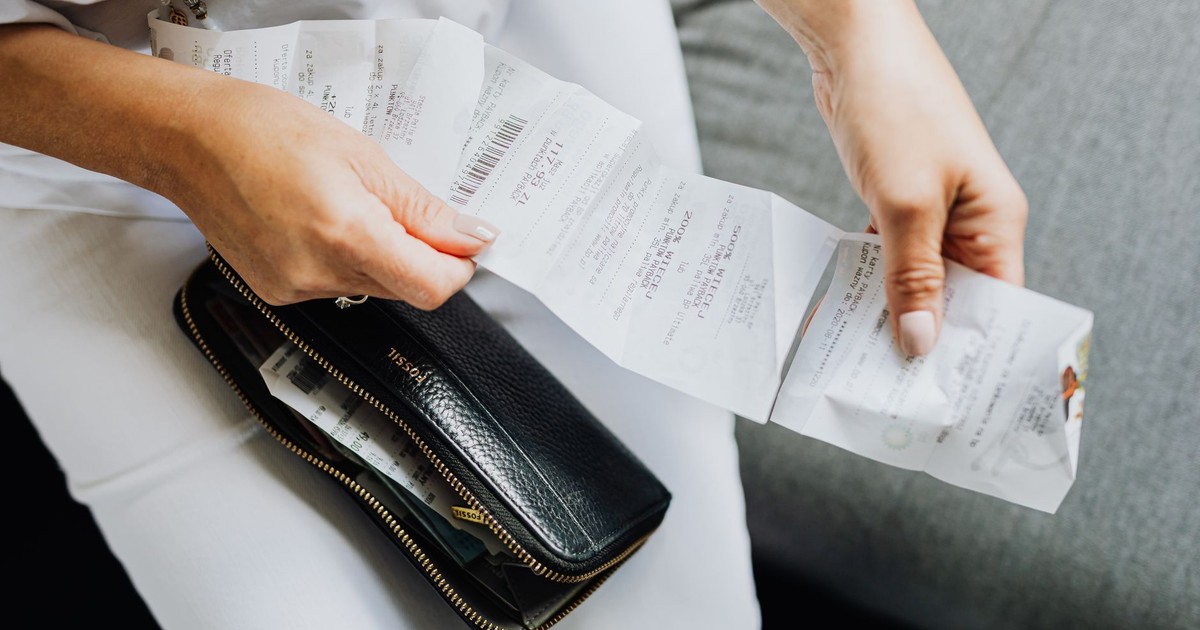
None of these charges exist in isolation. The thing that surprises people is not any single fee, it’s how unremarkable each one seems individually, and how staggering they look together at checkout. A family of four on a seven-night Royal Caribbean sailing might pay $500 in gratuities, $280 in Wi-Fi, $400 in specialty dining, $600 in shore excursions, and $300 in drinks and extras before anyone has had an unexpectedly bad day requiring a trip to the medical center. That is real money on top of a base fare that already wasn’t cheap.
The cruise lines that bury these cruise hidden fees are counting on the fact that you’re having a good time and not watching the account closely until the statement arrives. The ones that have built a better model, bundling more into the base fare and charging fewer à la carte add-ons, are worth comparing directly, because the sticker price on a more inclusive product sometimes turns out to be lower than the actual cost of a “budget” cruise once everything is added back in. Do the math before you board. The deck chair at the end of it will feel much better when the number under your cabin door is the one you were expecting.
AI Disclaimer: This article was created with the assistance of AI tools and reviewed by a human editor.