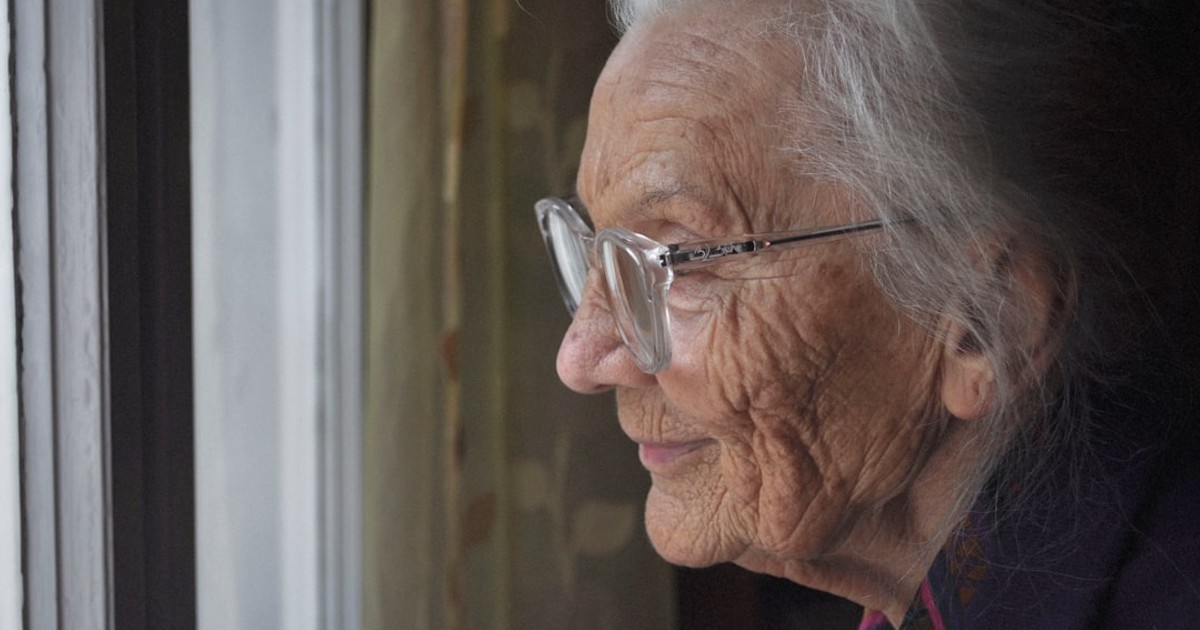

Most people arrive at 70 having done plenty of things right. They raised kids, built careers, loved people, made mortgage payments, and were present when it mattered. And yet, reliably, something else arrives alongside those decades of doing – a growing inventory of what was left undone, unsaid, or persistently deferred to a later date that came faster than anyone expected. The regrets aren’t usually the dramatic ones. They’re rarely about the affair or the shouted argument or the business deal that went wrong. They’re about the smaller, slower erosions: the trip that never got booked, the relationship that was allowed to atrophy, the body that got treated like an afterthought for thirty years.
Cornell gerontologist Karl Pillemer spent over a decade conducting surveys and in-depth interviews with more than 2,000 older Americans, collecting their advice across domains including career, marriage, child-rearing, and avoiding regrets. The regrets people carry into their later decades are both deeply personal and strikingly consistent across different lives. They surface regardless of income level, family structure, or how “successful” a life looked from the outside. The themes were almost always the same.
The patterns behind life regrets by age 70 are specific enough to be useful. Here are the ten that come up most consistently, drawn from research into what older Americans actually report when asked to look back honestly.
1. Spending Years Worrying About Things That Never Happened

When Pillemer asked his research participants to name their biggest regrets, almost unanimously they answered: “I wish I had not spent so much time worrying.” Their argument, as he described it, was that “the mindless and ruminative worry over things one can’t control so effectively poisons life that it’s a waste of a precious lifetime.” That result surprised even him. These weren’t people who had led sheltered lives – many had lived through depression, illness, loss, and genuine hardship. And their single biggest regret was the hours, weeks, and months spent in anxious anticipation of things that mostly never arrived.
The elders in Pillemer’s research deeply regretted worrying about things that never happened or things they had no control over. “Life is so short,” many told him. “What you will regret is weeks or months of the kind of mindless, self-destructive ruminating worrying that people do.” Worry almost always feels justified in the moment. At 70, looking back across a life, it rarely justified itself. The feared thing usually didn’t happen, and even when it did, the worrying hadn’t helped.
For women, who research consistently shows carry a disproportionate share of anticipatory anxiety about children, relationships, and whether everything is going to be okay, this particular regret cuts with extra force. The people who looked back on decades of that habit didn’t frame it as something they were powerless to change. They framed it as time they could have had back.
2. Not Saying the Things That Needed to Be Said

A common regret among older men was not expressing love frequently enough, but the pattern extended across all kinds of relationships. “Unless you believe in séances, you can’t go back and ask for forgiveness, apologize, express gratitude, or even get information from somebody who has died,” Pillemer noted. The conversations people kept meaning to have – the apology for something that happened in 1998, the “I love you” that felt obvious but went unspoken, the “I’m proud of you” to a parent who died before it was said – those are the ones that surface at 70 with unexpected force.
The assumption tends to be that the other person knows, that the relationship makes certain things implicit. But the people who looked back with clarity on this point were not comforted by what they assumed the other person had understood. They wanted to have said it, and they couldn’t anymore. Getting older recalibrates the cost-benefit on difficult conversations: what felt risky at 40 feels like nothing compared to never having had the chance.
3. Staying Too Long in the Wrong Relationships

Romance-related regrets are significantly more common among women than men. According to a Northwestern University study, 44 percent of women reported romance regrets, compared with 19 percent of men. These included regrets about relationships that were never pursued, relationships that ended, and relationships that went on longer than they should have. Societal pressure to remain in a marriage or partnership often led women to sacrifice their happiness, and later in life that self-sacrifice left them feeling unfulfilled and lonely.
This particular regret isn’t always about marriages that were obviously terrible. Some of the most painful versions involve relationships that were simply not right – a partner who was fine but wrong, a dynamic that was workable but joyless, a marriage that could have been ended before two more decades passed. The sunk-cost logic of a long relationship is powerful in the middle of it. At 70, looking back at the years spent inside something that wasn’t working, the math looks different.
Among the common lessons that emerged from Pillemer’s interviews was not being careful when choosing a life partner. As one woman who survived a bad relationship told him, it’s better to never get married than to marry the wrong person. Nobody dispenses that sentiment cheerfully in their thirties. It’s the kind of thing people say plainly at 80, when they’re past the point of softening it.
4. Not Traveling When the Body Was Still Willing

When their traveling days were done, people still wished they had taken one more trip, Pillemer found. Even those who had done a lot of globetrotting would finish their interview by leaning forward and wistfully saying something like, “But I never got to Japan.” People often put big trips off until retirement only to find their health failing when they were ready to go.
The sequence is always the same: there isn’t time now, there isn’t money now, the kids are too young now, retirement will be the right moment. Then retirement arrives and something has changed in the knee, or the back, or the stamina required to navigate airports and foreign cities. Not traveling enough is among the top regrets women report by age 70. A British Airways survey of 2,000 U.S. baby boomers found that 22 percent of female respondents said not traveling enough was one of their biggest regrets. The body has its own schedule, and it doesn’t always coordinate with the one you made at 55.
5. Neglecting Physical Health for Decades

Older people who smoked, didn’t exercise, or became obese were regretful, but the issue, as Pillemer observed, wasn’t only about dying. “Many people will say to themselves, ‘I enjoy smoking’ or ‘I don’t like to exercise’ or ‘I just like to eat – who cares if I die a little sooner?'” he noted. “The problem is in this day and age is you’re not going to die sooner; you’re going to be stuck with 10 or 20 years of chronic disease as modern medicine keeps you alive.”
The assumption is that neglecting your health shortens your life. The reality, increasingly, is that it lengthens your suffering. A 70-year-old living with preventable type 2 diabetes, or the consequences of decades of sedentary habits, or a back that was never properly treated, isn’t facing a quick reckoning – they’re facing the rest of a long life negotiated through persistent physical limitation. The regret isn’t abstract. It lives in the body. You can read more about how these patterns compound across a lifetime in accounts from people reflecting at the very end of theirs.
6. Not Saving Enough Money

A large majority of retirees wish they had saved more. Transamerica’s 2025 Retirement Realities report found that 69 percent of retirees wish they had saved more on a consistent basis, and surveys from Bankrate and Nationwide confirm that not saving enough for retirement remains one of Americans’ biggest financial regrets. By the time retirement arrives, the financial questions are concrete: whether the roof repair is affordable, whether prescription costs are manageable, whether contributing to a grandchild’s college fund is possible.
Baby boomers were a median age of 35 before they began saving for retirement outside of their workplace account, according to the 24th Annual Transamerica Retirement Survey of Workers, published in June 2024. That means these workers missed years of compounding gains on their retirement savings. The money you don’t put in at 28 costs you vastly more than the money you don’t put in at 48, and almost nobody explains that clearly enough when you’re 28 and the rent is due and retirement is an abstraction.
7. Letting Important Friendships Dissolve

The friendship regret is one of the quieter ones on this list, but people who are honest about it describe something close to grief. A friend who was a constant presence through your twenties and thirties and then, gradually, wasn’t – through nobody’s fault exactly, just the accumulated friction of different cities, different schedules, different seasons of life. By 70, the address book has often contracted significantly, and there’s a clear sense of which contractions were necessary and which ones were just neglect.
Women report regretting not spending enough time with wider circles of connection, not just family. The Transamerica 2025 report found that 61 percent of women wish they had more time with loved ones upon retirement. Friendships require a specific kind of maintenance that doesn’t happen automatically once life gets complicated – calling when there’s no particular occasion, driving across town when it’s inconvenient, accepting that people change and choosing to stay anyway. The ones who skipped that maintenance look back and find the cost was higher than they expected.
8. Choosing a Career for the Wrong Reasons

Though many of Pillemer’s participants had lived through hard economic times, instead of urging younger people to pursue reliable, well-paying jobs, they consistently said, “Do something you enjoy.” Work ought to be chosen for its intrinsic value and sense of purpose, they argued, and life was much too short to spend doing something you don’t like, even for a few years.
The career regret at 70 rarely sounds like “I should have been a doctor instead of an accountant.” More often it sounds like: I should have left the job I hated in my forties instead of waiting until I was 60. Or: I should have taken the risk on the thing I actually wanted to do instead of the thing that felt safe. The elders in Pillemer’s research were much more in favor of career risk-taking than he expected. Many regretted saying no to opportunities because they were afraid of taking a chance or felt too comfortable in their current job. People were much more likely to regret a career move they didn’t make than one they tried that didn’t work out.
9. Allowing Family Estrangements to Harden

The people who were most miserable about their life choices included parents who had a disagreement with a child who was now estranged. Almost all of them wished they had tried harder to make peace, communicate, or apologize. “The kinds of things that seemed worth saying ‘My way or the highway’ when you were 40 and they were 18 usually never seem worth it at 80,” Pillemer said. “Even if their relationships with their other children were great, the one with whom there was this irreparable rift still caused them a lot of remorse and anguish.”
Estrangements are rarely about one thing, and anyone who has been inside one knows how completely justified the distance feels in the middle of it. But the 70-year-old version of this regret is almost never about being right. It’s about having been right at a cost that turned out to be too high – the argument that calcified into years of silence, the Christmas that became the last one, the grandchildren who grew up not knowing someone who loved them. The position held, and held, until it was the only thing left in the room.
10. Deferring Happiness as Though It Were a Reward

As nurse and author Bronnie Ware documented in her accounts of palliative care patients, many people did not realize until the end that happiness is a choice. “They had stayed stuck in old patterns and habits,” she wrote. “The so-called ‘comfort’ of familiarity overflowed into their emotions, as well as their physical lives. Fear of change had them pretending to others, and to themselves, that they were content, when deep within, they longed to laugh properly and have silliness in their life again.”
This regret doesn’t point at a missed opportunity in the world – it points inward. The happiness that was available and went unclaimed, not because life was objectively terrible but because of a habitual posture of postponement. When things settle down. After the kids are grown. Once the mortgage is paid. According to the 2024 Happiness Report, the 60-plus population is actually the happiest age group in the U.S. The people who looked back with the most pain weren’t always the ones who had the most difficult lives. They were often the ones who had been waiting for a clearance that nobody was ever going to issue.
Read More: 60-Year-Old Woman Lists 23 of Her Life’s Regrets
What This Means for You Right Now

Almost none of these regrets arrive as surprises. People name them with the particular resignation of someone who knew, somewhere, that this was coming – the friendship that needed tending, the conversation that needed having, the trip that needed booking. The archive of what we almost did is usually pretty legible to us, even while we’re still adding to it.
None of this is an argument for a radical life overhaul, and it’s certainly not a list of things you’ve failed at. Some of these patterns go back further than any single decision – they’re woven into how you were raised to think about your own needs, your own time, your own right to take up space. The people who reported the fewest regrets at 70 weren’t the ones who had done everything right. They were the ones who had, at some point, stopped waiting.
AI Disclaimer: This article was created with the assistance of AI tools and reviewed by a human editor.