

The human experience is woven together by the threads of connection. From the moment we are born, we are thrust into a world where our survival depends on the presence and care of others. While the need for social interaction is a universal human trait, psychological and sociological research often highlights a unique dimension to how women experience, process, and require connection.
How Long Can Women Go Without Close Connection?

Image credit: Shutterstock
In a fast-paced, digital world, it is easy to mistake contact for connection. We might have hundreds of followers or a constant stream of text messages, but true, close connection – the kind that involves emotional intimacy, vulnerability, and mutual understanding – is a different beast entirely. For many women, this type of connection is not just a “nice to have”; it is a vital component of mental, emotional, and even physical health.
But how long can a woman truly go without it? What happens when those threads of connection are severed or stretched too thin? Here are 10 truths about the necessity of close connection for women, exploring the nuances of friendships, family, and romantic bonds.
1. Connection is a Biological Imperative, Not Just a Social Preference

For decades, the fight or flight response was considered the standard human reaction to stress. However, researchers, most notably Dr. Shelley Taylor at UCLA, discovered that women often exhibit a different response: tend and befriend. Evolutionarily, women often managed stress by nurturing offspring (tending) and creating strong social networks (befriending) to ensure collective safety.
This means that for women, seeking connection in times of duress is a biological drive. When a woman goes too long without a close connection, her nervous system may remain in a state of high alert. Without the oxytocin hit that comes from a deep conversation or a supportive hug, cortisol levels can spike and stay elevated. This biological reality proves that connection is a fundamental need, akin to sleep or nutrition, rather than a leisure activity.
2. The “Loneliness Gap” Can Be Deceptive

A woman can be surrounded by people – colleagues, acquaintances, or even a spouse – and still experience profound loneliness. The truth about how long a woman can go without connection depends entirely on the quality of that connection. Surface-level interactions often fail to refill the tank.
A woman might go months or even years participating in social functions while secretly starving for emotional intimacy. This hidden loneliness is often more damaging than physical isolation because it carries the weight of invisibility. Truthfully, a woman cannot go very long at all without a meaningful connection before her sense of self begins to erode, even if her calendar is full.
3. Emotional Resilience is Directly Tied to Social Support
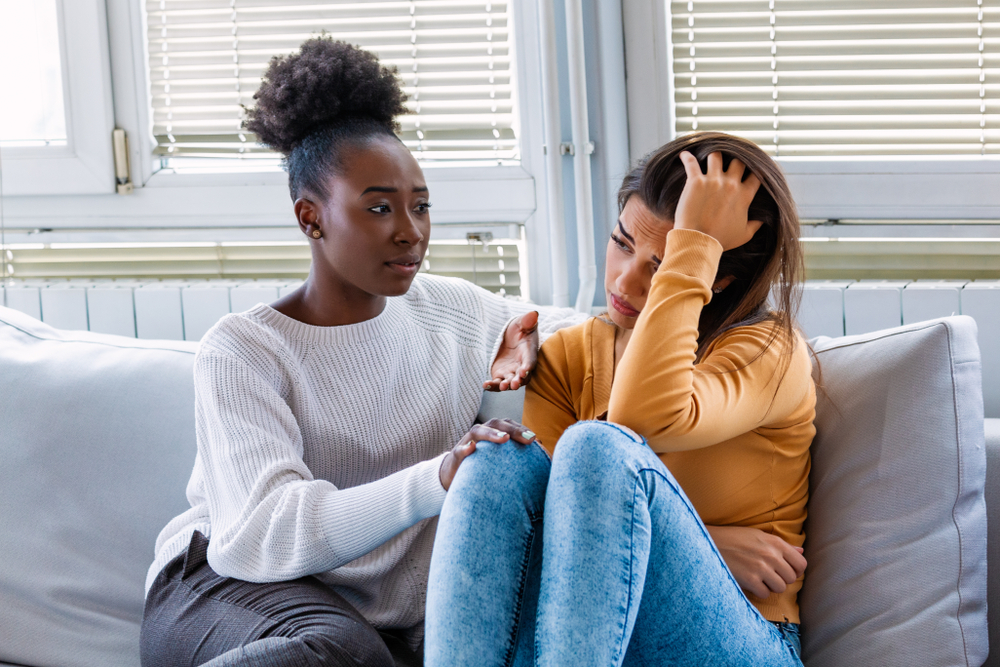
Women are often praised for their resilience, but that resilience is rarely a solo endeavor. Close connections act as a buffer against life’s inevitable traumas. Whether it’s navigating a career setback, a health crisis, or the loss of a parent, a woman’s ability to “bounce back” is often predicated on her ability to process those emotions with a trusted confidant.
Without a close connection to lean on, the weight of life’s challenges can become cumulative. Instead of processing and releasing stress, a woman without connection may begin to internalize it, leading to burnout. The truth is that a woman’s strength is often a reflection of the strength of her support system.
4. Friendships Provide a Unique Form of Sustenance

While society often prioritizes romantic partnerships as the ultimate connection, for many women, platonic friendships are the primary source of emotional stability. Friendships between women often involve co-rumination and high levels of self-disclosure, which provide a unique sense of being seen and understood.
A woman might be able to go a long time without a romantic partner, but going without a close friend, someone who knows her history and validates her feelings, is much more difficult. These “chosen family” connections provide a safety net that allows women to explore their identities outside of their roles as wives, mothers, or daughters.
5. The Toll of “Emotional Labor” Increases Without Connection
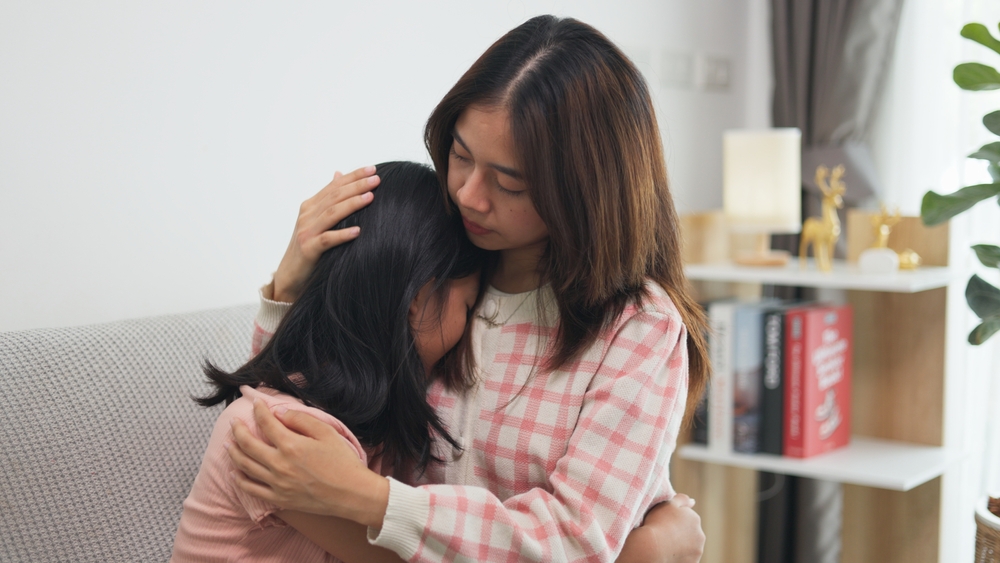
Women often carry the bulk of emotional labor in families and workplaces. They notice when someone is upset, manage schedules, and maintain harmony. When a woman has a close connection where she is the one being cared for, she can sustain this labor.
However, when she lacks a space where she can drop the mask and be vulnerable, the output of her emotional labor becomes unsustainable. Without a reciprocal connection, she may begin to feel like a utility rather than a person. The truth is that to keep giving to others, a woman must have a source of connection that pours back into her.
6. Physical Health Declines in the Absence of Intimacy

The impact of isolation on women isn’t just all in their heads. Studies have shown that chronic loneliness can be as damaging to physical health as smoking 15 cigarettes a day. For women, the lack of close connection is linked to higher blood pressure, weakened immune systems, and increased risks of cardiovascular disease.
Close connection, whether it’s the physical touch of a loved one or the laughter shared with a sister, triggers the release of dopamine and oxytocin. These chemicals are natural painkillers and anti-inflammatories. A woman’s body literally functions better when she feels connected to her tribe.
7. Digital Connection is a Poor Substitute for Presence

In the modern age, we often believe we are connected because we see updates from friends on social media. But for many women, digital interaction can actually increase feelings of isolation. Seeing the highlight reels of others’ lives can lead to comparison and a sense of exclusion.
The truth is that a woman can go indefinitely with digital “likes”, but she cannot go long without the nuance of a face-to-face (or at least voice-to-voice) interaction. The subtle cues of empathy, such as a look in the eyes, a change in tone, or a shared silence, cannot be replicated by an emoji. Real connection requires presence, and without it, the digital world feels like a hollow echo chamber.
8. The Mother-Daughter and Familial Bond Set the Baseline
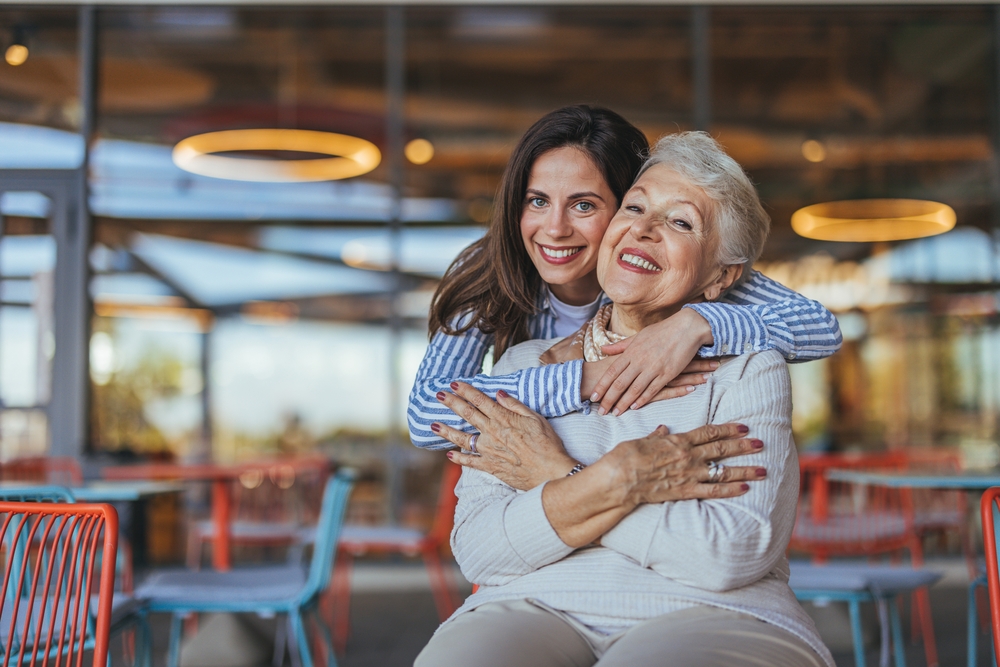
Image credit: Shutterstock
For many women, the blueprint for connection begins with familial relationships. Whether these relationships are healthy or strained, they influence how long a woman feels she can survive on her own. A woman with a strong, supportive familial foundation may feel more secure in her independence, knowing she has a home base.
Conversely, if those foundational connections are missing or fractured, the search for a close connection becomes more urgent. The truth is that familial connection, or the lack thereof, shapes a woman’s emotional appetite. We are often looking to replicate the safety of our earliest bonds or to heal the wounds where that safety was missing.
9. Connection Enhances Self-Identity

It is a common misconception that seeking connection is a sign of weakness or a lack of independence. In reality, we often understand ourselves best through the mirror of others. A close friend or partner reflects our strengths back to us and holds us accountable for our growth.
When a woman goes too long without this reflection, her sense of self can become blurry. She may lose sight of her passions, her worth, or her humor. A close connection provides the validation necessary to move through the world with confidence. We don’t lose ourselves in connection; rather, we find the most authentic versions of ourselves within it.
Read More: 15+ Types of Kissing, and What Each One Means
10. There is No “Standard” Timeline, But the Need is Universal
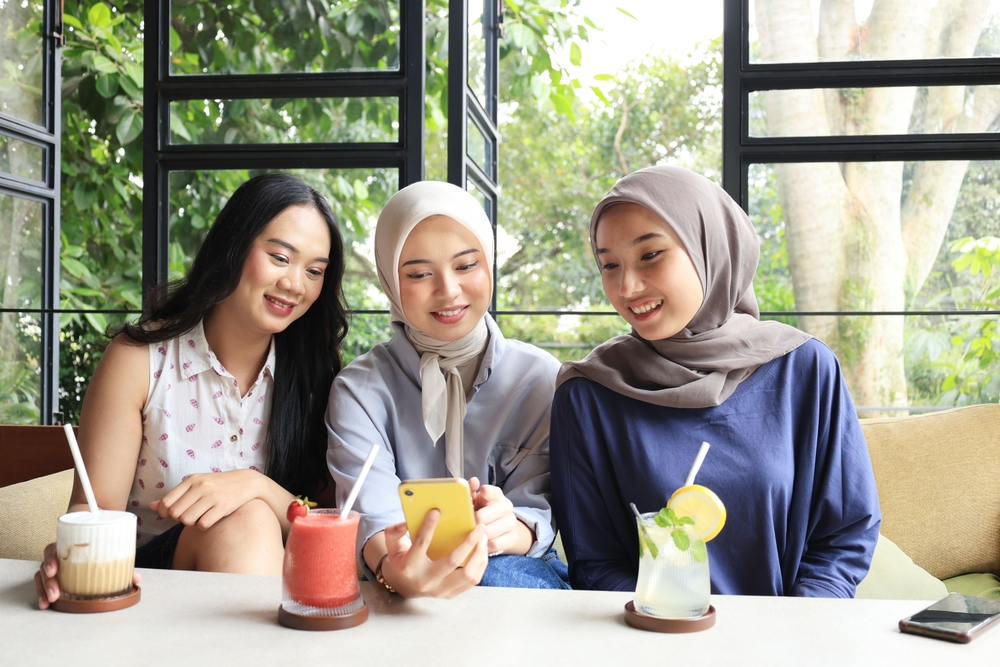
How long can a woman go without a close connection? Some may thrive in solitude for weeks, while others feel the ache of loneliness after just a few days. Factors like personality (introversion vs. extroversion), life stage, and past experiences all play a role.
However, the ultimate truth is that no woman is an island. While the timeline varies, the threshold exists for everyone. Eventually, the lack of connection will manifest as anxiety, sadness, or a loss of purpose. Recognizing the need for connection is not an admission of inadequacy; it is an acknowledgement of our shared humanity.
Honoring the Need for Closeness

In a society that often prizes rugged individualism and self-sufficiency, it can feel counter-cultural to admit how much we need one another. For women, acknowledging the necessity of a close connection is an act of self-care. It is about recognizing that our brains and bodies are hardwired for community.
Whether that connection comes from a lifelong best friend, a supportive partner, a sibling, or a community group, its value cannot be overstated. It is the fuel that allows women to lead, create, nurture, and thrive. If you find yourself feeling drained, anxious, or out of sync, it may not be that you aren’t doing enough. It may be that you haven’t been connected enough.
We must move away from the idea that needing people is a flaw. Instead, we should see our capacity for deep, intimate connection as one of our greatest strengths. By prioritizing these bonds, aka making time for the long phone calls, the coffee dates, and the vulnerable how are you really conversations, we ensure that we are not just surviving, but living vibrant, supported, and meaningful lives. Connection is the heartbeat of the female experience; we must ensure we never let that heartbeat grow faint.
Read More: 20 Heartwarming Images That Show Why Time With Loved Ones Is So Precious