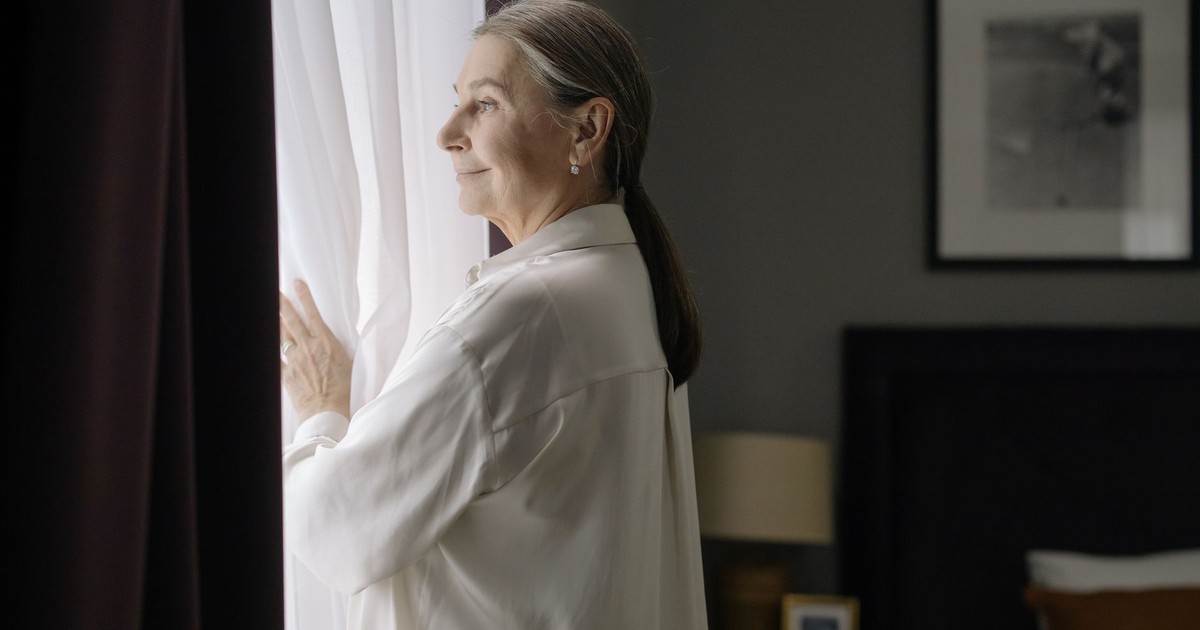

Certain realizations don’t arrive all at once. They accumulate, the way a stack of mail does when you’ve been avoiding it, until one ordinary Tuesday the pile tips and you have to face the whole thing. For women who reach their 50s, 60s, or 70s still single, some of those realizations take the form of regret. Not the dramatic, cinematic kind where you missed the train to Paris. The quieter, more specific kind: a retirement account that’s thin in ways a partner’s income might have buffered, a friendship group that thinned without anyone meaning it to, a conversation about what you want when you’re sick that nobody’s had with you because there’s no default person to have it.
None of this is a verdict. The women who voice these regrets are not saying their lives were wrong. Many chose their singlehood deliberately, or landed there after relationships that taught them things they wouldn’t trade. But lived experience is honest in ways that our public conversations about independence and choice sometimes aren’t, and the patterns that come up again and again among women who grow older single are worth naming plainly, without turning them into cautionary tales or prescriptions.
According to a 2024 report from the U.S. Administration on Aging, nearly a third of men and more than half of women over age 65 are widowed, divorced, or have never been married. That’s not a fringe demographic. It’s the majority. And yet most of the infrastructure of adult life – financial systems, housing assumptions, retirement models, healthcare proxies – was built around the premise of partnership. The women navigating that infrastructure alone know the gap between the design and the reality in ways that are both practical and deeply personal.
The accounts of single women regrets that surface most persistently in later life are rarely about love in the abstract. They are about specific, fixable things that didn’t get fixed. Some women made peace with older women choosing to be single early and built rich lives around that choice. Others found themselves unprepared for what the years actually asked of them. The fourteen patterns below show up in both groups.
1. Not Starting Financial Planning Earlier and More Aggressively
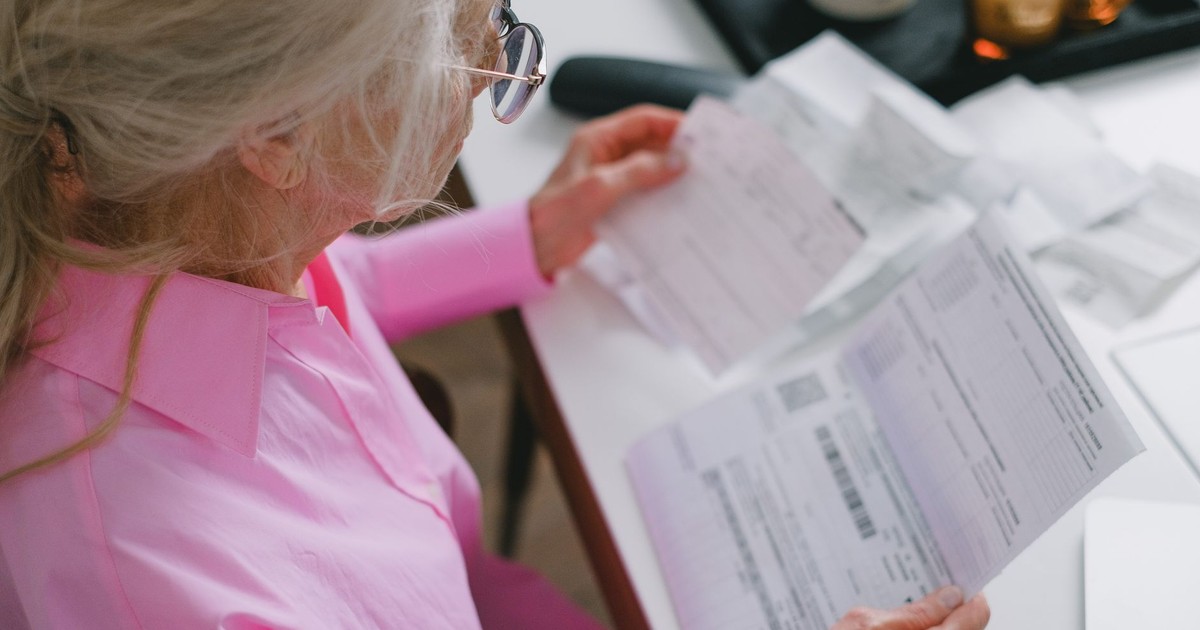
The retirement savings picture for single women is not a gentle gap. According to Boston College’s Center for Retirement Research, single women aged 55 to 64 have about $88,600 in retirement savings, compared to $136,685 for single men and $423,800 for married couples in the same age group. That is not a rounding error. It is a structural chasm, and it catches many women entirely off-guard in midlife when the runway to fix it is shortening.
The reasons are layered and rarely the result of carelessness. Women are more likely to take career breaks for caregiving, which leads to significantly smaller retirement savings. Add to that a persistent gender pay gap, and the single woman who has been earning less than her male counterparts her entire career arrives at retirement with less saved, less Social Security credited, and no second income to absorb the shortfall. The regret, almost universally, is not that she spent recklessly. It’s that nobody told her early enough that she needed to save as if there would never be a second paycheck coming.
2. Letting Deep Friendships Erode Without Realizing It
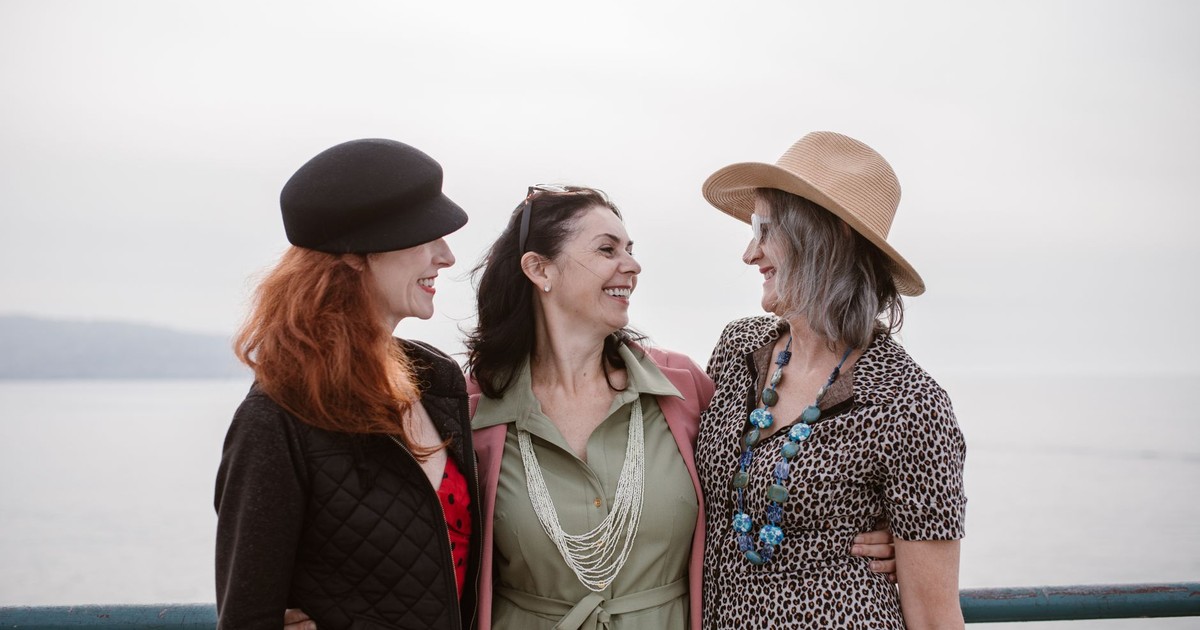
Marriages happen, children arrive, people move, the texts get shorter and then less frequent and then stop. For single women in their 40s and beyond, this erosion can leave a social landscape that is surprisingly sparse by the time they’re 65 and looking for someone to call on a hard day.
The University of Michigan National Poll on Healthy Aging, a nationally representative survey of adults age 50 to 80, found that one in three respondents reported feeling a lack of companionship, and 27% reported feeling isolated from others during the past year. Measures of loneliness remain particularly high among those who live alone and women. The regret here is rarely about being single per se. It’s about having let the maintenance of close friendships slide during the decades when it felt like there would always be time, and discovering that restoring those connections in later life requires an effort the years don’t always support.
3. Waiting Too Long to Address Caregiving Arrangements
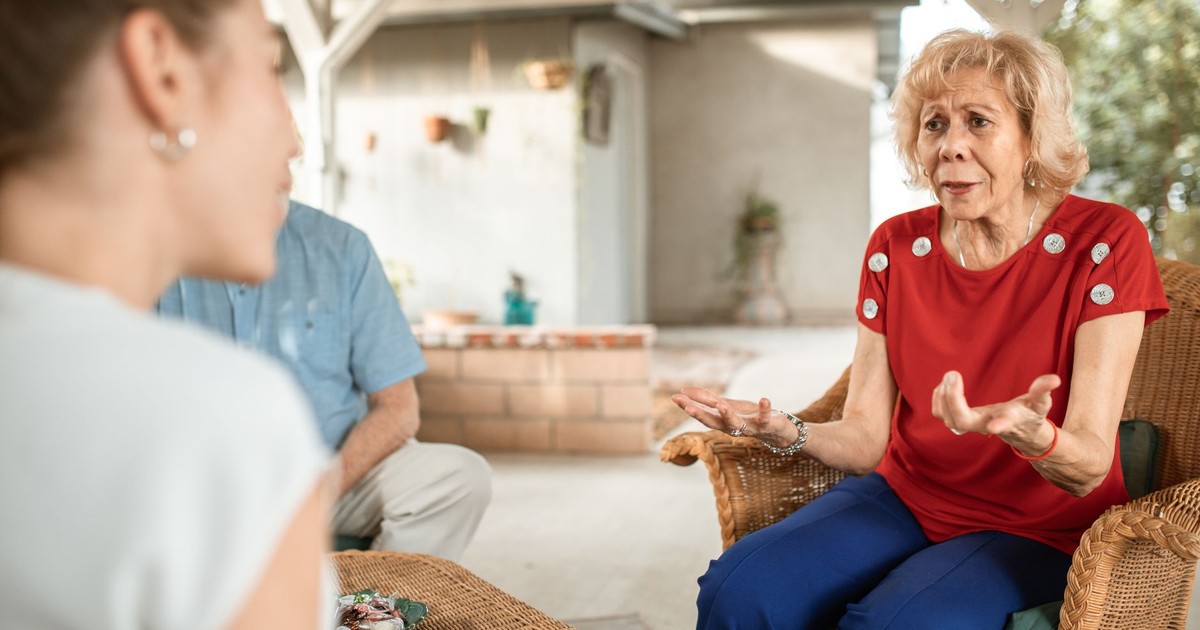
When a woman has a health crisis – a fall, a surgery, a diagnosis – the person who coordinates her care, drives her home from the hospital, and stays the night is usually assumed to be a spouse or adult child. For a woman who has neither, that gap becomes urgent and visible at the worst possible moment.
Not everything can be managed independently; some tasks require a helping hand. Budgeting and finding reliable home help are expenses for both couples and singles, but solo retirees are more likely to face sustained long-term care costs. According to CareScout’s Cost of Care Survey, the 2025 national median hourly rate for non-medical in-home care was $35, with state rates ranging from $24 in Mississippi to $46 in Wyoming. What women who navigate this retrospectively describe is not regret that they were single when illness arrived, but regret that they had not built a concrete plan long before it did – designated contacts, legal documents, a practical support network – because they assumed they had more time.
4. Deferring the Question of Children Until Biology Settled It
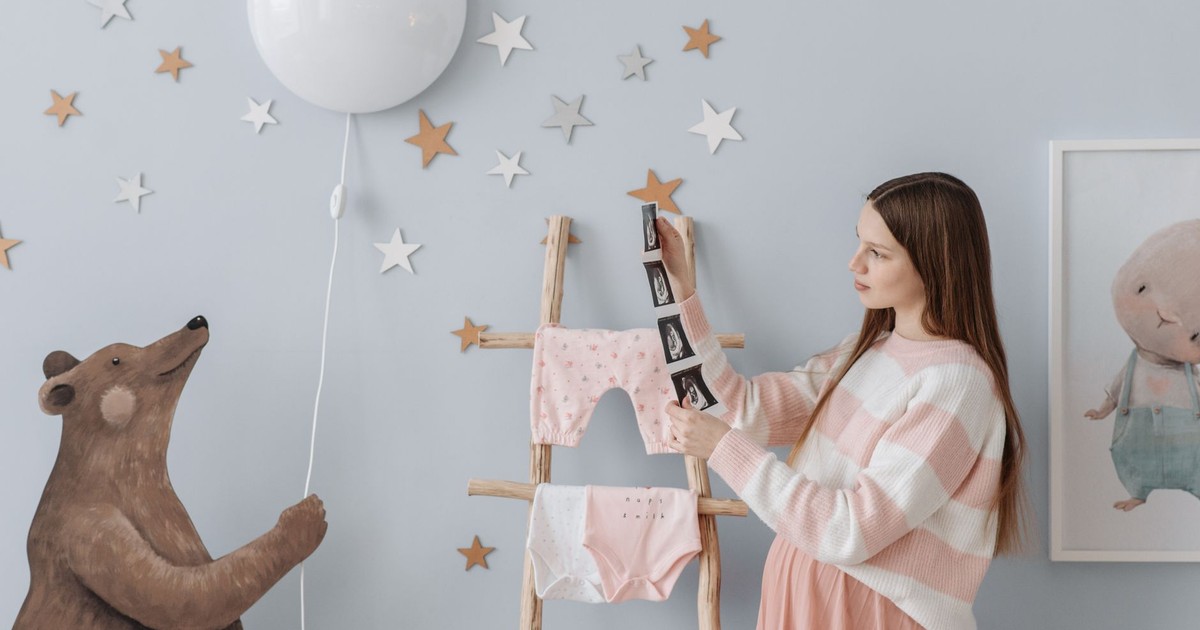
This one deserves care, because not every woman who grows older single wanted children, and the assumption that she must is its own problem. But among single women who did want them, the regret that recurs is less about a partner who didn’t come and more about the deferral itself. The idea that the decision would eventually resolve when life lined up correctly, and the discovery that life does not line up on demand.
A 2025 study in The Gerontologist, based on representative data on Americans over age 50, found that older Americans without living children reported a significantly higher level of loneliness compared to those with living children. That isn’t a statement about whether children are necessary for a meaningful life. It is a statement about what the specific kind of social support that children often provide looks like in practice when it’s absent. Women who wanted children and waited describe a grief that doesn’t fully resolve. It just changes shape.
5. Not Building Housing Security on a Single Income

Homeownership is harder on one income, and many single women spent their 30s and 40s in rental situations they always planned to move beyond – once the income was higher, once things settled, once there was more clarity. The clarity, for some, never came. By the time their 60s arrived, they found themselves renters in a housing market that had moved decisively beyond their means.
Women not only live longer than men but are far more likely to outlive a spouse, experience widowhood, or enter retirement already single. Today, 27% of women in their sixties live alone, compared with just one in five men. A woman living alone in her sixties without owned property faces a rental market with no end date and no equity to draw on. The regret is not always about having chosen a different life. It’s about having underestimated how quickly housing security – or its absence – shapes every other aspect of growing older.
6. Staying in the Wrong Relationships Too Long
The irony here is real. Women who grew older single are sometimes assumed to have avoided relationships, when in fact many spent years in partnerships that cost them time, energy, money, and confidence, and left them at 45 or 52 starting over from a position weakened by the experience. The years spent in a relationship that was clearly not going to lead anywhere useful are years that could have gone toward building financial security, a support network, or clarity about what they actually wanted.
The regret isn’t about having loved badly. It’s about having stayed long past the point of knowing. The relationship that didn’t work at 35 and was still going at 43. The partner who was never going to commit, and who everyone in her life except her could see was never going to commit. Sunk-cost thinking, in relationships as in finance, is expensive.
7. Neglecting Health Investments in Their 40s and 50s
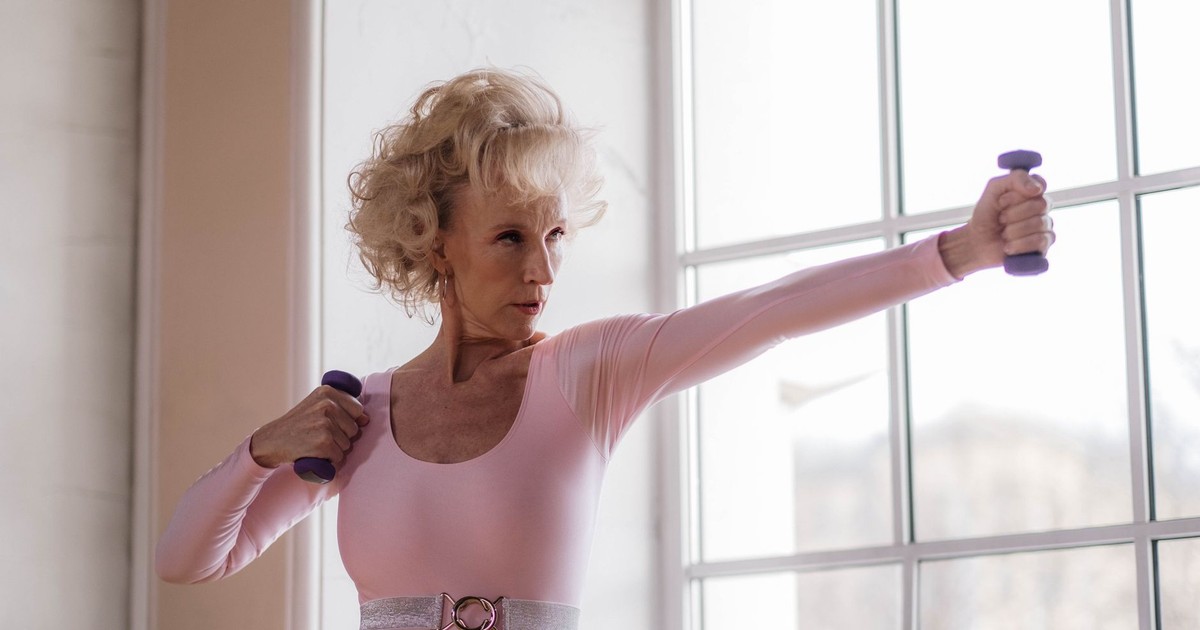
The body’s margin for error narrows as women age, and the habits built or skipped in midlife compound. Women who look back on their 40s and early 50s often name those decades as when the patterns that now define their health were set: the exercise habit that never quite solidified, the sleep they consistently cut short, the stress they managed by ignoring it, the preventive screenings they kept delaying.
The University of Michigan National Poll on Healthy Aging has linked loneliness to adverse physical outcomes, including higher rates of poor self-reported physical and mental health. For a woman aging alone, physical health is not just a personal matter. It’s practical infrastructure. A healthy, mobile woman at 70 has options. A woman whose health deteriorated through years of neglect has fewer. The regret named here is rarely dramatic. It’s mundane: I knew I should have been doing this and I kept not doing it.
8. Not Building a Chosen Family Deliberately
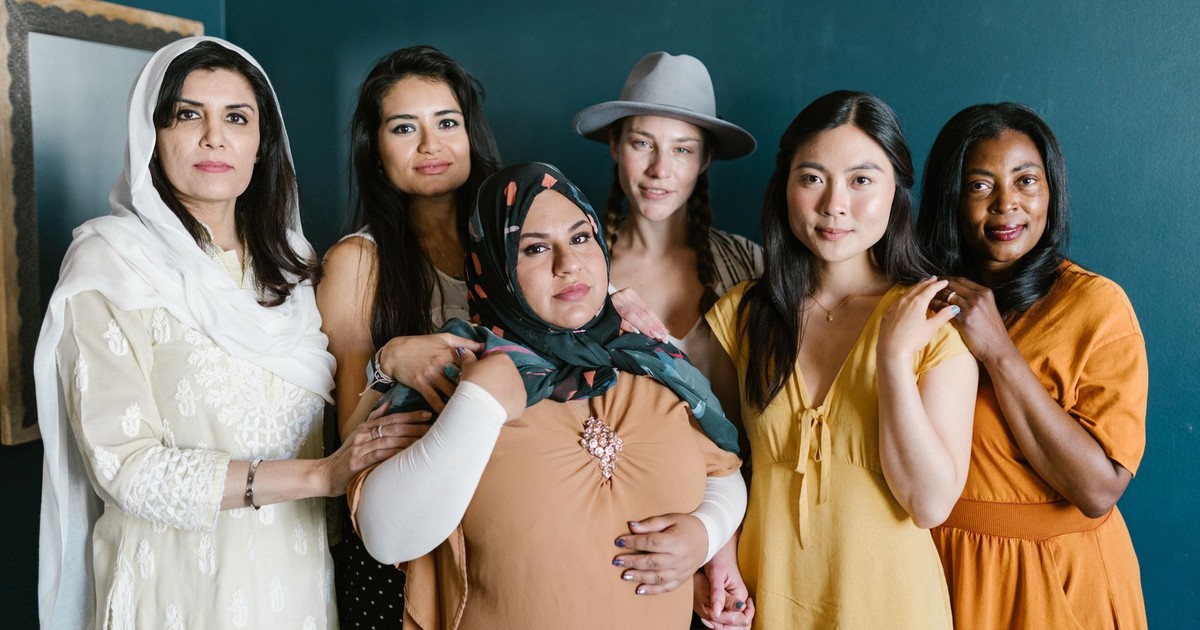
Family, for a single woman without children, doesn’t build itself the way it does around a household of kids. It requires decision and effort: the nieces and nephews she invested in, the friendships she treated with the seriousness of kinship, the neighbors she actually got to know, the communities she joined with intention. Women who didn’t do this deliberately often look back and recognize that they assumed connection would happen organically, and that the assumption was wrong.
Chosen family is not a consolation prize for people who didn’t get the biological version. For many women, it turns out to be richer, more intentional, and more sustaining than what family of origin provided. But it requires building. The regret, for women who arrive at 70 without it, is almost always: I wish I had started building earlier, and I wish I had taken it more seriously when I was building.
9. Avoiding Legal and End-of-Life Planning

Nobody wants to spend a Saturday afternoon completing a healthcare proxy, a durable power of attorney, and advance directives. For married people, these documents matter but are often informally backstopped by a spouse who at least knows the person’s wishes. For a single woman, the legal documents are not backup. They are the entire plan.
Women who grow older single and who failed to put these structures in place when they were well describe a specific kind of dread: the awareness that if something happened tomorrow, there is no one with automatic legal authority to speak for them. The regret isn’t existential. It’s entirely practical, and it’s fixable at any point. But the fixing requires confronting a set of questions about mortality that are much easier to defer when you’re busy and healthy and 52.
10. Not Pursuing Travel and Experiences With the Energy They Had
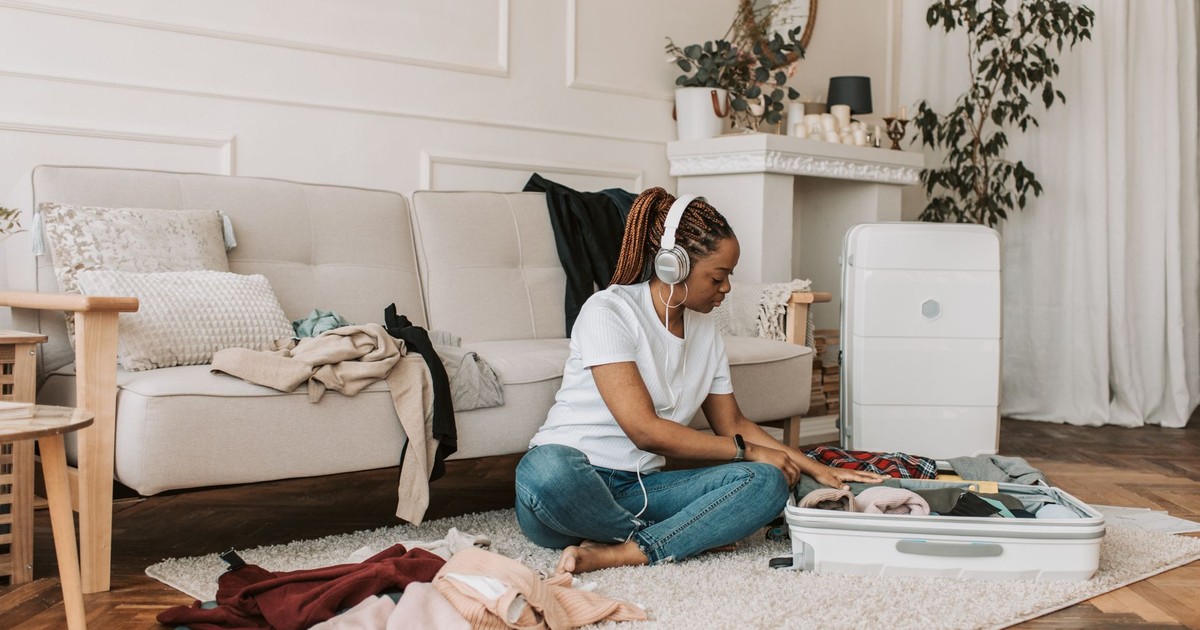
Waiting for a partner to travel with often means not traveling at all. A solo trip to Portugal feels different from a trip shared with someone. It also feels different from no trip at all, which is what the waiting sometimes produces.
Women who grew older single and who spent their 40s and 50s in reasonable health and financial stability sometimes describe looking back at that window and recognizing it for what it was: the years of maximum freedom and minimum constraint. The children they might have had were not there demanding school schedules be worked around. The health limitations of later age were not there narrowing what was physically possible. The regret is about having used the window, in part, to wait for conditions that never arrived.
11. Underinvesting in Their Sense of Identity Outside of Relationships

Many women define a significant portion of their self-concept around being a partner, a potential partner, or someone in the process of finding partnership. When the years pass and the partnership doesn’t come, that identity vacuum can be disorienting in ways that have nothing to do with loneliness in the conventional sense. It’s a question about who you are when the relationship that was supposed to anchor your story didn’t happen.
Women who built identity outside of romantic relationship status – through careers they found meaningful, through creative practice, through causes they cared about, through friendships they invested in deeply – consistently describe more resilience in the later years. The regret, named by those who didn’t do this, is less about being single and more about having allowed singlehood to function as a waiting room rather than an actual life.
12. Not Talking to Parents and Older Relatives Before They Were Gone
This regret is not unique to single women, but it has a particular texture for them. A woman who is married or partnered tends to process family of origin in relation to another person: what her partner thinks of her mother, how the holidays are negotiated, how the difficult family history gets integrated into a shared life. For a single woman, that processing often happens more privately, and the window to have the conversations she never had with her parents can close before she fully understood it was open.
The specific regret is rarely about things left unsaid in a general way. It’s precise: the story she wanted her grandmother to tell, the explanation she never got for a family rupture she only understood the edges of, the acknowledgment she needed from a parent who died without offering it.
13. Not Investing in Their Living Space as a Permanent Home
Single women often maintain a low-level posture toward their living arrangements: the apartment that’s fine for now, the furniture that was always supposed to be temporary, the neighborhood that works but never quite felt like home. The implicit assumption is that a real home is something that comes later, with a partner, at a stage of life that currently doesn’t exist yet.
The regret that surfaces is about having spent years in spaces that didn’t fully receive their investment – emotional or financial – because the investment always felt like it was waiting for a future that would justify it. A woman who planted herself in a community, made her home genuinely hers, and built roots in a place tends to describe better outcomes in later life than one who spent decades in provisional arrangements.
14. Measuring Too Much of Their Life Against What Didn’t Happen
This is the largest one, and the hardest to name without it sounding like a life lesson, which it isn’t meant to be. The single women regrets that carry the most weight in later life are often not about specific choices. They are about the years spent measuring the life that was happening against the template of a life that wasn’t – the relationship that didn’t come, the children that didn’t follow, the conventional arc that stayed just out of reach – and letting that measurement colonize the present.
Women who report the least regret in later life describe having, at some point, genuinely stopped orienting their life around what it lacked and started orienting it around what it contained. This is not a feel-good platitude. It is a specific perceptual shift that takes time and usually doesn’t happen by deciding to make it happen. You can’t will yourself to stop measuring, but you can make the life in front of you interesting enough that the measurement becomes less compelling. That turns out to be both harder and more achievable than it sounds.
Read More: 14 Things People Regret the Most When They’re Dying
The Part That’s True Regardless
Not every woman who grows older single experiences these regrets. Many describe a life of genuine freedom and self-determination, with none of the apologetics that used to accompany that admission. The landscape of what a good life looks like has changed enough that single women in their 60s and 70s are no longer necessarily apologizing for having built one.
But the regrets above are real, and they come up again and again in the accounts of women who are far enough along to speak honestly. They are almost never about love itself, in the romantic sense. They are about infrastructure: financial, social, legal, physical, emotional. The woman who named all fourteen of these in hindsight would not necessarily have chosen differently. She would have prepared differently.
What separates the women who describe contentment in their later single years from those carrying heaviest regret is almost always a version of the same thing: at some point, they stopped treating their life as a preliminary draft. Not because they gave up on connection or stopped wanting things to be different, but because they put real resources – time, money, attention – into the life they actually had rather than the one they were still waiting on. That realization can arrive at 38 or at 61. It’s the arrival that counts, not the timing.
Disclaimer: This information is not intended to be a substitute for professional medical advice, diagnosis, or treatment and is for information only. Always seek the advice of your physician or another qualified health provider with any questions about your medical condition and/or current medication. Do not disregard professional medical advice or delay seeking advice or treatment because of something you have read here.
AI Disclaimer: This article was created with the assistance of AI tools and reviewed by a human editor.