

June mood changes happen even though June is the month everyone is theoretically happy. The weather is warm, the days are long, school is nearly out, summer plans are finally in motion. And yet a startling number of women spend the first three weeks of it feeling vaguely terrible – foggy, fatigued, more irritable than the situation warrants, inexplicably flat. Not sick, not sad exactly, just off. The word women use most often to describe it is, in fact, exactly that: off.
What’s strange is how surprised people are by this. Summer has been sold to us as the easy season, the reward season, the one we have been waiting for since February. And so when the longer days arrive and the mood doesn’t follow, many women assume the problem is them – that they are tired because they are not managing their schedule well enough, short-tempered because they haven’t done enough yoga, foggy because they are on their phones too much. The more useful explanation, it turns out, is largely biological. And it involves several systems in the body colliding at once in ways that nobody warned anyone about.
This is not about seasonal affective disorder (the winter kind, where reduced light triggers low mood and oversleeping). What happens to many women in June is a different, overlapping cluster of issues – hormonal, circadian, metabolic – that tend to get dismissed as stress or written off as a personality trait. The dismissal does nobody any favors.
The Light Problem Nobody Talks About

The most immediate culprit is also the most counterintuitive: there is too much light. Not emotionally, not metaphorically. Literally too much light, arriving too early in the morning and staying far too long into the evening, and your body’s internal clock is not as indifferent to this as you might think.
Your circadian rhythm is your body’s internal clock, helping regulate sleep, wakefulness, hormone release, and other biological processes over a 24-hour cycle. It is calibrated to the natural light-dark cycle, which means that when that cycle changes dramatically – as it does in June, when daylight in many parts of the US can stretch past 8 or 9 p.m. – the clock gets confused. Longer days suppress melatonin, making it harder to fall asleep and stay asleep, and this disruption may influence cortisol and insulin balance, increasing cravings and mood swings.
The sleep deficit this creates tends to be invisible at first. You are not losing full hours, just the deep, restorative end of sleep – the part that processes emotion and consolidates memory. After a few weeks of this, you are technically sleeping but not recovering, and the cognitive and emotional gap between those two things is real. Research published in PMC found a bidirectional relationship between mood disorders and circadian rhythms: mood disruption can affect circadian timing, and disruption of circadian rhythms via exposure to artificial light at night can precipitate or worsen mood symptoms in susceptible individuals.
What makes this particularly acute for women is that the female circadian system appears to be more responsive to light than the male one. A 2024 study from PMC found that women typically sleep and wake earlier than men and have earlier circadian timing relative to the light-dark cycle, and a potential mechanism for this is an altered response of the circadian system to evening light. In practical terms: that long, golden June evening light is hitting your internal clock harder than it’s hitting your partner’s, your brother’s, your male colleague who seems perfectly fine. This is not a character flaw. It is biology.
The Cortisol Surprise

Here is the thing most people get wrong about summer: it is not a low-stress season. Physiologically, it may actually be the opposite. Research in the Journal of Applied Physiology – studying whether cortisol displays seasonal rhythmicity in healthy female volunteers, with saliva samples collected every two hours over 24-hour periods in both February and June – found that while cortisol followed a daily rhythm in both seasons, its overall level in summer was significantly higher than in winter.
Cortisol is the body’s primary stress hormone, a compound that is essential and useful in the right amounts and genuinely disruptive when it runs chronically elevated. It governs inflammation, blood sugar regulation, and, critically for mood, how well the brain’s emotional processing centers function under pressure. An elevated cortisol baseline in June means you may be starting each day already slightly more reactive, more fatigued by afternoon, more likely to find a minor irritant catastrophic by evening. The person who snapped at their kid over a misplaced water bottle at 6 p.m. is not a bad parent. She might just have a cortisol level that has been running higher than usual for six weeks.
The heat is part of this. The popular view holds that increasingly hot seasons impose additional stress on the body, potentially leading to increased secretion of stress hormones including cortisol, and research suggests that the magnitude of this increase depends on hydration status. Which brings us, usefully, to the next issue.
The Dehydration-Mood Link Women Experience More Acutely
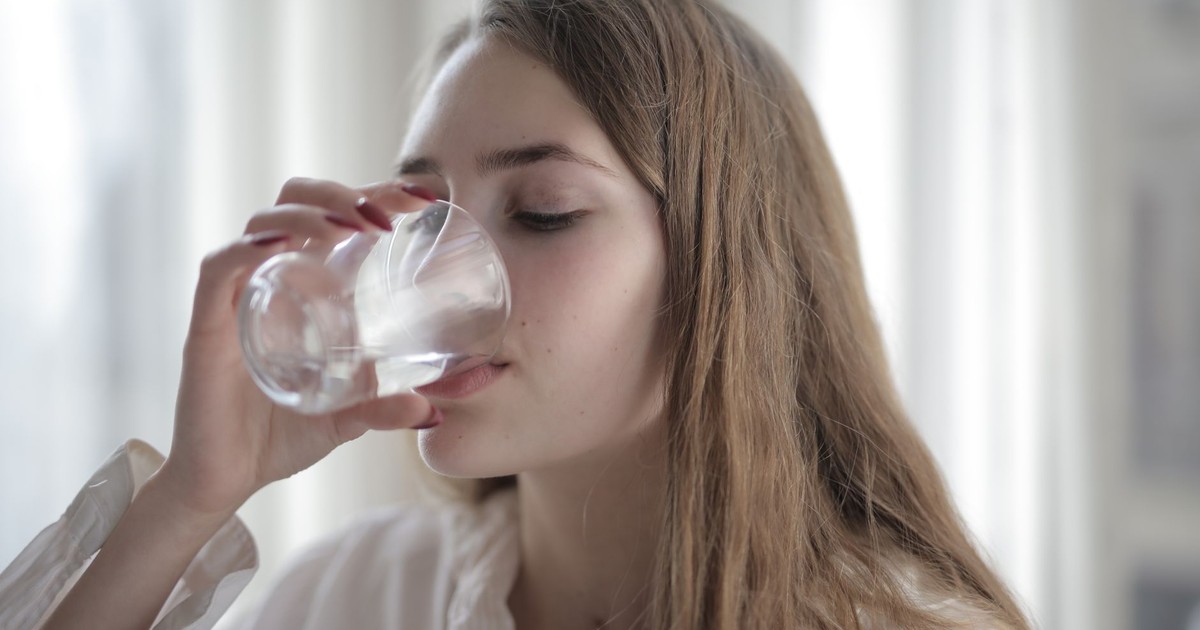
Most people know that not drinking enough water in summer makes them feel sluggish. What is less well known is that the mood effects of mild dehydration fall more heavily on women than men, and that the threshold for those effects is lower than most people expect. You do not need to be visibly parched and dizzy. Mildly underhydrated – the kind you are on a normal warm day when you have been in back-to-back meetings and forgot to refill your water bottle – is enough.
Research published in the Annals of Nutrition and Metabolism found that mild dehydration affected men and women differently: while few changes in cognitive performance were observed in either group, women exhibited a variety of adverse changes in key mood states including fatigue, more headaches, and concentration difficulties, while men did not, leading researchers to conclude that women are more sensitive to the effects of mild dehydration than men.
The mechanism involves the hypothalamus – the brain region that detects fluid changes – signaling the higher-order cortical regions that regulate mood. The physiological mechanism responsible for deterioration of mood due to dehydration is not fully understood, but hypothalamic neurons detect dehydration and may signal higher-order cortical brain regions regulating mood when initial physiological indicators of dehydration appear, resulting in adverse mood and symptoms. That is: your brain registers dehydration before your thirst does, and the first signal it sends is often not “drink water” but “feel worse.”
In June, the compounding is insidious. Heat increases fluid loss. Elevated cortisol from the heat increases stress reactivity. Poor sleep from the extended light hours impairs the coping skills that would normally help you manage that reactivity. And insufficient water intake turns down the volume on emotional regulation even further. None of these factors is catastrophic alone. Together, they produce a woman who feels genuinely terrible and cannot quite explain why.
The Hormonal Layer
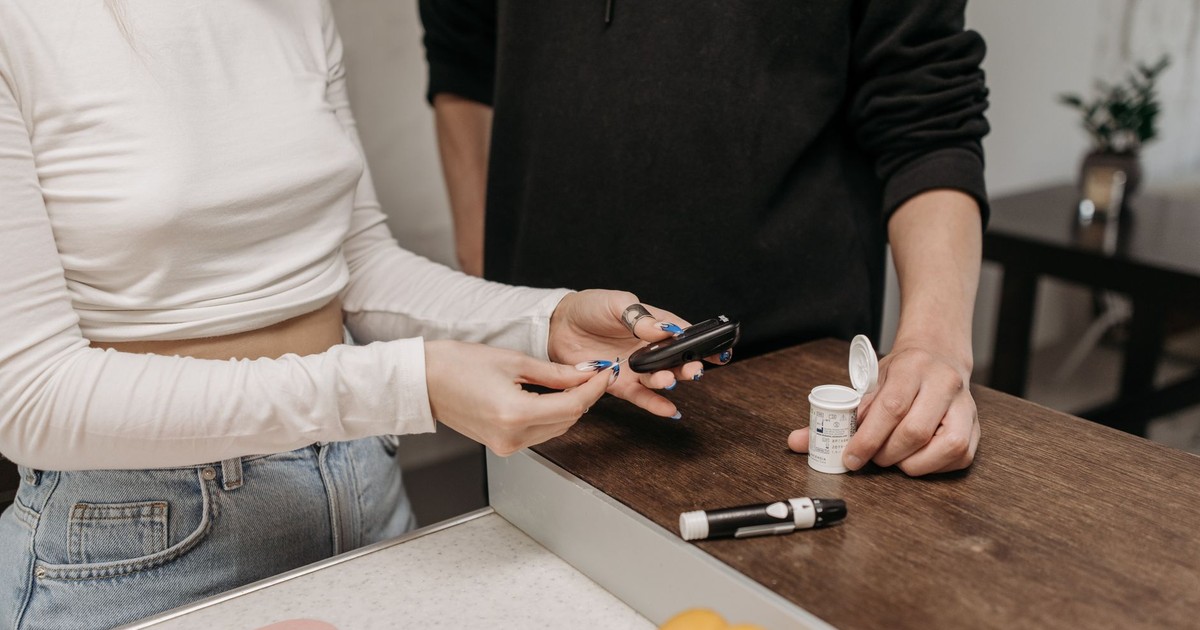
Layered over all of this is the fact that women’s hormones do not operate in a vacuum – they respond to the environment, including the seasonal one. As seasons change, so do the body’s internal rhythms, particularly for women, with hormonal fluctuations throughout the year influencing everything from mood and metabolism to menstrual cycle regularity and sleep quality.
Cortisol follows a natural daily rhythm, typically peaking in the morning and declining at night, but extreme summer heat and dehydration can disrupt this pattern, while cortisol rhythms in autumn and winter tend to stabilize, aligning more closely with normal circadian patterns. For women whose menstrual cycle means estrogen and progesterone are already fluctuating across a 28-day arc, the seasonal disruption to cortisol and melatonin adds another variable to an already complicated hormonal picture. Nothing goes completely wrong. Everything just gets slightly, persistently out of phase with itself.
This matters most at the extremes of the reproductive cycle – for women who are perimenopausal, postpartum, or managing premenstrual mood symptoms – but it is not exclusive to them. Summer’s warmer weather may slightly slow thyroid activity and metabolism, and emerging research suggests that seasonal variations can subtly affect estrogen and progesterone levels. Thyroid hormones regulate energy, temperature, and mood. Even a modest functional change in thyroid output during summer months can translate, subjectively, into the particular brand of flatness that doesn’t feel like depression but doesn’t feel like wellness either.
Summer Seasonal Affective Disorder Is Real

It would be a mistake to talk about the June mood changes without acknowledging that for some, what they’re experiencing is not a mild seasonal blip but a genuine clinical pattern. Summer SAD (seasonal affective disorder) is the less-discussed counterpart to the well-known winter version, and it doesn’t look the same. Clinical presentations differ by season: winter SAD typically involves hypersomnia, increased appetite, weight gain, and carbohydrate craving, whereas summer SAD more often presents with insomnia and loss of appetite.
Summer SAD is not simply “being sad that summer is busy.” It is a recognized mood disorder pattern that tends to involve irritability, anxiety, insomnia, and agitation rather than the low, heavy quality of winter depression. Women who find that June through August reliably brings a version of themselves they don’t particularly like – more snappish, less patient, genuinely not okay – are not imagining a pattern. The pattern is real, and it has a name.
What to Actually Do With This

The first thing to do with this information is to let it settle somewhere useful: you are not failing at summer. You are not ungrateful for warm weather. You are not broken because the season that everyone insists is the good one is, for you, actually the hard one. The biology here is coherent and specific, and it affects far more women than the culture’s relentless enthusiasm for June would suggest.
The practical implications are small-bore but real. The single most underrated intervention is drinking water before your mood degrades far enough to make you wonder what’s wrong with you, because by the time you feel thirsty, you are already behind. Blackout curtains or a sleep mask in summer do the same work as sunrise alarms in winter, and for circadian-sensitive women they are not a luxury item. They are a correction. Going to bed at the same time regardless of how much light is still coming through the window is the most direct way to stop the circadian drift that compounds the whole problem.
The cortisol piece is harder, because summer is genuinely busier for many women – school transitions, schedules in flux, the invisible labor of managing everyone’s unstructured time. There is no single fix for that. But knowing that your baseline cortisol is physiologically elevated in summer rather than just situationally elevated means you can extend yourself more grace on the days when everything feels louder than it should.
What This Means for You

Some of these patterns go back further than a single June. The woman who has felt this way every summer since her mid-thirties, who has spent years assuming it was her attitude or her workload or her failure to meditate consistently, may find that naming the biology changes something about how she holds her own experience. Not because biology is destiny, or because understanding the mechanism resolves the feeling. But because “my body is responding to the season in a measurable, documented way” is a different sentence than “something is wrong with me,” and the first one is both truer and considerably easier to live inside.
The June version of yourself is not a worse version. She is a version operating under conditions that nobody adequately described to her. Knowing those conditions exist is not the same as fixing them, and that is fine. You don’t need a solution to feel less alone in a pattern. You just need the pattern to have a name.
Disclaimer: This information is not intended to be a substitute for professional medical advice, diagnosis, or treatment and is for information only. Always seek the advice of your physician or another qualified health provider with any questions about your medical condition and/or current medication. Do not disregard professional medical advice or delay seeking advice or treatment because of something you have read here.
AI Disclaimer: This article was created with the assistance of AI tools and reviewed by a human editor.