
Pediatric emergency rooms fill every June with cases that follow the same patterns: pool parties, backyard trampolines, Fourth of July celebrations. Emergency physicians track the same injuries every summer, from activities that appear on every family’s calendar.
When doctors who specialize in pediatric emergency medicine are asked what they prohibit for their own children, the list includes pool parties, fireworks displays, and trampoline parks. The danger is documented in federal injury data. In most cases, the difference between a summer memory and an ER visit comes down to one decision made before the activity starts.
1. Jumping at Trampoline Parks

Trampolines sent approximately 26,000 children to emergency rooms in the summer months of 2023, according to a 2025 SafeHome.org analysis of federal injury data. That made trampolines the third most common source of child ER visits that season, behind only bicycles and swimming incidents.
The American Academy of Pediatrics recommends that children of all ages avoid trampolines. The American Academy of Orthopaedic Surgeons reports that more than 75% of trampoline injuries occur when two or more children are jumping simultaneously and collide.
About 55% of trampoline park injuries result in fracture or dislocation. Commercial parks add factors that backyard trampolines don’t have: multiple strangers jumping at once, height differences between children, foam pits that can trap limbs at wrong angles. One jumper at a time prevents the majority of collisions.
2. Unsupervised Open-Water Swimming
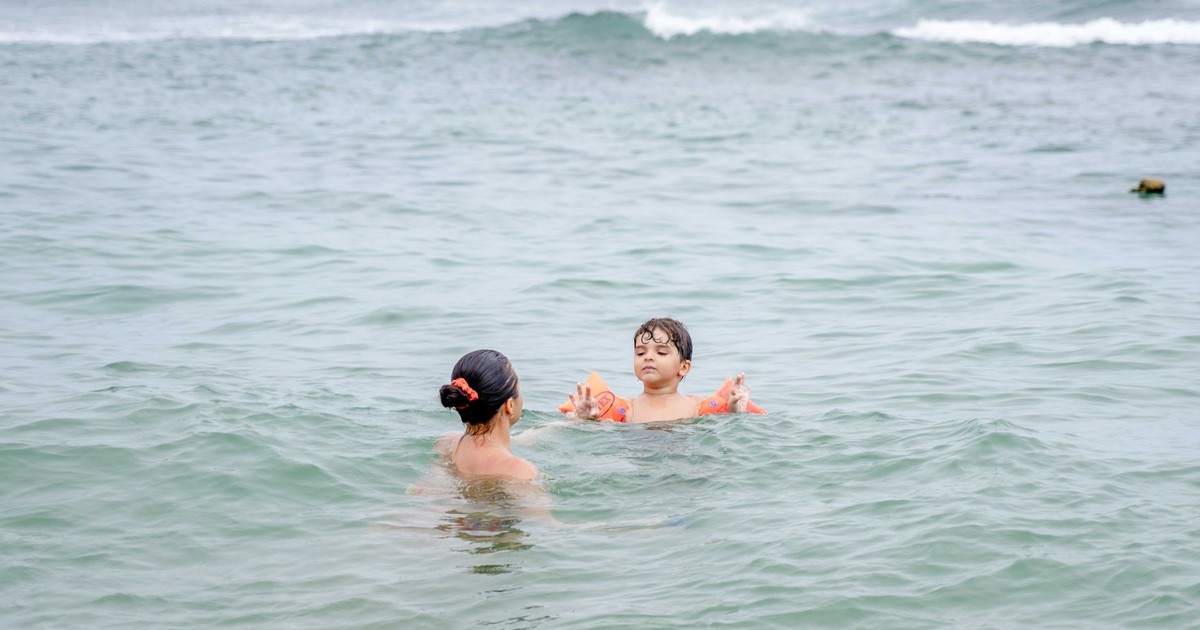
Over 4,000 unintentional drowning deaths occur in the United States every year on average, according to the CDC. Drowning is the leading cause of death for children ages 1 to 4. More than 4,500 people drowned each year from 2020 to 2022, roughly 500 more per year than in 2019. Drowning among children ages 1 to 4 increased by 28% in 2022 compared to 2019.
Drowning is fast and silent. Small children can go under in inches of water. Serious injury or death can happen within 30 seconds. Victims typically cannot call out for help. Open-water swimming with children requires a designated water watcher: one adult whose only job, for that entire time, is watching the water.
Children ages 1 to 4 who took part in formal swim lessons had an 88% lower risk of drowning, according to a study in JAMA Pediatrics. Swim lessons cut drowning risk but do not eliminate the need for supervision in open water.
3. Consumer Fireworks, Including Sparklers

The most current data from the U.S. Consumer Product Safety Commission shows 15 reported fireworks deaths in 2025 and an estimated 13,000 people injured. Hands and fingers accounted for 35% of all injuries. Head, face, and ears accounted for another 22%. Burns were the most common injury type, making up 38% of all ER visits.
Sparklers burn at temperatures of about 2,000 degrees Fahrenheit, hot enough to melt some metals. A child who trips holding one, or who gets too close to another child’s sparkler, can sustain a third-degree burn in a fraction of a second.
Pediatric ER doctors classify consumer fireworks, all of them, as activities to avoid for families. Professional displays eliminate the injury risk that roadside fireworks create.
4. Bike Riding Without a Properly Fitted Helmet
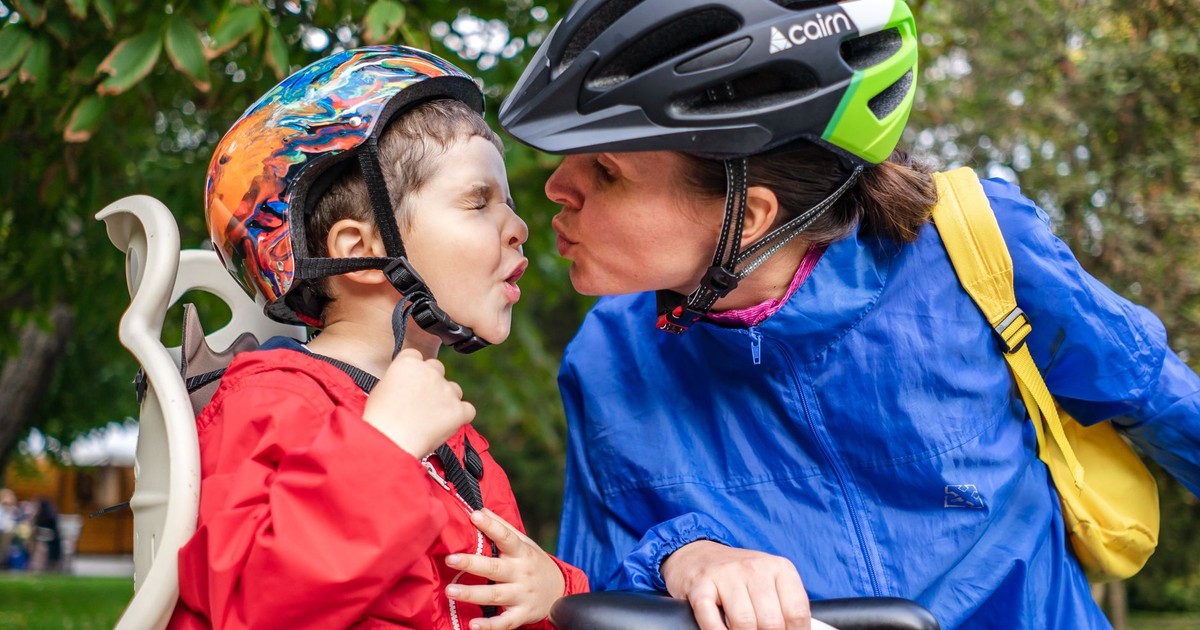
Hundreds of thousands of children visit the ER every year for bike injuries, according to Consumer Reports. A properly fitted helmet reduces the risk of head injury by up to 88%. Only about 42% of children always wear one when riding.
Head injuries from bike crashes can affect memory, attention, and mood for months. Severe traumatic brain injuries are permanent.
A helmet that sits too high on the forehead, or rocks back when pushed, fails to protect the skull. Children grow. Last year’s helmet may not fit. Two fingers’ width above the eyebrow, straps forming a V just below each ear, and a chinstrap that allows only one finger underneath: that fit prevents the injury.
5. Boating Without a Life Jacket
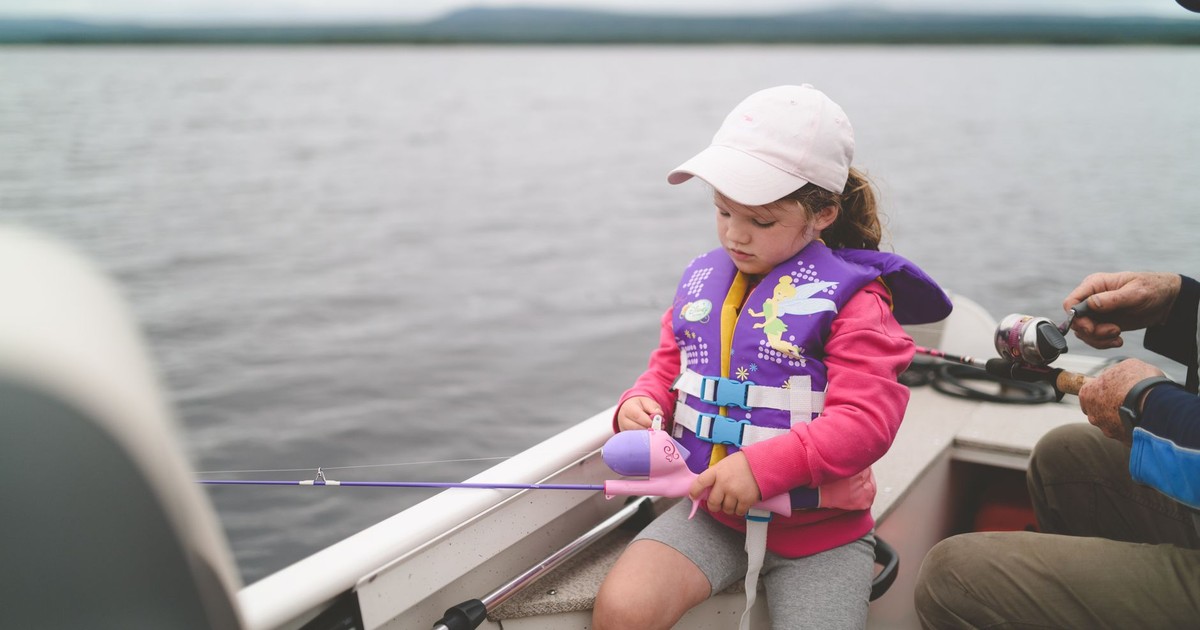
There were 564 boating fatalities in 2023, according to the U.S. Coast Guard’s 2023 report. Where cause of death was known, 75% of victims drowned. Of those drowning victims with reported life jacket usage, 87% were not wearing one.
A child who falls overboard can be disoriented by the impact, pulled by a current, or too panicked to use skills that work fine in a pool. A properly fitted, Coast Guard-approved life jacket keeps a child’s face above water even if they are unconscious. The jacket goes on before the boat leaves the dock.
What These Risks Have in Common
The summer safety risks that send children to the ER most often are backyard parties, fireworks, lake trips, and neighborhood bike rides. ER physicians see these injuries arrive in clusters every season: a trampoline fracture that needs surgery, a fireworks burn covering a child’s hand, a bike crash concussion that disrupts a school year. The time between the activity and the injury is often measured in seconds. Recovery is measured in months.
The five minutes before the activity starts, checking the helmet, putting on the life jacket, watching the water, prevent most injuries. Families that make it through summer without an ER visit are usually a few decisions ahead, not luckier.
Disclaimer: This information is not intended to be a substitute for professional medical advice, diagnosis, or treatment and is for information only. Always seek the advice of your physician or another qualified health provider with any questions about your medical condition and/or current medication. Do not disregard professional medical advice or delay seeking advice or treatment because of something you have read here.
AI Disclaimer: This article was created with the assistance of AI tools and reviewed by a human editor.