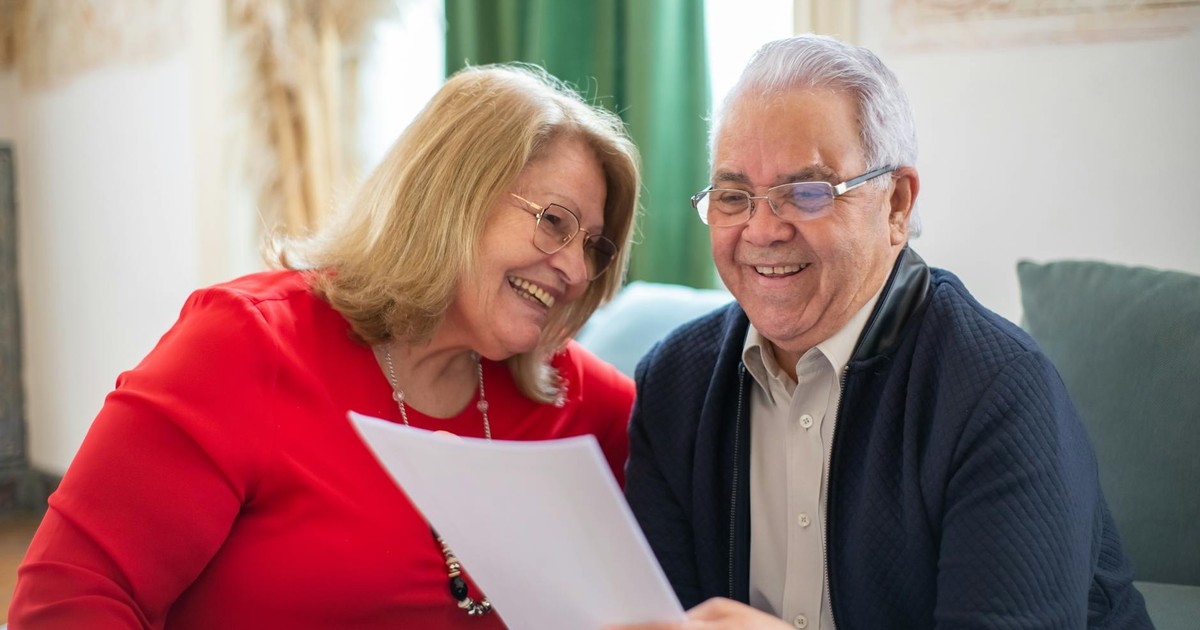

Most old people stereotypes get dismissed as ageist nonsense, and plenty of them deserve exactly that. But a handful of them? Science has been backing them up for years. Not in a cruel way, not in a way that says anything bad about getting older, but in a way that says: some of what you’ve always assumed about aging turns out to be grounded in real biology, real psychology, and real behavioral patterns that researchers keep confirming.
That’s worth talking about honestly. The conversation around old people stereotypes has, understandably, been dominated by the pushback. Ageism is real, it causes harm, and a lot of the cultural assumptions about older adults are flat-out wrong or wildly exaggerated. But the overreaction to ageism sometimes leads to the opposite problem: pretending that nothing actually changes with age, that every single stereotype is a fabrication. That’s not honest either. And treating adults like they can’t handle the truth about aging isn’t respect – it’s just a different flavor of condescension.
So here’s a look at 15 old people stereotypes that, when you dig into the actual evidence, turn out to have more than a grain of truth to them. Some are physical, some are psychological, some are about habits and preferences. Most of them come with a genuinely interesting “why” underneath. Understanding them doesn’t mean endorsing ageism. It means understanding aging.
1. They Wake Up Early

The grandparent who’s already had breakfast, done the crossword, and walked the dog before you’ve opened your eyes isn’t just an early riser by personality. It’s biology. Circadian rhythms change as people age, often leading to disrupted sleep patterns. Specifically, the internal body clock shifts earlier, a phenomenon researchers call “advanced sleep phase.” The urge to go to bed at 9pm and wake at 5am isn’t a quirk – it’s the body’s clock doing something genuinely different from what it did at 35.
According to MedlinePlus, the transition between sleep and waking is often abrupt for older adults, which makes them feel like lighter sleepers than when they were younger. Less time is spent in deep, dreamless sleep, older people wake up an average of three or four times each night, they are more aware of being awake, and they wake more often because they spend less time in deep sleep. Waking at 5am and getting up, rather than lying there staring at the ceiling, is often just the pragmatic response.
2. They Don’t Sleep as Well
Related to waking early but distinct from it: the stereotype that older people sleep poorly is, unfortunately, well-supported. Nearly half of men and women over the age of 65 report having at least one sleep problem. That’s not a minority experience. It’s closer to a majority one.
Common sleep changes that emerge with advancing age include shifts in circadian rhythms, decreases in deeper sleep stages, fragmented sleep, and a connection between other health conditions and sleep disruption. The result is that sleep becomes less restorative over time, not because older people care less about rest, but because the underlying biology makes it harder to achieve. Changes in the production of hormones such as melatonin and cortisol, according to the Sleep Foundation, play a role in disrupted sleep in older adults. As people age, the body secretes less melatonin, which is normally produced in response to darkness and helps promote sleep by coordinating circadian rhythms. Less melatonin means less natural sleep pressure – and that translates directly into lighter, shorter, more broken nights.
3. They Talk About the Past a Lot

Spend enough time with older relatives and the stories start to repeat. The fishing trip from 1987. The blizzard of 1978. The boss who deserved it. This is another stereotype that gets written off as mere nostalgia or forgetfulness, but it’s actually rooted in something real about how memory changes with age.
Autobiographical memory – the kind that stores personal stories and life events – is relatively well-preserved in older adults compared to other types of memory. Meanwhile, working memory (the kind that handles new information in real-time) becomes less reliable. The practical effect is that older adults have a rich, accessible library of long-term memories and a filing cabinet for new information that’s a little harder to open. Reaching for what you know well – the stories with detail and emotion and texture – isn’t a failure. It’s the brain playing to its strengths. The APA Monitor notes that some cognitive skills, such as reaction times, tend to slow a bit over time – but other cognitive abilities remain robust and even improve.
4. They Become More Set in Their Ways
The “stubborn old person” trope has a bad reputation, and in many contexts it’s been weaponized unfairly. But there’s a real underlying pattern here that research consistently describes. As people age, they tend to optimize rather than experiment. Preferences become more fixed: the same restaurant, the same chair, the same route to the grocery store. It’s not cognitive rigidity in any clinical sense. It’s the efficiency of decades of information-gathering narrowing down to what works.
Older adults tend to become more agreeable and more conscientious over time, and greater conscientiousness in practice often means more attachment to systems and routines that already function. That’s not the same as being closed-minded – it’s the cost-benefit analysis of someone who’s seen enough new approaches to know that most of them don’t stick. The person who insists on doing things a certain way usually learned the hard way that the other ways didn’t work.
5. They’re More Emotionally Stable

This one actually flips the negative stereotype. People assume that old age brings crankiness and emotional fragility – and while there are factors that can make older adults more emotionally vulnerable (health issues, loss, isolation), the broader research picture tells a different story. A 2023 editorial in Frontiers in Psychology observed that, given aging is generally associated with decline, it is notable that older adults tend to be more adept at regulating their emotions – a way of compensating for other changes. This shows up in a smaller yet more intimate social circle and an active tendency to repair mood by focusing on positive information.
This is sometimes called the “paradox of aging” – the fact that many measures of emotional wellbeing actually improve into older adulthood even as physical health declines. Older adults are generally better at letting go of negative emotions, less reactive to interpersonal conflict, and more focused on what feels meaningful rather than what feels urgent. The grumpy old man stereotype exists, but research on emotional regulation in aging consistently suggests the average emotional experience of older adulthood is calmer than younger people expect.
6. They Move More Slowly
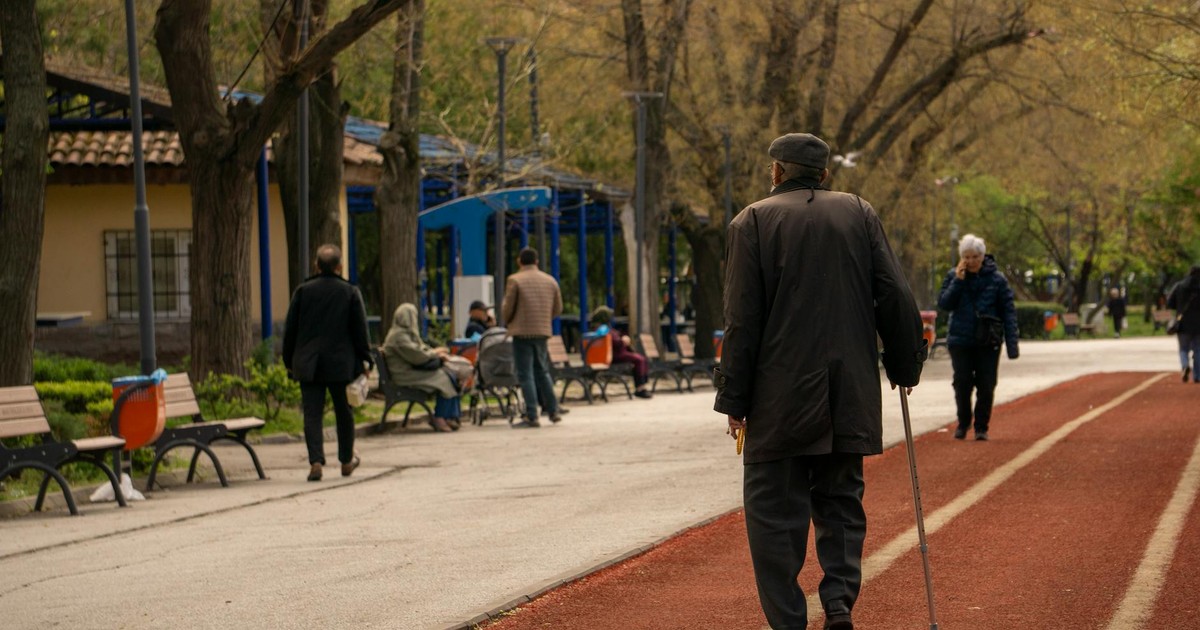
This one needs no argument. Processing speed – the rate at which the brain handles incoming information and generates responses – does slow with age. Reaction times lengthen. Physical movements take longer, not just because of muscle and joint changes, but because the neural signals directing them travel somewhat more slowly. Some cognitive skills, such as reaction times, do slow a bit over time – that part is simply true.
But slower doesn’t mean worse. Older adults tend to compensate for reduced processing speed with greater caution and more deliberate decision-making. They make fewer impulsive mistakes. They check before they step. That measured pace which looks like slowness from the outside is often, on the inside, a careful adjustment to the body’s actual capabilities.
7. They Complain About the Noise
The stereotype of the older person who finds everything too loud – the music at the restaurant, the TV volume the grandchildren choose, the general ambient chaos of modern life – turns out to have a real sensory basis. Age-related hearing changes mean that older adults often struggle specifically with distinguishing sounds against background noise, even when their overall hearing is still functional.
This is separate from hearing loss in the pure-tone sense. It’s a processing issue: the brain struggles to pick out the signal from the noise. A dinner table with six people talking becomes genuinely harder to parse than it was at 40. So the person asking you to turn it down, or leaning in at a restaurant looking pained, isn’t being precious. They’re dealing with a genuine perceptual shift that makes loud, complex soundscapes more effortful to follow.
8. They Feel the Cold More

The older relative who wants the thermostat set at 75 while everyone else is sweating is a source of endless gentle family comedy. But it reflects a genuine physiological change. Thermoregulation – the body’s ability to maintain a stable internal temperature – becomes less efficient with age. Blood circulation to the extremities decreases, the layer of subcutaneous fat that provides insulation thins over time, and the metabolic rate slows, generating less internal heat.
The result is that older adults are genuinely more sensitive to cold environments, not more sensitive to the idea of cold. Their baseline is different. The shivers at 68 degrees aren’t theater. Research into age-related thermoregulatory changes confirms this isn’t perception – it’s physiology adjusting to a body with different thermal characteristics. Turning up the heat is a completely rational response.
9. They Hoard Things
This one can feel uncomfortable because hoarding is associated with disorder and mental health struggles in younger people. But a milder version – the reluctance to throw things away, the saved rubber bands and plastic bags and folded gift wrap – is extremely common in older adults and has a specific cultural and psychological explanation that has nothing to do with pathology.
People who grew up during periods of scarcity (wartime rationing, economic depressions, periods of genuine material instability) developed conservation habits that became deeply encoded. Saving things that “might be useful” wasn’t irrational – it was adaptive. Those habits persisted even when material conditions changed, because the emotional logic behind them never quite updated. The plastic bag isn’t just a plastic bag; it’s the residue of an era when waste was genuinely dangerous. Calling it hoarding misses the point entirely.
10. They Repeat Themselves
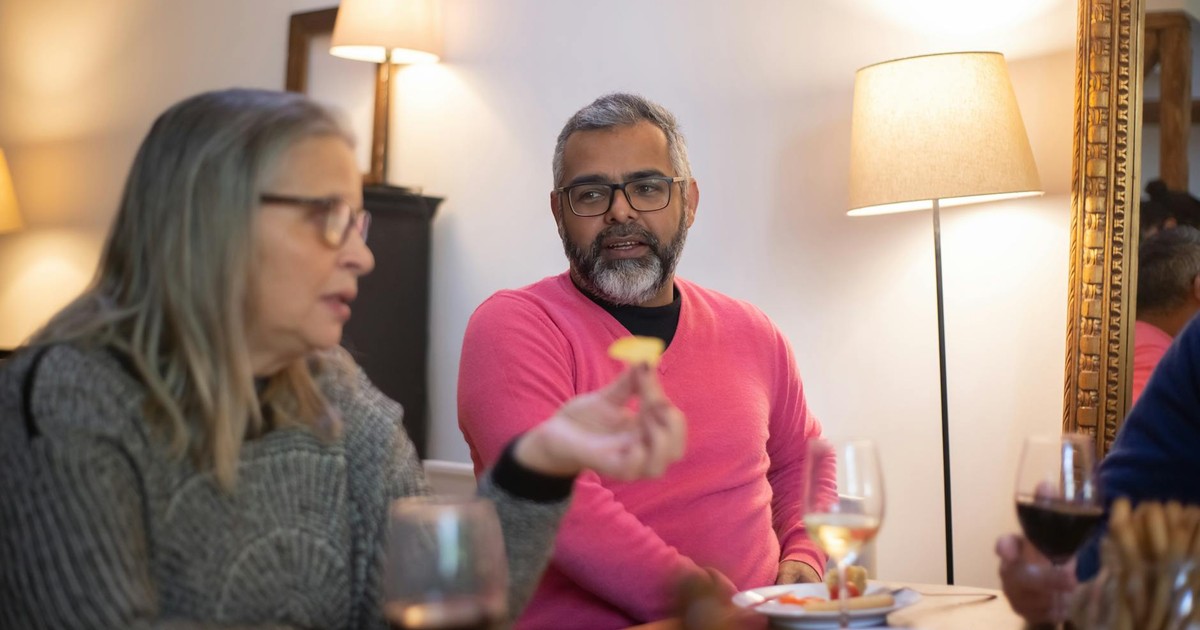
The repeated story – told at Thanksgiving, at Easter, at every family gathering for a decade – is one of the most universally recognized old people stereotypes. And while it can reflect more serious memory issues when severe, in its milder everyday form it reflects changes in memory encoding and retrieval that are genuinely common with age.
Working memory, which acts as the brain’s short-term scratchpad, becomes less reliable over time. Part of its job is to flag what you’ve already said to a particular person. When that flagging system becomes less efficient, you reach for a vivid, emotionally meaningful memory and deliver it with full sincerity – because from inside the experience, it may not register as already-said. The story isn’t stale to the person telling it. It’s still complete and worth telling. That gap between internal experience and external repetition is real, not performative.
11. They Drive Too Slowly
The slow driver in the left lane with their blinker on for three miles is a cultural cliché for a reason. Age-related changes to vision, reaction time, and processing speed all converge on driving behavior in measurable ways. Older drivers tend to compensate for reduced reaction time by increasing following distance and reducing speed, which is the correct thing to do from a safety standpoint.
Research on older drivers consistently finds that while crash rates per licensed driver increase in the oldest age groups, crash rates per mile driven show a more complicated picture. Many older drivers self-regulate by avoiding highways, night driving, and bad weather. The slow driving isn’t incompetence – it’s usually a reasonable accommodation to genuine changes in response speed and visual acuity.
12. They’re More Religious or Spiritual

The image of the older person who goes to church every Sunday, who prays regularly, whose faith becomes more central with age – this is another stereotype with consistent data behind it. Surveys across multiple countries and decades show that religious participation and the subjective importance of spirituality tend to increase in older adulthood, particularly after around age 70.
Part of this is generational. Part of it is selection: people who live longer may be, on average, drawn toward practices that provide community and meaning. But part of it is something more fundamental: facing mortality changes the calculus of what matters. Whether the anchor is religious faith, a broader sense of spiritual connection, or simply a deepened engagement with the question of meaning, it’s consistently more present in older adults than in younger ones.
13. They’re More Generous
This one tends to surprise people, but the research on giving behavior across age groups is fairly consistent: older adults give more, both financially and in terms of time. Volunteering rates are higher in the 65-and-over age group than in most younger adult groups. Charitable donations, as a proportion of income, tend to increase with age. According to the UAB Institute for Human Rights, ageism is a problem that has become ingrained in American culture in many ways – yet older adults remain among the most civically engaged groups, which makes their generosity all the more striking against a backdrop of how little recognition they receive.
With greater emotional steadiness and a longer view of what matters, giving tends to feel more meaningful rather than more costly. The generous older relative isn’t performing virtue. They’ve just done the arithmetic differently.
14. They’re Resistant to New Technology
The stereotype of the older person who can’t work their phone, who calls for help with the wifi, who distrusts anything that launched after 2005 – it’s been used lazily and often unfairly. Plenty of older adults are completely comfortable with technology, and the gap has been narrowing. The APA Monitor notes that not all cognitive abilities inevitably worsen with age – and digital literacy is no exception to that. Many older adults are tech-savvy and engaged online.
But there’s still a real pattern here, and it’s not about intelligence. Adopting new technology requires not just learning the mechanics but re-encoding habits – overwriting what your hands already know how to do. Older adults have more existing habits to overwrite and, crucially, a more realistic assessment of whether the new thing is actually better than what they’re already doing. The resistance isn’t irrational. It’s the cost-benefit analysis of someone who’s seen enough technology trends to know that not all of them stuck around.
15. They Appreciate the Simple Things More
The last one is probably the most positive, and it’s also the one most consistently supported by psychological research. Older adults report higher levels of satisfaction from everyday, low-key pleasures – a good cup of coffee, a walk, a conversation, an afternoon in the garden – than younger adults in comparable situations. This isn’t resignation or settling. It’s a genuine shift in what registers as rewarding.
Most older adults maintain quite good health and cognitive functioning, and within that functional health, the emotional palette tends to favor depth over intensity. The person sitting with their coffee, looking out the window with what appears to be complete contentment, isn’t bored. They’ve just gotten much better at knowing what they actually like. That’s not a stereotype to pity. It’s one to look forward to.
What This Actually Means
The negative stereotypes that fuel ageism often get aging all wrong. That’s mostly true, and it’s an important corrective. But the more honest version of that statement is: some of what we assume about older adults is wrong, some is exaggerated, and some – as this list shows – is grounded in real, measurable changes that happen to all of us if we’re fortunate enough to keep aging.
Research published in the APA Monitor found that people encounter aging stereotypes while they are still young, and because the stereotypes don’t apply to them yet, they don’t challenge them. As a result, once people are older, they may be more inclined to accept negative views of their age group without question. The problem was never that a few biological patterns existed. The problem is that they got turned into a story of decline, of incompetence, of “less than.” A person who wakes at 5am because their circadian rhythm shifted, who repeats a story because their working memory is different, who drives slowly because they’re compensating for changed reaction times – none of that is a reason to dismiss, condescend to, or underestimate anyone. The damage isn’t the biology. The damage is how we interpret it.
Understanding what’s actually changing, and why, is the more respectful path – both toward the older adults in your life and toward the version of yourself that’s still a few decades away. Getting older doesn’t look the way the stereotypes suggest. It looks like someone who’s had the time to figure out what actually matters – and has mostly stopped pretending otherwise.
Disclaimer: This article was created with AI assistance and edited by a human for accuracy and clarity.