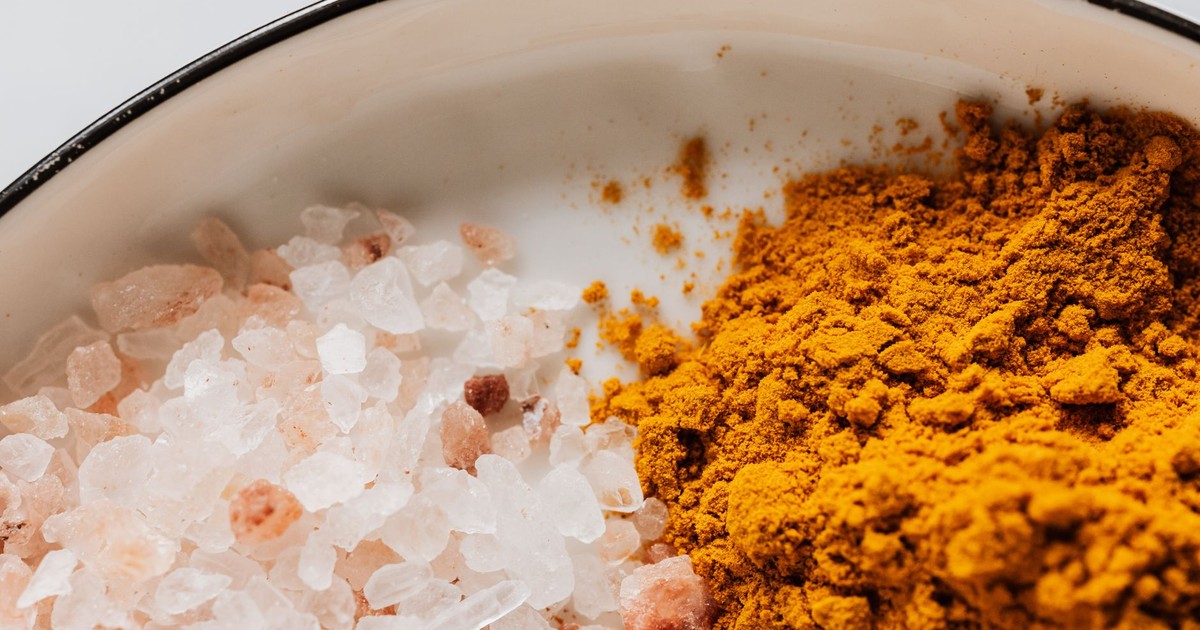

Your kidneys filter roughly 200 liters of blood every single day, regulate blood pressure, balance minerals, and produce hormones that tell your bone marrow to make red blood cells. A meta-analysis estimated the prevalence of chronic kidney disease at 13% of adults globally. That is one in eight adults carrying a condition that most people cannot feel until it has already done significant damage.
The conversation about kidney health tends to center on what to cut out: less salt, less processed food, less protein in certain stages of disease. But there is a parallel conversation happening in research labs and nephrology clinics about what you might actively add to your diet that could help. Specifically, whether the spice rack sitting in your kitchen has more to offer your kidneys than anyone has told you.
Some spices have real biological activity in the kidney. Some have promising early data from animal studies that haven’t translated cleanly to human trials. Some are entirely safe to use generously as a salt replacement and that alone has meaningful value. A few require some caution, particularly if you are already managing kidney disease.
Why Inflammation Is the Enemy Your Kidneys Can’t Afford

Oxidative stress and inflammation are major contributors to chronic kidney disease progression. Think of oxidative stress as a kind of slow rusting, an accumulation of unstable molecules called free radicals that steadily degrade cells. The kidneys, because they are so metabolically active and handle so much blood volume, are particularly exposed to this process.
Many culinary spices are extraordinarily rich in polyphenols and other antioxidant compounds. Some of the most studied spices show meaningful capacity to reduce oxidative damage and dampen inflammatory signaling in kidney tissue. The challenge is separating the well-evidenced claims from the wishful ones, and understanding the difference between what works in a lab and what is confirmed in human beings.
Turmeric: The Most Studied Spice for Kidney Health
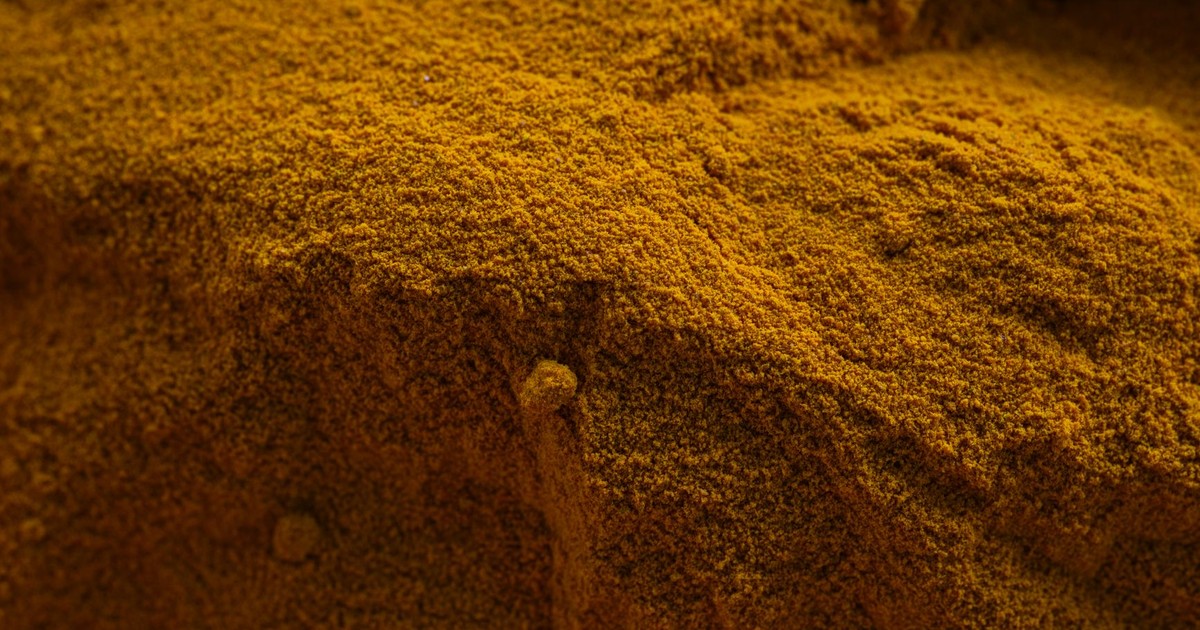
Turmeric earns the top position because no other spice has been examined as extensively in the context of kidney disease. The active compound responsible for most of turmeric’s biological activity is curcumin, the polyphenol that gives turmeric its distinctive yellow color. Curcumin has been shown to lower blood biomarkers of oxidation and inflammation in patients with CKD.
The broader body of evidence suggests that curcumin has potentially positive effects on lipid profiles, blood pressure, inflammatory markers and oxidative stress, liver and kidney function, and several other clinical outcomes. One particularly relevant finding from a 2025 umbrella review in Frontiers in Pharmacology noted that oral turmeric supplementation significantly reduced proteinuria levels in patients with CKD compared to placebo. Proteinuria is the presence of protein in the urine, one of the key markers of kidney damage.
Human clinical trials are still catching up to the animal data. Curcumin also has notoriously low bioavailability on its own. The body absorbs it poorly when it’s just mixed into food, which is why many researchers pair it with piperine, the active compound in black pepper. Piperine can significantly increase absorption. If you’re cooking with turmeric regularly, adding a pinch of black pepper to the same dish is not a quirky wellness trend; it has a biochemical rationale behind it.
For people already managing kidney disease, the National Kidney Foundation notes that spices including turmeric are low in sodium and generally safe in cooking quantities, though large supplement doses warrant a conversation with your nephrologist first.
Ginger: The Spice With the Most Promising Emerging Data
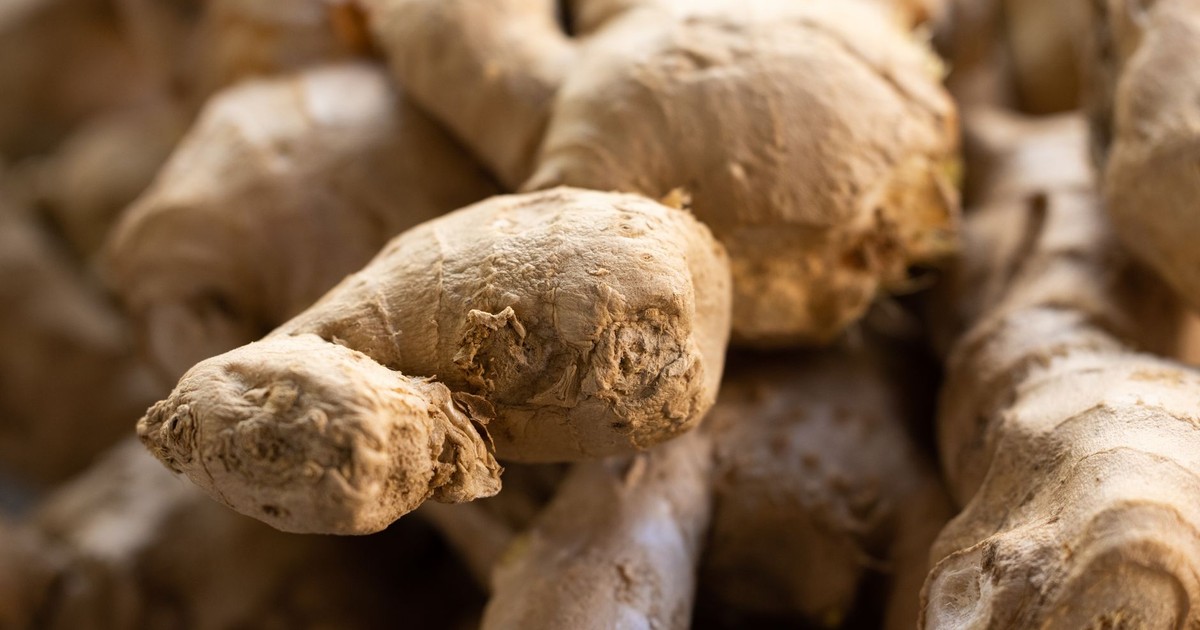
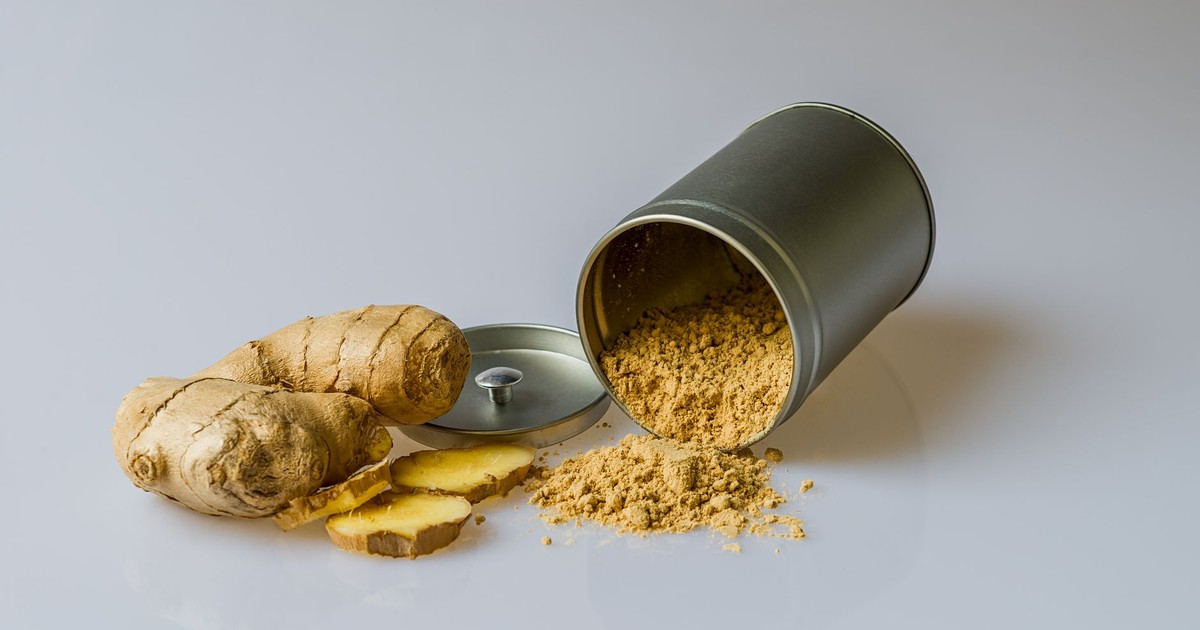
Ginger possesses numerous biological functionalities, including antioxidative, anti-inflammatory, immune-regulatory, and anti-apoptotic properties. It plays a crucial role in the management of kidney health due to its bioactive constituents, which are extensively implicated in antioxidant activity, anti-inflammatory activity, amelioration of endothelial dysfunction, inhibition of cell apoptosis and necrosis, mitigation of renal fibrosis, and promotion of autophagy.
The key bioactive compounds are gingerols, shogaols, zingerone, and paradol. They appear to work through several mechanisms that are directly relevant to how kidney disease progresses. In clinical trials, ginger’s effect on blood sugar, blood lipid, and inflammatory factors improved kidney function.
A 2025 review in the Journal of Food Biochemistry summarized the current state of ginger research in kidney health comprehensively. An earlier systematic review of animal studies, which looked specifically at diabetic kidney disease, found that ginger supplementation was associated with a significant decrease in blood glucose in 28 studies, nine studies showed a significant reduction in malondialdehyde (an oxidative stress marker) after supplementation, and seventeen studies showed decreased serum levels of creatinine. Creatinine is one of the primary waste products the kidneys are supposed to clear, so elevated serum creatinine is a direct signal of impaired kidney function. Reducing it is not a trivial finding.
Most of the strongest ginger data still comes from animal studies. Human trial results are promising but not yet definitive at scale. That said, ginger used in cooking carries essentially no downside for most people. It’s sodium-free, anti-inflammatory, and genuinely flavorful in ways that make reducing salt intake feel less like a punishment.
Cinnamon: The Blood Sugar Spice Your Kidneys Actually Notice

Cinnamon’s case for kidney health is more indirect but no less important. Chronic kidney disease is significantly linked to diabetes and hypertension, and cinnamon is one of the most studied culinary spices for its capacity to support healthy blood glucose levels. Since uncontrolled blood sugar is one of the primary drivers of kidney damage, and its effects accumulate with every year it goes unaddressed, anything that helps keep glucose in check is doing kidney-protective work, even if it isn’t targeting the organ directly.
Research on cinnamon and kidney inflammation specifically is still building. The mechanistic evidence, how cinnamon’s compounds interact with inflammatory pathways relevant to kidney tissue, is documented in the scientific literature and points toward genuine biological activity. But the human clinical data in CKD populations remains limited.
What cinnamon offers right now, without any asterisk, is a zero-sodium way to add depth and sweetness to food. For anyone managing diabetes alongside kidney disease, that practical value should not be underestimated. Adding cinnamon to oatmeal, roasted vegetables, or a cup of tea is the kind of small swap that compounds across months and years of eating.
Garlic: The Spice That Pulls Double Duty
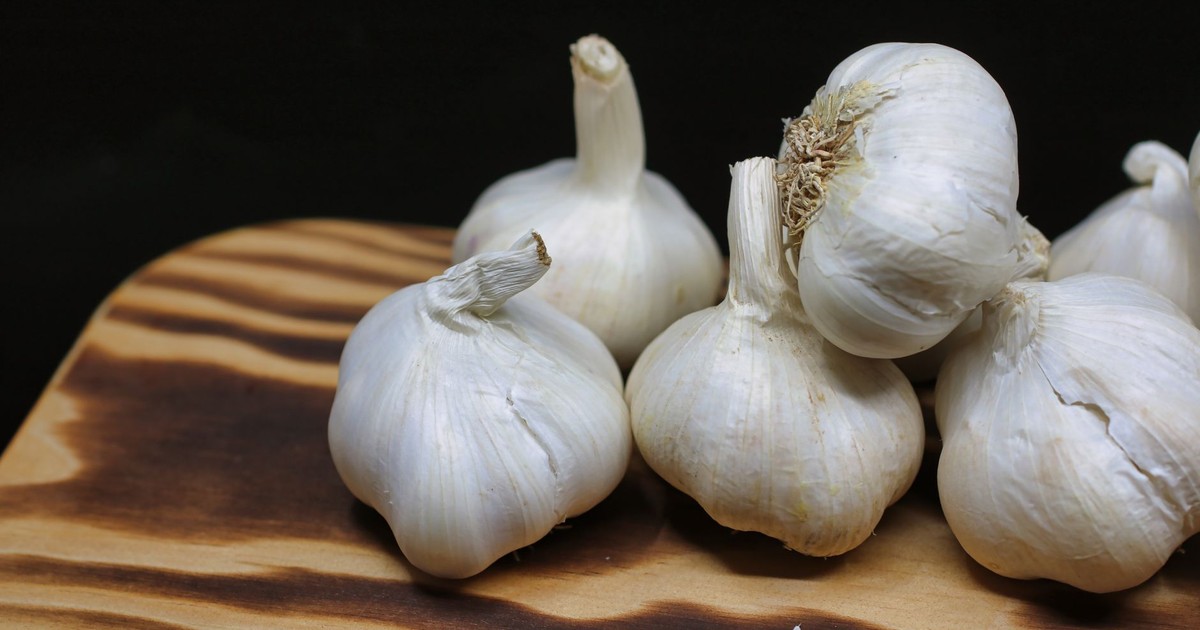
Garlic occupies an interesting position because its benefits are well-established in two areas that feed directly into kidney health: blood pressure and inflammation. High blood pressure is one of the most common causes and consequences of CKD, a two-way damage relationship that makes blood pressure control central to slowing disease progression. Garlic, in both fresh and powdered form, has robust evidence behind its blood pressure-lowering effects. It is also low in sodium, which makes it one of the most practical salt alternatives available.
The connection between sleep, blood pressure, and kidney function is one that often gets overlooked. Research in Hypertension documents that mild and severe sleep restriction are both associated with higher blood pressure, which has downstream implications for kidney health.
Garlic doesn’t significantly raise potassium or phosphorus in the amounts used in cooking, which makes it appropriate across most stages of kidney disease. That is not true of all herbs and spices. Parsley, for instance, is high in potassium and requires moderation in advanced CKD. Garlic’s clean profile across kidney-relevant dietary restrictions is genuinely useful.
Capsaicin: The Hot Stuff With Surprising Renal Research
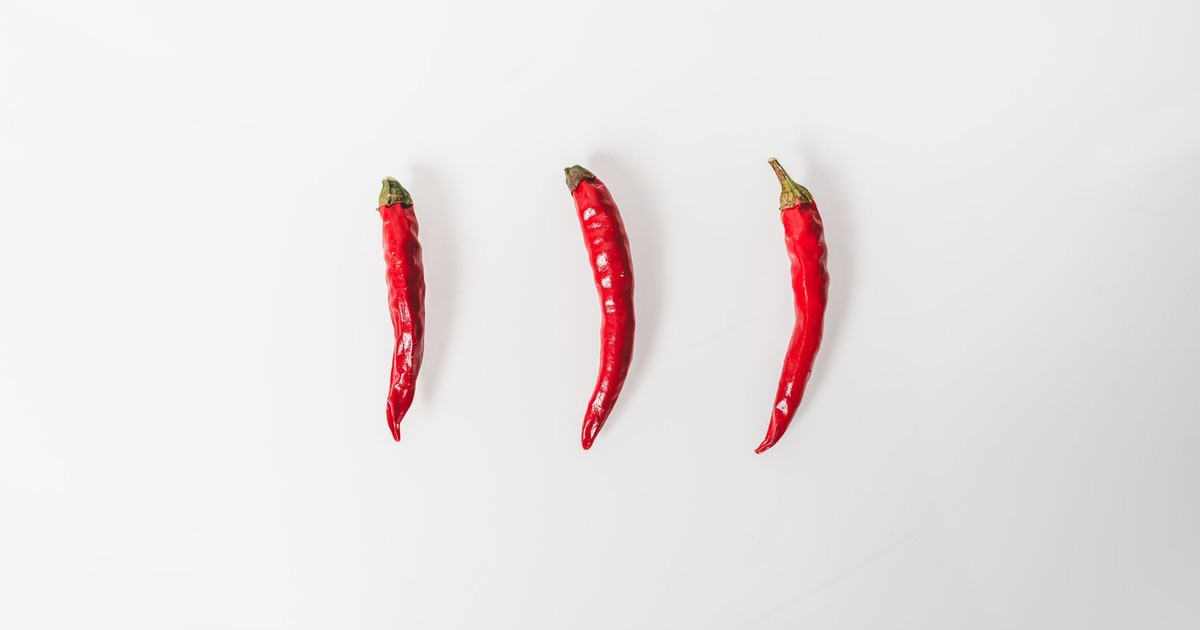
Capsaicin is the compound that makes chili peppers hot. Research published in 2024 reviewed the effects of capsaicin in renal physiology and found biological mechanisms by which capsaicin interacts with kidney function, including effects on blood pressure regulation and inflammation pathways in kidney tissue.
A small human trial involving intravesical (bladder-administered) capsaicin found increases in urinary output and estimated glomerular filtration rate (eGFR, a key measure of how well the kidneys are filtering blood). The researchers noted that future clinical studies are needed to clarify the benefits for kidney function, particularly in chronic kidney disease. This is early-stage research, and eating spicy food is a very different thing from the administration methods used in some of these studies. But the biological logic is interesting enough that capsaicin is no longer a footnote in nephrology research.
For people who enjoy spicy food and aren’t dealing with gastrointestinal issues that make it uncomfortable, there is no known kidney-related reason to avoid it, and modest benefits may well be building in the background with consistent use.
The Sodium Swap That Ties It All Together

Every spice on this list does something specific in the body. But they all also do one thing collectively that may be the most practically powerful effect of all: they make it possible to eat less salt without feeling like you are suffering through food you don’t enjoy. A high-sodium diet can worsen or accelerate chronic kidney disease, and reducing salt intake helps lower blood pressure, prevent fluid buildup, and support better kidney function. Simple changes like using herbs and spices instead of salt can make a significant difference.
The barrier to reducing sodium is almost never knowledge. Most people who need to lower their salt intake already know they need to lower their salt intake. The barrier is that food tastes flat and unsatisfying without it. A well-seasoned dish built around turmeric, ginger, garlic, cinnamon, and a measure of heat from chili does not taste like deprivation. It tastes like dinner.
What This Actually Means for Your Kitchen
The research on spices and kidney health is genuinely promising, and in the case of ginger and turmeric, it’s substantive enough that nephrology researchers are running clinical trials and publishing in major journals. But no spice is a substitute for medical management of kidney disease, and some people at specific stages of CKD need to be mindful even of items that seem universally benign. Oxalate content in certain spices can be relevant for people prone to kidney stones, for instance.
Building a diet around anti-inflammatory, low-sodium, antioxidant-rich spices is not wishful thinking. It is a dietary pattern that operates on the same biological pathways that pharmaceutical researchers are actively targeting. Your kidneys are doing complicated, relentless work on your behalf. The least complicated thing you can do in return is make dinner interesting without reaching for the salt shaker.
If you’re managing any kidney condition, the conversation about diet is worth having specifically with your nephrologist or a renal dietitian, because the details matter and they vary by disease stage. But if your kidneys are healthy and you’re thinking about how to keep them that way, the spice rack is an underrated starting point.
Disclaimer: This information is not intended to be a substitute for professional medical advice, diagnosis, or treatment and is for information only. Always seek the advice of your physician or another qualified health provider with any questions about your medical condition and/or current medication. Do not disregard professional medical advice or delay seeking advice or treatment because of something you have read here.
AI Disclaimer: This article was created with the assistance of AI tools and reviewed by a human editor.