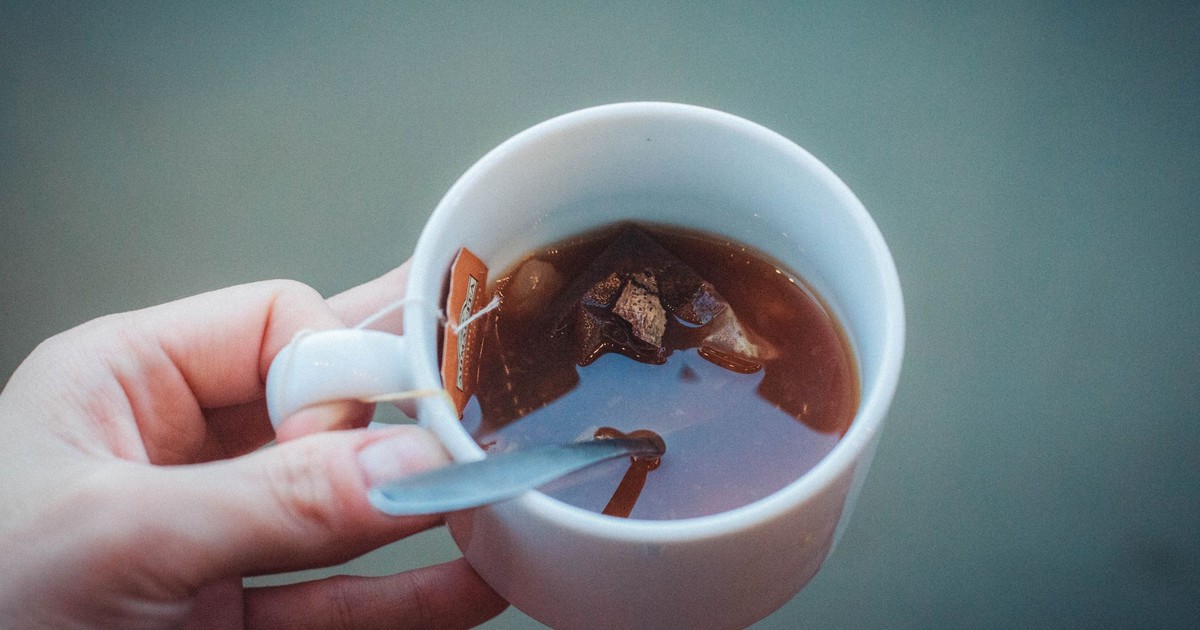

Every tea drinker has done it: pulled a used bag out of the mug, looked at it for a moment, and thought about giving it another round. The bag looks fine. It’s still damp. There’s clearly some color left in there. You set it on a little saucer next to the kettle, tell yourself you’ll decide later, and then come back three hours later to find it sitting in a sad puddle, and you throw it out anyway because something about it now looks vaguely suspicious.
The answer involves flavor chemistry, food safety, the composition of the bag itself, and a question about what those bags might be releasing into your cup in the first place. It depends almost entirely on which rules you’re willing to follow.
Yes, You Can, but the Window Is Smaller Than You Think
According to Jee Choe, a coffee and tea sommelier who blogs about hot beverages at Oh, How Civilized, you can reuse a tea bag up to two times — two additional steeps beyond the first brew. That ceiling exists for both flavor and safety reasons.
The real catch is timing. Reusing a tea bag immediately is safe, but “you should not use it after it has set out for a few hours to maybe a day, as dangerous bacteria can start to grow.” That window narrows faster than most people realize. Leave a damp used tea bag on a saucer at room temperature while you go about your morning, and by the time you remember it, the conditions for bacterial growth are well underway. The bag is moist, warm, and rich in organic material.
A tea bag reused immediately after the first steep, within 15 to 20 minutes, carries less risk than one left out for hours. If you’re not going to use it within that window, place the damp bag in a sealed container and refrigerate it, ideally using it within the same day. Once it dries out completely, it can become a breeding ground for bacteria or mold.
Not All Tea Bags Are Equal Candidates for a Second Round
The type of tea matters as much as the timing, and getting this wrong is why some reused bags produce a genuinely enjoyable second cup while others taste like the memory of tea.
Black and herbal teas lose their flavor more quickly, while green, oolong, and white teas tend to hold up better to a second use. Black tea has already given most of what it has in the first steep, and what remains tends to go bitter or flat rather than mellow.
The shape and quality of the bag also play a role. Pyramid tea bags with higher quality ingredients may brew multiple good cups of tea, especially green and white teas. Squeezing the bag can release tannic acids that make the tea taste bitter. Press gently to remove excess water, then let it rest on a saucer or plate rather than wringing it out.
Loose-leaf teas typically re-steep better than bagged teas, as the leaves are whole and offer more flavor than the tea leaf dust often found in pre-packaged, store-bought tea bags. If you have a reusable infuser and a higher-quality loose leaf, you’re working with considerably more flexibility than with a standard flat bag from the grocery store.
The Microplastics Issue Nobody Warned You About
Many commercially available tea bags, including some that appear to be made from paper, are sealed or constructed using heat-resistant plastics like polypropylene and nylon to maintain their shape during brewing. When those bags are steeped in boiling water, those plastics do not stay put. A December 2024 study by the Autonomous University of Barcelona found that tea bags release between 8 million and 1.2 billion microplastic and nanoplastic particles per milliliter of boiling water, and that these particles are readily absorbed by cells in human intestines.
That number means not a few particles, but potentially billions, per cup, per steep. When you reuse the bag, the concern doesn’t necessarily go away with subsequent steepings. A 2024 study on microplastics released from tea bags found that when bags were rinsed three times with water at room temperature, the amount of microplastics released was reduced by 76 to 94 percent. That is a significant reduction, and it suggests a quick rinse of a new bag before its first steep could make a real difference, though the research was conducted under lab conditions that don’t perfectly mirror how anyone actually makes tea at home.
Check what your bags are made of. Paper bags sealed with plant-based adhesives, or bags made entirely from cotton or unbleached paper, carry a much lower plastic load than the silky pyramid bags, which are often made from nylon or polyethylene terephthalate. If you’re reusing bags regularly and drinking multiple cups a day, the cumulative exposure becomes worth considering.
How to Actually Do It Safely
The difference between a second steep that works and one that goes wrong is almost entirely about what you do between cups. Most people skip the between-cup protocol entirely, which is why reused tea bags have a reputation for being either flavorless or faintly unpleasant.
Remove the bag from your mug promptly after the first steep. Leaving tea bags in water can lead to a bitter taste as it overly steeps the leaves. Set it on a clean saucer or small plate and let it drain naturally. Don’t squeeze, don’t press it against the side of the mug, and don’t leave it sitting in a puddle of its own making. If you’re going to use it again within the next 20 minutes or so, cover it lightly to keep it from drying out.
If your second cup isn’t happening for a few hours, squeeze out excess water from the tea bag, store it in an airtight container, and refrigerate it to prevent bacterial growth. Use it that day. Do not leave it in the fridge for three days and convince yourself it’s still fine.
For the second steep itself, adjust your timing. The remaining tea compounds will extract faster because the cell walls of the leaves have already been broken down, so the steep time that produced a balanced cup the first time will produce an over-extracted one the second time around. Start checking at about half the original steep duration and go from there based on taste.
What to Do With a Bag That’s Genuinely Done
Once the second use is behind you and the bag has nothing left to give your cup, you’re not necessarily done with it. Used tea bags have a surprising range of practical uses that most people never get around to trying, mostly because throwing the bag away is easier than remembering any of this in the moment.
Chilled tea bags can double as a quick beauty hack: place them under tired eyes to reduce puffiness, or press them against minor sunburns for a soothing effect. Green or black teas are especially effective since their high antioxidants and caffeine levels help calm inflammation. The caffeine constricts blood vessels, which is part of why the puffiness reduction works, and it’s the same reason caffeine appears in a lot of eye cream formulas, at a significantly higher price point than a used tea bag.
Around the house, used bags have a few more applications. You can use them to wipe mirrors and erase streaks, degrease dirty dishes, or even clean bamboo steamers. Used tea bags can also be torn open and the leaves sprinkled directly into soil as a fertilizer, or tossed into the compost. The tannins in tea are mildly acidic and break down in soil in a way that some acid-loving plants, like roses and blueberries, respond well to. It’s not a substitute for proper fertilizing, but as a small supplemental addition to a compost pile, it’s a reasonable use for something that would otherwise go straight to the bin.
Tea bags can also be used to infuse grains like rice or quinoa with a subtle, unique flavor after one or two steeps. This works especially well with strongly aromatic teas like jasmine or Earl Grey: add the used bag to the cooking water for the grain and let it steep while the grain cooks. It’s a low-effort way to add a background note to something otherwise fairly plain.
The Bag Quality Conversation
Standard flat tea bags from mass-market brands are filled with what the industry calls “fannings,” the smallest particles left after whole leaves are processed. These give up their flavor quickly and completely in the first steep, which is by design. They’re built for one cup, brewed fast, at full strength. Asking a fannings bag for a second cup is like asking a disposable razor to last a month.
Toxic kitchen items often include cheap plastic-sealed tea bags, and for good reason: both the plastic seals and the low-quality material inside combine to give you a product that isn’t built for extended use of any kind. Premium tea bags, particularly pyramid-shaped ones containing whole or nearly whole leaves, are a different proposition. The leaves have more surface area, more intact structure, and more extractable flavor. They can genuinely support a second steep and sometimes a third.
If you find yourself routinely dissatisfied with the second steep from your current bag, that’s less about whether reuse is possible and more about whether the bag you started with had anything left to give. The answer, in most cases with grocery-store flat bags, is: not really.
What the Second Cup Is Actually Good For
If you want the same experience you had the first time, a reused tea bag will generally disappoint you. The flavor will be lighter, the caffeine will be lower, both because less remains and because it extracts more slowly, and if you’re using a black tea, the tannin balance will be off in a way that most people notice even if they can’t name it. A reused bag is genuinely useful for a gentler cup: something less stimulating, lighter in flavor, lower in caffeine. For an afternoon cup when you don’t want a full hit of caffeine but still want the warmth and the ritual of tea, a second steep makes more sense than it does as a direct substitute for the first.
Read More: 10+ Foods Most Likely to Be Contaminated with Microplastics
The Real Math Here
Reusing tea bags is not the frugal hack it’s sometimes made out to be, and it’s not dangerous either, as long as you’re not leaving a damp bag on a counter for half a day and calling it fine. The ceiling is two steeps per bag, the bag needs to stay cold and damp between rounds, and what comes out of that second cup is something different from the first, not worse necessarily, just different.
The microplastics question is the piece that tends to get left out of this conversation, and it deserves more attention than it typically gets. Frequent tea drinkers could be repeatedly exposing themselves to billions of plastic particles, some small enough to potentially infiltrate human cells. That’s not a reason to stop drinking tea. It is a reason to pay attention to what your bags are made of, to consider switching to paper or cotton bags sealed without synthetic adhesives, and to understand that reusing a plastic-fiber bag multiple times is not a neutral act from a food safety standpoint.
The tea itself, the actual dried leaves, the antioxidants, the ritual of a hot drink in a quiet moment, is not the problem. The bag sometimes is. Knowing the difference between a bag worth reusing and one that was never designed for it is more useful than any amount of advice about whether to squeeze it or not.
Disclaimer: This information is not intended to be a substitute for professional medical advice, diagnosis, or treatment and is for information only. Always seek the advice of your physician or another qualified health provider with any questions about your medical condition and/or current medication. Do not disregard professional medical advice or delay seeking advice or treatment because of something you have read here.
AI Disclaimer: This article was created with the assistance of AI tools and reviewed by a human editor.