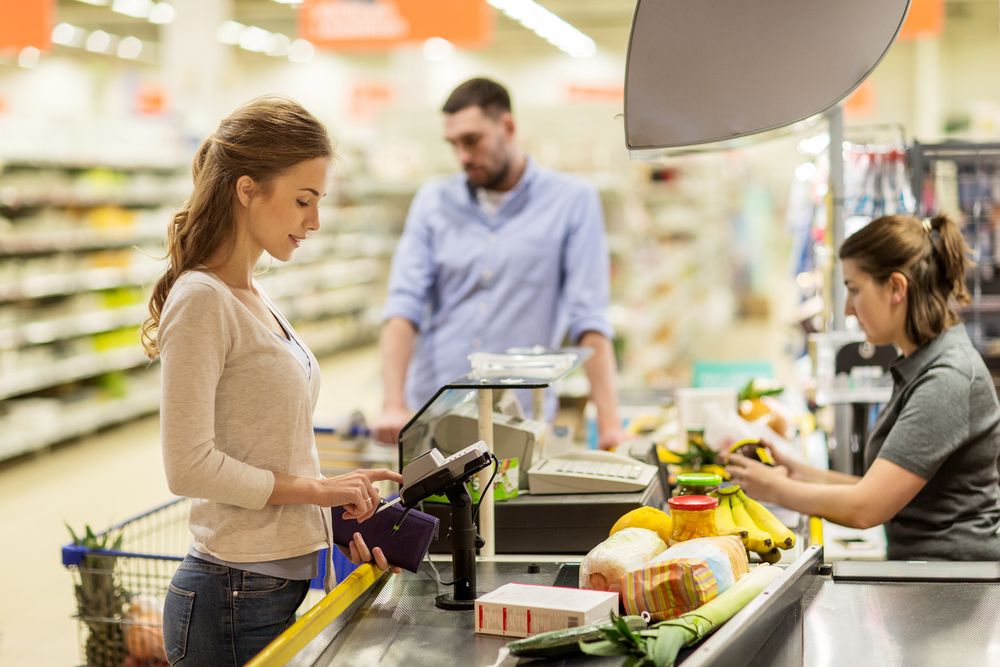

You’re standing at the produce section, kids half-hanging off the cart, mental grocery list evaporating by the second. Your eye snags on a little plastic tub of pre-cut melon – bright orange, perfectly cubed, already done. It’s right there. It’s already cut. Somebody has done the annoying part for you. You’re tired. You grab it.
Most of us have been in that exact spot. Pre-cut produce – the cubed watermelon, the shredded kale, the washed-and-ready salad greens, the sliced pineapple – has become a genuine staple for busy households. It promises freshness with zero effort, and frankly, for a parent juggling school lunches, soccer practice, and a full-time job, that trade-off feels completely reasonable. But there’s a side of this convenience that doesn’t get nearly enough airtime on weeknight grocery runs, and it has to do with pre-cut produce food safety – and a significant piece of data that the FDA has been sitting on for years.
This isn’t a story about how you’re doing everything wrong. You’re not. It’s about understanding what actually happens to your food between the farm and that tidy little plastic container, so you can make smarter calls at the store without adding another item to your already overwhelming mental load.
What the FDA Actually Says About Pre-Cut Produce
Between 1996 and 2006, the FDA found that 25 percent of all produce-related foodborne illness outbreaks were linked specifically to the fresh-cut sector – and the agency’s food safety director at the time pointed directly to the high degree of handling involved in harvesting, processing, and packaging fresh-cut produce as the reason for that elevated risk.
That’s a striking number when you think about it. One in four produce-linked outbreaks, tied specifically to items that were already cut for you. And the mechanics behind it aren’t hard to follow. When fresh produce gets processed into fresh-cut products, the risk of bacterial growth and contamination increases because cutting breaks the natural exterior barrier of the produce. The release of plant cellular fluids when produce is chopped or shredded creates a nutritive medium in which pathogens, if present, can survive or grow – and if pathogens are present when the surface integrity of the fruit or vegetable is broken, growth can occur and contamination may spread.
So is pre-cut produce more likely to cause food poisoning? The short answer is: yes, compared to the whole version of the same fruit or vegetable. That doesn’t mean pre-cut produce is inherently dangerous or that you should panic about the bag of salad greens already in your fridge. It means there’s a genuinely different risk profile that families should know about, especially anyone with young children, pregnant women, elderly parents, or anyone with a compromised immune system in the household. While most people recover from a foodborne illness within a short period of time, some can develop chronic, severe, or even life-threatening health problems – and children, older adults, pregnant women, and people with weakened immune systems are especially vulnerable.
Why Pre-Cut Melon Safety Is Its Own Category
Of all the pre-cut produce in the chilled section, melons – and cantaloupes in particular – have earned a well-documented reputation as some of the riskiest items you can buy pre-cut. The FDA food safety warning about pre-cut melons and food poisoning isn’t new, but recent outbreak data makes it worth revisiting.
Research analyzing outbreaks across multiple decades found that contaminated cantaloupe was associated with a greater public health burden than any other melon type, accounting for 43 percent of melon-associated Salmonella outbreaks, 51 percent of reported cases, 54 percent of hospitalizations, and 76 percent of deaths. That’s a pretty lopsided breakdown for a single fruit.
The rough, netted, hard-to-clean rind of cantaloupe is widely believed to be the reason it’s so much more frequently associated with foodborne illness than smooth-skinned produce. That textured surface traps bacteria in a way that flat-skinned fruits just don’t. When a cantaloupe is whole, the rind acts as at least some kind of barrier. When it’s cut, sliced, and cubed at a processing facility? That protection is completely gone.
Pre-cut fruit increases the risk of cross-contamination and provides additional surfaces for bacterial growth, and outbreaks linked to pre-cut cantaloupe have, on average, three times more patients than those involving whole melons. Three times. That’s not a marginal difference. That’s a meaningful one.
The FDA’s own outbreak record reinforces this. A major Salmonella Sundsvall outbreak investigated by the FDA and CDC, which was declared over in January 2024, resulted in a total of 407 illnesses across 44 states, along with 158 hospitalizations and 6 deaths. The FDA was also notified of additional recalls of pre-cut products made from recalled cantaloupes during that investigation. This is the kind of downstream effect that makes pre-cut melon safety a genuine concern rather than just a theoretical one.
Medical experts point to melon as a prime example of cut fruit bacteria risk – once a melon is cut, bacteria like Listeria can grow quickly. For pregnant people in particular, cut melon should be eaten within two hours, or within one hour if it’s above 90 degrees – which is why some food safety physicians recommend avoiding pre-cut melon altogether.
Leafy Greens and the Rest of the High-Risk List
Melons get the most attention, but they’re not alone on the FDA food safety warning list. Traceback activities conducted during outbreak investigations repeatedly implicate leafy greens – including romaine lettuce and spinach – as well as melons, onions, cucumbers, tomatoes, fresh herbs, and sprouts, as vehicles of pathogen contamination.
Pre-cut leafy greens are particularly tricky because people often assume a “triple washed” or “ready to eat” label means they’re safe to use without further handling. The way we shop and eat has fundamentally changed, and twenty years ago you’d rarely find pre-washed, pre-cut fruit or vegetables or bags of salad mix in the grocery store. Now, a lot of the food in the produce section is heavily processed. With every additional step of processing, there are more people touching the food, and the food might be out of refrigeration longer – which raises the risk for contamination.
The produce contamination risk also compounds when you factor in what happened during 2024 specifically. Among foodborne illness outbreak investigations in which a food vehicle was identified, produce was the leading contributor – with vegetables representing 55 percent of implicated foods. By December 5, 2025, the FDA had issued 415 food and beverage recalls during the year – and recalls caused specifically by E. coli, Listeria, or Salmonella had increased sharply, making up 39 percent of the 296 combined FDA and USDA recalls in 2024, with hospitalizations and deaths from contaminated food doubling compared to the year before.
That’s the broader context in which pre-cut produce food safety sits right now. Foodborne illness isn’t a historical problem that’s been solved – it’s active and worsening.
Read More: 20 Foods With a Long Shelf Life That Will Almost Never Expire
How to Reduce the Risk of Foodborne Illness from Cut Fruit
None of this means you have to swear off the convenience aisle forever. It means being a smarter shopper in a fairly specific way. The FDA has solid guidance on this, and it’s more practical than most people realize.
The first question to ask yourself when you want to reduce the risk of foodborne illness from cut fruit is: what does refrigeration look like here? Choose produce that isn’t bruised or damaged, and when buying pre-cut, bagged, or packaged produce – such as half a watermelon or bagged salad greens – only choose items that are refrigerated or surrounded by ice. If the pre-cut melon is sitting at room temperature under heat lamps at a salad bar or hot bar, put it back. That’s not a gray zone.
Although pre-cut produce is convenient, these types of fruits and vegetables can sometimes contain bacteria – and food safety experts advise shoppers to be especially cautious of pre-cut produce found in containers. The risk for eating pre-cut raw produce is comparable to that of sprouts, because there’s no way to know the hygiene practices of whoever cut it. Packaged food has to go through a more stringent process by law, but food cut on-site doesn’t necessarily meet the same standard.
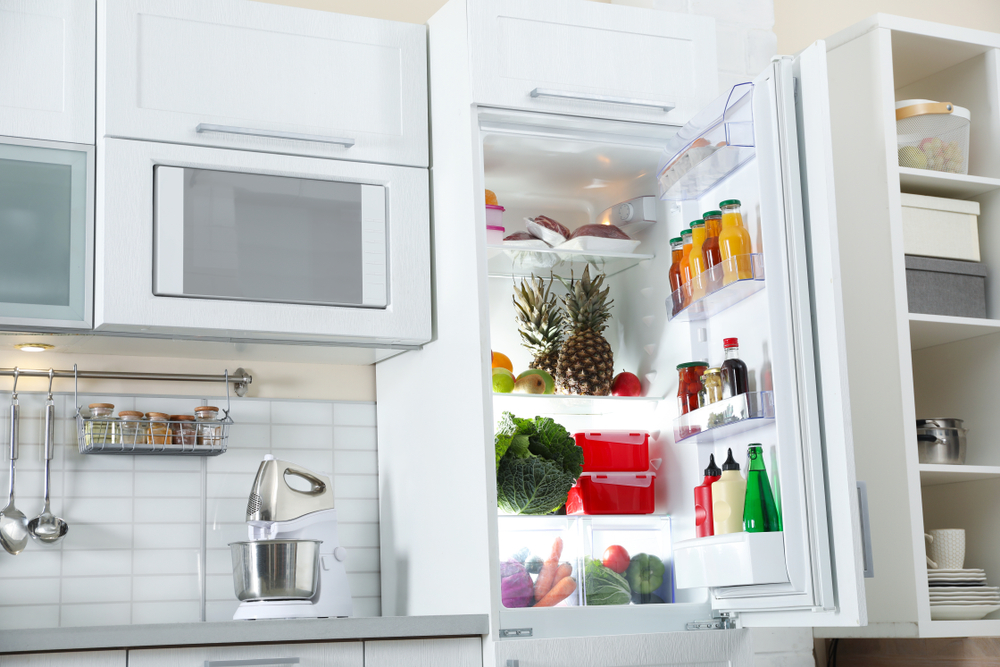
Once you’ve bought pre-cut produce, cold storage and timing matter a lot. Perishable foods should never be left out of refrigeration for more than 2 hours – and if exposed to temperatures above 90°F, that window shrinks to just 1 hour. That’s relevant for the party fruit tray sitting out for three hours at the backyard cookout just as much as it is for the leftover melon in your fridge.
At home, cut away any damaged or bruised areas on fresh fruits and vegetables before preparing or eating them, throw away any produce that looks rotten, and wash all produce thoroughly under running water before preparing or eating it. This applies even if the bag says pre-washed. Washing can reduce bacteria that may be present, though it won’t eliminate it entirely – and even if you don’t plan to eat the skin, it’s still important to wash produce first so that dirt and bacteria aren’t transferred from the surface when peeling or cutting.
There’s also a strong case for scrubbing whole melons before you cut them yourself. Firm produce like melons or cucumbers should be scrubbed with a clean produce brush. This step sounds minor but it matters significantly for melons, given that the bacteria on the outer rind transfers to the flesh the moment a knife passes through.
One more practical habit: use one cutting board for fresh produce or other foods that won’t be cooked before they’re eaten, and another for raw meat, poultry, or seafood. Cross-contamination from a board that’s been near raw chicken is one of the most common and avoidable ways that cut fruit bacteria risk escalates in a home kitchen.
What the FDA Recommends – And Why You Should Sign Up for Alerts
The FDA regulates 77 percent of the U.S. food supply, which includes essentially all produce. In 2024 alone, FDA teams evaluated 72 incidents, responded to 26, and issued public health advisories for 10 of them. That’s a lot of quiet activity happening behind the scenes that most families never hear about until a recall makes the news.
The good news is that you don’t have to wait for the news to catch up. Consumers can sign up for text and email recall alerts directly from the FDA and USDA – which means if there’s a problem with a product that’s already in your refrigerator, you get notified directly rather than three days after the story runs. The FDA’s food safety page has everything you need to get started with produce safety, including their full guidance on how to select and serve produce safely.
In 2024, FDA investigations that prompted public health advisories included E. coli in carrots, onions, and walnuts; Salmonella in cucumbers, basil, and eggs; and Listeria in soft cheeses – a reminder that the produce contamination risk isn’t limited to melons and salad greens. It’s spread across a broad range of items that land in family shopping carts every single week.
For families who want a broader picture of the current state of food safety recalls and outbreak data, U.S. PIRG Education Fund’s annual Food for Thought report is one of the most readable, consumer-focused summaries available – and the 2025 edition covers the troubling trends from 2024 in detail without requiring a science background to follow.
The Bottom Line on Pre-Cut Produce Food Safety

The convenience of pre-cut produce is real, and the health benefits of eating fruits and vegetables absolutely outweigh the risks of avoiding them altogether. Nobody is suggesting you stop buying bagged salad. But there’s a meaningful difference between reaching for a tub of pre-cut cantaloupe that’s been sitting unrefrigerated at a salad bar and buying a well-refrigerated, properly sealed package with a clear best-by date from a store you trust. That difference – temperature, packaging integrity, handling chain – is exactly what the FDA wants consumers to understand when they talk about pre-cut produce food safety.
If you’re going to keep buying it (and most of us will, because life is busy and perfect is the enemy of good), apply a few simple filters at the store. Is it cold? Is the packaging sealed and intact? Does it smell the way it should? Is the best-by date reasonable? And does anything look off – cloudy water in the container, excessive softness, off color? Those five questions take about 15 seconds and cut the produce contamination risk considerably.
And if you’re buying a whole cantaloupe and cutting it yourself, scrub the rind, use a clean board, and get it into the fridge within two hours. That’s the whole protocol. Straightforward, fast, and genuinely protective for the people at your table.
Disclaimer: This article was written by the author with the assistance of AI and reviewed by an editor for accuracy and clarity.