

School Resource Officer Sean Reavie reached into his own wallet and paid nearly $2,000 to rent out every seat at a Scottsdale movie theater so more than 100 kids from Greenway Middle School in Phoenix could watch Toy Story 5 together, with popcorn, candy, and drinks included. The field trip had been promised to seventh and eighth graders in the school’s “After the Bell” summer program, and then funding fell through. For several of those students, it was their first time inside a movie theater.
Reavie had spent six years as a child crimes detective before becoming a school resource officer. He had seen more than a thousand cases. He had a specific, granular understanding of what these kids were walking into that theater carrying with them, and he made the decision anyway.
The Field Trip That Almost Wasn’t
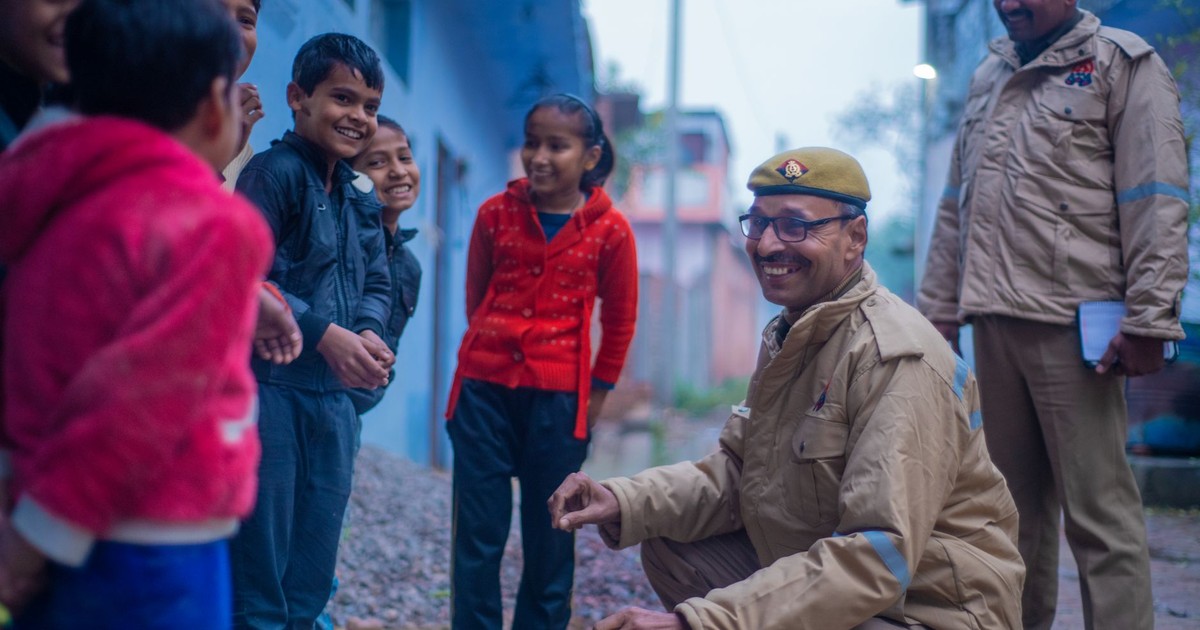
12 News, the NBC affiliate covering Phoenix, reported that Reavie paid to rent out all 144 seats at Harkins Scottsdale so seventh and eighth graders enrolled in the school’s “After the Bell” summer program could see Toy Story 5, popcorn, candy and drinks included. Program coordinator Katie Jenkins found herself scrambling after funding for the annual end-of-summer celebration fell through. With few options left, she reached out to Reavie for help.
His response was not complicated. “She told me how much she needed, and I gave it to them so they could go,” Reavie said. The theater rental cost was under $2,000. When asked whether he had any hesitation about covering more if needed, his answer said everything. “If they needed more, I would have given them more,” he said. “You can’t break a promise to a child. They come here knowing that there’s a reward at the end.”
The kids knew there was supposed to be a reward. Reavie made sure there was one. That’s the kind of generosity that understands what broken promises cost children who are already keeping score of how often the adults in their lives come through.
What This School Actually Looks Like
Greenway is a Title I school in Phoenix, meaning most of its families qualify as low-income. Assistant principal Stacy Alejo said many students receive free breakfast and lunch daily. Title I is a federal designation that follows a student body, not a building. When a school earns that classification, it means the majority of kids walking through the front door every morning are doing so from households where money is stretched thin enough to snap.
Reavie, a 20-year law enforcement veteran, said the realities his students face go beyond what most people see. “Some of them live in a different life than most of us would comprehend, and they just haven’t seen a lot of good things with their own eyes,” he said. He elaborated in a way that is specific enough to stick: their family doesn’t have a car; parents, if they have two, work multiple jobs; half of them have never been to a water park before. They’ve never been across the other side of the highway.
Not across town. Not out of state. Across the highway. The geography of what some kids never get to see is smaller than you might think, and just as consequential.
For several students, it was their first time inside a movie theater. A movie theater is such a taken-for-granted part of American childhood – a Saturday afternoon, a summer blockbuster, a bag of popcorn that costs more than it should. For a significant number of these kids, walking into Harkins Scottsdale that day was a first. The kind of first that you don’t forget, even if nobody makes a fuss about it being one.
A Man With a History of Doing This
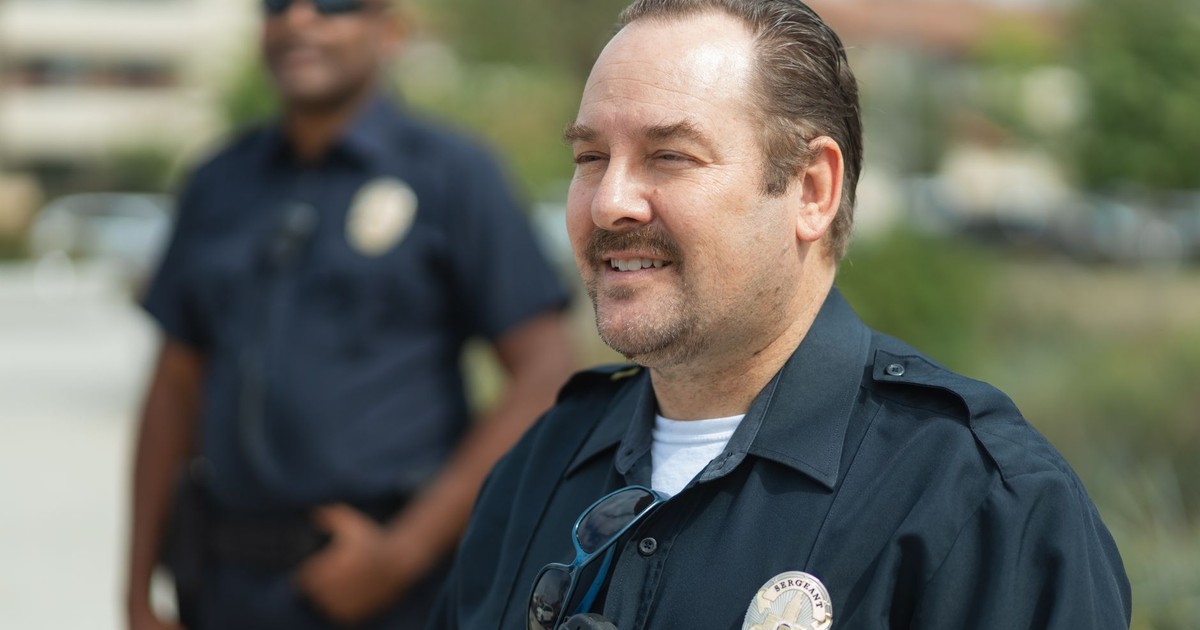
Reavie’s generosity wasn’t a spontaneous act – it was entirely consistent with a pattern. The year before, he spent more than $3,000 out of his own pocket to take students to Hurricane Harbor, the Phoenix water park. Before that, before his time as a school resource officer, he spent six years working as a child crimes detective in what he described as a pretty dark unit. A police officer since 2007, Sean investigated crimes against children for six years with more than 1,500 cases assigned to him.
Six years of sitting across from children who have been hurt tends to do one of two things to a person: it closes them off, or it pushes them toward doing something about what they’ve seen. For Reavie, it was the latter. He started as a detective in the crimes against children unit in 2013 and often saw children sad and afraid when they came to the advocacy center. During one interview, the child was huddled in a chair, unable to make eye contact. Reavie, who grew up a superhero fan, simply asked the child who his favorite superhero was.
The question worked. That interaction became the foundation for what Reavie would eventually build.
The Cape Behind the Badge
Phoenix Detective Sean Reavie founded the nonprofit Put On the Cape: A Foundation For Hope to help empower children who are suffering acute physical and sexual abuse. In 2015, Sean created “Superhero September” as a way to empower child victims of acute abuse by introducing them to superhero mythology — an idea that grew from hanging comic book posters in an advocacy center hallway. The nonprofit was formally incorporated on January 23, 2019, and has since grown to include a board of directors, multi-state events, and a 501(c)(3) filing.
Sean’s philanthropy and leadership have been recognized by multiple cities in the Valley of the Sun. In the Foundation’s first year, Sean reached his goal of expanding his charity into his home state of Michigan, raising $42,194. Since 2019, the Michigan team has raised more than $160,000 for three centers in Northern Michigan.
The organization fields a team of costumed “causeplayers” – people who dress as superheroes and arrive at advocacy centers, schools, and public events to raise money and to give scared children something to hold onto. Reavie is a two-time State of Arizona Police Officer of the Year and a two-time winner of his department’s Distinguished Service Award.
The through-line across all of it, from the child crimes detective work to the police officer movie theater rental, is a refusal to leave kids without something good. He knows what absence looks like. He decided a long time ago that he’d rather be the presence.
What He Asked for in Return
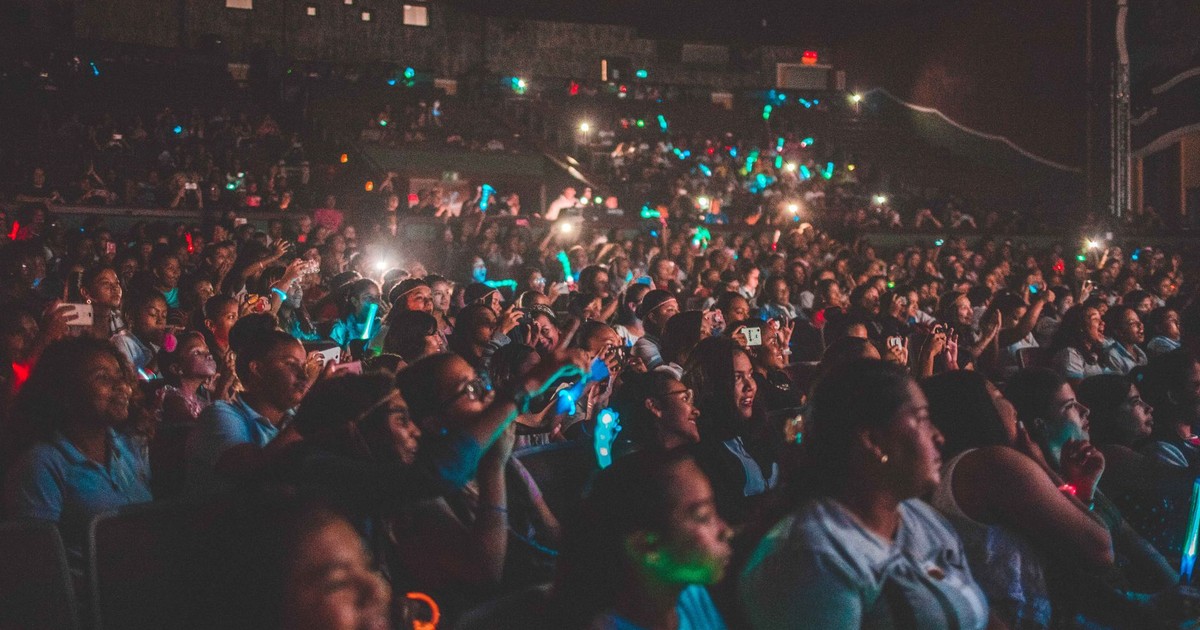
Before the lights went down and the movie started, Reavie addressed the room. Over a hundred seventh and eighth graders, in a movie theater that was entirely theirs for the afternoon, with snacks they didn’t have to pay for, waiting to see a film they’d been promised.
He made one ask. “As you get older in life, help other people, as a payback to me,” he told them. “Would you do that? That’s all I ask of you.”
Not “stay out of trouble.” Not “work hard and make something of yourselves.” Not a lecture about potential or opportunity. Just: when you’re older, help someone. Pass it forward. That’s the bill. He wasn’t even sure they’d pay it – but he gave them the experience anyway.
Reavie isn’t rescuing these kids from their circumstances. He’s giving them experiences that expand what they can picture for themselves. A water park, a movie theater, a room full of people who dressed as superheroes to make them feel less afraid. These aren’t charity props. They’re data points in a child’s understanding of what the world can be like.
Stories like this one – a police officer doing something unexpected for kids in a way that restores something instead of taking it – are rarer than they should be, and more worth holding onto because of it.
Read More: 9 Year Old Boy Passes Police Officer Touching Note in Restaurant
The Part That Stays With You

Reavie paid nearly $2,000 out of his own salary, on top of more than $3,000 the year before, to make sure a group of kids whose families couldn’t afford the ticket could sit in a darkened room and watch something that was made for them.
Instead of asking for anything in return, the officer simply hoped that one act of kindness would inspire hundreds more in the years ahead.
Most of us have been the kid in the room who got something we didn’t expect. A teacher who stayed late, a neighbor who noticed, a stranger who covered something we couldn’t. We don’t always know, in the moment, what that costs the other person. We find out later, usually when we’re old enough to understand that none of it was free. What Reavie is wagering on is that knowledge – the understanding that arrives slowly, that the good things someone did for you came from somewhere, and that somewhere needs replenishing.
Kids remember. Even the ones who are twelve and don’t have words for what an afternoon like that was worth. They remember.
Disclaimer: This information is not intended to be a substitute for professional medical advice, diagnosis, or treatment and is for information only. Always seek the advice of your physician or another qualified health provider with any questions about your medical condition and/or current medication. Do not disregard professional medical advice or delay seeking advice or treatment because of something you have read here.
AI Disclaimer: This article was created with the assistance of AI tools and reviewed by a human editor.