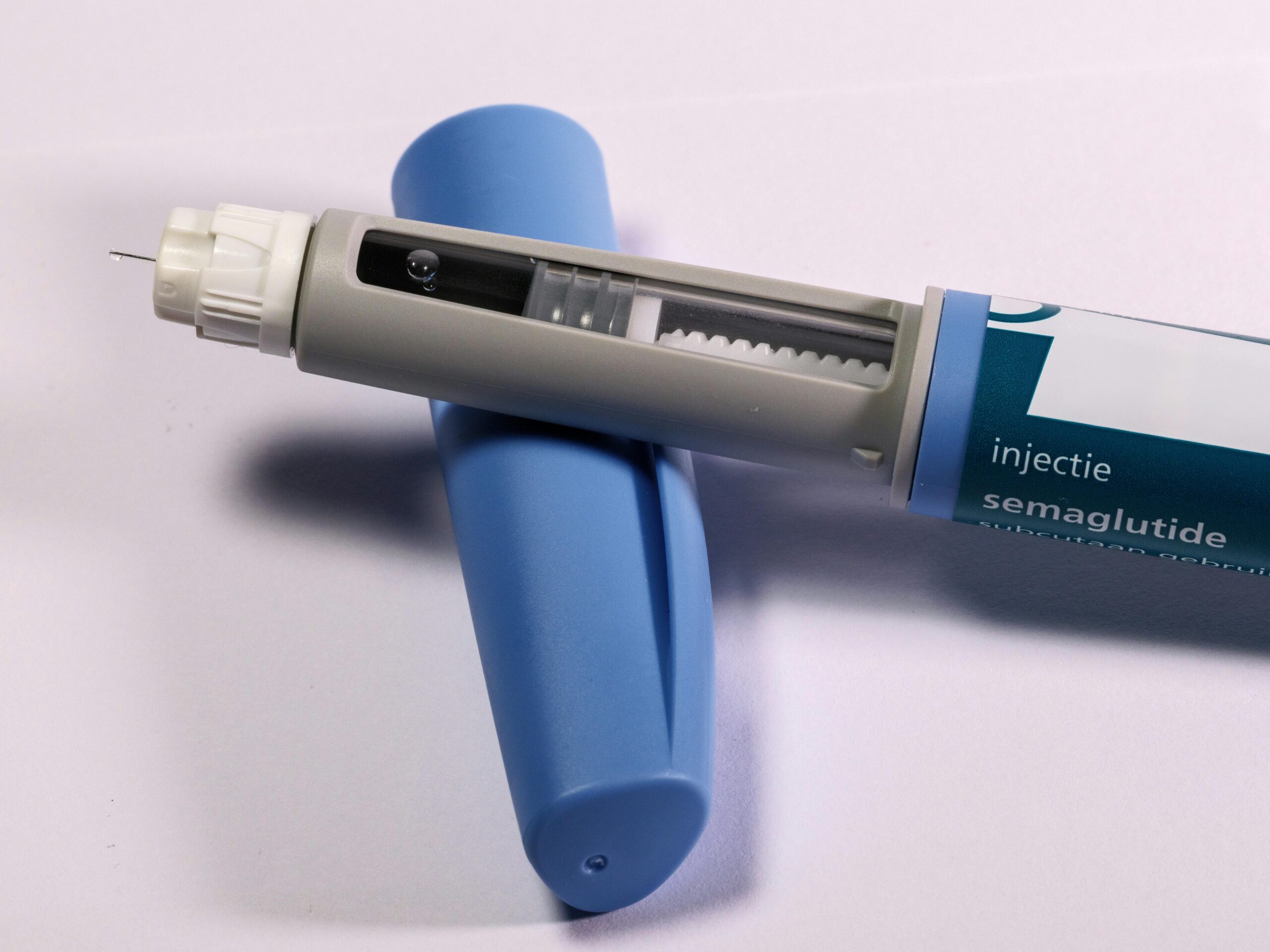

Researchers don’t usually publish findings in criminology journals about diabetes medications. The combination alone is enough to make you read the abstract twice. But that’s exactly what happened in June 2026, when a team from Rutgers University released a study asking whether drugs like Ozempic – prescribed every week to millions of Americans for weight loss or type 2 diabetes management – might also make people less prone to committing violent acts. The findings didn’t prove anything definitive. They didn’t need to in order to be remarkable.
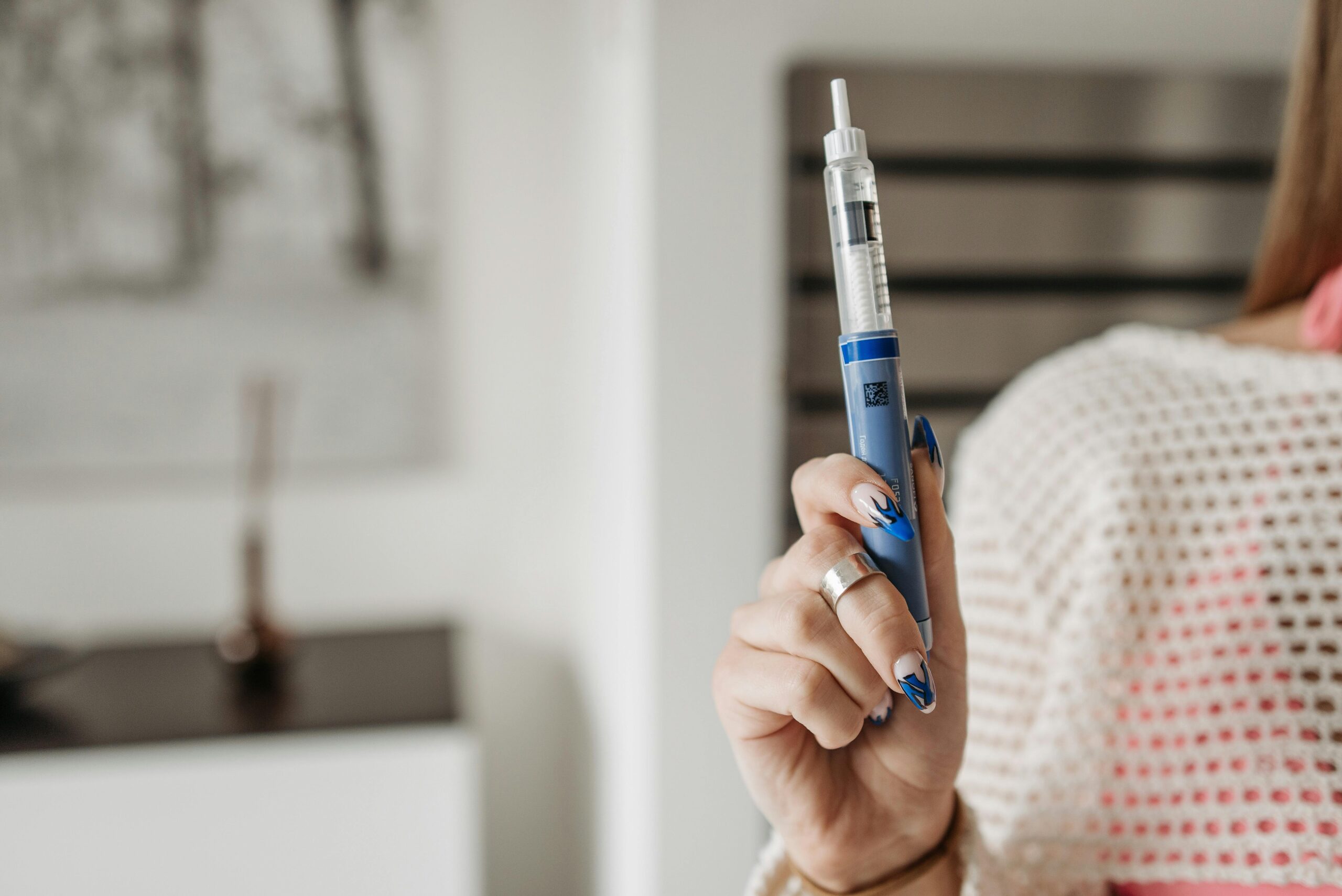
The drug in question is semaglutide, the active ingredient in Ozempic and its weight-loss sibling Wegovy. GLP-1 receptor agonists (that’s the class of drug these belong to – they work by mimicking a hormone your gut releases after eating, one that signals fullness to your brain) have been quietly accumulating a research record that goes far beyond blood sugar and waistlines. Reduced alcohol cravings. Lower rates of opioid misuse. Diminished nicotine dependence. And now, a measurably weaker connection between impulsive urges and violent behavior. The question researchers keep circling is no longer whether these drugs do something unusual to human behavior. It’s why, and whether any of it carries implications for public health in ways nobody anticipated when the first prescriptions were written.
That question is getting harder to brush aside.
What the Rutgers Study Actually Found

The study, published in the journal Criminology, examined whether GLP-1 medications like Ozempic and Wegovy influence violent criminal behavior among adults by moderating the effects of impulsivity and alcohol intake, according to Rutgers researchers who found the drugs may have effects that extend well beyond metabolic health. Researchers drew from a 2025 survey of 7,521 U.S. adults, zeroing in on 821 people who had ever used a GLP-1 medication, then compared current users with former users to examine how medication use changed the relationship between violent behavior, impulsivity, and alcohol. Violent behavior was measured using a validated self-reported offending scale that assessed things like fighting, assault, and robbery.
Among people who had stopped taking GLP-1s, higher levels of impulsivity and alcohol use predicted much higher levels of violent behavior – a pattern entirely consistent with decades of prior research. Among current users, those relationships were far less pronounced. Overall, the link between impulsivity and violence was about 62 percent weaker in current GLP-1 users, while the link between alcohol use and violence was 52 percent weaker.
That is not a marginal difference. A 62 percent reduction in the impulsivity-to-violence pipeline is the kind of number that makes researchers stop and check their math. Lead coauthor Christopher Thomas, an assistant professor at Rutgers University-Camden, described the findings as consistent with these medications “working like cognitive behavioral therapy, weakening the path from impulse to action rather than eliminating impulsivity itself.” The drugs, in other words, don’t appear to flatten personality or make people less emotionally reactive. They seem to insert a pause – a fraction of a second of neurological hesitation – between the feeling and the fist.
After further analysis, the evidence specifically linking GLP-1s to the alcohol-violence relationship was less clear, meaning the alcohol finding requires more scrutiny. The study was observational and cross-sectional, which means causal conclusions cannot be drawn, and the researchers stressed the need for future longitudinal and experimental studies to understand both whether GLP-1 medications genuinely reduce violence risk and what biological processes are involved. They are not claiming Ozempic prevents crime. They are claiming the data is unusual enough to demand a closer look.
The Brain Science Nobody Planned For
To understand why these findings are plausible – not proven, but plausible – you have to understand what GLP-1 drugs actually do once they cross into the brain. They were designed to act on the pancreas and gut. What researchers discovered is that GLP-1 receptors also exist in brain regions that regulate reward, craving, and impulse control.
Semaglutide has gained attention for its ability to reduce cravings broadly, cutting across food, alcohol, drugs, and even behaviors like sex and gambling. Clinicians have reported that semaglutide “obliterated” many patients’ cravings for substances they had long struggled to resist. That language – obliterated – is not standard clinical vocabulary. It comes from patients describing something that surprised them: a sudden indifference to things that had held real power over them.
Researchers at Brown University’s School of Public Health are studying how GLP-1 receptor agonists influence craving, cue reactivity, impulsivity, and executive function in the prefrontal cortex. In rodent models, the drugs appear to reduce voluntary alcohol consumption, prevent relapse, and blunt stress-induced alcohol-seeking. When scientists examine the animals’ brains, they see reduced dopamine release and less activation in the reward centers.
Dopamine is the brain’s want signal – the chemical that fires when you anticipate a reward and that, in people prone to impulsivity or addiction, can tip decisions before the thinking part of the brain has time to weigh in. GLP-1 drugs appear to quiet that signal without switching it off entirely. The person still has desires. They just have slightly less of a neurological emergency around them.
The Addiction Data Is Already Large
The Rutgers criminology study is new and small by research standards. But it doesn’t exist in isolation. The behavioral science around GLP-1s has been building for a few years, and the addiction data in particular has reached a scale that’s hard to dismiss as noise.
In an analysis of more than 600,000 U.S. veterans with type 2 diabetes, researchers at WashU Medicine found that GLP-1 medications were tied to a reduced risk of developing substance use disorders across all major addictive substances and to a reduced risk of severe harm, including overdose and death, in people who already had those disorders. The results were published in The BMJ in March 2026.
People who started taking a GLP-1 drug for diabetes were about 15 to 20 percent less likely to misuse substances ranging from alcohol to opioids. Among participants who already had a substance use disorder, those taking GLP-1 drugs experienced a 30 percent reduction in emergency department visits, a 25 percent reduction in hospitalizations, a 40 percent reduction in overdoses, and a 50 percent reduction in drug-related deaths after three years.
Senior author Ziyad Al-Aly, a clinical epidemiologist at WashU Medicine, noted that addiction treatments have historically targeted one substance at a time – a nicotine patch for smoking, but not alcohol – and that no medication has worked across all addictive substances until now. “The revelation about GLP-1 medication,” he said, “is that it really works against all major substances,” likely because it targets the underlying craving process rather than any specific drug.
An association, however striking, is not a prescription. Researchers were careful to note that the veterans study, though large, was not the kind of controlled clinical trial needed to confirm that GLP-1 drugs are a safe and effective addiction treatment. But the signal is consistent enough across enough different populations and research designs that the scientific community is paying serious attention.
From Addiction to Violence: The Logical Bridge
The connection between substance use, impulsivity, and violence is not a new idea in criminology. These variables have traveled together in the research literature for decades. What the Rutgers team did was ask whether interrupting two of those factors – alcohol and impulsivity – at the level of neurobiology might have measurable downstream effects on violent behavior. Their answer, tentative but notable, is that it might.
Lead author Daniel Semenza, director of research at the New Jersey Gun Violence Research Center at Rutgers School of Public Health, described the study as “a first step, not a final answer.” That framing is important. No responsible researcher is suggesting that Ozempic violence reduction is a public health strategy ready for deployment. The study used self-reported data. It was cross-sectional, meaning it captured a single point in time rather than tracking people forward. The sample of GLP-1 users, while drawn from a larger survey population, was 821 people – meaningful enough to publish, not large enough to draw firm conclusions from.
What it does is establish that the question is worth asking rigorously. If a medication that tens of millions of people are already taking for entirely unrelated reasons happens to reduce the neurological conditions that precede violence, that’s worth understanding.
What This Means – And What It Doesn’t
There is a version of this story that gets told badly: Ozempic cures crime. That would be a misreading of the evidence, and researchers have been consistent about saying so. Violence is shaped by poverty, trauma, housing instability, community disinvestment, access to weapons, and a long list of factors that no weekly injection is going to touch. The Rutgers study did not examine any of those. It examined a narrow neurobiological pathway in a specific sample of adults.
What the research does suggest – from the criminology study, from the veterans addiction data, from the preclinical brain work – is that GLP-1 drugs appear to do something real to human impulse control and craving that nobody fully predicted when the drugs were first developed for blood sugar management. That finding warrants curiosity, not headlines that outrun the evidence.
“We have a lot of hope that these medications may be helpful,” said Dr. Lorenzo Leggio, an addiction researcher at the National Institutes of Health, speaking to the broader behavioral research picture. Hope is the right register for where this science currently sits. Not certainty. Not miracle. Hope, with a plan to test it properly.
The Part We Don’t Know Yet

The researchers across all of these studies are in agreement on one point: the findings need replication with better designs. The criminology study needs a longitudinal equivalent – the kind that follows the same individuals forward in time before and after starting GLP-1 medications, rather than comparing current users to former users at one moment. The addiction data needs randomized controlled trials, and several are underway. The brain science work needs to move from rodent models to human trials with proper controls.
Rutgers researchers specifically emphasized the need for future longitudinal and experimental studies to determine whether GLP-1 medications reduce violence risk and to clarify the biological causes involved. There is also the uncomfortable reality of access. Semaglutide is an expensive medication. The people most at risk for impulsivity-driven violence – those in low-income communities, those with untreated substance use disorders, those with limited healthcare access – are often the least likely to have a GLP-1 prescription. If this research eventually produces actionable evidence, that gap will become the next hard conversation.
Where the Science Actually Stands

The most honest summary of Ozempic violence reduction research in 2026 is this: the findings are real, the underlying biology is plausible, and the evidence is not yet anywhere close to what you’d need to call it settled science. A drug that started as a diabetes treatment has turned out to interact with craving, reward, impulsivity, and – possibly – with the neurological conditions that precede violence. The researchers who found this are telling us to take it seriously and not to oversell it, which is exactly the posture the evidence warrants.
Some of the most significant scientific discoveries started as an unexpected side effect that someone noticed and wrote down. GLP-1 researchers watching patients casually mention they’d stopped drinking, stopped craving cigarettes, stopped feeling drawn to things that had controlled them for years – those observations became a formal research question. That question is now becoming data. Where the data leads is genuinely unknown, and that is not a disappointment. It’s the interesting part.
The access problem deserves more attention than it currently gets. The populations most likely to benefit from any violence-reducing effect of GLP-1 medications are also the populations least likely to receive them. Semaglutide costs hundreds of dollars a month without insurance coverage. Any future policy conversation about these drugs and public safety will eventually have to reckon with the fact that a medication cannot function as a population-level intervention if whole communities cannot afford it. The science is still being written. Who gets to benefit from it once it is – that question is already here.
Disclaimer: This information is not intended to be a substitute for professional medical advice, diagnosis, or treatment and is for information only. Always seek the advice of your physician or another qualified health provider with any questions about your medical condition and/or current medication. Do not disregard professional medical advice or delay seeking advice or treatment because of something you have read here.
AI Disclaimer: This article was created with the assistance of AI tools and reviewed by a human editor.