
There’s a conversation that happens every time a man in his thirties or forties ends up genuinely, helplessly attracted to a woman ten or fifteen years his senior. It starts with confusion – his, mostly – and ends somewhere around “I don’t know, she just gets it.” He can’t always explain what “it” is. She probably could, but she’s too busy living her actual life to write him a breakdown.
The older women attraction phenomenon isn’t new. Researchers, psychologists, and the men themselves are starting to articulate it with some precision. The reasons are real, they’re layered, and most of them have nothing to do with the tired cultural shorthand that gets attached to these relationships. The “cougar” framing has always been reductive. What’s actually happening is more interesting.
Here are 20 reasons why men are drawn to older women – and why, once you understand them, none of them are particularly surprising.
She Knows What She Wants (and Says So)
An older woman has usually stopped performing uncertainty she doesn’t feel. She knows whether she wants dessert, whether she wants a second date, and what she needs from a relationship – and she’ll tell you. For men who have spent significant time decoding ambiguous signals from partners who were still figuring themselves out, this directness registers as a revelation.
Women in relationships with significantly younger men reported better arousal, lubrication, orgasm, and overall satisfaction, according to a 2025 PsyPost report on research. The lead researcher noted that older women who dated younger men scored higher in levels of emotional intelligence, confidence, and functioning compared to similarly aged women who dated men of their own age. Knowing what you want, and being willing to say so, turns out to be a reliable path to better outcomes for everyone in the room.
Her Confidence Isn’t Performed
There’s a specific kind of confidence that only comes from having been through something and come out on the other side. Not the confidence of a woman who has been told she’s attractive and is working with that information, but the confidence of a woman who has stopped needing the confirmation in the first place. Men register the difference immediately, even when they can’t name it.
Many women report higher satisfaction between their late twenties and mid-forties, with that window shaped by accumulated life experience and growing comfort in their own bodies, according to MedicineNet. The body-image exhaustion that dominates many women’s twenties has largely burned itself out by the time she’s in her late thirties or forties. What’s left is someone who will walk into a room without running a mental audit of her appearance first. That energy is unmistakably attractive.
She’s Emotionally Fluent

An older woman has had time to develop what psychologists call emotional intelligence – the ability to read situations accurately, regulate her own responses, and actually hear what another person is saying. It doesn’t mean she’s unflappable. It means that when something is hard, she can talk about what’s hard instead of performing fine.
A small UK study published in SandRTherapy compared emotional intelligence, self-efficacy, and subjective happiness among women with same-age male partners and women whose partners were seven to ten years younger. Women with younger male partners scored higher in all three aspects, suggesting their romantic relationships may be more fulfilling. Emotional fluency, it turns out, is not just pleasant to be around – it actively improves the relationship’s quality at every level.
The Drama Ratio Is Lower
Not zero. But lower. An older woman has usually worked out, through trial and a fair amount of error, which fights are worth having and which ones will look embarrassing in retrospect. She’s less likely to manufacture conflict to test the relationship and more likely to address an actual problem directly. For a man who has experienced relationships where tension was a constant ambient condition, this feels less like a personality trait and more like oxygen.
She’s Lived Through Enough to Have Real Perspective
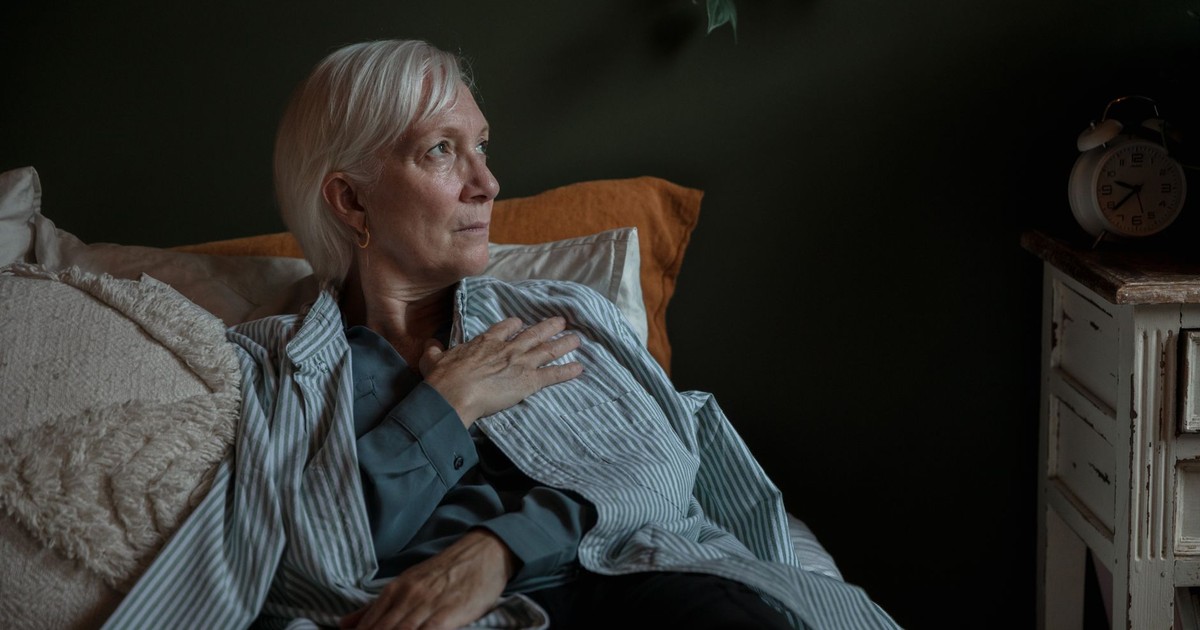
A woman in her forties has attended funerals, held jobs she hated, navigated at least one relationship she grew out of, possibly raised children through illnesses and school years and all the ordinary drama of growing up. She has a mental archive that gives her perspective on what’s actually a crisis versus what’s just a bad Tuesday. Men find this grounding. When you’re with someone who has weathered real things, you stop catastrophizing the small ones.
She’s Not Waiting for Her Life to Start
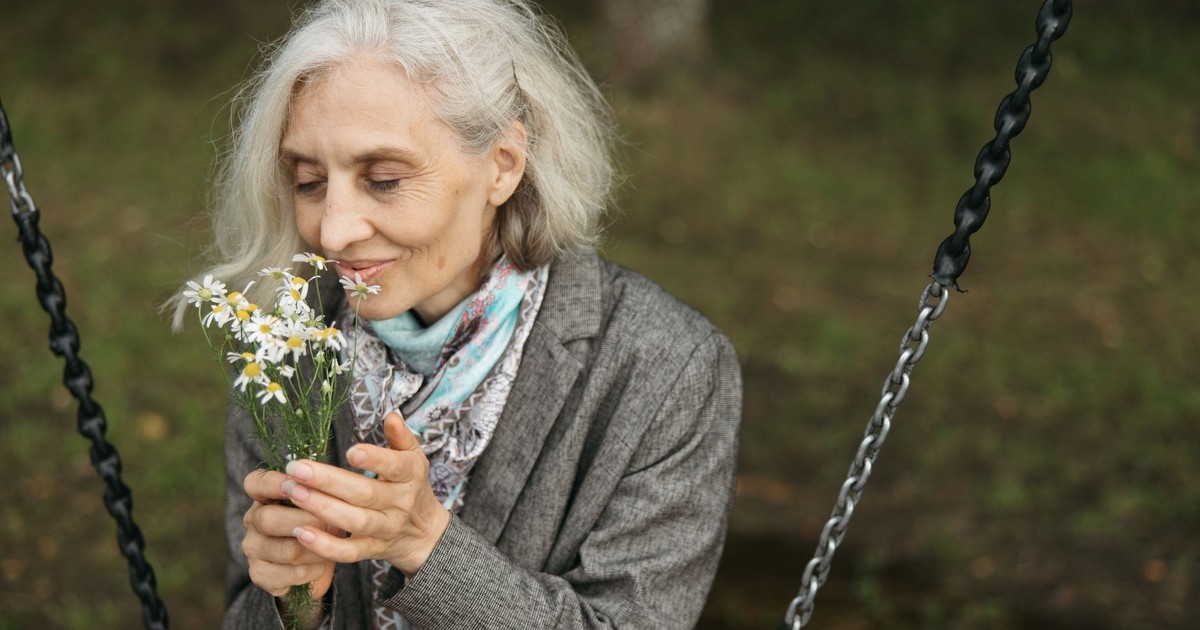
One of the things that quietly exhausts men in relationships with much younger partners is the ambient sense of waiting – for her to figure out what she wants to do, where she wants to live, who she’s going to be. An older woman has already done most of that. She’s built something – a career, a household, a life she recognizes as her own. She’s not on hold. The relationship is one part of a full life, not the definition of it. Men who’ve dated women who made the relationship the entire project understand, viscerally, why this is a relief.
The Games Are Gone
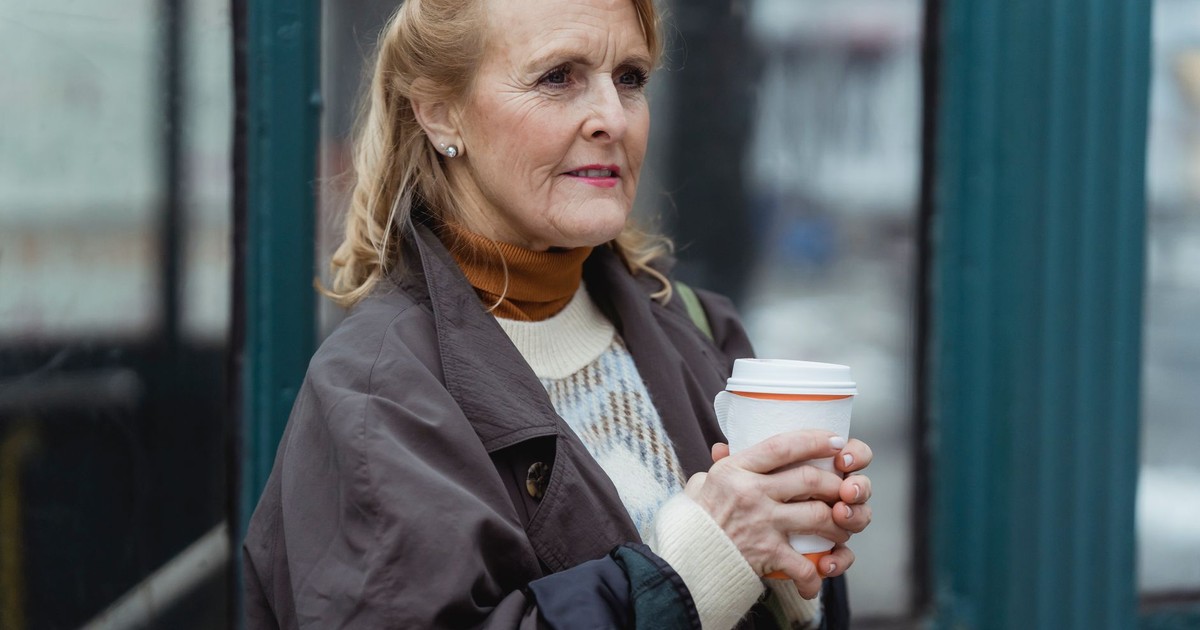
There is a particular genre of early-relationship behavior – the deliberate waiting to text back, the strategic unavailability, the manufactured ambiguity about feelings – that older women have generally aged out of. Not because they’ve softened, but because they’ve realized it doesn’t actually work and is, on balance, boring. A man who wants to know where he stands gets a straight answer. That’s not vulnerability; it’s efficiency.
She Doesn’t Need Rescuing
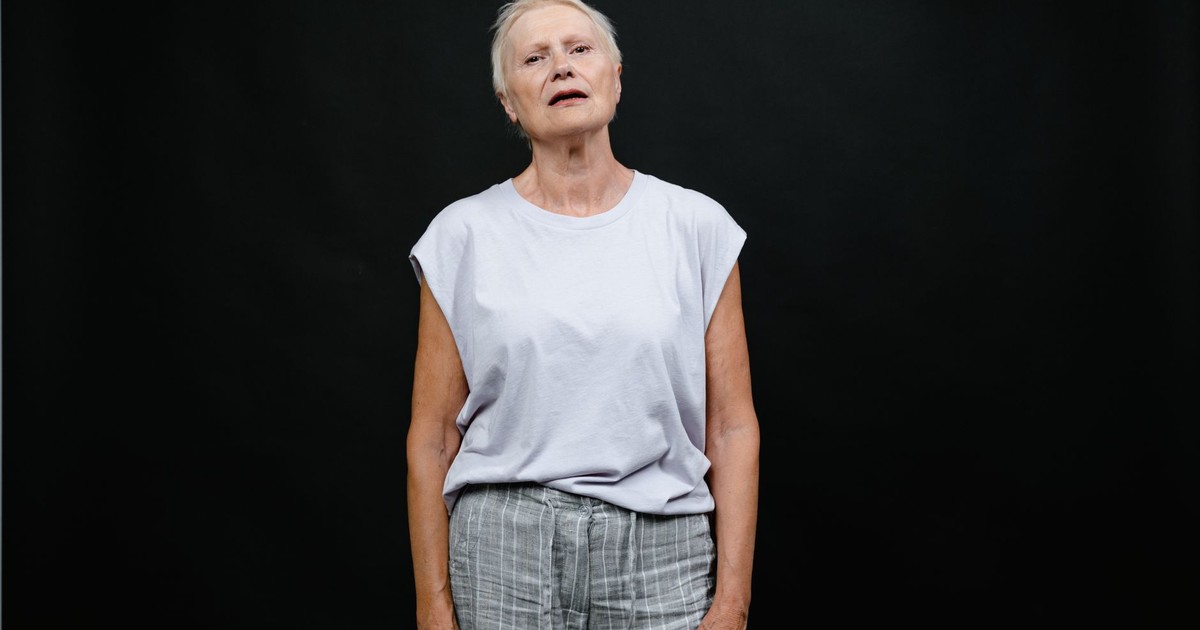
An older woman with her own income, her own friendships, her own routines, and her own sense of direction is not looking for someone to complete her. She’s looking for someone to add to an already functioning life. For men who find emotional dependency exhausting – and many do, even when they don’t have language for it – this is deeply appealing. The relationship is built on want, not need. When a partnership starts from that place, both people enter it with clearer eyes and more honest intentions.
The Conversations Go Somewhere
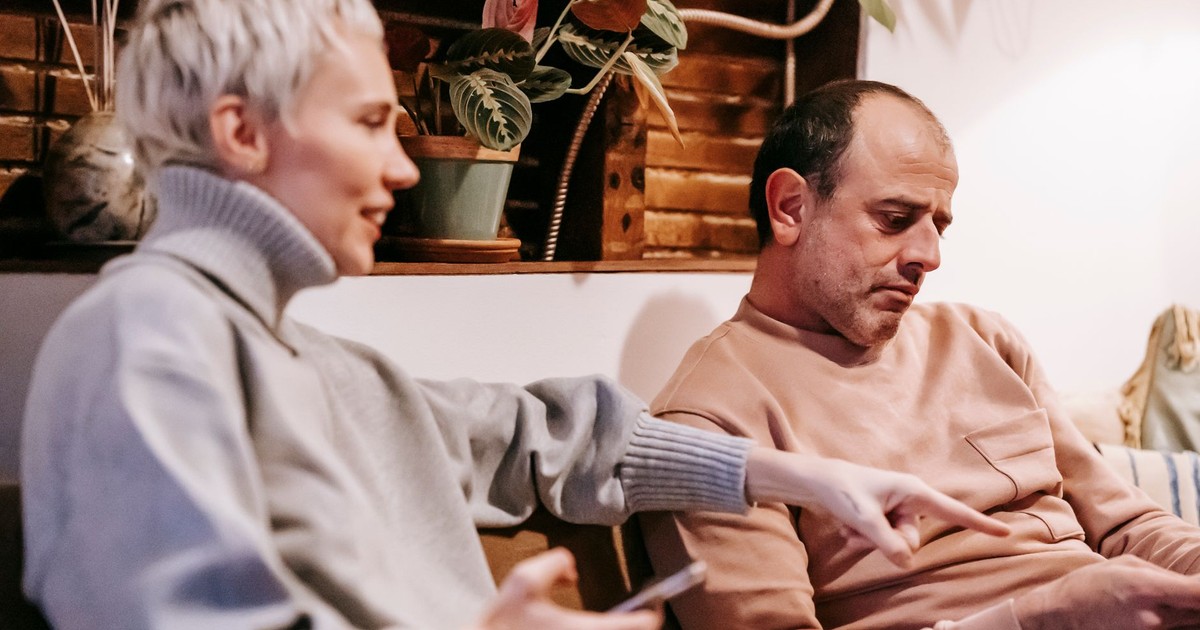
Ask a woman in her forties about the last book she read and she’ll tell you what she actually thought about it, not what she thinks you want to hear. She’s had time to develop opinions. She’s interested in things beyond the perimeter of her immediate social world. She’s curious about ideas that don’t directly affect her. For men who connect through conversation, this is one of the most reliable draws. A long dinner that runs into a long walk home is not possible with someone who runs out of things to say before the main course.
She Has a Perspective on Her Own History
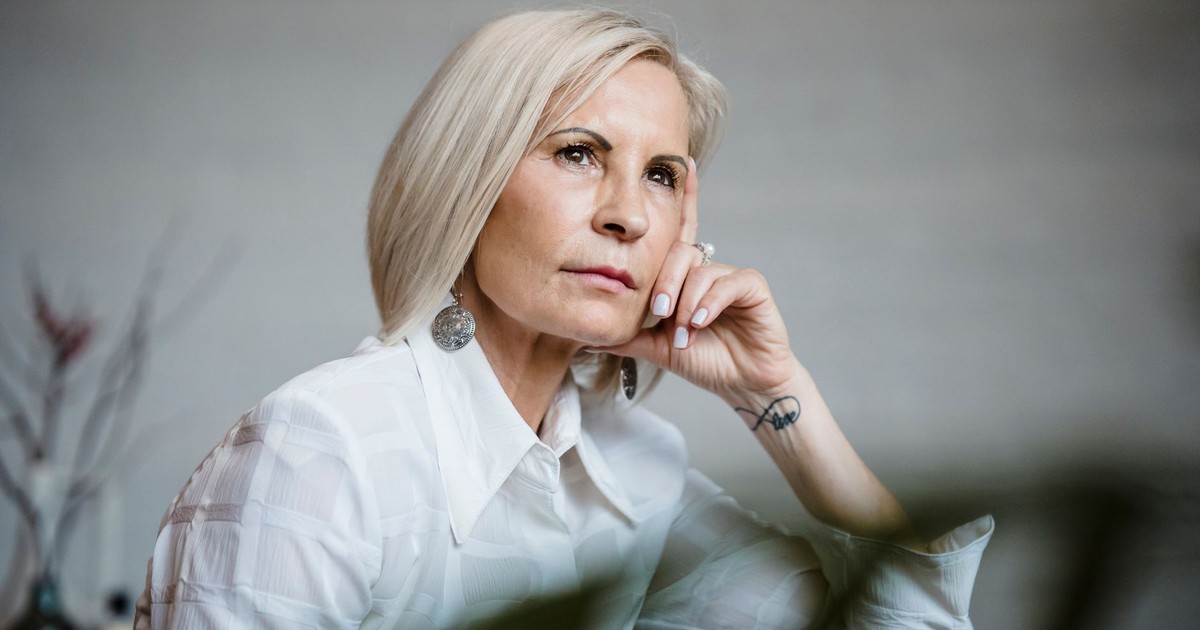
An older woman who has done any real reflection on her past – her patterns, her choices, what she was looking for in her twenties versus what she actually needed – brings that self-knowledge into every new relationship. She’s less likely to repeat the same dynamic by accident, and more likely to name it when she recognizes it starting. For men who’ve been caught in recycled patterns, dating someone with that level of self-awareness is genuinely different.
She Makes Better Decisions Under Pressure
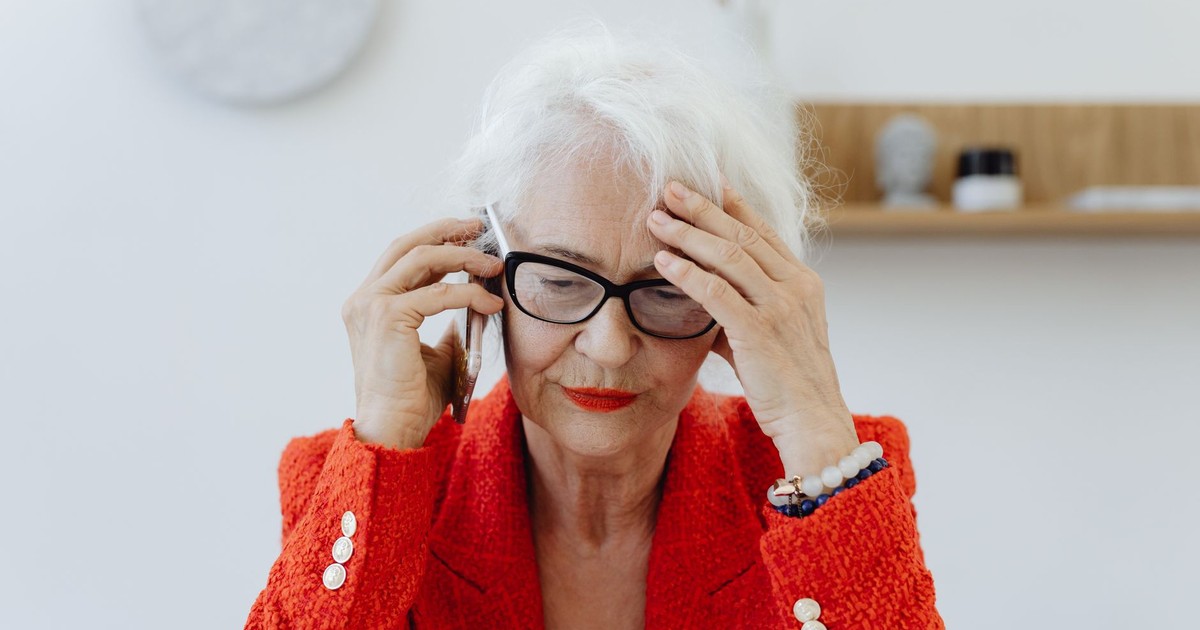
The prefrontal cortex – the part of the brain responsible for impulse control, risk assessment, and consequence-weighing – reaches full structural maturity around age 25. An older woman making a decision under stress is drawing on a fuller set of cognitive and emotional resources than a younger one. The practical result: she’s less likely to say something she’ll need to take back, less likely to make a choice she’ll regret, and more likely to think about next week as well as right now.
Her Relationship With Her Own Body Is Different
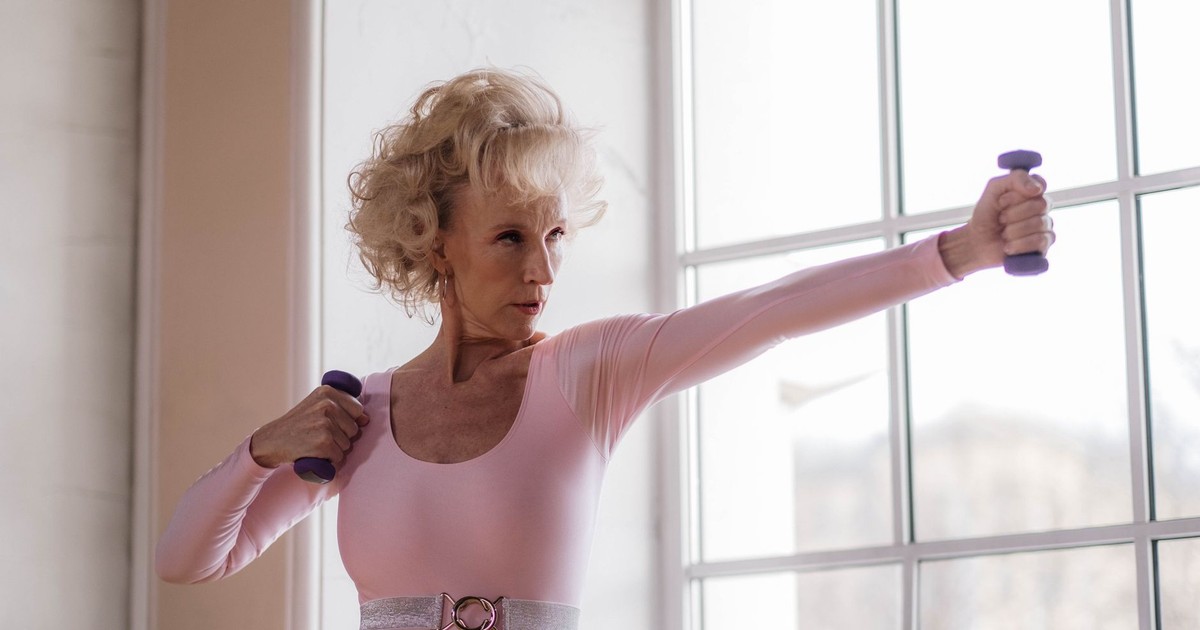
By the time a woman is in her late thirties or forties, she has typically stopped treating her body as a problem to be solved before she’s allowed to be attractive. The body-audit that runs in the background for so many younger women – cataloguing every perceived flaw before any moment of intimacy – has often faded. Many women in age-gap relationships with younger men reported being more comfortable with their bodies and didn’t feel the stigma around rigid beauty standards like their younger counterparts. Men feel the difference between a partner who is present and a partner who is partially elsewhere, running that internal commentary. Presence, it turns out, is its own kind of magnetism.
She Knows the Difference Between Chemistry and Compatibility
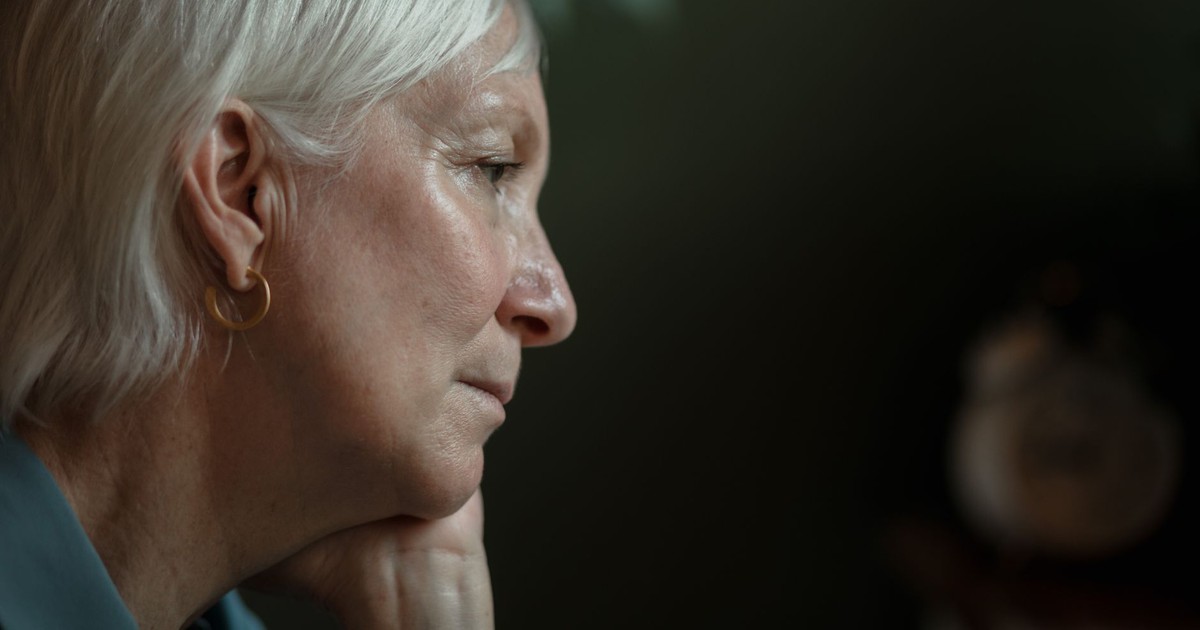
A younger person falling for someone often can’t tell whether the intensity they’re feeling is genuine connection or just the particular voltage of a new relationship. An older woman has been through enough to know the difference between a person who makes her feel good and a person who is actually good for her. This discernment changes how she enters a relationship – more intentionally, with clearer eyes – and men who’ve been on the receiving end of that intentionality find it hard to go back to relationships built on nothing but spark.
She’s Usually More Financially Independent

This one is often left off the list because it feels unromantic, but it matters. An older woman who has built her own financial life is not in the relationship because she needs to be. She’s there because she wants to be. The power dynamic that comes from financial dependence – one person always slightly afraid of losing the other’s support – is largely absent. Both people can make decisions freely. Relationships built on genuine financial equality tend to be more honest and more durable.
She Won’t Try to Change You Into Someone Else
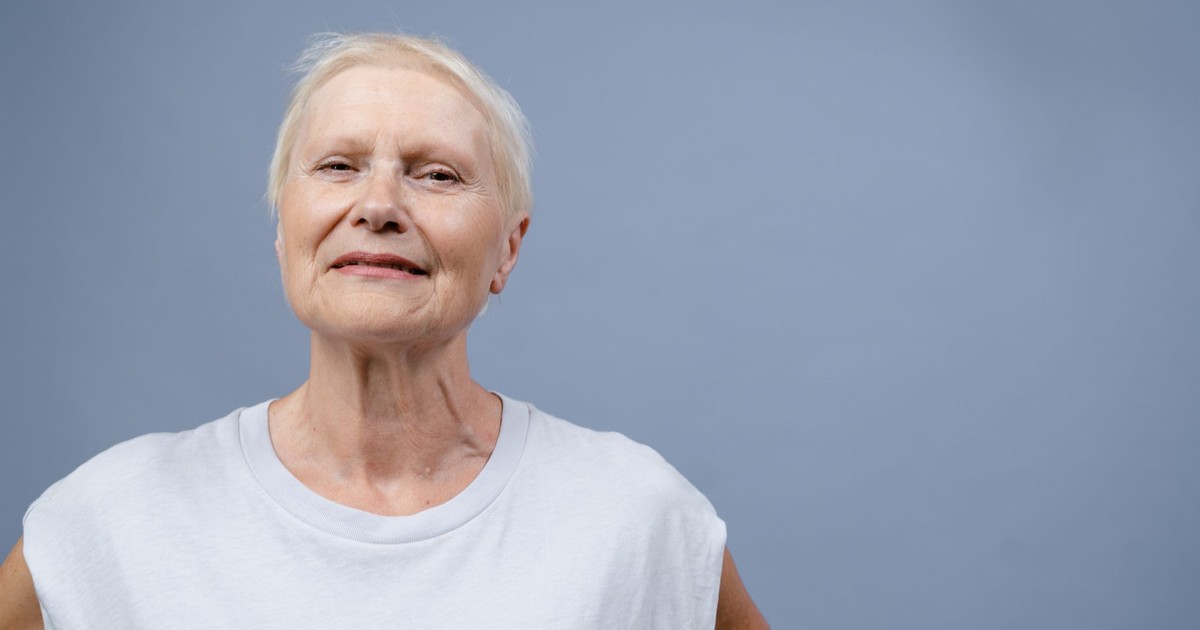
An older woman who has figured out what she actually wants in a partner is not going to spend the relationship trying to renovate you into that person. She already knows that project doesn’t work. If she’s chosen you, she’s chosen you specifically. For men who’ve experienced the particular exhaustion of being someone’s improvement project, this is not a small thing.
If dating younger men produces measurably better outcomes for women’s wellbeing and relationship satisfaction, part of the reason is this reciprocity: she brings herself fully, and she lets you do the same.
She Handles Conflict Without Turning It Into a Crisis
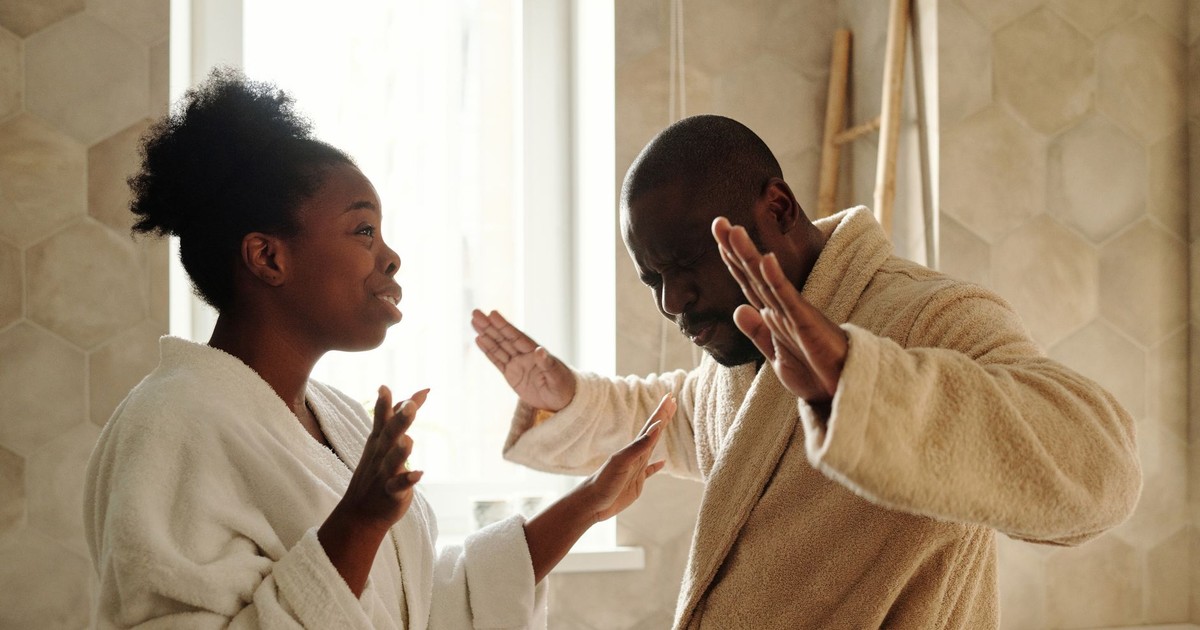
A relationship’s long-term health is determined less by how little conflict it has and more by how well both people navigate the conflict that inevitably arrives. An older woman has generally learned that a disagreement doesn’t have to become a referendum on the entire relationship. She can be upset without being catastrophic about it. She can hear criticism without disintegrating. That skill – built through years of actual practice, not theory – is one of the things men cite most consistently when describing what’s different about relationships with older women.
The Social Pressure Has Loosened Its Grip
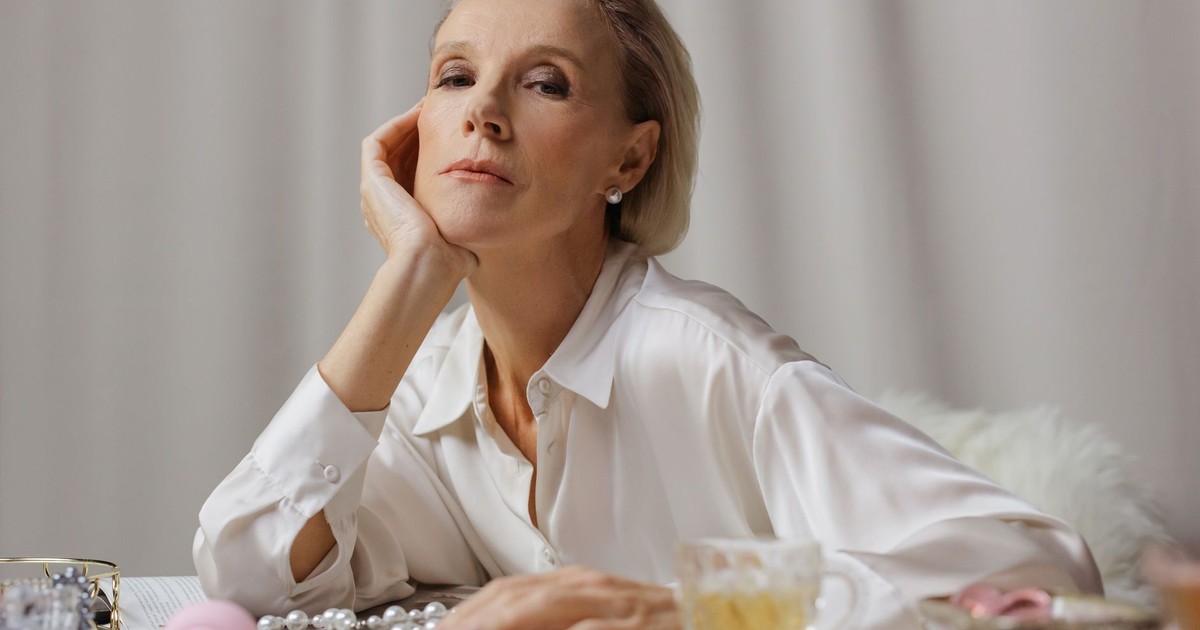
A woman in her forties or fifties has usually stopped organizing her choices around what other people will think of them. She’s past the chapter where every decision gets run through the filter of peer approval, parental expectation, and cultural script. She dates who she actually wants to date. She spends time doing what she actually values. For men who’ve watched younger partners make choices driven by social fear rather than genuine preference, being with someone who has broken free of that is genuinely refreshing.
She Brings a Different Kind of Energy
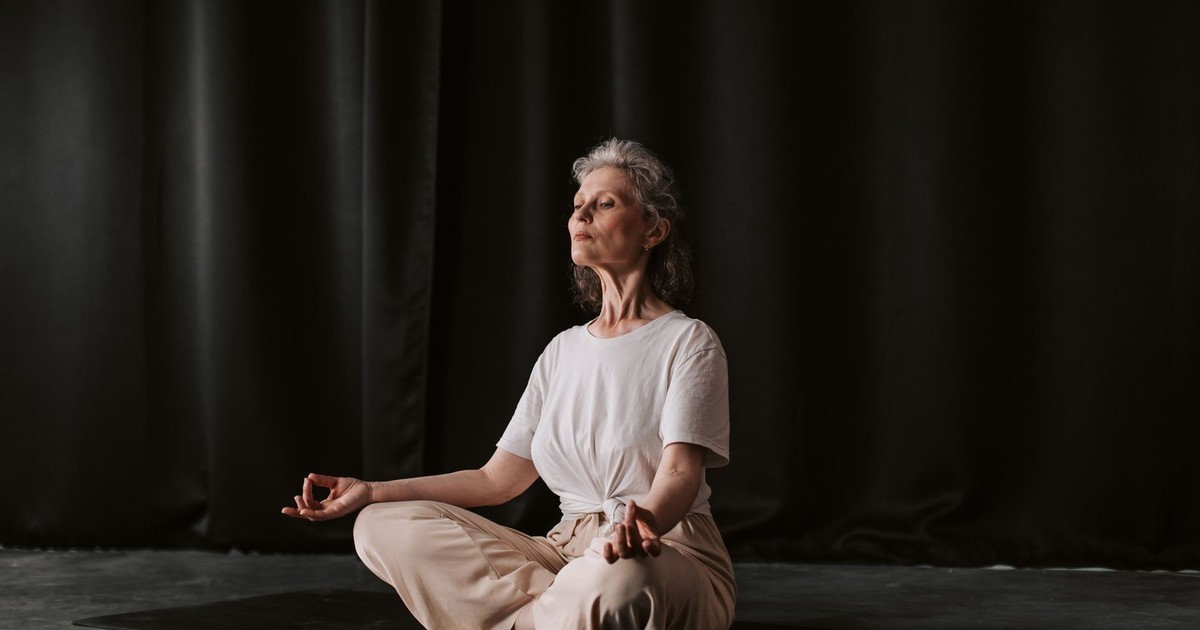
This isn’t about more or less energy – it’s about a different quality of it. An older woman typically knows how to be still without being bored, how to be present without needing stimulation every ten minutes, and how to find satisfaction in ordinary moments rather than constantly looking for the next thing. Men who are themselves past the phase of needing constant novelty often find this alignment deeply stabilizing. It’s the relational equivalent of finally finding a frequency that doesn’t require constant tuning.
She Has Actual Friends

An older woman has usually built a real community around her – friends who have known her for decades, relationships that have been tested and survived. She’s not looking to her partner to be her entire social world. She has people. This matters more than it sounds. A man who isn’t expected to be everything – best friend, therapist, social director, primary source of validation – is a man who can simply be a partner. That freedom benefits both people.
She’s Interested in Who You Are, Not What You’ll Become
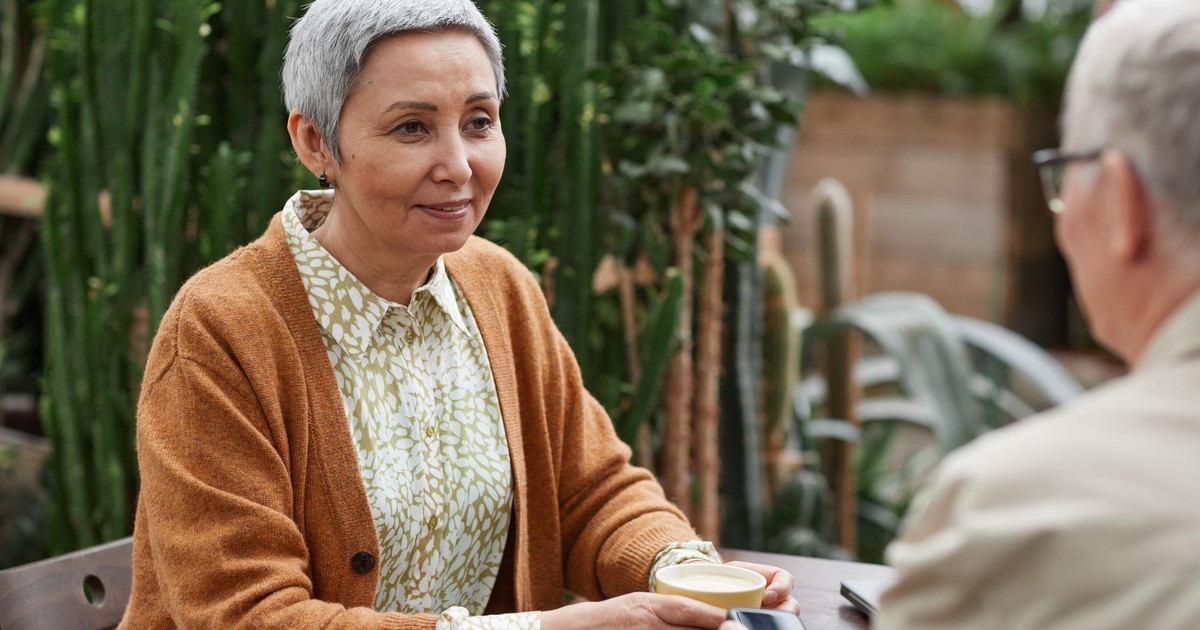
A younger partner is often in love with potential. The person you could be, the future you’re building toward, the version of you that doesn’t quite exist yet. An older woman who chooses you is choosing who you already are – the present-tense version, not a projected one. That’s a different kind of being seen, and for many men, it’s the most clarifying experience a relationship can offer.
A 2025 PsyPost report on research published in Proceedings of the National Academy of Sciences found that both men and women are slightly more attracted to younger partners after a blind date – even if that contradicts what they’d previously claimed – which tells you something real about what we say we want versus what draws us in a room. But preference stated in a survey is only one layer of what makes attraction stick. The reasons men return to older women – and the reasons those relationships tend to go deeper – are the ones that don’t fit on a checkbox. They’re the reasons you’re still thinking about the conversation hours after it ended.
Read More: What’s the Ideal Age Gap for a Lasting Relationship?
Why This Pattern Persists
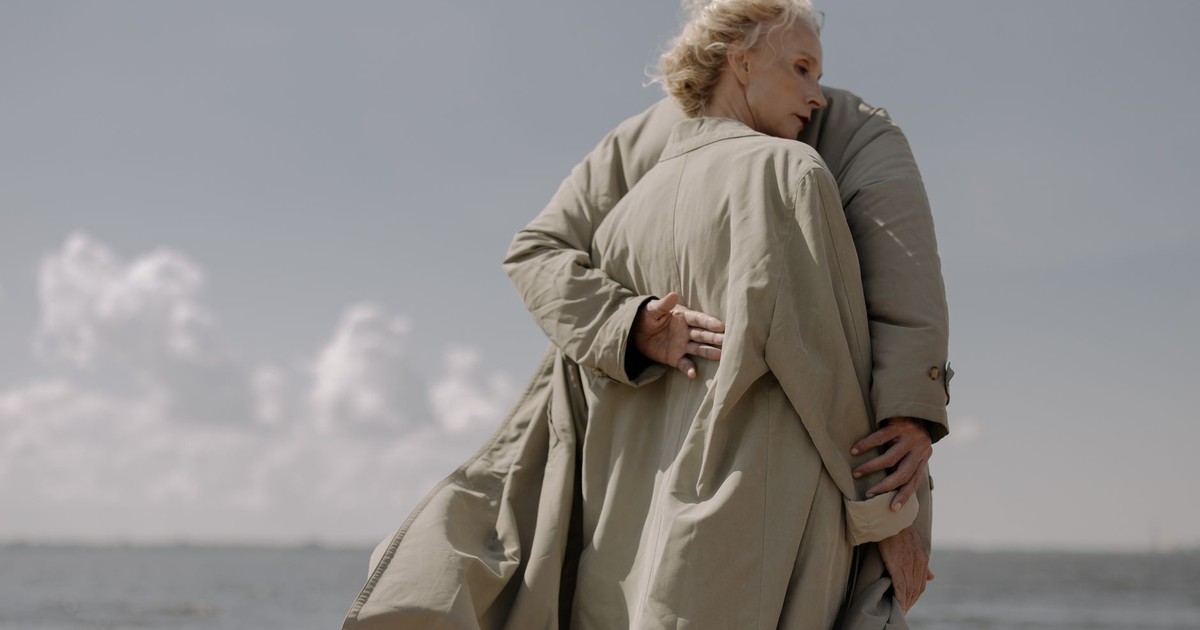
The cultural narrative about men and older women has long leaned on condescension in both directions – the man is assumed to have a mommy complex, and the woman is assumed to be compensating for something. Neither reading is particularly generous, and neither is particularly accurate.
The research finds, and the men in these relationships consistently describe, something simpler: older women attract because they have done the internal work of becoming themselves. They are less divided, less distracted, less invested in performing a version of femininity designed for external approval. That integration – of experience and confidence and honest desire – is not a minor thing.
Women with younger male partners scored higher in emotional intelligence, self-efficacy, and subjective happiness compared to those with same-age partners, according to research published, which is interesting data about outcomes. But it also points at something harder to quantify: the relationship dynamic that older women attraction tends to produce is one built on genuine choice, genuine presence, and the kind of clarity that only comes from knowing who you are. The “cougar” label was always the laziest possible reading of something far more specific. A woman who has lived enough to know her own mind, and a man who is drawn to exactly that – not a demographic pattern. A particular kind of recognition. And it tends to outlast the relationships built on considerably less.
AI Disclaimer: This article was created with the assistance of AI tools and reviewed by a human editor.