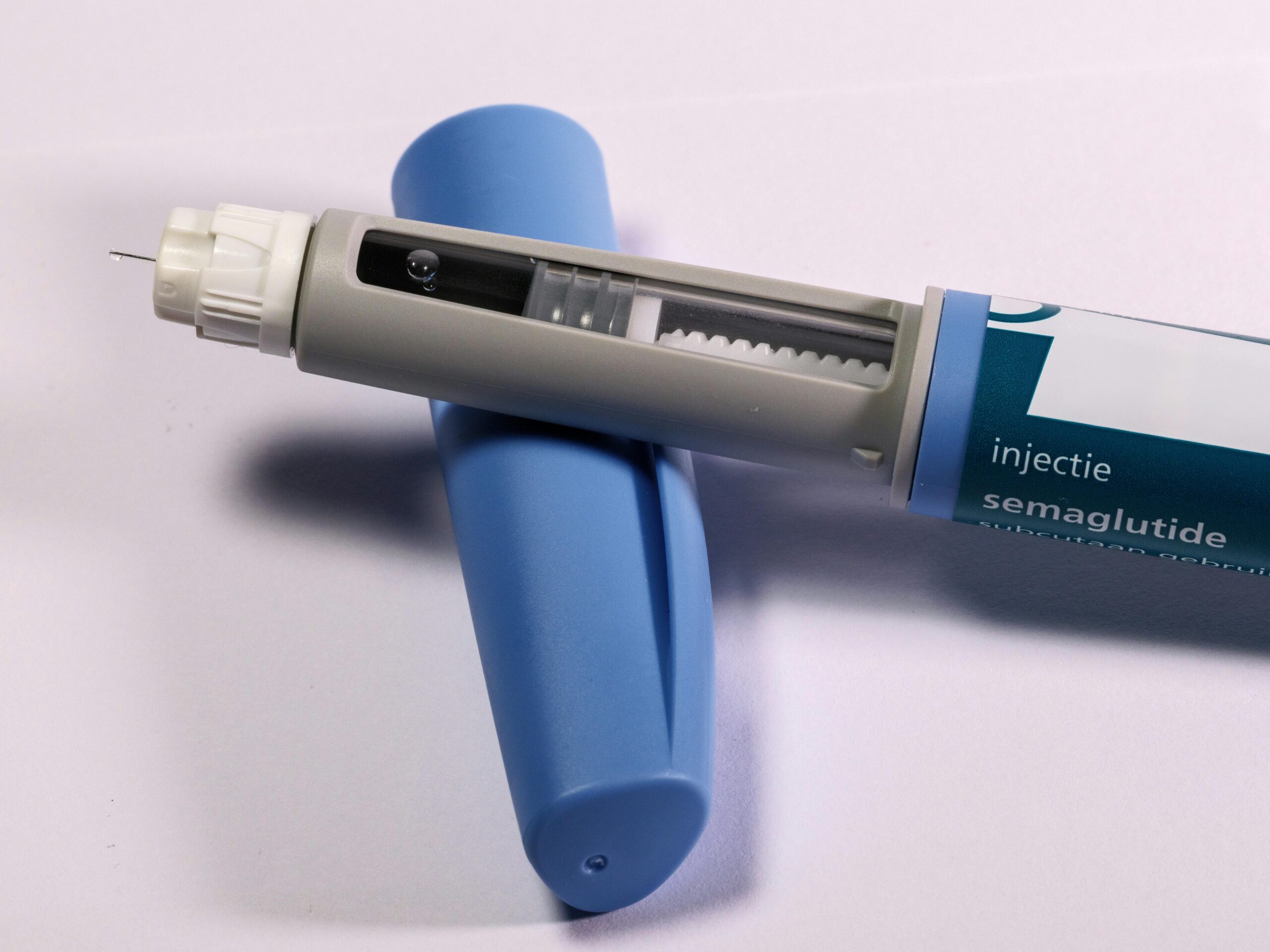

Breast cancer has been the most commonly diagnosed cancer among women worldwide for years running, and the statistics have not changed as dramatically as researchers hoped they would. Treatments have improved. Survival rates have climbed. But prevention, the part of the equation that would spare women from the diagnosis entirely, has remained stubbornly difficult to crack. The tools on the table are limited: genetic testing for high-risk patients, preventive medications like tamoxifen that carry significant side effects, and the long-recommended but hard-to-maintain advice to maintain a healthy weight. None of those options are easy, and only some of them are accessible.
Against that backdrop, findings presented at one of oncology’s biggest annual gatherings in early June 2026 landed with considerable force. A large-scale study out of the University of Pennsylvania found that women taking GLP-1 medications, the same class of drugs behind Ozempic, Wegovy, and Mounjaro, were meaningfully less likely to develop breast cancer than women who were not taking them. The numbers were striking enough that researchers are now calling for a large prospective clinical trial to investigate whether these drugs could become a formal tool in breast cancer prevention. That is not a small statement.
This is not a story about a miracle drug or a settled answer. The science is still unfolding, the study was observational, and researchers have been careful to say exactly that. What it is a story about is a pattern that is starting to accumulate across multiple independent research groups, and a question that is becoming harder to ignore: could drugs that millions of women are already taking for diabetes and weight management also be protecting them from one of the most prevalent cancers they face?
The Penn Medicine Study: What the Data Actually Showed

A retrospective analysis of more than 110,000 women between the ages of 45 and 80 found that those who took GLP-1 medications were about 30 percent less likely to develop breast cancer than those who did not, according to research presented at the 2026 American Society of Clinical Oncology (ASCO) Annual Meeting by Dr. Elizabeth McDonald, a professor of radiology at the University of Pennsylvania Perelman School of Medicine and a practicing breast radiologist at Penn’s Abramson Cancer Center.
When the researchers examined the matched cohort specifically, women who received GLP-1 drugs had 35.1 percent lower odds of breast cancer compared to the full study group and 30.5 percent lower odds compared to controls in the case-matched cohort. The headline figure of “up to 35 percent” refers to that full-group comparison; the more conservative matched-cohort figure is 30.5 percent. Both are significant.
For the analysis, the researchers examined health records from 111,646 women with a body mass index (BMI) of 25 or above, the threshold for being classified as overweight, who had breast imaging and a documented outcome in the Penn Medicine electronic health record system between January 2022 and June 2025. Of that cohort, 15,264 had documented GLP-1 medication prescriptions and 96,382 did not. The researchers then created a smaller matched cohort of 30,528 cases, pairing each GLP-1 user one-to-one with a control, matched across age, race, ethnicity, BMI, breast density, and diabetes status, all in an effort to limit the kind of selection bias that can cloud observational studies.
In raw terms, women taking GLP-1 drugs had a breast cancer diagnosis rate of 1.6 percent, compared with 2.3 percent in women not on the drugs. That gap of less than one percentage point sounds modest in isolation. Across a population of hundreds of millions of women, it represents an enormous number of diagnoses.
The findings were also published simultaneously in JCO Oncology Practice.
What the Lead Researcher Said
Dr. McDonald was deliberate in her framing: “While our study was observational and does not definitively confirm an association between GLP-1 medications and reduced breast cancer incidence, it does add to the growing body of evidence suggesting that it’s worth investigating these weight-loss drugs as potential cancer prevention tools.”
She also pointed to a plausible biological explanation: “There’s a plausible biologic hypothesis to say that these drugs, in addition to weight loss, could have independent effects on inflammation that could be important for both tumor genesis and cancer growth.”
For context, tamoxifen is highly effective at reducing breast cancer incidence in high-risk patients, but uptake among eligible patients is limited due to the drug’s known side effects. GLP-1 medications, by contrast, are widely used by millions of Americans.
How GLP-1 Drugs Work – and Why That Biology Matters for Cancer
GLP-1 stands for glucagon-like peptide-1. These drugs mimic a naturally occurring hormone in the body that regulates blood sugar by stimulating insulin release, suppressing glucagon, slowing digestion, and reducing appetite. Originally developed to treat type 2 diabetes, they became one of the most prescribed medication classes in history once their weight-loss effects became clear. But the biology behind them is considerably more complex than appetite suppression alone.
GLP-1 receptor agonists modulate key signalling pathways including PI3K/Akt, PKA, and AMPK, and exert anti-inflammatory effects by reducing cytokine production and macrophage infiltration. In plain terms: they appear to dial down the kind of chronic, low-grade inflammation that is increasingly understood as a driver of tumor development.
By enhancing insulin sensitivity in adipose tissue and muscle, GLP-1 medications improve blood sugar control and reduce pro-inflammatory cytokines such as TNF, IL-1, and IL-6, while increasing adiponectin, a hormone that, at higher levels, is associated with protective effects against breast cancer.
Chronic elevated insulin promotes cancer-cell growth signals in breast, colorectal, pancreatic, and endometrial cancers; pharmacologically reducing insulin levels may lower that oncogenic signaling pressure. This is not a theoretical concern. Obesity is associated with elevated insulin and insulin-like growth factors, both of which can push cells toward uncontrolled division.
Researchers have long suspected that low-grade inflammation plays a role in breast cancer development. GLP-1 drugs reduce systemic inflammation through several pathways and have other metabolic and epigenetic effects that could inhibit tumor growth. The Penn Medicine team’s current hypothesis is that these multiple, overlapping effects of GLP-1 medications work together to inhibit breast cancer development.
The Obesity Connection: Why This Population Was Chosen

The Penn study focused specifically on overweight and obese women, and that population choice was not incidental.
Obesity prevalence has more than doubled since 1990; by 2022, 44 percent of women were overweight and 18 percent were obese. Breast cancer remains the most commonly diagnosed cancer in women globally. A significant proportion of breast cancer patients are overweight or obese at diagnosis, which is associated with higher recurrence and mortality rates.
Obesity is linked to worse outcomes in women with breast cancer, particularly in postmenopausal women. It can promote the growth of breast cancer cells. And it can make hormonal therapies like aromatase inhibitors less effective.
Mechanistically, obesity worsens tumor progression through hormonal imbalance, chronic inflammation, and disrupted adipokine and insulin signaling, targets that may be addressable through weight reduction. GLP-1 drugs act on several of those pathways simultaneously, which is part of why researchers believe the effect they observed may extend beyond weight loss alone.
A Broader Pattern: GLP-1 Breast Cancer Risk Across Multiple Studies
The Penn Medicine study is the most prominent and largest breast-specific finding, but it did not emerge in a vacuum. A pattern has been building across multiple independent research groups over the past two years.
A large observational study of more than 170,000 patients with diabetes and obesity in the United States found that GLP-1 receptor agonists may modestly reduce the risk of fourteen obesity-related cancers, especially colorectal cancer, when compared to DPP-4 inhibitors, another class of diabetes drug. In that study, women treated with GLP-1 receptor agonists had an 8 percent lower risk of obesity-related cancer and a 20 percent lower risk of death from all causes compared to women treated with the comparison drug.
A separate cohort study of more than 1.6 million patients with type 2 diabetes found that patients treated with GLP-1 receptor agonists versus insulin had a significant risk reduction in 10 of 13 obesity-associated cancers, including esophageal, colorectal, endometrial, gallbladder, kidney, liver, ovarian, and pancreatic cancers, as well as meningioma and multiple myeloma.
A review article led by University of Oklahoma researcher Elizabeth Wellberg, Ph.D., published in The Journal of Clinical Investigation, gathered current evidence about GLP-1 drugs and cancer risk, concluding that the data suggest GLP-1s do not increase the risk of cancer and may reduce the risk of several cancer types, particularly in people with obesity or type 2 diabetes.
At the 2026 ASCO annual meeting, multiple studies examined these drugs’ effects across cancer types. Dr. McDonald noted that researchers presented studies on impacts in colon cancer, liver cancer, leukemia, and lung cancer, adding: “There appears to be a biologic signal that is across cancer types, indicating that there potentially could be an effect from these drugs.”
GLP-1s and Breast Cancer Treatment: Beyond Prevention
The prevention angle is the headline, but the emerging research on GLP-1 drugs and breast cancer extends further, into active treatment and survivorship.
At the San Antonio Breast Cancer Symposium in December 2025, three large observational studies suggested that GLP-1 receptor agonists may improve outcomes in women already diagnosed with breast cancer. Two studies reported an overall survival benefit of GLP-1 use in certain patients, including those with ductal carcinoma in situ (DCIS) and invasive hormone receptor-positive nonmetastatic disease. A third study found improvements in a range of chemotherapy-related toxicities. Researchers suggested these findings implicate GLP-1 drugs across the entire breast cancer trajectory, prevention, active therapy, and post-treatment survivorship.
In one of those studies, researchers compared health records of more than 5,600 people with breast cancer who were receiving chemotherapy while also taking GLP-1s against a matched group not taking them. The GLP-1 group was less likely to experience anemia, blood clots in veins, low white blood cell counts, low platelet counts, sepsis, nausea and vomiting, fatigue, cardiomyopathy, and neuropathy after chemotherapy.
In the DCIS group specifically, a population at elevated risk of cancer progression if they also have obesity or diabetes, GLP-1 users had a 74 percent lower risk of invasive or metastatic cancer progression.
Separately, those who took GLP-1s had a 46 percent lower risk of death from any cause during a follow-up period of about 5.5 years.
The Triple-Negative Exception: An Important Caveat

Not all the emerging data points in the same direction, and a complete picture requires addressing the findings that don’t.
Spatial transcriptomics analysis of human tumors revealed that GLP-1 exposure remodeled the tumor microenvironment in triple-negative breast cancer (TNBC) in ways that may reduce the effectiveness of chemoimmunotherapy. Patients taking GLP-1 drugs during neoadjuvant chemotherapy experienced pathological complete response rates of 30.8 percent, compared to 65 percent in controls. The researchers concluded that GLP-1 exposure may impair chemoimmunotherapy efficacy specifically in TNBC.
Triple-negative breast cancer is a specific and aggressive subtype that does not express estrogen, progesterone, or HER2 receptors, making it harder to treat and accounting for a disproportionate share of breast cancer deaths. While preliminary data suggest that GLP-1 use does not increase the risk of cancer recurrence overall and may reduce cardiovascular complications for breast cancer patients, prospective studies are still needed to confirm long-term oncologic safety and efficacy.
This TNBC finding underlines something critical: the relationship between GLP-1 drugs and cancer is not monolithic. The same mechanisms that appear protective in one context may complicate treatment in another. This is precisely why researchers, including Dr. McDonald, have emphasized that it is too early to recommend GLP-1 medications for anything beyond their current approved indications of diabetes and obesity management.
GLP-1 Drugs and Lymphedema: An Overlooked Benefit
One additional, frequently overlooked dimension of GLP-1s in the breast cancer space involves lymphedema, the chronic arm swelling that affects many patients following surgery to remove lymph nodes.
Weight gain is a common side effect of adjuvant breast cancer treatment and a known risk factor for recurrence, particularly in patients with hormone receptor-positive disease, which has led to a growing number of breast cancer survivors using GLP-1 drugs for weight management.
In one documented case, a patient who began GLP-1 treatment for cancer-related weight gain lost 24 percent of her body weight over 13 months. Her lymphedema improved in direct proportion to her weight loss: her limb volume difference dropped from 10.3 percent to 3.4 percent, she no longer required a compression garment, and imaging demonstrated a return of lymphatic pumping, with significant improvement in quality of life.
What This Means for the Future of Research
The Penn Medicine study sets the stage for a multi-site clinical trial to determine whether GLP-1 drugs are genuinely associated with a lower risk of developing breast cancer. That next step matters enormously. Observational studies, no matter how large, cannot establish causation. A prospective trial, one that randomly assigns participants to GLP-1 treatment or a comparison condition and then tracks outcomes forward, is the gold standard.
The American College of Radiology has urged funding of a large prospective study to clarify the impact of these drugs on cancer incidence and prevention, noting that widespread breast cancer screening and improved treatments have contributed to a more than 40 percent decline in breast cancer deaths over the past 40 years, and that the next step would be determining whether GLP-1 drugs can help women avoid the disease entirely.
Researchers also acknowledge the methodological challenges. Some researchers have cautioned against interpreting observational GLP-1 cancer findings as strong evidence of a large protective effect, drawing a parallel to earlier debates about metformin and cancer prevention, and pointing to the considerable challenges of time-related biases in pharmacoepidemiological research. Those cautions are reasonable. The history of medicine includes many associations that looked promising in observational data and failed to hold up when tested rigorously.
What makes the current evidence more compelling than the average observational finding is the consistency across independent research groups, the biological plausibility of the proposed mechanisms, and the sheer scale of the populations studied. One feature of the Penn Medicine results that researchers found particularly noteworthy is that the benefit held true regardless of a woman’s age, race, ethnicity, BMI, breast density, or diabetes status, which suggests the signal is not simply an artifact of one subgroup or confounding variable.
A separate real-world analysis presented at ASCO 2026 found that GLP-1 receptor agonists may also reduce metastatic progression of breast, lung, colorectal, and liver cancers, with the risk of metastatic progression reduced by 45 percent specifically for breast cancer. A Roswell Park Comprehensive Cancer Center analysis added further texture, finding that GLP-1 receptor agonists were associated with a modest reduction in the risk of developing hormone receptor-positive, HER2-negative breast cancer in non-diabetic overweight or obese individuals, a subtype that accounts for the majority of breast cancer diagnoses.
In their ASCO abstract, the Penn Medicine authors concluded: “These findings support the need for prospective trials investigating incretin medications for breast cancer prevention.” Researchers indicated they are poised to launch a large-scale clinical trial to test the cancer-preventive impact of GLP-1 agonists. That trial, when it launches, will be one of the most consequential cancer prevention studies in a generation.
What to Do With This Information Right Now

The gap between a promising observational finding and a clinical recommendation can be years wide, and that gap matters. A handful of recent observational studies have now linked GLP-1 drugs to lower cancer risks and improved outcomes in cancer survivors, but prospective data, the gold standard in clinical research, is still lacking. That is the honest state of the science as of mid-2026, and any framing that goes further than that is outrunning the evidence.
So what does a thoughtful person do with this in the meantime? A few things are clear and actionable right now, even before the clinical trials report back.
If you are a woman between 45 and 80 who is overweight or obese and already taking a GLP-1 medication for diabetes or weight management, this research adds a genuinely new dimension to an existing conversation with your doctor. It does not change your prescription, but it is legitimate and well-sourced information to raise at your next appointment, particularly if you have a personal or family history that places you in a higher breast cancer risk category. Your physician may not yet have seen the ASCO 2026 findings; bringing them is not overstepping.
If you are not currently taking a GLP-1 drug, this research is not a reason to seek one out for cancer prevention. These data are hypothesis-generating rather than practice-changing on their own, and randomized controlled trials will be needed to confirm causality and define the patient populations most likely to benefit. What the data does mean is that your doctor’s recommendation to maintain a healthy weight as part of breast cancer risk reduction now has a pharmacological pathway behind it, one that is being studied seriously at the highest levels of oncology research.
The one group where an additional, specific conversation is warranted is women currently taking a GLP-1 drug who are also undergoing treatment for triple-negative breast cancer. Patients taking GLP-1 drugs during neoadjuvant chemotherapy for TNBC experienced significantly lower pathological complete response rates than those not taking them, a finding that the treating oncology team needs to know about and factor into treatment planning. If that situation applies to you or someone you are supporting through treatment, it belongs in the conversation at the next oncology appointment, not after the next chemo cycle.
The Honest State of Things
For anyone who has navigated breast cancer risk personally, or watched someone they love go through it, the most meaningful progress in breast cancer over the past several decades has come from the accumulation of exactly this kind of evidence, painstakingly built study by study, until the picture became clear enough to act on. Each finding added weight. Each independent replication narrowed the margin of uncertainty. That is how the science moves, and it is moving now.
The prospective trial that Penn Medicine and the American College of Radiology are pushing to fund will, if it proceeds, generate the kind of evidence that can actually move clinical guidelines. As Dr. McDonald put it: “Ultimately, we want to find better options to prevent breast cancer. It’s been encouraging to see the survival rates for breast cancer improve over recent decades, and we’d love to see the same gains in prevention.” That is where this research is pointed. The distance between here and there is real, but for the first time in a long time, the direction of travel in breast cancer prevention looks genuinely promising. Not solved. Not certain. But pointed somewhere new and that’s worth noting.
Disclaimer: This information is not intended to be a substitute for professional medical advice, diagnosis, or treatment and is for information only. Always seek the advice of your physician or another qualified health provider with any questions about your medical condition and/or current medication. Do not disregard professional medical advice or delay seeking advice or treatment because of something you have read here.
AI Disclaimer: This article was created with the assistance of AI tools and reviewed by a human editor.