

Most people who get a serious diagnosis can look back and name the moment something first felt off. A stretch of tiredness that no amount of sleep fixed. Weight that dropped for no clear reason. A small but persistent sense that something was wrong, which they eventually filed under stress, or age, or just being busy. Gary Brecka, a human biologist who spent two decades working with mortality data for life insurance companies, believes the body produces symptoms of decline years before anything registers on a health scan, and that those warning signs are routinely dismissed as ordinary.
Brecka worked in life insurance and was tasked with determining when and how someone was likely to die. Thanks to the vast amount of data life insurance firms hold on their clients, he says he was able to look for patterns and predict, to the month, when someone was going to die. What made his work unusual wasn’t access to exotic technology. It was pattern recognition across enormous populations.
“It’s a body running short of something it needs, asking you for help in the only language it has,” Brecka has said of these early signals. We have jobs, kids, obligations, and a baseline cultural assumption that feeling rough is just what adult life is. So the signals get reclassified as stress, or age, or nothing.
When Sleep Stops Restoring You

One of the first warning signs Brecka consistently points to is waking up tired after sleeping for eight hours, combined with struggling to stay asleep through the night. The phrase “I’m just not sleeping well” has become so common it barely registers as a health complaint. But logging the hours and still feeling like you got none is a different experience from ordinary insomnia — one the body uses to signal that something else may be wrong.
According to a 2025 meta-analysis of 39 studies, sleep disorders, including sleep apnea, insomnia, and excessive daytime sleepiness, are associated with a meaningfully increased risk of dementia. A separate study of over 4,400 cognitively healthy older adults, published in JAMA Neurology, found that less nighttime sleep and more daytime napping were associated with higher amyloid beta accumulation, the protein that clusters in the brain before cognitive decline becomes visible.
Poor sleep is also one of the first signs the body can’t regulate itself the way it should. The heart, the immune system, and the gut all depend on quality sleep to run maintenance. When sleep quality drops and stays down, it is rarely just about stress.
Fatigue That Doesn’t Move

There is tired and there is fatigue, and they are not the same thing. Tired responds to rest. Fatigue doesn’t. Extreme fatigue, exhaustion that simply doesn’t go away, is one of the most common cancer symptoms, distinct from ordinary tiredness. The distinction matters because fatigue that persists regardless of how much you sleep is the body telling you that something is consuming its resources. That something might be a viral infection, a thyroid problem, anemia, or something more serious.
Unexplained weight loss of more than 5 percent of body weight without trying, and persistent fatigue that lingers most days even after rest, are both recognized as possible early warning indicators of serious illness, including cancer. Neither symptom, on its own, means the worst. But both of them, together, persisting beyond a few weeks, earn a conversation with a doctor.
Weight That Drops Without Explanation

Unexplained weight loss can happen for many reasons, including diet changes, stress, aging, or illness, but significant weight loss without trying can be a warning sign. The threshold that tends to get clinical attention is losing 5 percent or more of your body weight within six to twelve months without intentional change to diet or exercise.
Losing 5% or more of body weight within 6 to 12 months without trying may be concerning, and for many people with cancer, this unexplained weight loss is one of the first indications of the disease, according to oncologists at Scripps Health. Cancer-related weight loss is often caused by a complex metabolic condition called cancer cachexia, which alters how the body uses energy and nutrients and can lead to the loss of both fat and muscle.
The weight-loss signal also appears in cognitive decline research, and earlier than most people expect. Researchers have found that what may matter most isn’t total weight so much as its downward trajectory, and that weight loss often begins a decade before a dementia diagnosis, accelerating in the two to four years prior. A number on the scale moving the wrong way, persistently, without effort on your part, is one of the body’s clearest signals that something internal has changed.
Changes in How You Move

This one tends to get missed entirely, because we don’t think of the way we walk as a health marker. Research has consistently found that walking speed declines before cognitive symptoms emerge. In some longitudinal studies, the physical changes predate the mental ones by years. A decade before memory problems, before confusion, before anything most people would flag as a symptom, the body can already be changing the way it moves through space.
Grip strength draws similar attention in research circles, and its relationship to overall physical and cognitive health is broad. It functions as a proxy for how well the body is maintaining and signaling across multiple systems at once. Weaker grip strength can indicate physical frailty, which is a risk factor for dementia and a potential illness warning sign that can appear well before cognitive symptoms begin.
None of this means you need to run grip-strength tests every morning. It does mean that noticing a gradual, persistent decline in physical capacity, strength, walking pace, balance, is worth paying attention to as a cluster, rather than attributing each piece to “just getting older.” Each one individually is easy to explain away. Together, over months, they are speaking in the same sentence.
Skin Changes and Non-Healing Wounds

The skin is the largest organ in the body and one of the few you can actually see, which makes it unusual among the early warning systems. New moles, color changes, or persistent sores can point to skin cancer or systemic illness. The word “persistent” is doing real work there. A sore that takes an extra week to heal after a minor injury is probably nothing. A sore that does not heal at all, or that keeps returning to the same spot, is a different story.
Changes in skin tone, yellowing around the eyes or skin (jaundice), unusual bruising appearing without a clear cause, can be early signals of liver, blood, or kidney problems. Frequent or unusual bruising may be linked to blood disorders, vitamin deficiencies, or liver problems. These are the kinds of changes people photograph or mention in passing and then forget about. A dermatologist’s appointment can resolve most of this quickly. The ones that get serious are almost always the ones where the appointment kept getting postponed.
Bowel Changes That Don’t Resolve
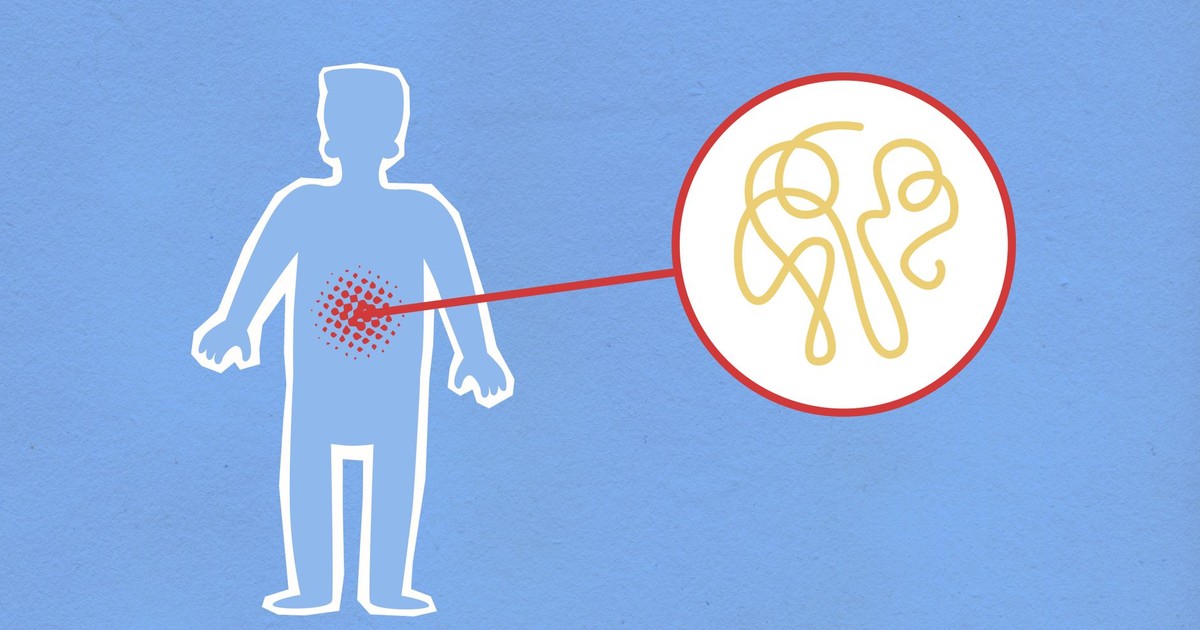
Colorectal cancer is now the leading cause of cancer death among people under 50, and warning signs can include persistent bowel changes, recurring rectal bleeding, dark or narrow stools, unexplained weight loss, and fatigue, symptoms that often have harmless causes, but should not be dismissed, especially when they are new or ongoing. The normalizing of digestive symptoms is one of the more consequential habits in adult health. Irritable bowel syndrome is real. Dietary sensitivity is real. But a pattern of change that arrived without explanation and stays, especially if it includes any blood, belongs in front of a doctor.
Research presented at a major surgical congress examined patients younger than 50 who received a colonoscopy because they were experiencing symptoms, and found that rectal bleeding was the strongest predictor of a colorectal cancer diagnosis, raising the odds by 8.5 times. According to ScienceDaily’s reporting on this research, although routine screening generally begins at age 45 for adults at average risk, warning signs can appear earlier and should be discussed with a health care provider at any age. This is one area where the instinct to wait and see can cost the most.
For readers who want to understand how early cancer symptoms can be overlooked even in the context of a family’s daily life, the story covered in our rare cancer symptoms piece is worth reading alongside this one.
Personality Changes and Mood Warnings

This is the warning sign that almost nobody flags in real time, because mood feels psychological, and most people assume psychological symptoms stay in the psychological lane. They do not. Apathy, irritability, impulsiveness, emotional volatility, and even clinical depression or anxiety can be signs of coming cognitive decline. The frontal lobes govern impulse control, emotional regulation, and social behavior. When something begins affecting those regions early, the first evidence often looks like a personality change, someone becoming uncharacteristically irritable, withdrawn, or impulsive, rather than anything that looks like a memory problem.
The pattern is consistent enough that researchers have named it: mild behavioral impairment (MBI), defined as the emergence of persistent neuropsychiatric symptoms in older individuals, is associated with a higher risk of cognitive decline and dementia. The brain follows specific paths depending on the disease process at work, and those paths often run through areas that govern emotion, motivation, and social behavior before they reach memory centers. The behavioral changes are not incidental. They are part of the earliest biology of these diseases, which means the person around you who has seemed different for the past year may be giving you the only signal available, even if neither of you recognizes it as one.
Read More: This Sudden Personality Change Could Signal Dementia Earlier Than Many Realize
What to Do With This Information

None of these illness warning signs are a diagnosis. Fatigue is almost always just fatigue. A new mole is almost always benign. Digestive changes clear up with diet. The body is constantly generating noise that means nothing, and part of being a functional adult is learning not to catastrophize every physical change. But there is a specific kind of dismissal that happens with symptoms that arrive gradually, that have been present for months, that seem almost too boring to report to a doctor, and that dismissal is where serious conditions find their window.
Brecka’s observation, grounded in years of mortality data, is that the body rarely fails suddenly and without warning. The signals are there. The challenge is that they are easy to explain away individually, as stress, as aging, as the price of having a full life, when in fact they are speaking in the same sentence. A cluster of the symptoms described here, persisting beyond a few weeks without a clear explanation, is not something to file under “I’ll look into that eventually.” It is an appointment worth making this week. Not because the worst is likely, but because the cost of being wrong in one direction is incomparably higher than the cost of being wrong in the other.
Some of these patterns go back further than a single bad week, a rough season, or a stressful year. When several of them arrive together and don’t leave, the honest thing to do is take them seriously, not as a verdict, but as information the body has been offering for longer than you realize.
Disclaimer: This information is not intended to be a substitute for professional medical advice, diagnosis, or treatment and is for information only. Always seek the advice of your physician or another qualified health provider with any questions about your medical condition and/or current medication. Do not disregard professional medical advice or delay seeking advice or treatment because of something you have read here.
AI Disclaimer: This article was created with the assistance of AI tools and reviewed by a human editor.