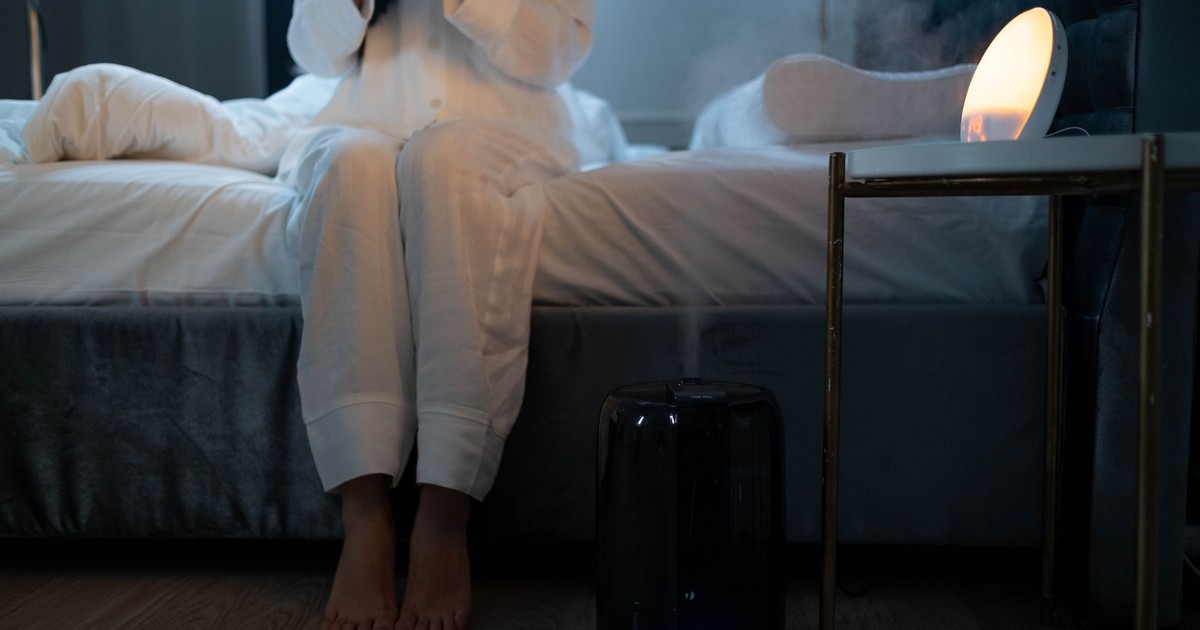

You’re right there on the edge of sleep – muscles going slack, thoughts dissolving into static – and then your entire body lurches like you just stepped off a curb that wasn’t there. Your heart hammers. You’re wide awake, staring at the ceiling, slightly annoyed at your own nervous system for ruining the one thing you had going tonight.
It happens to most people. Hypnic jerks, also called sleep starts, are experienced by up to 70 percent of the adult population at some point in their lives. And yet, for something so common, it’s almost never talked about in plain terms. People either brush it off entirely or spiral into a quiet worry that something is actually wrong. Most of the time, nothing is. But the reason it happens is considerably more interesting than “your body is just weird sometimes.”
The full name is a hypnic jerk, sometimes called a hypnagogic jerk or a sleep start. It is an involuntary muscle contraction that happens during the transition from wakefulness into sleep – a type of sleep myoclonus, which is the clinical term for jerking movements the body makes at the edge of sleep. The experience can range from a faint twitch you barely register to a full-body convulsion that shoots you upright in bed. Both are the same phenomenon. The intensity just varies.
What’s Actually Happening in Your Brain
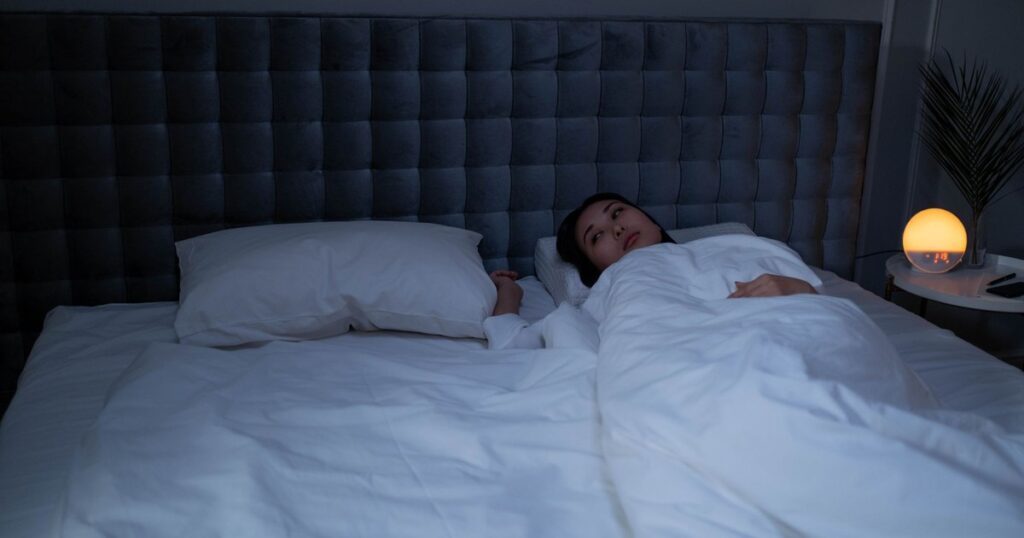
Sleep is not a door you walk through cleanly. It is more of a controlled collapse – your heart rate easing, your breathing slowing, the muscles releasing their tension in stages. Different systems in the body do not all wind down on the same timeline.
Doctors suspect that as you’re falling asleep, a misfire sometimes occurs between nerves in the reticular brainstem – the region that also controls the startle response – and that misfire is what creates the jerk. Your brain is in the middle of two competing states at once: still alert enough to monitor the environment, but already beginning to hand over control to sleep. In that gap, signals can get crossed.
The actual neuroscience points to a brief failure of motor inhibition during the sleep-wake transition, driven by processes in the brainstem. Whether this is a misfire, a release phenomenon, or some kind of neurotransmitter check is genuinely unresolved. Sleep researchers are honest about that uncertainty, which is more than can be said for most health explainers on this topic.
A hypnic jerk itself lasts between 75 and 250 milliseconds and typically involves the legs, arms, or trunk. Electromyography recordings show a single, sharp burst of motor neuron activity – distinct from the repetitive movements seen in conditions like restless legs syndrome or periodic limb movement disorder. This is important, because those conditions are different animals entirely and carry different implications.
The Falling-Out-of-a-Tree Theory
You have almost certainly heard this one. The idea, attributed to psychologist Frederick Coolidge at the University of Colorado, is that hypnic jerks are an ancient primate reflex – that the brain misinterprets the relaxation of muscles at sleep onset as a sign that the sleeping primate is falling out of a tree and causes the muscles to quickly react. It’s a tidy story, and the internet has run with it for the better part of two decades.
The honest assessment, though, is more equivocal. There is no direct evidence for the tree explanation. It is a plausible narrative attached to a real phenomenon after the fact. Primates historically slept in trees. Primates spent tens of millions of years in the canopy, monkeys sleep sitting upright on branches cushioned by tough calloused pads, and great apes build fresh sleeping nests from woven branches almost every night. So the evolutionary context is legitimate – the causal leap from that context to the hypnic jerk specifically is where the science gets thinner.
It is a good story. It just may not be the right one.
What Makes Them More Frequent
Conditions that may bring on hypnic jerks include fatigue, stress, sleep deprivation, vigorous exercise, and stimulants like caffeine and nicotine.
Caffeine deserves its own paragraph, because people consistently underestimate its reach. A study published in the Journal of Clinical Sleep Medicine found that people who stopped drinking coffee six hours before bed still had trouble falling asleep. The afternoon coffee you’re not counting – the one at 3pm, the one you justified as “just a small one” – is still circulating when you lie down at 10. A brain that is caffeinated is a brain that cannot complete the winding-down process cleanly, which means the transition from wakefulness to sleep becomes more abrupt and more prone to those brainstem misfires.
Stress is the other major player. Both everyday stress and diagnosed anxiety disorders can contribute to insomnia, which leads to the kind of sleep deprivation that increases your risk of hypnic jerks. It becomes a loop that is not fun to be inside: you’re stressed, so you sleep worse, so you’re more prone to being jolted awake, so you start dreading falling asleep, which makes you more stressed. The jerk itself becomes an event you’re bracing for, which keeps your nervous system in a state of low-level alertness right when it most needs to let go.
Exercise timing matters too, though the relationship is more nuanced than “don’t exercise.” Vigorous exercise elevates your core body temperature and heart rate, and intense physical activity within three to four hours of bedtime can delay the natural cooling process and arousal decline that the body needs for a smooth transition into sleep. Regular exercise, done earlier in the day, actually improves sleep quality. The problem is specifically late-evening intensity.
When Frequent Hypnic Jerks Become Something More
For most people, a hypnic jerk a few times a week is simply part of the texture of falling asleep. Mildly irritating, occasionally embarrassing if someone is sharing your bed, and otherwise harmless. Hypnic jerks are usually benign, but they can be intensified in certain situations, interfering with sleep onset and causing insomnia – and the resulting chronic sleep deprivation can potentially lead to depression as a consequence of neurochemical changes in the brain.
That pathway is worth taking seriously. The jerks themselves are not the problem. The problem is when they start occurring nightly, at high intensity, preventing you from falling asleep at all. That is a different situation from the occasional midnight startle, and it is one worth discussing with a doctor rather than managing alone. Under the International Classification of Sleep Disorders, hypnic jerks are classified as isolated symptoms and apparently normal variables – sitting on the borderline between normal and abnormal sleep. They need to be treated when they interfere with sleep or lead to a significant reduction in quality of life.
Sleep deprivation of any kind compounds itself quickly. If you find yourself dreading bedtime because of these jerks, that dread is as much the problem as the jerks themselves. The anxiety response to the prospect of being startled awake keeps your nervous system primed in exactly the wrong direction. Some people find that sleep deprivation effects accumulate faster than they expect – and by the time the nightly jolts are disrupting actual sleep architecture, the downstream effects on mood, focus, and physical health are already in motion.
What You Can Actually Do About Them
There is no guaranteed fix, because the exact cause is not fully known. What does exist is a cluster of changes that reliably reduce how often and how intensely they occur.
Caffeine cutoff is the most consistent recommendation, and the window is longer than people want to hear. Stopping consumption six to eight hours before bed gives your system enough time to clear most of the stimulant load. That means if you go to bed at 10pm, your last coffee should be closer to 2pm, not 4pm. Yes, that is earlier than feels reasonable. The tradeoff is fewer midnight body-jolts.
Timing your exercise makes a real difference. Moving your workouts to mornings or early afternoons keeps the elevated heart rate and body temperature well away from your sleep window. If late-evening exercise is unavoidable, lighter movement – a walk, stretching – is far less disruptive than a high-intensity session.
Managing stress before bed is the advice that sounds vague until you give it a genuine attempt. A 20 to 30-minute wind-down routine before bed – whether that is mindfulness meditation, deep breathing, or simply calming music – can help disengage the hyper-vigilant part of the brain and reduce the likelihood of anxiety-driven hypnic jerks. The goal is to lower the overall arousal level before your nervous system attempts its transition. The more gradually you ease toward sleep, the less likely the brain is to misfire in the gap.
The Thing Your Body Is Telling You
Hypnic jerks are not a disease. They are not a sign of a neurological condition, and they are not something most people need medication for. What they are, reliably, is a signal from a body that is trying to do too many things at once – stay alert and let go, stay vigilant and trust the dark – and occasionally gets those signals crossed.
If they happen rarely and resolve quickly, they are background noise, the body doing its ordinary, strange thing. If they happen every night, if you lie awake dreading them, if you wake up exhausted because you cannot complete the transition into proper sleep, that is your nervous system asking for something you have not given it yet. Usually that something is time: time to wind down, time between the caffeine and the pillow, time between the hard workout and the lights off.
What the science cannot fully explain – why some people experience these more than others, why the intensity varies so wildly, why some nights produce them and others don’t – is the honest, uncomfortable truth that sleep research is still catching up to what the body already knows. Your nervous system has been running this particular program for tens of millions of years. It does not always need a reason to misfire. Sometimes it just does. That is not a malfunction. It is just being alive.
Disclaimer: This information is not intended to be a substitute for professional medical advice, diagnosis, or treatment and is for information only. Always seek the advice of your physician or another qualified health provider with any questions about your medical condition and/or current medication. Do not disregard professional medical advice or delay seeking advice or treatment because of something you have read here.
AI Disclaimer: This article was created with the assistance of AI tools and reviewed by a human editor.