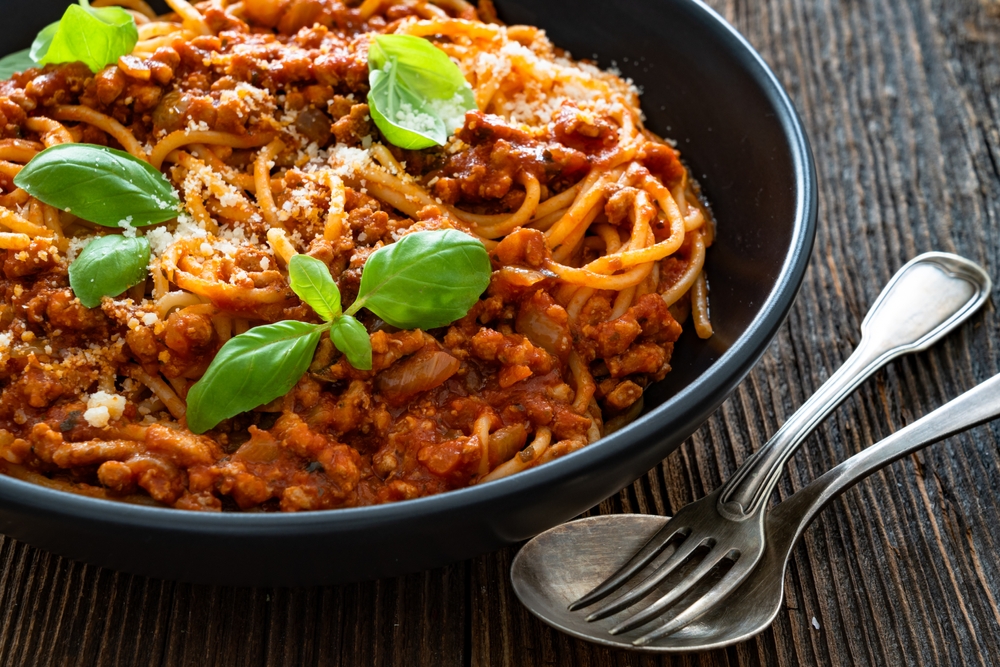

Some nights, dinner is a small act of love. Other nights, it’s a whole thing. You know the feeling – you’re tired, you sat down to eat, and then someone says something that changes the entire atmosphere in the room. What starts as a meal turns into a conversation nobody was ready for. Sometimes it’s about the food. Sometimes it really isn’t.
A story that’s been circulating online lately captures exactly that tension. A husband sat down to a bowl of his wife’s spaghetti, took a bite, noticed something tasted a little different – earthy, a little off – and asked what she’d done differently. When his wife revealed a secret ingredient she had put into the sauce, he stopped eating entirely. She thought he was overreacting. He wasn’t so sure. By the end of the night, they were barely talking. Sound familiar? Even if the specific details don’t, the dynamic probably does.
What made this story take off wasn’t just the spaghetti – it was that it touched on two things people care about deeply: whether the food you’re being served is actually safe, and whether you get a say in what goes into your own body. Those two threads, trust and safety, got tangled together fast. And once they’re tangled, they’re surprisingly hard to separate.
When a Good Intention Becomes a Problem
The wife wasn’t trying to cause harm. In the current grocery climate, where food prices have climbed steadily, trying to get more use out of leftovers makes a lot of sense. Waste less, spend less. Most families are thinking along those lines. But reducing food waste and serving food safely aren’t always the same project – and that gap is where this Reddit food debate really opened up. The wife ended up blending 6-day old pasta and adding it to the spaghetti sauce. Unfortunately, that could be a hazard.
The specific issue here is the age of the pasta. According to Healthline, most cooked pasta only lasts in the fridge for between 3 to 5 days before it starts to show signs of expiration. Six-day-old pasta has already moved past that window. And it’s not just about whether it smells fine or looks okay. One of the most common foodborne pathogens that can grow on old pasta is Bacillus cereus, which can cause cramps, nausea, diarrhea, and vomiting – and in severe cases has even been known to cause death. That’s not scare-mongering. That’s just the biology of what happens to cooked starch when it’s been sitting around long enough.
There’s also the question of how the pasta was stored in the first place. Healthline advises that cooked pasta should be refrigerated within 2 hours of being cooked, as moisture trapped in warm sealed pasta creates the ideal environment for bacteria or mold to grow. So even if the pasta went into the fridge in a timely way, six days is still a stretch beyond what food safety guidelines recommend.
Is It Okay to Hide Ingredients in Your Spouse’s Food?
This is really the heart of what the marriage food disagreement in this story is about, and it’s worth being honest about it. Hiding ingredients – even with good intentions – removes the other person’s ability to make an informed choice about what they’re eating. That matters for a lot of reasons. Allergies and intolerances are the obvious ones. But there’s also something more fundamental: most adults reasonably expect to know what’s in their food, especially at home, especially from a partner.
The question “is it okay to hide ingredients in your partner’s food?” doesn’t have a complicated answer. Even when the motivation is harmless – using up leftovers, trying a new cooking method, sneaking vegetables into a picky eater’s meal – the other person’s right to know what they’re consuming doesn’t disappear. That becomes even more true when the spaghetti hidden ingredient in question raises a genuine safety concern. It’s not the surprise that’s the problem. It’s the lack of consent.
What tends to make situations like this spiral is that two different arguments get conflated. One is about the food itself and whether it was safe. The other is about feeling blindsided by someone you share a table with every night. Both are valid. Mixing them together means neither gets a fair hearing.
What the Food Safety Numbers Actually Say
Here’s the context that tends to get lost in a Reddit thread food safety debate: foodborne illness is not rare, and it’s not trivial. The CDC estimates that about one in six Americans gets sick from foodborne illness each year, leading to about 128,000 hospitalizations and 3,000 deaths. That’s a standing number. It doesn’t require a major outbreak or a headline recall – it’s the background hum of what happens when food isn’t handled carefully.
The U.S. Centers for Disease Control and Prevention (CDC) notes that food poisoning symptoms – including diarrhea, stomach pain or cramps, nausea, vomiting, and fever – depend on the type of germ swallowed, and some germs can make you sick within a few hours while others may take a few days. That last part is important in this story. The husband tasted something off and stopped eating. But even that small amount could theoretically cause a delayed reaction. The onset window varies widely depending on what’s actually growing in the food.
The CDC also notes that severe food poisoning can cause bowel issues lasting more than 3 days, fever over 102°F, frequent vomiting, and dehydration. Most cases don’t go that far. But “most cases” is cold comfort when you’re the one who didn’t get a say in what you ate.
What the USDA Actually Recommends for Leftovers
The guidelines on this are clear, and they’re not buried somewhere obscure. The U.S. Department of Agriculture – Food Safety and Inspection Service (USDA FSIS) states that bacteria grow rapidly between 40°F and 140°F, and that any perishable food left at room temperature for more than 2 hours should be thrown away. The window between “food is fine” and “food is a risk” is narrower than most people assume.
On the question of how long leftovers last once they’re properly stored: USDA FSIS advises that after thawing frozen leftovers, food should be used within 3 to 4 days. For refrigerated pasta that was never frozen, the same 3 to 4 day window applies. Day six is well outside that range, regardless of how the food looks or smells. Bacteria that cause illness don’t always announce themselves visibly.
That’s a detail worth keeping on the refrigerator door, genuinely. The “sniff test” is not a food safety strategy. Plenty of bacteria that make people sick have no odor, no visible mold, and no obvious sign that anything is wrong.
Read More: 13 Behaviors To Avoid While Grocery Shopping
What Should You Do If Your Spouse Refuses to Eat Your Cooking?
The practical answer first: don’t take it personally until you’ve asked why. There’s a big difference between “I’m not hungry” or “I don’t like this flavor” and “I have a real concern about what I just ate.” If your partner stops eating mid-meal after finding out a key fact about what’s in it, that’s information worth taking seriously – even if the delivery wasn’t perfect.
The wife’s reaction in this story – brushing it off as dramatic and wasteful – is understandable. She’d made an effort. She felt dismissed. But the issue wasn’t really about wasted food or a sensitive husband. It was that he’d already eaten some of it without knowing what was in it, and that discovery changed the meal into something he didn’t have the chance to consent to. The conversation that follows that moment needs to acknowledge both things: his concern was legitimate, and her intentions were good. Starting from there tends to go better than starting from “you’re overreacting.”
Cooking demands trust. Whether you let your spouse handle a portion of the meal you’d typically handle yourself or trust that they won’t oversalt the soup, it’s about letting go of control – which can be more revealing than we’d like. When trust in the kitchen gets shaken – even by accident – it tends to echo beyond the meal.
What This Means for Your Kitchen
The spaghetti story is a good reminder that food safety at home is genuinely worth knowing, and that “good enough” is not always good enough. Most households handle leftovers well most of the time. But familiarity can breed a certain casualness – pasta that’s been sitting in the fridge for almost a week gets used because it seems fine, because throwing food away feels wasteful, because nobody got sick last time.
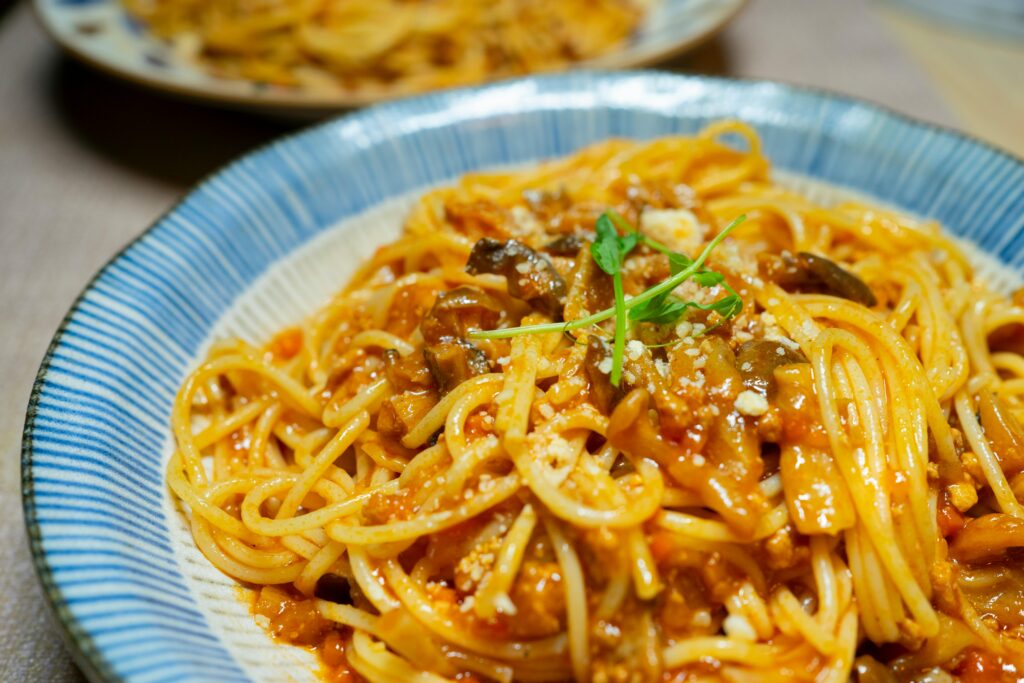
The truth is that the husband who refuses his wife’s spaghetti after finding out the secret ingredient was six-day-old blended pasta wasn’t being dramatic. He was responding to a real concern. The fact that food poisoning doesn’t always happen immediately makes the risk harder to track, not smaller. Because many people recover from food poisoning without medical attention, the true numbers are likely much higher than reported – the CDC estimates that 1 in every 6 Americans becomes ill every year from contaminated food or beverages.
The better version of this story is one where the wife asks before adding something unusual, or where they have a simple conversation about what’s still good in the fridge. Experimenting in the kitchen is genuinely one of the better things couples can do together – the kitchen turns into a relationship lab where you can observe how you both manage stress, make decisions, and work through issues. But the experiment works best when both people are in on it. Nobody wants to be a test subject at the dinner table.
The upshot: know your leftover timeline, talk to your partner before getting creative with what’s already been cooked, and if someone stops eating because of what they’ve just found out, that’s a conversation to have – not a reaction to dismiss. The food might have been fine. But the feelings about it are also fine.
Disclaimer: This article was written by the author with the assistance of AI and reviewed by an editor for accuracy and clarity.