

Stepping outside on a 90-degree day in New Orleans strikes your body completely differently than a 100-degree afternoon in Phoenix. The thermometer in Phoenix actually reads higher, and yet you’ll be soaked through and breathless in New Orleans before you’ve made it to the car. Anyone who has experienced both knows this in their bones, even if they’ve never been able to fully explain it. The feeling isn’t in your head. It’s physics, and it’s playing out on your skin in real time.
Moisture in the air changes everything about how your body manages heat. When the humidity climbs, your built-in cooling system gets progressively less effective, and your body starts working harder just to keep your core temperature from rising. What feels like ordinary summer heat becomes something your body genuinely has to fight.
Here are the five reasons humid heat feels worse, and why that gap between a dry day and a humid one is bigger and more dangerous than most people realize.
1. Sweat Can’t Evaporate, So Your Cooling Process Stalls

Your body’s primary way of cooling itself is sweating. When sweat evaporates from your skin, it absorbs heat energy and carries it away, roughly 580 calories of heat per gram of sweat that evaporates. This is remarkably efficient and is the reason humans can survive in temperatures well above our core body temperature.
Evaporation only works when the air has room to accept more moisture. When humidity is high, the air is already saturated with water vapor and cannot absorb much more. Your sweat sits on your skin instead of evaporating, and your body loses its most effective cooling tool. You still produce sweat, often more of it, but it drips off rather than evaporating, providing almost no cooling benefit.
This is why 85°F at 80% humidity can feel worse than 95°F at 20% humidity. At 20% humidity, your sweat evaporates almost instantly, keeping your skin dry and cool. At 80% humidity, evaporation slows to a crawl, and your body overheats despite sweating heavily. A muggy 88-degree day exhausts you faster than a dry 100-degree one because your body cannot shed heat.
2. Your Heart Works Harder to Compensate
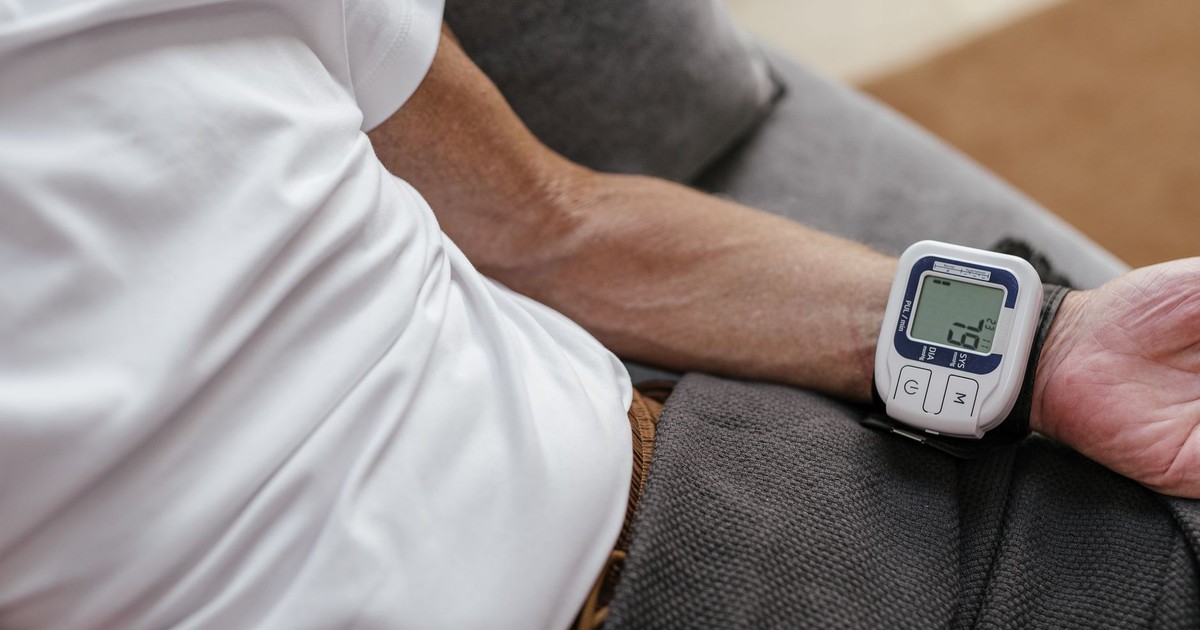
When sweat stops doing its job, your body doesn’t just sit there. It escalates. The body attempts to cool by redirecting blood toward the skin and increasing heart rate, placing more strain on the heart. Think of it as your cooling system defaulting to a backup mode that was never designed to run continuously.
Humid air hinders evaporative cooling. This causes body temperature to rise, straining the heart and accelerating dehydration. That combination, a heart pumping harder while the body loses fluids faster, is what makes humid heat so physically draining, even when you’re not exerting yourself. A slow walk to get the mail becomes a negotiation with your own cardiovascular system.
Dehydration can happen quickly as sweating continues in vain. If the body’s temperature keeps rising, heat exhaustion or heat stroke can develop, the latter being a life-threatening emergency if not quickly addressed. The progression from “I feel gross” to “I feel genuinely unwell” is faster in humid conditions than in dry ones, and it can catch people off guard precisely because the temperature number on the weather app didn’t look that alarming.
3. The “Feels Like” Temperature Is Real, and It’s Calculated for Shade
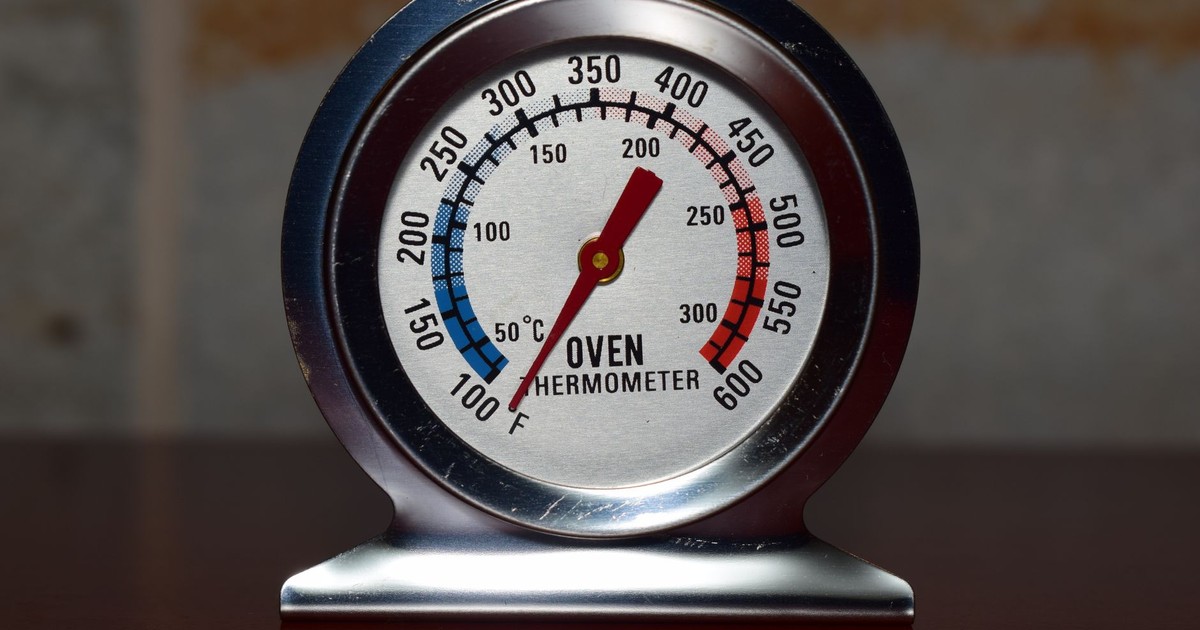
The heat index measures how hot it actually feels to your body, combining the measurements of air temperature and relative humidity. Physicist Robert Steadman created the heat index in 1979. That same year, the National Weather Service developed its own version using Steadman’s work as a foundation.
When it’s 90 degrees outside with 70 percent humidity, it can feel like a much hotter 106 degrees. That 16-degree gap isn’t a rounding error or a weather-app flourish. It’s the real physiological burden your body is carrying.
Here’s the part many people miss: heat index values were devised for shady, light wind conditions, and exposure to full sunshine can increase values by up to 15 degrees. So when your app tells you it feels like 106, that number assumes you’re standing in the shade with a light breeze. Standing on a sun-baked parking lot or a blacktop playground, the real “feels like” temperature can be pushing 120. The forecast is already softening the bad news before you even walk outside.
4. Humid Air Physically Slows Your Body’s Ability to Dump Heat

There’s a more technical way scientists measure the danger of combined heat and moisture, and it gets to the heart of why humid heat feels worse at a biological level. It’s called wet-bulb temperature, and it works a lot like your skin does: a thermometer wrapped in a wet cloth cools as that water evaporates, just as sweat cools your skin. The more humid the air, the less evaporation occurs, and the higher the wet-bulb reading climbs.
For a long time, scientists believed the upper limit of human survivability was a wet-bulb temperature of 35°C, about 95°F at 100% humidity. A wet-bulb temperature of 35°C has been theorized to be the limit to human adaptability to extreme heat, though this theorized threshold, while based in physiological principles, had not been tested using empirical data.
A Penn State study examined the critical wet-bulb temperature at which heat stress becomes uncompensable in young, healthy adults performing tasks at modest metabolic rates. Across six experimentally determined environmental limits, no subject’s critical threshold reached the theoretical 35°C limit, and all means were significantly lower. Mean critical values in humid environments averaged around 30.55°C. In practical terms: young, healthy people doing nothing more strenuous than light daily tasks can be pushed past their body’s limit at conditions far less extreme than scientists previously believed. The margin we thought we had is smaller than it looked.
5. Humid Heat Days Are Becoming More Common, and the Baseline Is Shifting

The reason this matters beyond curiosity is that the days when humid heat feels worse are arriving more often, and in places that haven’t historically had to reckon with them. Once air temperatures exceed about 35°C, the only way the body can effectively cool itself is through the evaporation of sweat. The more water the air holds, the less sweat can be vaporized, blunting its effectiveness as a cooling process altogether.
Heat is the leading cause of weather-related deaths in the United States, and as global temperatures continue to rise, the threat extreme heat poses isn’t going away. Warmer air holds more moisture, which means the same climate change that is pushing temperatures higher is also making the air more humid across more of the country. The combination compounds the danger faster than either factor would alone.
A 2026 Forbes article notes that high humidity makes hot days significantly more dangerous than dry heat, even at lower ambient temperatures. A muggy 92-degree day can represent a greater physiological threat than a scorching dry 105-degree one, depending on who is standing in it and for how long. The number on the thermometer is not the whole story. It’s not even most of the story.
Read More: Spotting a Purple Flag on the Beach? Here’s What You Need to Know
What Your Body Is Actually Telling You

When humid heat feels worse, it’s not a perception problem. It’s a feedback system working correctly. Your body knows before you consciously register it that conditions have changed in a way that requires more effort, more resources, and more rest than the thermometer alone would suggest. The heaviness you feel walking outside into a wall of hot humid air is your cardiovascular system already ramping up. The way a short errand leaves you feeling like you ran a mile is your heart telling you it covered the distance your sweat couldn’t.
The heat index on your weather app deserves more attention than the air temperature reading, the shade matters more than you think, and the people around you who are struggling most – older adults, children, anyone with heart or kidney disease, anyone without reliable air conditioning – are dealing with a body whose thermal margin is even thinner than yours. Checking in on them on a high-humidity day isn’t an overcautious gesture. Given what the science now shows about how quickly that physiological ceiling can be reached, it’s exactly the right call.
Disclaimer: This information is not intended to be a substitute for professional medical advice, diagnosis, or treatment and is for information only. Always seek the advice of your physician or another qualified health provider with any questions about your medical condition and/or current medication. Do not disregard professional medical advice or delay seeking advice or treatment because of something you have read here.
AI Disclaimer: This article was created with the assistance of AI tools and reviewed by a human editor.