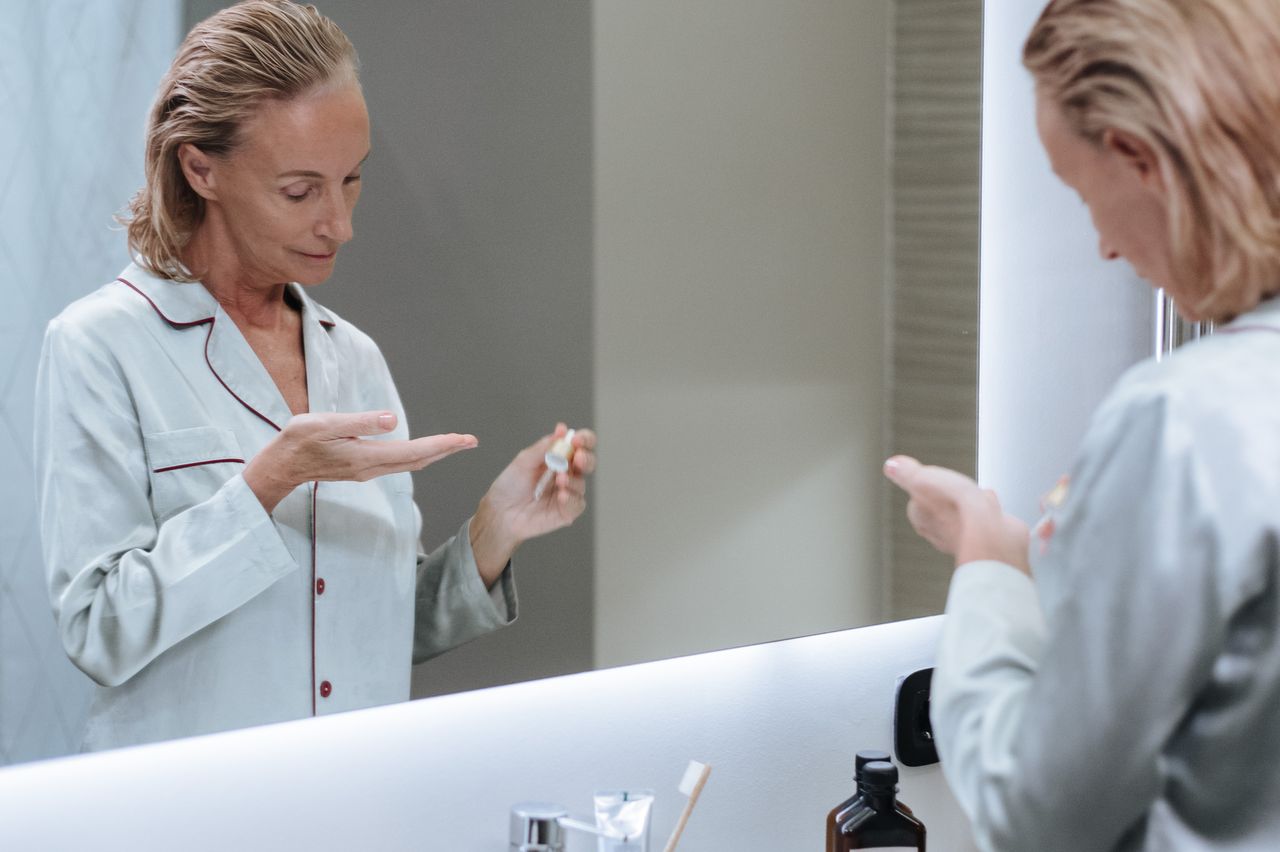

Retinol has been the most-talked-about word in skincare for the better part of two decades, and the conversation has not quieted down. If anything, it has gotten louder, more specific, and a little more overwhelming. Walk down any drugstore aisle and you’ll find dozens of versions – serums, creams, oils, capsules, eye treatments – all promising smoother skin, faded dark spots, and something adjacent to turning back time. The sheer volume of options is not a coincidence: drugstore retinol products have become one of the most competitive categories in beauty, and the formulations have genuinely gotten better.
Here’s the thing about retinol at the drugstore price point: it used to mean compromise. You were getting a watered-down version of what the dermatologist’s office was offering, and you knew it. That’s changed considerably. Encapsulated delivery systems, barrier-supporting ceramides, niacinamide pairings, gradual-release technology – these were once reserved for $150 serums, and now they’re sitting on the shelf between the lip balm and the reading glasses. The playing field has leveled, and your skin doesn’t have to know what you paid.
What hasn’t changed is that retinol still requires patience, a slow introduction, and a daily commitment to SPF. It also still requires knowing what you’re actually looking for, because not every formula suits every face. The 12 drugstore retinol products below have been consistently recommended by board-certified dermatologists, tested by beauty editors, and verified by tens of thousands of real-user reviews. Whether you’re a complete first-timer or you’ve already made peace with the adjustment period, something in this list was made for your skin.
What Retinol Actually Does (and Why Dermatologists Keep Recommending It)
Before the list, a fast grounding in the science, because it genuinely informs which product you should reach for. According to the Cleveland Clinic, retinol increases skin cell production and exfoliates the skin while boosting collagen production, which reduces the appearance of fine lines and wrinkles. It also increases the thickness and elasticity of your skin, slows the production of melanin, reduces inflammation, and prevents clogged pores. That’s a lot of work from one ingredient, which is part of why it’s earned its reputation.
The clinical data is worth knowing about. A 2024 analysis reported by Dermatology Times looked at six vehicle-controlled studies involving over 350 women treated daily with 0.1% stabilized retinol across 12 weeks, finding significant improvements in crow’s feet, facial wrinkles, uneven skin tone, brown spots, and overall photoaging compared to a vehicle control. That’s not a high concentration by any standard – it’s roughly what you’ll find in many of the products below – which means you don’t need to start aggressive to see real results.
One universal rule applies to every product on this list: retinol makes your skin more sensitive to sunlight, so use sunscreen and limit sun exposure while using retinol products. For the first couple of weeks, apply retinol every other day, then finish with a facial moisturizer that won’t clog pores. Now, the products.
1. CeraVe Resurfacing Retinol Serum
CeraVe has built its entire brand identity around one core idea: don’t disrupt the skin barrier. That philosophy translates extremely well to a retinol serum, an ingredient category that has historically earned a reputation for disrupting exactly that. Multiple dermatologists have cited this CeraVe formula as a go-to, with Today.com’s dermatologist-reviewed drugstore retinol guide recognizing a Shop TODAY Beauty Award winner in this lineup while praising its combination of hyaluronic acid, glycerin, ceramides for hydration, and niacinamide with licorice root extract for addressing uneven discoloration.
The 0.3% retinol concentration is gentle enough for most skin types to tolerate without a dramatic adjustment period, while the ceramides and CeraVe’s MVE (MultiVesicular Emulsion) technology deliver sustained hydration throughout the day. This is the serum that earns the label “beginner-friendly” without being boring about it. The encapsulated retinol combined with niacinamide and hyaluronic acid addresses irritation potential while delivering active benefits, with what reviewers describe as possibly the best quality-to-price ratio in the retinol serum category. At under $20, the risk-to-reward calculation is very easy math.
2. RoC Retinol Correxion Anti-Aging Wrinkle Night Serum Capsules
RoC has been in the retinol business longer than most brands, and the serum capsule format has become one of its most recognizable products. Dermatologists note that it “works really well, you can find it anywhere and the vast majority of folks tolerate it well,” while the individual capsule packaging delivers a precise dose of retinol and antioxidants overnight to target fine lines.
The capsule format solves a problem that most retinol users don’t think about until it’s too late: oxidation. Retinol is notoriously unstable when exposed to air and light, which is exactly why a single-use capsule makes so much practical sense. You crack it open, use it all, no degradation. Today.com’s 2026 retinol serum guide confirms that RoC’s retinol serum is recommended and tested by dermatologists and is among Amazon’s most highly rated skincare products, with more than 13,000 five-star reviews. The antioxidant blend (vitamin E features prominently) adds an extra layer of skin protection you don’t always find at this price point.
3. Neutrogena Rapid Wrinkle Repair Retinol Pro+ 0.5% Power Serum
Neutrogena has been a fixture of the drugstore skincare conversation for decades, and this particular serum represents the brand at its most concentrated. The Retinol Pro+ 0.5% Power Serum is formulated with Neutrogena’s highest concentration of pure retinol to reduce dark spots and deep wrinkles, with users typically seeing improvement in wrinkles and fine lines in two weeks and firmer, smoother skin with improved clarity.
This is not a beginner formula, and Neutrogena doesn’t pretend it is. The 0.5% concentration puts it at the higher end of what over-the-counter retinol typically offers, which means faster results but also a more pronounced adjustment period. If you’ve already done a few months with a gentler serum and you’re ready to advance, this is a natural next step. Dermatologists advise starting with a lower concentration if you’re new to retinol and building gradually, with one skin expert specifically recommending the Neutrogena Rapid Wrinkle Repair range as a formula that “targets fine lines, wrinkles and texture quickly” when used every other night initially. Note that the formula contains added fragrance, which sensitive skin types should factor in.
4. Olay Retinol 24 Night Face Moisturizer Cream
Olay occupies an interesting position in the retinol market: it’s a legacy brand that has genuinely updated its formulations without abandoning its accessibility. The Retinol 24 Night Moisturizer is the product most often cited by both dermatologists and everyday testers as the best balance between performance and comfort for anyone who finds serums too drying. Olay retinol creams are dermatologist-tested and highly rated for helping to firm and nourish parched skin, with a lightweight, non-greasy texture that doesn’t pill, plus niacinamide in the formula to address dark spots.
The fact that Olay doesn’t disclose its precise retinol concentration is a minor frustration, but the consumer results speak consistently. The cream format here is a deliberate choice: it layers moisturization alongside the retinol, which means less of the tight, flaky aftermath that deters a lot of people from sticking with retinol in the first place. For dry skin types who have bounced off serums before, this is worth starting with.
5. L’Oréal Paris Revitalift 0.3% Pure Retinol Serum
L’Oréal’s Revitalift line has been the brand’s workhorse anti-aging range for years, and the 0.3% Pure Retinol Serum is its most-discussed entry. What makes it stand apart from other 0.3% formulas is the word “pure”: this is straight retinol, not an ester or a derivative, which tends to mean faster conversion to the active form retinoic acid in the skin. The formula has been praised for its absorption and efficacy, though some testers have noted its distinctive scent and a dropper that can be tricky to control.
The serum sits at a price point – typically around $30 – that feels elevated for a drugstore product but still represents significant savings compared to prestige alternatives offering similar concentrations. If you want to know exactly what you’re putting on your face and in what amount, this formula’s transparency about its 0.3% concentration is genuinely useful. Apply it with the “sandwich” method: moisturize first, apply the serum on top, moisturize again. It reduces irritation considerably.
6. Differin Adapalene Gel 0.1%
Technically, Differin is not retinol. Adapalene (the active ingredient) is a synthetic retinoid, which means it belongs to the same vitamin A family but works through a different pathway. In 2016, Differin’s adapalene gel became the first prescription-strength retinoid to become available over the counter, and it has since been clinically shown to significantly improve signs of skin aging, particularly wrinkles and pigmentation.
The reason it earns a spot here is practical: it is one of the most dermatologist-recommended products in this entire category, at any price. One board-certified dermatologist describes Differin as “a fantastic anti-aging product” that stimulates collagen production in the dermis to help with fine lines and overall skin thickness, while also exfoliating surface skin cells to prevent the brown spots and mottled pigmentation that contribute to an aged appearance. The caveat worth knowing: it contains only adapalene, no hydrating extras, so a good moisturizer applied afterward is non-negotiable.
7. Neutrogena Rapid Wrinkle Repair Retinol Face Oil
If the word “oil” and “retinol” in the same sentence makes you nervous, that’s understandable – retinol already carries a reputation for dryness, and oil feels counterintuitive. But this formula inverts the logic. The oil base here functions as a delivery vehicle that’s inherently more comfortable for dry and mature skin, and the concentration remains manageable. The Neutrogena Rapid Wrinkle Repair Retinol Oil contains 0.3% retinol formulated to reduce the look of dark spots, age spots, and deep wrinkles.
The product addresses dryness, dullness, dark spots, fine lines, and wrinkles simultaneously – which, for anyone maintaining a minimal routine, is the kind of efficiency worth building a regimen around. Apply four to five drops to clean skin before a moisturizer. It absorbs without the greasy film you might expect, and for anyone who has found retinol serums too stripping during winter months, the oil format can make the difference between tolerating the ingredient and actually sticking with it.
8. La Roche-Posay Redermic R Anti-Wrinkle Concentrate
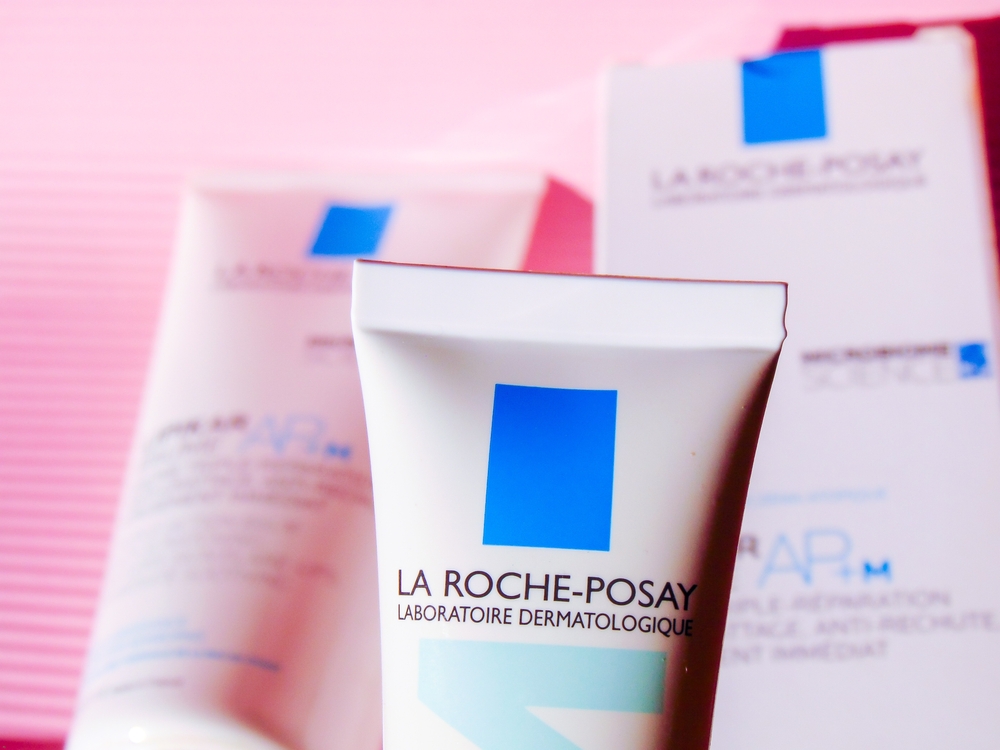
La Roche-Posay sits at the upper edge of what drugstore retinol typically means – you’ll find it at the pharmacy counter rather than the mass-market shelf – but its price point and widespread availability keep it firmly in this category. The Redermic R Anti-Wrinkle Concentrate is one of the brand’s best-known products, built around pure retinol with the brand’s signature thermal spring water base to temper irritation.
The formula is a strong middle-ground pick: higher potency than some beginner serums but formulated with enough soothing support to suit sensitive-leaning skin types who’ve already built some tolerance. The thermal spring water, a fixture in La Roche-Posay’s entire lineup, has genuine calming properties, and it pairs with the retinol rather than working against it. Dermatologists frequently recommend this brand for patients who have reacted to other retinol formulas, specifically because the minimalist ingredient list reduces the number of potential irritants.
9. The Ordinary Granactive Retinoid 2% Emulsion
The Ordinary has done more than most brands to democratize ingredient-forward skincare, and the Granactive Retinoid 2% Emulsion is a good example of why. Granactive retinoid (hydroxypinacolone retinoate, or HPR) is a next-generation retinoid that works differently from traditional retinol: it binds directly to retinoic acid receptors in the skin without requiring conversion, which is part of why it tends to cause less irritation. The EU’s 2024 retinol regulation limits retinol concentration to 0.3% and has pushed brands toward safer, reformulated options – and HPR-based formulas like this one represent exactly that direction, offering effective retinoid activity at a low irritation profile.
At under $15, this is one of the best-value options in the retinoid category. The emulsion texture is light and absorbs cleanly, and the 2% HPR concentration is meaningfully active without the sandpaper-face week that sometimes greets traditional retinol newcomers. If you’ve tried and failed with conventional retinol and assumed the problem was you, try this first.
10. Olay Regenerist Retinol 24 MAX Moisturizer
Olay’s Retinol 24 MAX is the more advanced sibling of the standard Retinol 24 Night Moisturizer, and the distinction is real. The MAX formula delivers a higher retinol concentration with the same niacinamide and barrier-supporting extras that make the original so livable, designed for users who have already built tolerance and want to push further on results. Olay retinol creams are both dermatologist-tested and highly rated by users for helping to firm and nourish parched skin.
This one sits well for anyone who has been using a 0.3% formula for three to six months and wants to see what a step up does without committing to a prescription strength. The moisturizer format remains the more forgiving delivery system, which means the increased potency integrates with less drama than a higher-strength serum would deliver. It’s a measured escalation rather than a dramatic one – which, honestly, is how retinol should always work.
11. RoC Retinol Correxion Eye Cream
The eye area is where most people want retinol to work and where most people are most afraid to put it. The skin is thinner, more reactive, and the product needs to be both effective and gentle enough to use daily without causing the kind of irritation that makes you look more tired, not less. RoC is the premier name in over-the-counter retinol, and its eye cream carries more than 27,000 five-star Amazon reviews, excelling at improving the appearance of both fine lines and dark circles while being dermatologist-recommended.
The formula pairs retinol with glycerin for moisture retention and mineral pigments that provide an immediate visual brightening effect – so you’re getting both the cosmetic quick-fix and the longer-term structural benefit from the same product. Apply it with your ring finger (least pressure of any finger), use a pea-sized amount for both eyes combined, and expect the first visible fine-line results around the six-week mark with consistent use.
12. The Inkey List 1% Retinol Serum
At the top of the over-the-counter retinol concentration range, The Inkey List’s 1% Retinol Serum is built for users who know what they’re doing and want maximum return. The 1% retinol serum is designed to minimize the appearance of post-acne scars and wrinkles, which makes it one of the more versatile high-strength options in the drugstore category – most products at this concentration focus purely on anti-aging. The addition of squalane in the formula is a smart move: it’s a lightweight, non-comedogenic oil that cushions the retinol’s intensity and makes the serum significantly more comfortable to use than a bare 1% formula would be.
Start with once a week, build to every other night, and layer a ceramide moisturizer on top. The results at this concentration – particularly on texture, deep wrinkles, and stubborn hyperpigmentation – are in the neighborhood of what prescription-adjacent products deliver, at a fraction of the cost. This is the retinol you graduate to, not the one you start with.
Read More: 13 Things You Might Not Want to Buy at the Dollar Store
Before You Pick One
The honest truth about drugstore retinol products is that the best one is the one you’ll actually use consistently. It usually takes several months of topical retinol use to notice a difference, which means the formula that doesn’t irritate you enough to quit is more valuable than the formula with the highest concentration you can technically tolerate. Start gentle, build slowly, and wear your SPF. Sunscreen is non-negotiable regardless of which product you choose.
Retinoids are one of the few ingredients clinically established to prevent skin damage, heal acne, fight the signs of aging, and produce visible improvements in skin with consistent use – unlike most of-the-moment beauty fads that cycle through and disappear. That longevity is the reason dermatologists have been recommending retinol since before it was a TikTok trend, and it’s the reason it will still be worth reaching for long after the next buzzy ingredient has cycled through. You don’t need the expensive version to get real results. You just need a tube, a commitment, and some sunscreen.
AI Disclaimer: This article was created with the assistance of AI tools and reviewed by a human editor.