

You finish lunch at noon and by 2 p.m. you’re back at the snack drawer, not because you’re genuinely hungry but because the crackers are there and the afternoon is long and something has to happen. This is not a character flaw. It is the natural result of a food environment that has arranged itself around continuous eating, an environment where snack options are always within arm’s reach, where three meals a day somehow became a minimum rather than a complete framework, and where going more than a few hours without eating has been described, in fitness circles and pediatric waiting rooms alike, as dangerous. The science has been catching up on all of this, and the picture it is drawing is not kind to the all-day grazing model.
This is not about shame. If you have eaten your way through a bag of crackers at 10 p.m. while finishing a work project, congratulations, you are a person who lives in the world. The point isn’t guilt. The point is that a habit this normalized, this built into the architecture of modern eating, deserves honest scrutiny rather than a pass because it doesn’t carry the social stigma of smoking or sugar.
What Actually Happens When You Graze All Day

Every time you eat, your body releases insulin. Insulin is the hormone that signals your cells to absorb glucose from the bloodstream, using it for energy or storing it for later. This is a normal, healthy process. The problem isn’t insulin itself – it’s what happens when the system never gets a rest.
Frequent grazing keeps insulin levels elevated throughout the day. A 2025 prospective cohort study of 4,570 adults found that meal frequency is significantly linked to insulin resistance, the condition where cells progressively stop responding to insulin’s signal. Insulin resistance is not a minor inconvenience. It is the upstream condition behind type 2 diabetes, metabolic syndrome, and a cluster of cardiovascular problems that together represent some of the leading causes of death in the United States.
Think about what most between-meal snacking actually looks like in practice: crackers, granola bars, fruit juice, chips, a handful of something from a bag. These are almost entirely refined carbohydrates, which spike blood glucose faster and higher than a balanced meal would, arriving on top of a system that hasn’t had a chance to stabilize from the last spike. A 2025 review on postprandial cardiometabolic health found that cardiometabolic diseases – including type 2 diabetes, cardiovascular disease, and metabolic dysfunction-associated liver disease – are increasingly driven by near-continuous after-meal exposure to glucose and lipid surges that traditional fasting tests often miss. A person can fast for twelve hours before a blood draw, look perfectly fine on paper, and still be spending eighteen waking hours a day in a state of sustained metabolic strain.
The Research Is More Recent Than You’d Think
For a long time, the evidence on snacking and meal frequency was genuinely mixed. Some studies found modest benefits to more frequent eating; others found the opposite. The research field has gotten considerably cleaner in the past two years, and the picture emerging is not flattering to the grazing model.
The 2025 cohort study drawing on 4,570 adults aged 40 to 69 explored the relationship between meal frequency and insulin resistance in middle-aged and older adults. This kind of large-scale, longitudinal data captures what happens to real people across years of actual behavior, not what happens to a volunteer group over six weeks in a clinical setting – which is why it carries more weight than the short-term trials that dominated earlier research.
The timing of eating matters, not just the frequency. A study drawing on National Health and Nutrition Examination data found that each 10 percent increase in the proportion of calories consumed in the evening was associated with a 3 percent increase in C-reactive protein, a key marker of systemic inflammation. The study involved women specifically, which is significant, since the metabolic and inflammatory implications of evening eating in women have not always been a research priority. The finding also tracked with what most of us already experience intuitively: late-night eating rarely happens in the form of a balanced dinner. It happens in the form of whatever is within reach after 9 p.m.
The populations associated with exceptional lifespan tend to eat within a defined window and stop well before sleep – a pattern explored further in this piece on longevity and meal timing, and one that looks quite different from the modern all-day grazing model.
The Counter-Argument, and Why It Deserves a Fair Hearing
The “eat small meals frequently” approach didn’t come from nowhere. For people managing blood sugar conditions like type 1 diabetes or reactive hypoglycemia, regular small meals can be a legitimate medical strategy. For people in active cancer treatment, or recovering from surgery, or dealing with conditions that affect appetite and absorption, the instruction to eat small amounts often is not a wellness fad – it is clinical guidance.
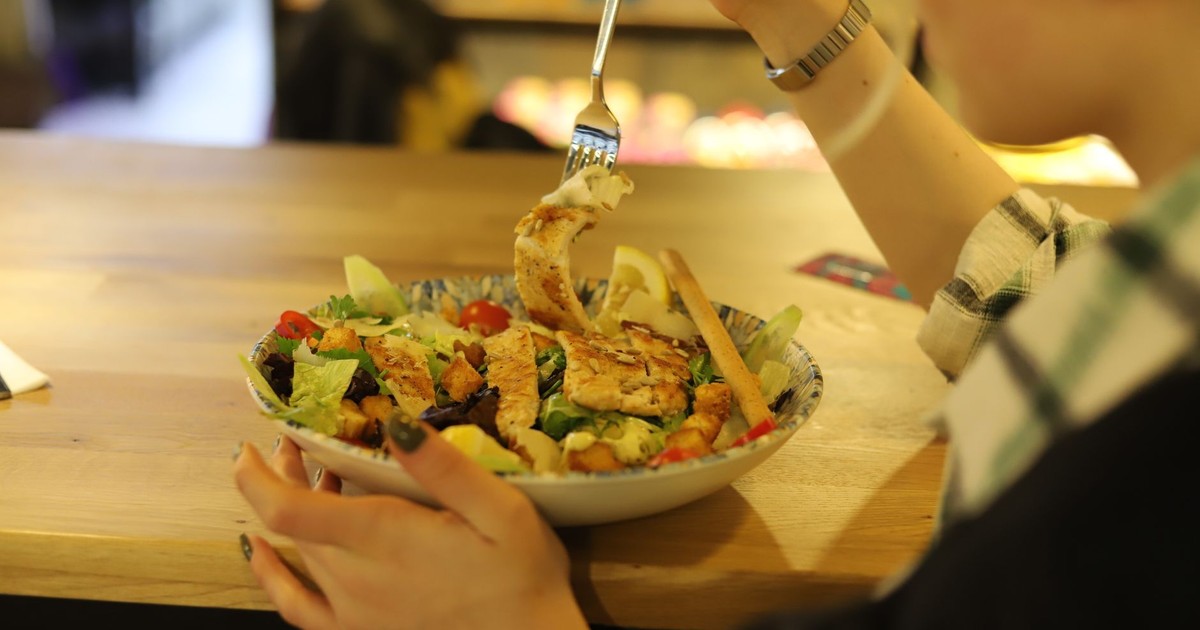
There is also the question of what people actually eat when they snack. A high-quality protein snack can stabilize postprandial glycemic response and reduce insulin resistance – the problem is not the act of eating between meals per se, but the composition of what gets eaten. A piece of grilled chicken between meals is a fundamentally different metabolic event than a bag of pretzels or a flavored yogurt with 28 grams of added sugar. The research on snacking damage tends to be built on the kind of snacking that actually happens in the real world, which skews heavily toward processed carbohydrates.
Acknowledging these exceptions is not the same as endorsing the default. The exceptions require active medical management. They are not a description of the average person eating crackers at their desk at 3 p.m. because they’re bored and the crackers are there. And for some people, particularly those with disordered eating histories, the idea of imposing strict eating windows can create its own harm – any honest conversation about eating frequency has to include that.
Night Grazing Is Its Own Category of Problem

Eating late at night combines two separate problems into one. The first is the metabolic issue already described: insulin and glucose spikes during hours when the body is preparing for rest rather than activity. The second is the nature of what gets eaten. Evening eating tends to be driven by stress, habit, boredom, or exhaustion rather than genuine hunger – and those drivers tend to select for high-sugar, high-fat, high-salt foods rather than balanced ones.
The NHANES-based inflammation research found that a longer nighttime fasting duration was associated with an 8 percent lower C-reactive protein, but only among women who ate less than 30 percent of their total daily calories in the evening. The nighttime fast is not a starvation exercise. It is simply the period between finishing dinner and eating breakfast, left intact, not interrupted by a trip to the pantry at 10:30 p.m. For many people, the evening eating window has expanded until it occupies most of the waking hours that remain after dinner, and then some.
What Dr. Eric Berg Actually Said, and What It’s Worth

Dr. Eric Berg, D.C., known as The Knowledge Doc, has argued on YouTube that constant snacking between meals and grazing at night represents a “most dangerous habit,” claiming it is a hidden root cause behind several serious diseases, from increased inflammation to insulin resistance. Berg has amassed over 18 million subscribers and is a prolific producer of nutrition content. He is also a chiropractor, not a physician or registered dietitian, and his content sits firmly in the territory of health commentary rather than peer-reviewed guidance. The distinction matters when weighing how firmly to hold any position he espouses – the underlying science he points toward can be real and still benefit from independent verification.
The argument stands on its own without needing Berg’s authority behind it. The insulin resistance data, the inflammation markers, the postprandial research – these exist independently of any YouTube channel. Berg’s framing reached more people than any journal article will, and for a claim that the peer-reviewed literature broadly supports, that probably did more good than harm.
What to Do With This Information

The most useful reframe is not “never snack” but “notice when you’re eating and why.” The person eating constantly through the day is often not hungry in any physiological sense. She is tired, or stressed, or understaffed by three people at work, or responding to the fact that she bought an enormous bag of something and it is sitting within arm’s reach. These are not hunger signals. They are coping patterns wearing the costume of hunger.
The research points toward defined eating windows and genuine pauses between meals. Not punishing gaps, not intermittent fasting as a performance sport, but the kind of natural rhythm that most human beings followed before the modern food environment made continuous eating structurally easy. Three meals. Actual breaks in between. Dinner finished at a reasonable hour. This is how most people ate a generation ago – not because they were particularly enlightened, but because the snack industry hadn’t yet arranged the world to make the alternative effortless.
Understanding why this matters changes the calculus, even when it doesn’t change the outcome. The handful of crackers while making dinner doesn’t feel like a health decision. Once you understand what it does to insulin levels for the next two hours, it starts to feel like one. That awareness doesn’t guarantee a different choice. But it turns a reflex into a decision, and those are two different things.
Disclaimer: This information is not intended to be a substitute for professional medical advice, diagnosis, or treatment and is for information only. Always seek the advice of your physician or another qualified health provider with any questions about your medical condition and/or current medication. Do not disregard professional medical advice or delay seeking advice or treatment because of something you have read here.
AI Disclaimer: This article was created with the assistance of AI tools and reviewed by a human editor.