
Driving past a gas station and doing a double-take at the price board is not an experience most Australians associate with relief. For Melbourne drivers who passed one particular station in April 2026, the numbers on the board looked like they belonged in a different decade – unleaded fuel at AUD $0.99 per liter, roughly half what everyone else nearby was charging. People pulled over. People took photos. A few probably wondered if someone had made a typo.
Nobody had made a typo. The station was real, the price was real, and the man behind it was Adrian Portelli – the 37-year-old Australian entrepreneur better known by his nickname, “the Lambo Guy.” Portelli is not a figure who does things quietly or incrementally. Born to Maltese immigrant parents in Melbourne’s working-class suburb of St Albans, he built a fortune through LMCT+, an online promotions platform that gives away high-end cars, homes, and experiences to its members. The discount gas station was, by his standards, a relatively modest move. But it landed like a thunderclap in a country where fuel prices have been squeezing family budgets for years.
The LMCT+ fuel station officially opened on April 23 and quickly drew long lines of drivers hoping to take advantage of the unusually low prices – with around 20 vehicles already waiting when the station opened, and police on site to help manage traffic. For a man who once craned a $3 million McLaren Senna GTR into his penthouse as a publicity stunt, this was practically understated.
The Man Behind the Pump
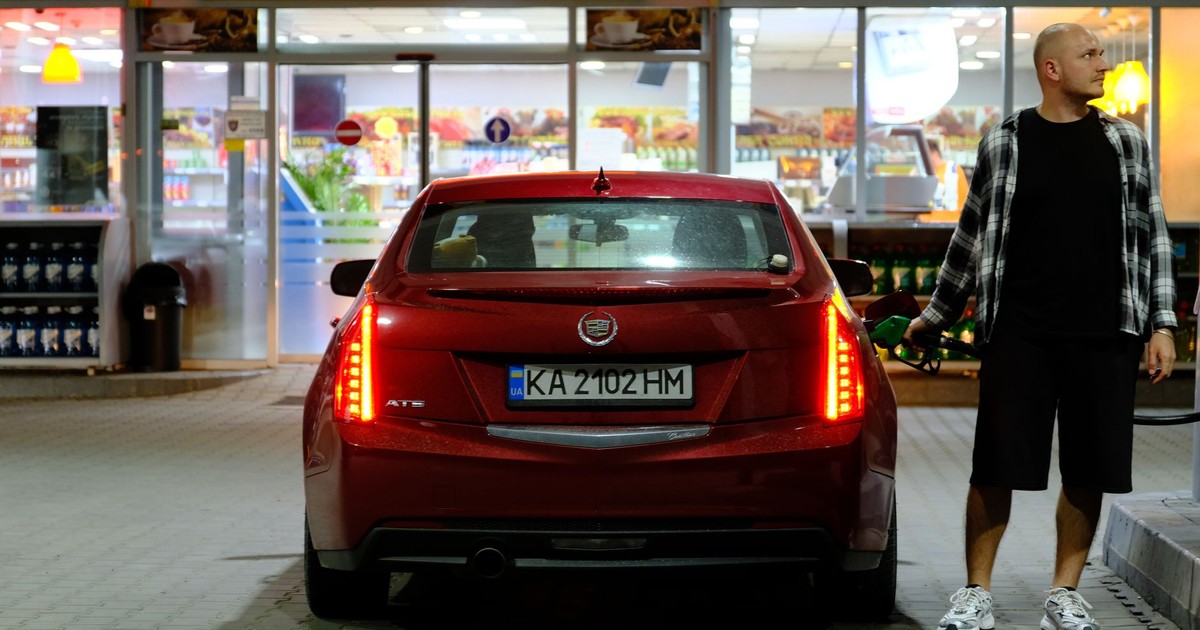
Portelli’s career began in his father’s truck repair business, where he gained hands-on experience with vehicles. After dropping out of Victoria University, where he studied Building and Design, he moved to Los Angeles to launch a celebrity limousine service, which struggled initially. A pivotal moment came when he partnered with a tech-savvy roommate to develop and sell mobile apps for significant profits. Returning to Australia, he founded LMCT+ in 2018, transforming it into Australia’s largest car community with over 300,000 members.
The billion-dollar empire that followed was built through LMCT+, an online rewards club that generates around $70 million in yearly revenue. The model is essentially a membership-based discount and prize-draw platform – LMCT+ originally built its business around discounts, giveaways, and prize promotions, with members receiving discounts at partner retailers while also gaining entries into major prize draws. Cars. Houses. Cash. The giveaway economy, weaponized and scaled.
In 2023, Portelli was officially recognized as a billionaire on the 2023 AFR Young Rich List with a reported fortune of AUD $1.03 billion, driven largely by his loyalty rewards business, LMCT+, and strategic investments. He has since used that profile to keep expanding the brand into new territory – and in 2026, that territory happened to be the gas pump.
How the Station Actually Works
The AUD $0.99 per liter headline figure is real, but there’s a structure behind it that explains both why it works and why it can’t last forever. LMCT+ fuel membership gives drivers access to wholesale-priced fuel for 12 months, and with nearby stations reportedly charging around $2 per liter, frequent drivers could save money fairly quickly. The membership model means this isn’t a charity project – it’s a customer acquisition play, dressed up as a discount.
At launch, Portelli’s LMCT+-branded gas station offered members Unleaded 91 at 99.9 cents per liter, against a market rate of $1.85 to $1.88 per liter for the same grade of fuel. During an interview with ABC Radio, Portelli admitted the business is currently operating at a loss, confirming that selling fuel at $0.99 per liter isn’t profitable. He was clear, however, that the pricing strategy won’t last forever, and that the long-term goal is still to build a profitable business.
Cheap gas prices are functioning as a subscriber magnet. A family that drives 15,000 kilometers a year and gets fuel at half the market rate will absorb the cost of an LMCT+ membership inside a few months and then bank every subsequent tank as pure savings. Portelli understands that once someone is inside the ecosystem, they stay. The gas station is, in that sense, a very expensive front door.
The Backlash, and What Portelli Said About It
Not everyone received a billionaire selling cut-price fuel as an uncomplicated good news story. Portelli arranged private traffic management for the opening, while police were also on hand to monitor the situation – though some media outlets questioned whether Portelli would foot the bill if police had been called out. It was the kind of coverage that follows a big personality doing a big thing in a country that has complicated feelings about both.
Portelli responded through an Instagram story: “I’ve paid over $100 million in taxes to this country, so why don’t you use my taxes for good work instead of wasting it on absolute rubbish.” Whether you find that response satisfying or slightly defensive probably depends on how you feel about billionaires in general, which is, admittedly, not a simple question. What’s harder to argue with is the math at the pump.
What He Plans to Do Next

Portelli has said fuel is just the beginning, hinting that grocery stores could be next. If that plays out, it would place LMCT+ in direct competition with the membership-based discount model that has made Costco a household name – and it would push the concept of wholesale-priced groceries into a genuinely new context. Australia’s cost-of-living crisis has made both fuel and food pressure points for ordinary families, and Portelli has clearly identified both as places where a discount brand can build loyalty fast.
The fuel station move positioned LMCT+ as not just a giveaway platform but as a direct consumer savings ecosystem – a shift that has shaped public perception of Portelli as someone who wants to change the system, not just profit from it. Whether that perception survives long-term price normalization is the more interesting question.
Where Fuel Prices Actually Stand Right Now
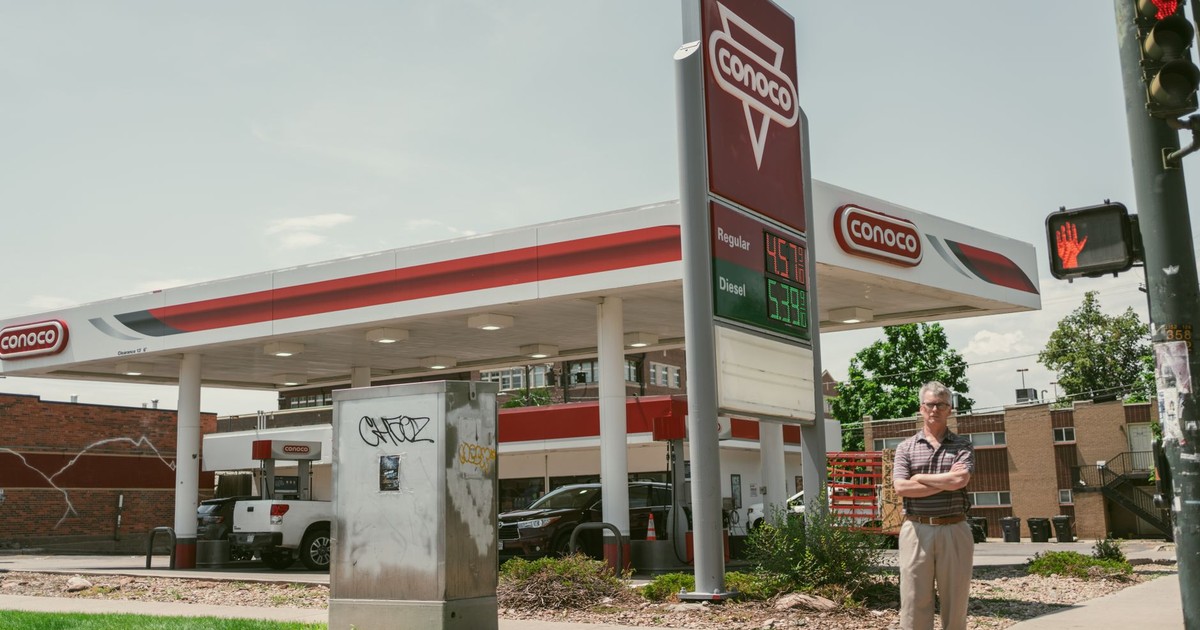
The excitement over Portelli’s station doesn’t exist in a vacuum. It arrived at a moment when fuel costs were already a raw subject across much of the developed world. In the United States, gas prices were projected to average just $2.97 a gallon nationally in 2026, according to forecasts from fuel savings platform GasBuddy – which would make 2026 the fourth straight year of falling prices and the first with the annual average below $3 per gallon since 2020. That was welcome relief after a brutal stretch following the 2022 spike. Americans were expected to spend $11 billion less at the gas pump in 2026 than they did in 2025, translating to average household spending of $2,083 on gas for the year, down from $2,716 in 2022.
Those projections, made at the start of 2026, have since been complicated by events. Since a conflict broke out on February 28, 2026, and the subsequent closure of the Strait of Hormuz, gas prices peaked at $4.55 on May 21, 2026 – roughly 54 percent higher than they were on February 26 of the same year. The very thing that made cheap gas prices a reasonable expectation at the start of the year – global oversupply and falling crude costs – got reshuffled overnight by a geopolitical crisis that had nothing to do with supply fundamentals.
Australia is not immune to those same global forces. The country imports much of its crude and refines it domestically, which means international oil price movements pass through to pump prices with painful regularity. That’s what makes the LMCT+ station in Preston, Melbourne, so striking – it’s a pocket of artificially cheap fuel prices in a market where even the most favorable conditions still leave ordinary families spending a significant share of their weekly budget at the pump.
Read More: 10 Gas Brands To Completely Avoid At All Cost
What This Is Really About

A cynical read of this story is just about a rich man doing a splashy thing to grow his subscriber base, and that read isn’t wrong. Portelli is a smart operator who understands attention better than most, and nothing generates attention in Australia right now like a gas price that belongs on a sign from 2005. But the response – the queues before the ribbon was even cut, the social media footage, the disbelief on drivers’ faces – speaks to something real underneath the spectacle.
When people line up at dawn for cheap gas prices, they’re not just after a discount. They’re expressing something about how tight things have gotten, and how little relief they’ve found from the systems that were supposed to provide it. A billionaire who built his fortune selling luxury car giveaways to aspirational subscribers and then pivoted to selling cut-price fuel to the same people is not exactly a structural solution to the cost-of-living crisis. He’d probably be the first to tell you that. But for a driver who filled up a 60-liter tank for under $60 on an April morning in Melbourne, the question of whether the gesture was self-serving probably didn’t feel like the most urgent thing in the world.
Portelli understands one thing above all else: people remember who gave them a break. Whether LMCT+ sustains cheap prices once the subscriber count is where it needs to be is a question only time will answer. The queue was real, the savings were real, and the disbelief on those drivers’ faces was the most honest thing in the story.
AI Disclaimer: This article was created with the assistance of AI tools and reviewed by a human editor.