

A letter slipped under a cabin door the night before arrival is not the ideal way to find out that your bikini will get you escorted back to the ship. But that is exactly what happened to all 3,012 passengers aboard Carnival Splendor ahead of the cruise line’s June 2026 port call at Lifou, New Caledonia, a coral island in the South Pacific. The letter was formal, signed by the ship’s captain, and very specific about what was and was not acceptable to wear ashore. And when the story broke online, it spread fast – because the Carnival Cruise swimwear rule for Lifou cuts against almost every expectation a beach vacation is built on.
The push-back online was immediate and split down familiar lines. One camp saw it as an overreach. Another saw it as basic respect that should have been obvious. Both camps were arguing about something they didn’t fully understand yet – which is where the actual story starts.
Once you understand where Lifou is, who lives there, and what is at stake if cruise passengers keep ignoring its community’s requests, the letter starts to look less like corporate prudishness and more like something that should have been in the booking confirmation months earlier.
The Island at the Center of It All

According to The Nightly, the day before arriving at the first port destination on their eight-day South Pacific sailing, all 3,012 passengers aboard received a letter from the ship’s master, Eduardo Ferrone, warning them to wear “very modest” swimwear in Lifou, New Caledonia, or future visits could be jeopardized.
Lifou is the largest of the Loyalty Islands, part of New Caledonia, an overseas territory of France in the Pacific Ocean. It sits east of Australia and is one of the most visually striking stops on any South Pacific itinerary. It is also a place with a living indigenous culture that has not surrendered its values to the convenience of mass tourism.
Carnival’s own website states that Lifou is a “tribal island” that is “populated by proud indigenous people whose culture is based on respect” and is “highly religious.” That language has been sitting on Carnival’s dress code page for some time. The problem, based on what passengers reported after the June sailing, is that a lot of people board a cruise ship without reading the dress code page.
Lifou is home to indigenous Kanak communities that observe conservative customs and religious practices. Local leaders in many small tourism destinations ask visitors to cover up at beaches and in villages out of respect for traditions and religion. This is not an abstract policy generated in a corporate office. It is a request from the people who actually live on the island, extended to the thousands of tourists who arrive by ship and leave a few hours later.
What the Letter Actually Said

Captain Ferrone’s letter was precise. According to Fox News, passengers were advised to avoid wearing G-strings, thongs, monokinis, and mankinis while visiting the island. Topless sunbathing is also prohibited. The dress code applies not only to beaches but also to public areas such as markets, churches, and community gathering spaces. So this is not a “cover up when you leave the beach” rule. It applies to the entire shoreside experience, which matters considerably if you planned to wander through the village, visit a local market, or step inside any community building.
The letter also went further than just a list of banned items. It warned that failure to comply with the rules could lead to stops on the island of Lifou being canceled completely. Not “you might be asked to leave.” Not “local authorities might have a word with you.” The entire port call, for all 3,000-plus passengers, could be pulled from future itineraries if visitors keep disregarding the community’s requests. One person’s insistence on wearing a g-string to a tribal island beach could cost every future passenger their chance to see one of the most beautiful places in the South Pacific.
What Happens If You Don’t Comply
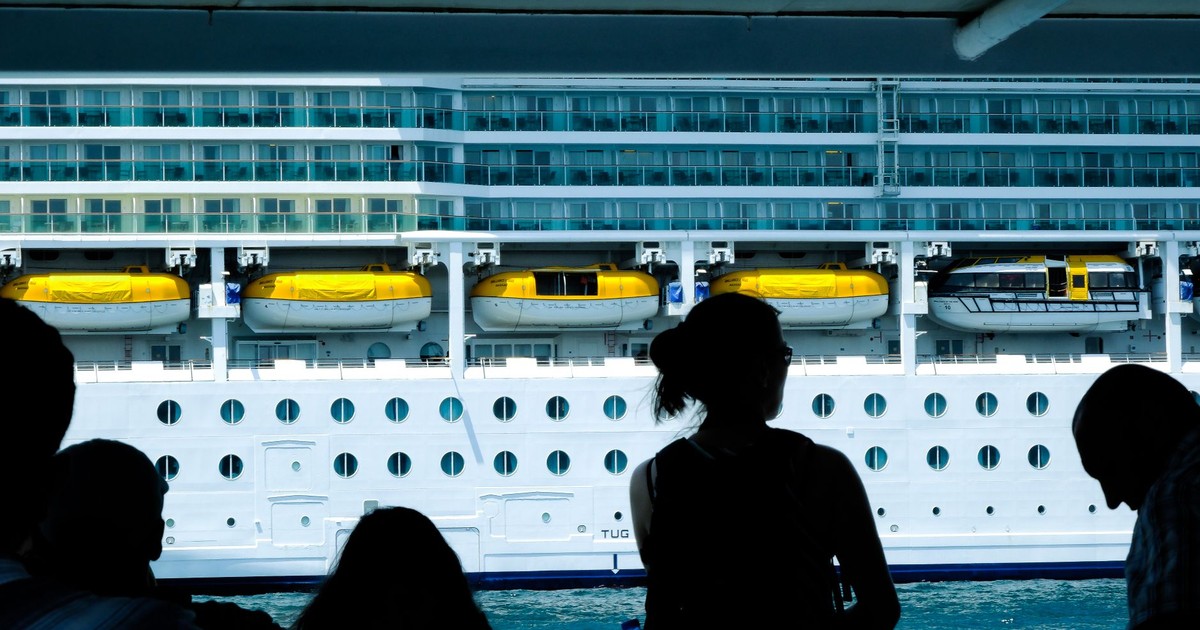
Violating the standards could result in being asked to leave beaches, denied entry to certain areas, or required to return to the ship to change before continuing shore exploration. The enforcement comes from the local community and authorities, not from Carnival’s onboard crew.
This is where The Street / TravelHost reporting on Carnival’s dress code limits becomes relevant: the reality is that it’s difficult for Carnival’s crew to deny people entry to areas ashore, because those areas are not under Carnival’s control at all. The cruise line can inform passengers of the rules. What it cannot do is guarantee their safety or freedom of movement if those rules are ignored.
When it comes to what people wear off the ship, Carnival can only tell its passengers what the local rules are. It cannot make them obey, and it has no power to help them if they encounter trouble with local authorities. This is a fairly important distinction when you are standing on a tribal island 1,200 miles east of Australia and the nearest embassy is considerably further than that.
The passenger reaction online was divided, though perhaps not in the way you’d expect. While the no-bikini warning is not new, some passengers are still not adhering to the dress code. One person who spoke to Cruise Passenger described seeing guests who “did not cover up,” adding, “It was rude and disrespectful and Carnival should not have allowed them off the ship dressed like that. It will ruin it for everyone if people don’t respect the culture.”
Another cruiser argued that Carnival should notify guests before boarding to make sure they have the right swimwear packed. “We were given a letter with the rules but I would bet that the young woman wearing the g-strings wouldn’t have bought any other swimmers. They need to tell people prior to sailing. I know my daughter only owns g-strings and would have needed to buy a pair of swimmers just for the trip.” That is a fair point. A letter slipped under your cabin door the night before arrival is rather late in the planning process.
This Isn’t the Only Port With Strict Clothing Rules

Lifou is simply the stop currently making headlines, but it is far from the only place where getting off a Carnival ship in the wrong outfit can create a real problem. The cruise ship vacation experience routinely collides with local realities that passengers have not anticipated, and clothing is consistently where those collisions happen most visibly.
Jamaica is another case in point. As The Travel reports, a 12-year-old Carnival Cruise Line guest was sent back to the ship by Jamaican police during a stop at Montego Bay because civilians, including tourists, are prohibited from wearing camouflage clothing – a restriction that exists because camouflage is reserved for military personnel. The ban includes shirts, pants, shorts, hats, and jackets, as well as accessories such as bags and backpacks.
Other countries that do not permit camouflage clothing include Trinidad and Tobago, St. Lucia, Grenada, Antigua, and Saint Kitts, among others. Before stopping at any port, the captain will make announcements about local rules. Before a stop in Mexico, for example, the captain will repeatedly warn passengers that vaping in public places is illegal there. The announcements cover the rules. What they cannot cover is the gap between hearing a rule and believing it actually applies to you.
The Larger Pattern Here
There is a version of this story that is easy to frame as a culture clash or corporate overreach, but neither reading holds up very well. Carnival is not inventing these rules; it is relaying requests from the communities its ships visit. Carnival states in its dress code guidelines, “We kindly ask guests to respect the local culture and rules in the ports we visit.” The language of request, rather than mandate, reflects where the actual authority sits: with the local community.
Local communities that once welcomed novelty now seek to protect cultural norms, and authorities elsewhere have adopted fines or signage to deter behavior in town centers. Cruise lines are increasingly partnering with those communities to manage visitor conduct and preserve future access. The dynamic is fairly new in its current scale, and Lifou is a useful example of where it is heading. Access to remote, traditionally governed communities is not guaranteed. It is extended on terms set by the people who live there, and it can be withdrawn.
The stakes are not theoretical. Captain Ferrone warned that wearing non-modest swimwear in Lifou could jeopardize future visits. That is not legal language designed to avoid liability. It is a statement of how community-based access actually works. Enough passengers disrespecting local customs often enough, and the community simply stops allowing ships to dock.
What to Pack If Your Itinerary Includes Lifou or Similar Stops

The practical answer here is straightforward, even if the optics around it feel charged. If your itinerary includes Lifou, or any South Pacific, Caribbean, or Pacific island stop that involves indigenous or deeply traditional communities, pack at least one modest one-piece swimsuit. Not because the fashion police will come for you, but because the alternative is either missing the stop entirely or being the person whose wardrobe choice becomes a cautionary tale in the cruise forums.
The dress code applies not only to beaches but also to public areas such as markets, churches, and community gathering spaces. A cover-up that works at the beach will not necessarily cover what needs covering in a village square. A light dress or loose linen pants is worth the suitcase space for the same reason you would not wear a bikini to a cathedral in Rome. The context has shifted; the clothing should shift with it.
One experienced cruiser suggested Carnival notify guests before boarding, to make sure they have alternative swimwear packed in advance. That is the common-sense move: check the port-by-port dress guidelines when you book, not when the letter arrives under your cabin door at eleven o’clock at night.
What the Letter Was Really Asking

There is always a reflex, when a dress code story goes viral, to make it about freedom of expression or corporate prudishness. This one resists that framing. The people asking Carnival passengers to cover up at Lifou are not cruise executives worried about brand image. They are Kanak communities with deep religious traditions and a long enough memory of having their culture treated as scenery to know the difference between a tourist who wants to experience their home and one who has simply failed to consider that other people’s homes exist.
The Carnival Cruise swimwear rule for Lifou is, at its core, the same rule that applies when you visit any sacred or community-governed space anywhere in the world: dress in a way that signals you know where you are. That is not an unreasonable ask from people who have been extending access to their island, one cruise ship at a time, for years.
Some of the passengers who received the letter packed a different swimsuit. Some of them didn’t. And somewhere on Lifou, the people who actually live there are watching to see how many ships arrive full of passengers who got the message – and deciding whether the whole arrangement is still worth it.
Read More: 17 Common Mistakes Passengers Make On Cruise Ships Revealed
AI Disclaimer: This article was created with the assistance of AI tools and reviewed by a human editor.