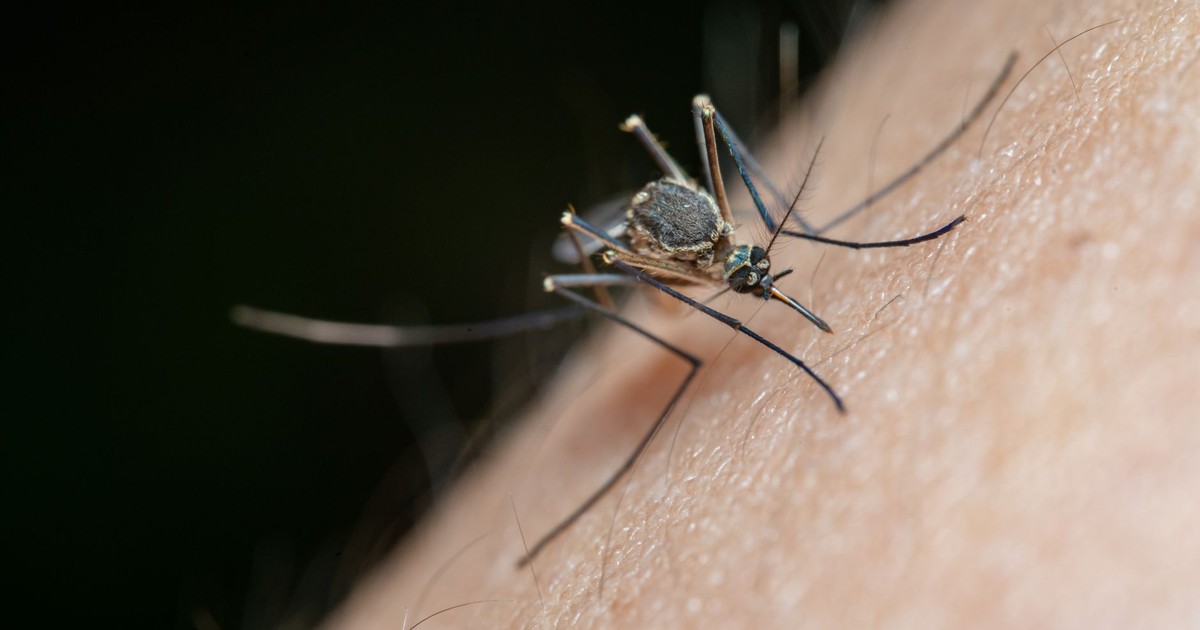

Every summer ends the same way for a certain type of person. Not with a tan or a jar of sand from the beach, but with a constellation of angry red bumps across their ankles, a fingernail groove worn into one particularly stubborn welt on their forearm, and the distant memory of someone saying “don’t scratch that.” The scratching, of course, has already happened. Multiple times. With real commitment.
The scratching genuinely feels like relief. For a few seconds, it absolutely is relief. The itch comes back stronger, the bump gets bigger, and now you’re in a loop that can turn a minor mosquito bite into something that takes two weeks to fade and leaves a little dark spot behind as a souvenir. There is actual biology behind all of this, and it changes how you think about what to reach for the moment something bites you.
Bug bite itch relief is not complicated, but it does require understanding what you’re actually fighting. The itch is your immune system overreacting to bug saliva in a very specific and stoppable way, and once you know how to interrupt it, you don’t have to white-knuckle your way through bug season anymore.
What’s Actually Happening Under Your Skin
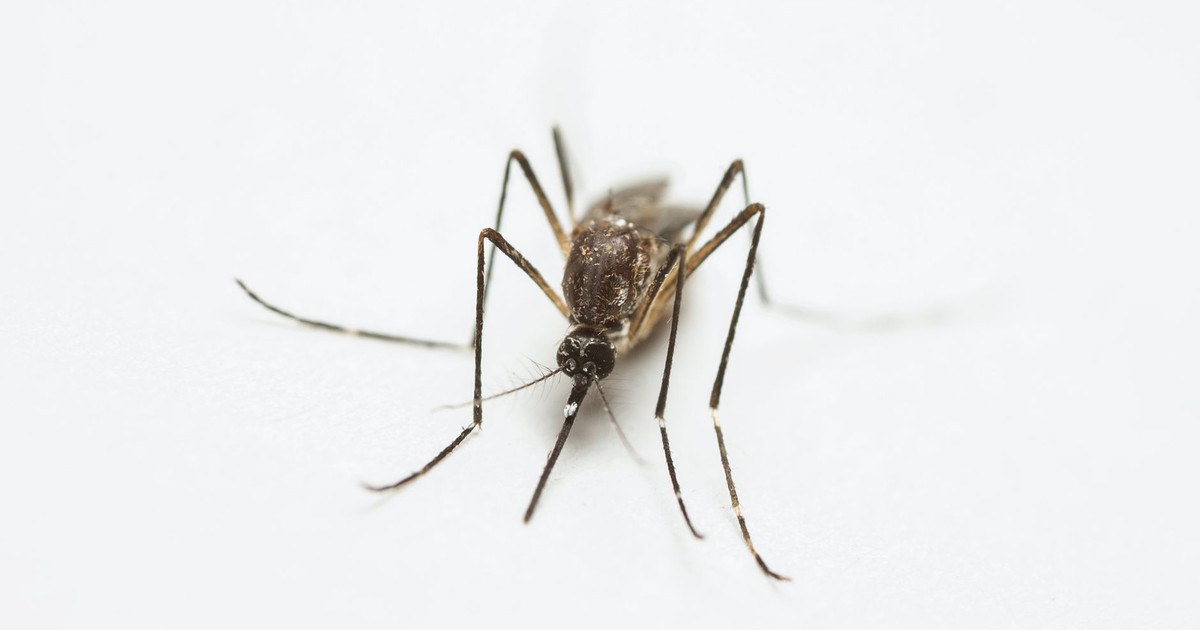
When a bug bites you, its saliva enters your skin, and your immune system recognizes that saliva as a substance that doesn’t belong in your body. This triggers an alarm response that has nothing to do with logic and everything to do with your body’s tendency to treat everything unfamiliar as a potential threat. Your immune system sends histamine to the site to get rid of this invader.
Histamine is the same chemical behind hay fever, hives, and the reason people take Benadryl during allergy season. When histamine binds to H1 receptors on sensory nerve endings in the skin, it excites those nerves, generating an electrical signal that travels to the brain, where it is interpreted as pruritus, itching. At the same time, histamine affects local blood vessels by causing vasodilation, widening the small blood vessels near the bite site and increasing blood flow, while also increasing the permeability of capillaries so fluid leaks into the surrounding tissue, which is what causes the localized swelling.
That red, raised, hot bump is not the bite itself. According to the Cleveland Clinic, it’s your body mounting a defense response against saliva, which means the discomfort you’re feeling is largely self-inflicted. Knowing that is useful when you’re trying to stop it.
Why Scratching Makes Everything Worse

Scratching feels like relief because, briefly, it is. Scratching works for a few seconds because it activates pain-sensing nerve fibers that temporarily suppress the itch signal at the spinal cord level, where inhibitory interneurons release GABA and glycine to dampen itch-signaling neuron activity. The itching stops briefly, and mild pain wins, which feels like progress.
Your body interprets the scratching as more skin damage, which sends even more immune cells to the area. Those cells release another round of histamine, and the itch comes back stronger than before. This is the itch-scratch cycle, and once it starts, it escalates quickly. Each round of scratching prolongs the inflammatory response, producing more swelling and more intense itching.
Research published by the NIH in February 2025 explains the cellular dynamics at work. Researchers found that mice that scratched freely released more substance P, a signaling molecule that activated more mast cells, causing increased inflammation and a prolonged itch-scratch cycle. The mice that were prevented from scratching experienced less inflammation. The instinct to scratch, it turns out, evolved for reasons that have more to do with pathogen defense than with comfort, which is cold comfort when you’re lying awake at 2 a.m. trying not to touch your ankle.
Your fingernails create microscopic tears in the outer layer of skin, even if you don’t draw blood, disrupting the skin barrier, your body’s primary defense against bacteria and other pathogens. The combination of broken skin and a warm, inflamed bite creates ideal conditions for bacteria to move in. A bug bite that becomes infected is a completely different and more serious problem than a bug bite that just itches, and it’s almost always the result of scratching.
The Cold Compress: Doing More Than You Think

Applying a cold compress to a bite for 10 to 20 minutes reliably reduces both itching and swelling. Cold works through a completely different pathway than antihistamines. It activates cold-sensing receptors in the skin that compete with and temporarily suppress the itch signal being sent to your brain, which is why the relief lasts longer than simply numbing the area.
This is also the scientific basis for why menthol-based creams work well as an itch-stopgap. Research by Dr. Daniel Kaplan, a University of Pittsburgh dermatologist and immunologist, found that menthol-containing creams can temporarily fool the skin into sensing cold instead of itch, just long enough to break the itch-scratch cycle. Products like Gold Bond or any cream containing menthol exploit this same cold-receptor pathway to give you a window of relief wide enough to stop the scratching spiral before it restarts.
Wrap ice or a cold pack in a thin cloth before applying it directly to skin. Bare ice on an already inflamed bite can cause more irritation. Ten minutes on, ten off, as many times as needed in the first hour.
Over-the-Counter Treatments That Actually Work

Once you’ve calmed the initial reaction, the goal is to interrupt the histamine process before it compounds. The American Academy of Dermatology recommends applying an ice pack or an over-the-counter anti-itch cream such as hydrocortisone, or taking an over-the-counter oral antihistamine. Those are not just placeholders. They target two different phases of the same reaction, which is why combining them often works better than either alone.
Hydrocortisone cream (1%) is a mild corticosteroid, a type of anti-inflammatory medicine, that reduces the local inflammatory response driving the itch. It won’t stop histamine from being produced, but it dials down the inflammation that makes the bite feel so urgent. Apply a thin layer to the bite two or three times a day. It works best when applied early, before the inflammation peaks.
Oral antihistamines block the H1 receptors that histamine binds to, which interrupts the itch signal at its source. In head-to-head studies, cetirizine has significantly reduced both immediate wheal size and accompanying pruritus from mosquito bites. Non-drowsy options like cetirizine or fexofenadine are practical for daytime use, while diphenhydramine’s sedating effect can actually be helpful at night when itching disrupts sleep.
Antihistamines are best at controlling the early, immediate reaction. The delayed reaction that arrives a day or two later involves additional inflammatory pathways beyond histamine, so pills alone may not eliminate that later flare. Combining an oral antihistamine with a topical treatment like hydrocortisone covers both phases more effectively than either one alone.
Calamine lotion is the pink bottle that has been sitting in medicine cabinets since roughly forever, and it earns its place. It creates a cooling, drying layer on the bite that soothes the itch and reduces the urge to scratch, a kind of physical barrier against your own fingers. If you use it, know that regular use over several days can be drying to the skin, so pair it with a fragrance-free moisturizer applied to surrounding skin.
Home Remedies With Actual Science Behind Them
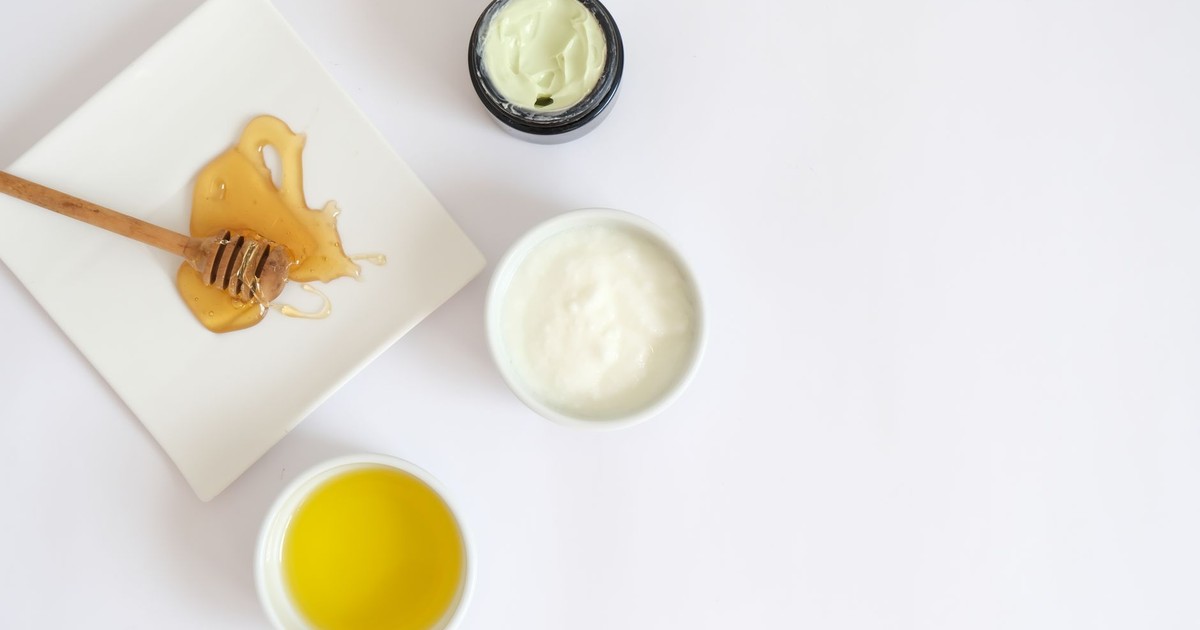
If you’d rather not reach for a pharmacy product first, or you’re dealing with a child and want to start gentle, there are a few kitchen-cabinet options that have evidence behind them, not just tradition.
Baking soda paste is one of the more reliable ones. Mix one tablespoon of baking soda with just enough water to form a paste, apply it to the bite for about 10 minutes, then rinse off. The mild alkalinity helps neutralize some of the itch-triggering compounds in the skin. It won’t replicate what hydrocortisone does, but for a mild bite, it’s a reasonable starting point.
Colloidal oatmeal is another option with genuine dermatological backing. This is the finely ground oat powder found in products like Aveeno, not the instant oats in your pantry. Colloidal oatmeal has genuine anti-itch science behind it. Oats contain compounds called avenanthramides that reduce inflammation by blocking key signaling molecules in your skin cells. Dissolving it in a lukewarm bath and soaking for 15 to 20 minutes is particularly useful when bites are in multiple places, or when a child has gotten into a patch of grass and come out looking like a connect-the-dots page.
Aloe vera gel, directly from the plant or from a pure gel without added fragrance, is a useful soothing agent. It’s anti-inflammatory, cools on contact, and creates a light barrier over the bite. It won’t stop the histamine process, but it reduces the discomfort enough to interrupt the scratching urge, which is often all the break you need.
If you’ve ever wondered why mosquitoes target certain people more than others, that’s also real, and it explains why one person at the same backyard party ends up with a dozen bites while their partner barely notices one. The remedies above work regardless of bite volume, but knowing your personal risk level helps you prioritize the quick-response kit.
When Bug Bite Patches Are Worth It
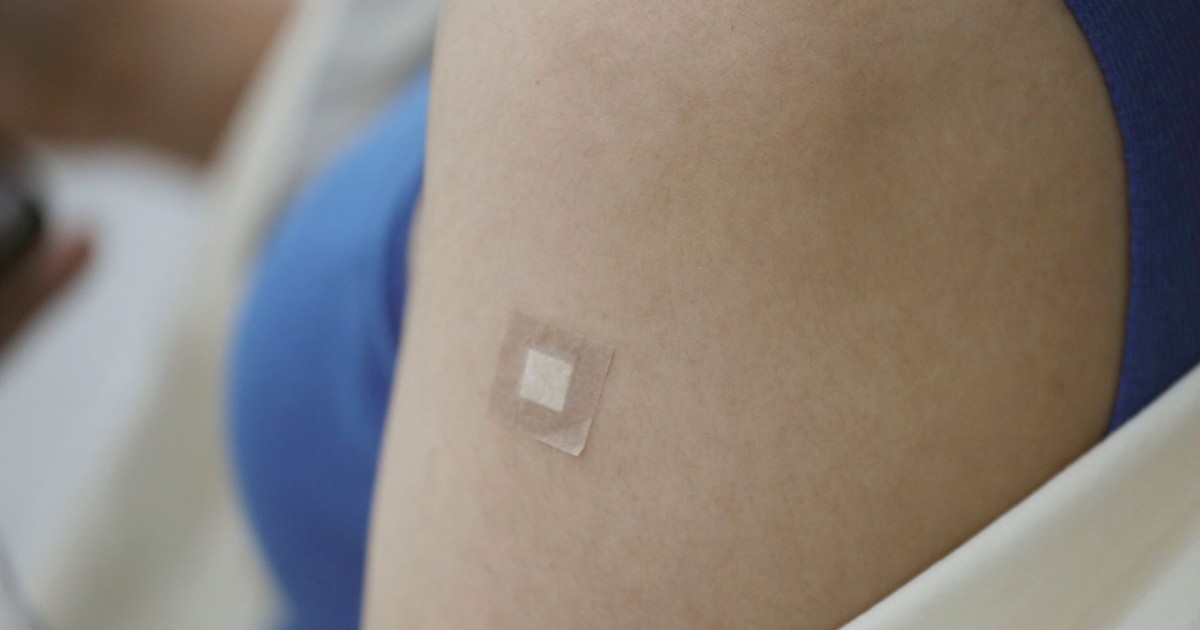
Bug bite patches are relatively new to the market and genuinely useful in specific situations. Most bug bite patches work by absorbing fluid in the area, which helps with itching and protects you from scratching and irritating the bite further. Some patches include ingredients like tea tree oil, menthol, or hydrocortisone to calm the itch and reduce inflammation. The hydrocolloid ones, the clear, dome-shaped variety, create a physical shield over the bite that does double duty: it keeps your fingers off and draws out some of the fluid causing the swelling.
They’re particularly useful at night, when most people do their unconscious scratching. Put one on a bad bite before bed and you’ll wake up to a bite that’s measurably smaller and less angry. For kids, they serve an additional function: a small colorful patch is far more compelling than “don’t scratch that,” and the novelty buys at least a few hours of compliance.
Signs You Need More Than a Home Remedy
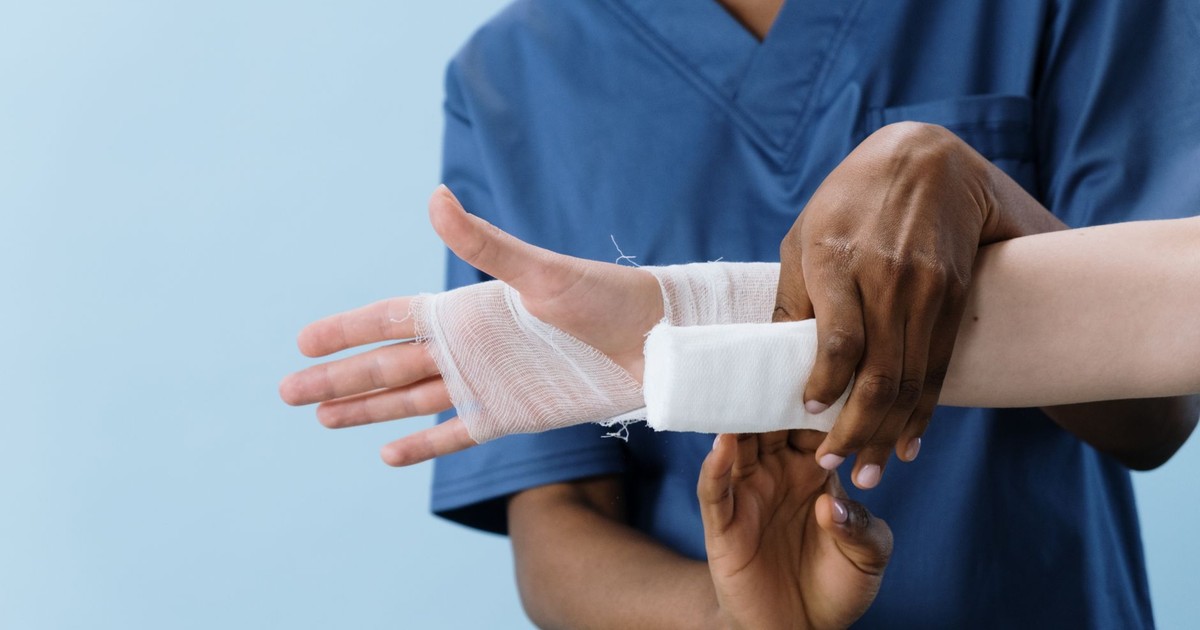
Most bug bites resolve on their own within a few days with basic care. Bug bites and stings can range from mild annoyances to medical emergencies. Seek care right away if you experience dizziness, nausea, muscle pain, or trouble breathing. Severe allergic reactions can develop quickly, and the window to respond matters.
Beyond anaphylaxis, watch for signs that a bite has become infected: increasing redness that spreads outward from the bite (rather than fading), warmth, pus, or a fever developing more than a day after the bite. A circular or bulls-eye shaped rash around a bite is a reason to see a doctor the same day, as it can signal Lyme disease from a tick bite. If you experience any serious symptoms after a bug bite, such as a rash, fever, or body aches, see your doctor or a board-certified dermatologist immediately.
What to Actually Keep in the House
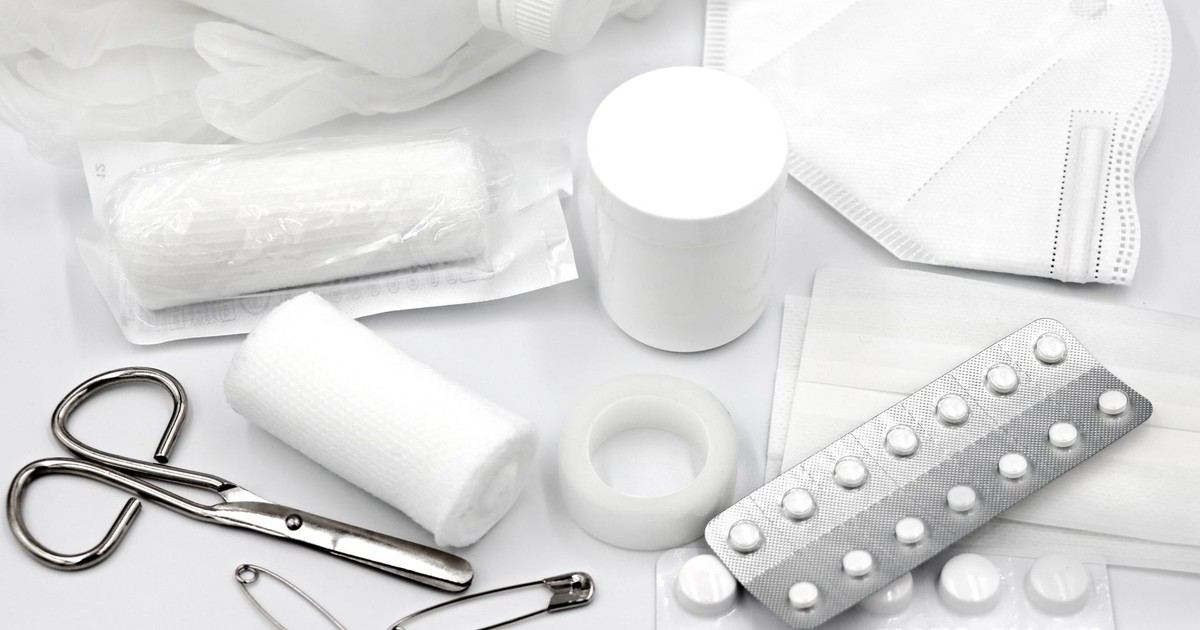
The honest move is to build a small kit before you need it, not at 10 p.m. with a welt on your ankle. A tube of 1% hydrocortisone cream, a box of non-drowsy cetirizine tablets (generic is identical to name-brand and a fraction of the cost), a bottle of calamine lotion if you have kids, and a bag of frozen peas or a proper cold pack. The frozen peas are load-bearing in this list. They conform to limbs in a way ice cubes in a plastic bag do not, and they can go back in the freezer.
The baking soda and colloidal oatmeal are already in most homes or easily added to a grocery run. The menthol cream lives by the bed for the 2 a.m. moments. None of this is elaborate, but having it on hand means you respond in the first ten minutes rather than the first two hours, and that timing difference is the whole game. Bug bite itch relief works best when you start before the inflammation has compounded itself into something that’s going to ruin your next three days. Your future ankle will thank you.
Disclaimer: This information is not intended to be a substitute for professional medical advice, diagnosis, or treatment and is for information only. Always seek the advice of your physician or another qualified health provider with any questions about your medical condition and/or current medication. Do not disregard professional medical advice or delay seeking advice or treatment because of something you have read here.
AI Disclaimer: This article was created with the assistance of AI tools and reviewed by a human editor.