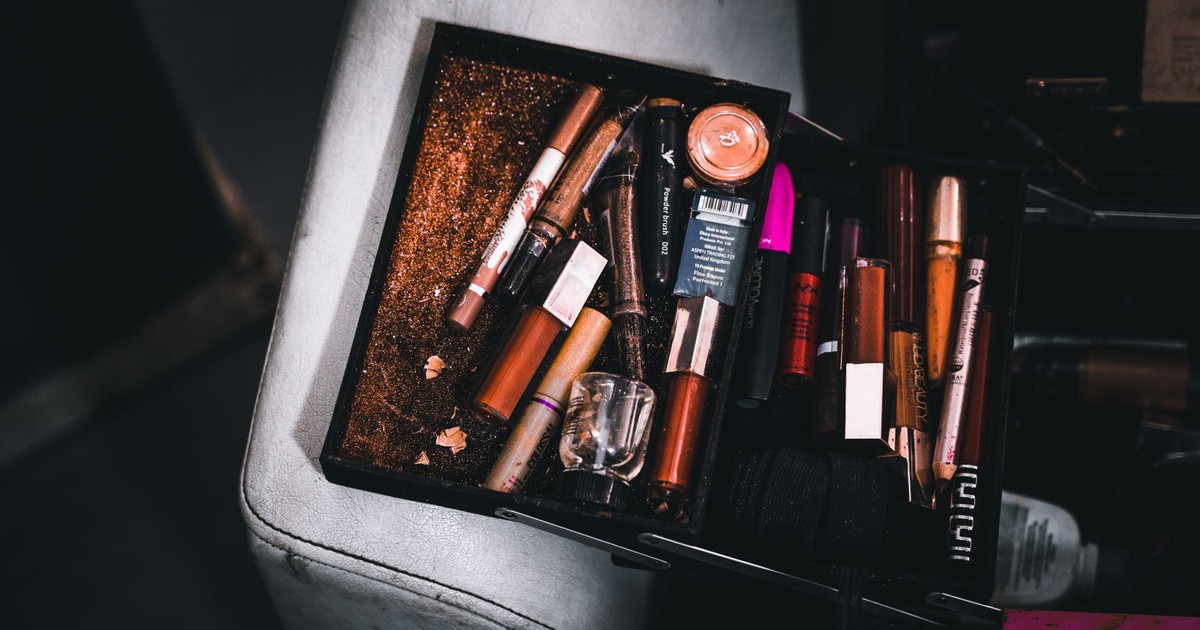

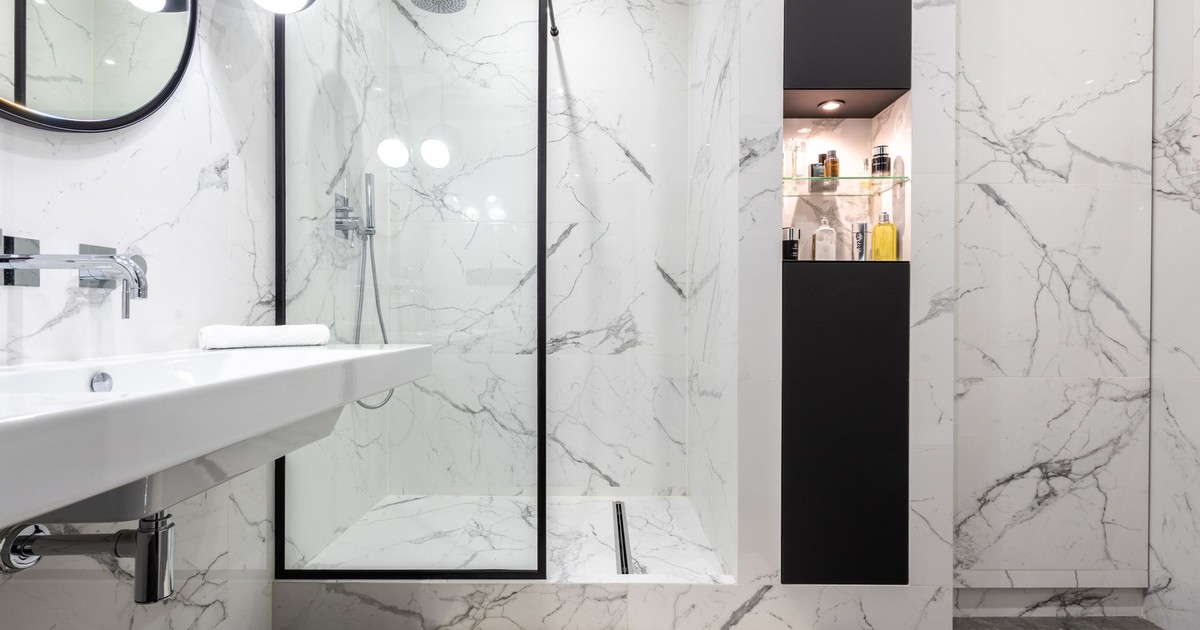
The bathroom is the room in your house with the least favorable storage conditions, and it is also, somehow, the room where most people store the most things. The cabinet above the sink holds medications. The shelf near the tub holds perfume. The counter holds makeup, jewelry, and the nail polishes that roll behind the tap every six weeks. It feels logical. Everything is right there where you use it. The problem is that the bathroom is one of the most hostile environments in your home for almost all of those things, and the damage it does is invisible until it isn’t.
Every shower you take turns your bathroom into something close to a sauna, briefly. Humidity spikes, temperature climbs, and then both cycle back down again. This happens once or twice a day, every day, and most of what you’re storing on those shelves was not designed to survive it. The degradation is slow, so you don’t notice until your medication seems like it’s not working, your razor is cutting you when it used to glide, or your perfume smells faintly wrong. By then, the bathroom storage mistakes have already cost you.
None of what follows requires a renovation. A bedroom drawer, a linen closet shelf, a cool corner of a hallway cabinet – these are all the alternatives you need.
1. Medications

Bathrooms have something called a medicine cabinet, yet MedlinePlus states that “the heat and moisture from your shower, bath, and sink may damage your medicines.”
Your medicines can become less potent, or they may go bad before the expiration date. That expiration date printed on the bottle assumes the medication has been kept under stable conditions, not cycled through daily temperature and humidity swings. Aspirin, for example, breaks down into vinegar and salicylic acid in the presence of moisture, which irritates the stomach.
A cool, dark, dry area of the home, like the drawer of a nightstand, is a far better home for your medications than any bathroom cabinet. A bedroom dresser drawer, a closet shelf, or a lockable cabinet in a hallway all work. The one thing they have in common is that nobody showers in them.
2. Spare Toothbrushes
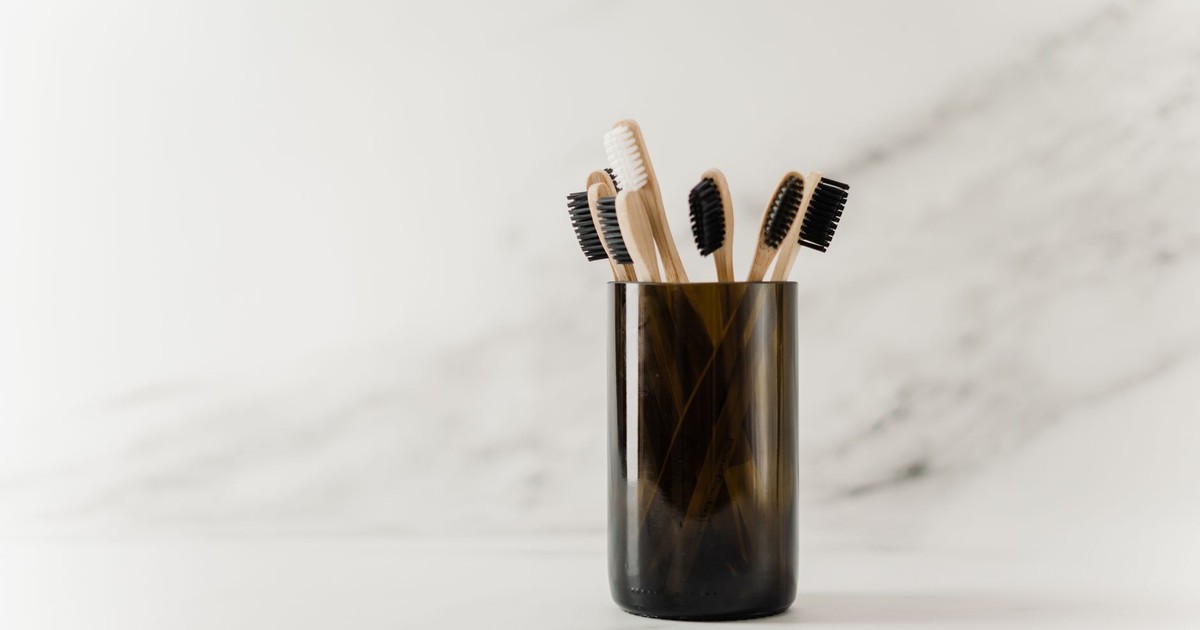
Your toothbrush is already in the bathroom, yes. But the backup ones you’re storing in the cabinet or on the counter are accumulating contamination risks from the bathroom environment.
Research published in Infection Control Today confirmed that fecal coliforms appear on at least 60 percent of toothbrushes stored in communal bathrooms. Toilet plume, the microscopic spray released into the air every time you flush, can travel several feet and land on anything nearby, including your toothbrush, especially if it’s stored on the countertop or near the toilet.
For spare toothbrushes still in packaging, keep them in a bedroom cabinet or linen closet. For the one you’re actively using, store it upright in a holder or cup, away from other toothbrushes to prevent cross-contamination, and close the toilet lid before flushing.
3. Jewelry
Taking your rings off before you wash your hands in the bathroom is reasonable. Leaving them there is the problem.
According to Reader’s Digest, “the humidity from your bathroom can make jewelry tarnish more quickly than normal, especially when it comes to sterling silver.” The issue is not only humidity from the air but also the chlorine present in tap water and the splash and mist from the sink, all accelerating corrosion on metals and potentially damaging precious stones.
A wooden or fabric jewelry box left in the bathroom brings its own secondary problem: those materials absorb moisture, leading to warping and mold growth, which can damage both the container and its contents. Move the box to the bedroom.
4. Perfume and Cologne
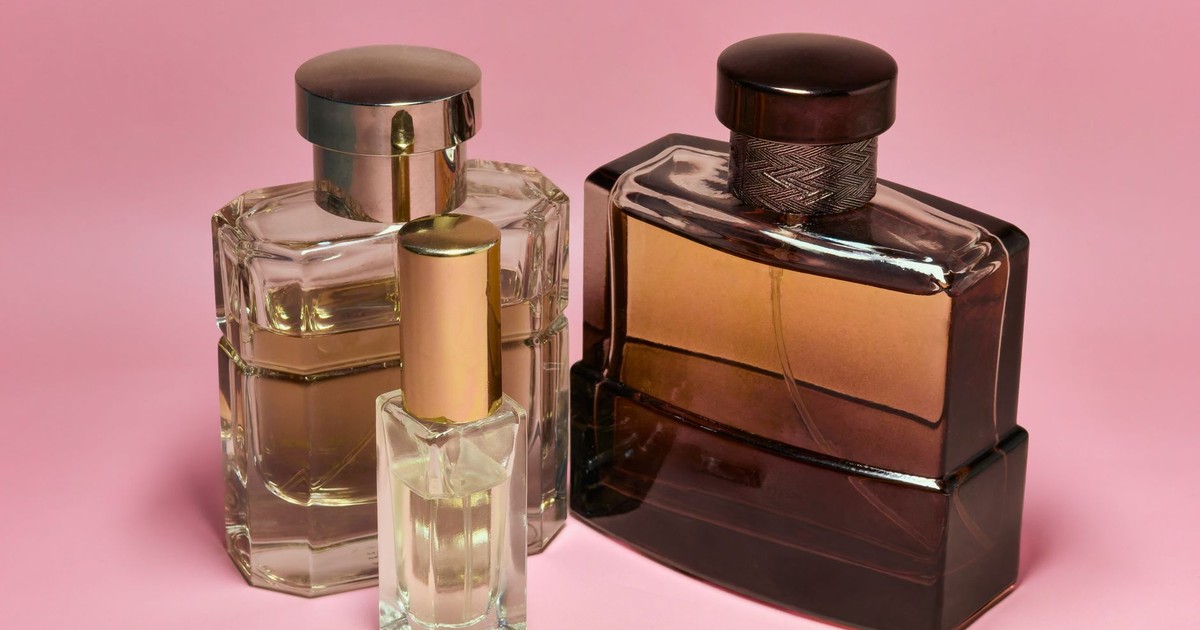
Perfume looks beautiful on a bathroom shelf. A row of bottles catching the light near the mirror is genuinely good home decor. Home decor gets away with a lot, though, and in this case it is getting away with ruining your fragrance.
Fluctuating temperatures and humidity can alter the chemical composition of fragrances, causing expensive perfumes to lose their scent or change their character entirely. Fragrance molecules are delicate compounds, and heat and steam push the oxidation process faster than normal. High humidity and temperatures cause fragrances to change and degrade by breaking down or oxidizing their ingredients, and sunlight in the bathroom can also alter a perfume’s scent.
The best place for fragrance is somewhere cool, dark, and stable: a dresser drawer, a closet shelf, or even inside the box the bottle came in. The bathroom counter is practically the worst option available, which is unfortunate given how good everything looks there.
5. Nail Polish
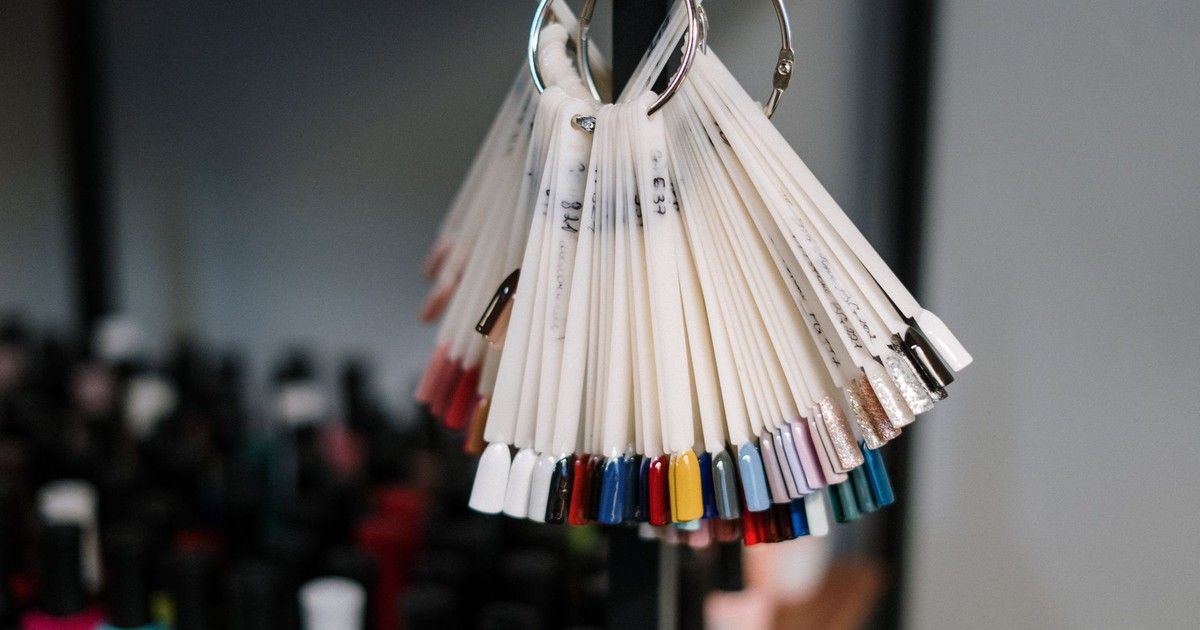
A collection of nail polishes arranged by color on a glass shelf is an organizational fantasy that also quietly destroys every bottle in it. The bathroom’s temperature swings are particularly hard on polish chemistry.
Reader’s Digest reports that most nail polishes will last about two years, but leaving them in the bathroom can make them go bad, becoming too thick, unblendable, or crumbly, much faster, with heat and humidity as the culprits. The solvent in nail polish evaporates faster at higher temperatures, and the pigment and base can separate in ways that no amount of rolling the bottle between your palms will fully reverse. Temperature fluctuations and humidity affect nail polish consistency, cause separation, and the moisture can also encourage bacterial growth in opened bottles.
A cool bedroom drawer or a closet shelf keeps polish smooth and workable far longer than a bathroom shelf. If you find yourself reaching for a bottle and it’s already past saving, that’s the bathroom’s work.
6. Spare Razor Blades
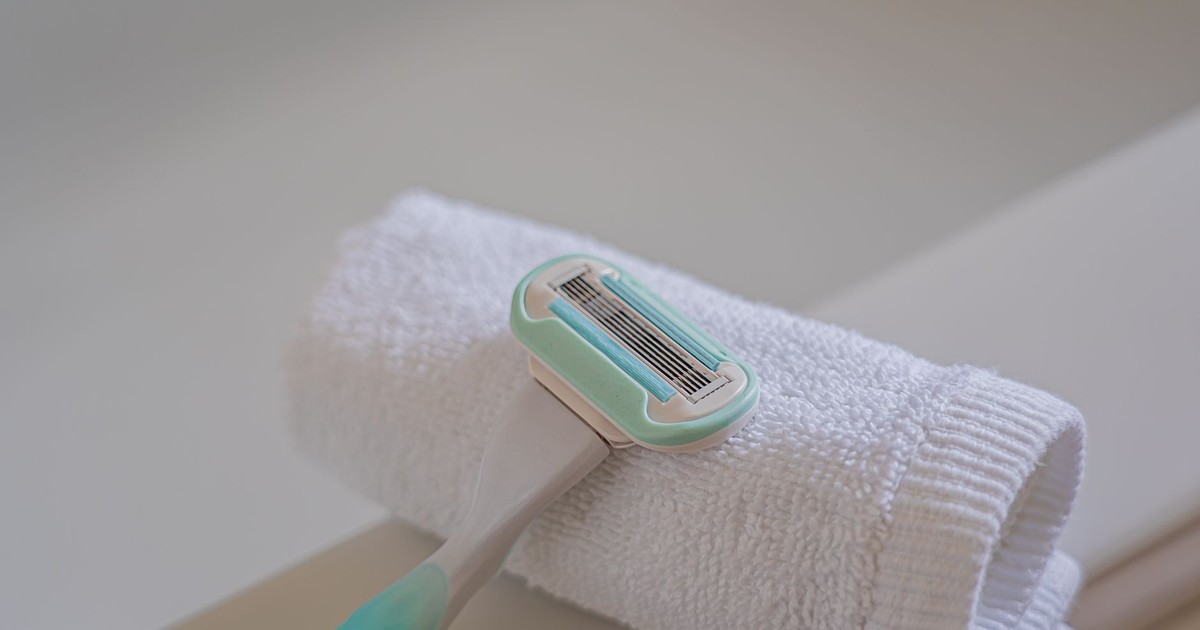
The razor you’re actively using lives in the shower – that’s fine. The backup pack sitting in the cabinet, though, is already being degraded by the environment before a single whisker has met it.
Backup razors kept out of their original packaging are vulnerable to humidity, which can create rust on razor blades. Rust dulls the blades, making them less effective and potentially causing irritation during shaving. A dull blade also means more pressure during shaving, which means more nicks, more friction, and more skin irritation. Drying razors after each shave can help keep them more effective, but spare blades in their original sealed packaging belong in a dry drawer outside the bathroom entirely.
7. Books and Magazines
The bathroom reader is a time-honored tradition and there’s no judgment here about the practice itself. The problem is leaving the reading material in the room permanently.
Books and magazines kept in the bathroom will absorb moisture, leaving you with wrinkled pages and deteriorating binding. That’s the cosmetic damage. The structural damage is worse: books and magazines can absorb bathroom scents and moisture, leading to warping and a musty odor, and they can become breeding grounds for mildew and mold in such humid environments.
If you genuinely enjoy reading in the bathroom, bring the book in and take it back out. Don’t leave it on the back of the toilet for weeks on end. The pages will curl, the spine will weaken, and eventually the whole thing will smell like something you can’t quite name but definitely don’t want near your face.
8. Extra Towels and Bathrobes
Storing your towels in the bathroom feels completely natural. It’s the room where you use them. But the room where you use them is also the room most likely to ensure they never fully dry out.
Bathrobes, in particular, should be kept out of the bathroom. Just like damp towels, robes left on a hook in the bathroom can harbor bacteria and pick up a musty odor from the humidity. Letting them dry in a closet instead is the better option. For extra towels you’re not currently using, storing the whole stack in the bathroom means every one of them is absorbing ambient moisture daily. Fabric picks up a musty smell with repeated exposure to moisture, and once that smell is in the fibers, washing it out takes more than one cycle. A linen closet in the hallway solves this entirely.
9. Makeup
Getting ready in front of the bathroom mirror is so natural that it feels wrong to say your makeup shouldn’t live there. But the place where you apply it and the place where you store it can be two different places, and your products will last significantly longer if they are.
Bathrooms are typically more humid than other areas of the house due to showers and baths, and for makeup, high humidity can affect the texture and consistency of products, causing them to degrade or spoil more quickly, particularly problematic for powders, creams, and mascara. Beyond texture, there’s a bacterial issue: moisture can encourage the growth of bacteria in makeup products, posing a risk to skin when the products are applied.
Mascara and eyeliner are especially vulnerable because they’re applied near the eye and already have a short use-by window once opened. A vanity in the bedroom, or even just a makeup bag that lives in a drawer elsewhere, extends the life of your products and reduces the bacterial load you’re introducing to your face every morning.
10. Skincare Products With Active Ingredients
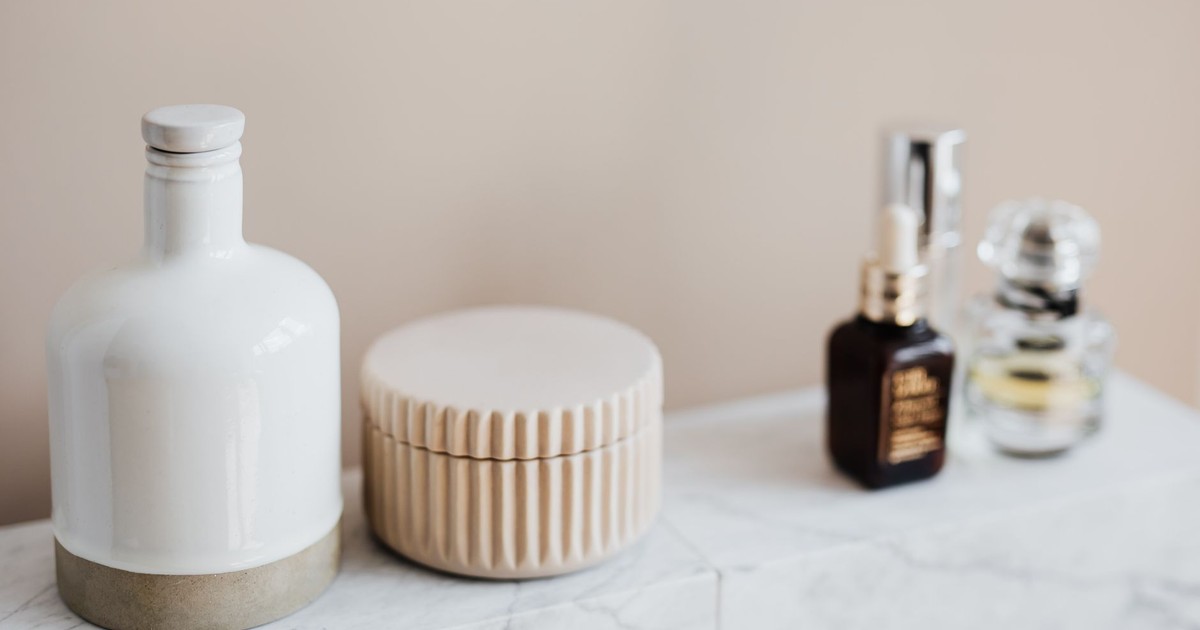
The average well-stocked skincare shelf contains products that are both expensive and chemically fragile. Retinol, vitamin C serums, acids – these are specifically the things that bathroom storage mistakes destroy fastest.
Many skincare products are not suited to humid environments. Moisture can cause certain creams, serums, or oils to separate or spoil, and items like retinol or vitamin C products are better stored in a cooler location to maintain their potency. Vitamin C in particular is notoriously unstable. According to Peter Thomas Roth, “a bottle left on a sunny counter or in a steamy bathroom will lose potency faster,” as heat and light directly accelerate the oxidation reaction. Once oxidized, the serum is not just less effective but can generate compounds that irritate the skin.
If you’re spending good money on a retinol or a vitamin C serum, the bedroom drawer where the temperature stays stable throughout the day is where it belongs. You can keep a basic cleanser and moisturizer in the bathroom. The expensive actives deserve better conditions.
11. Electronics
Hair dryers, straighteners, and electric shavers live in the bathroom because that’s where they’re used, and using them there is fine. Leaving them plugged in or stored in ways that expose them to moisture is where the calculus changes.
Bathroom moisture poses serious risks to electronic devices, creating potential electrical hazards and damaging equipment. Straighteners and hair dryers that are tucked into a drawer when not in use are generally acceptable, but hairstyling tools such as blow dryers and straighteners, if they come in contact with water, can short-circuit, permanently break, or worse, cause a fire. Non-waterproof speakers, radios, or any device you’re setting on the counter near the sink are a genuine risk.
The rule here is simple: use it, unplug it, put it somewhere dry. If you’re storing a device that cannot get wet in a room that regularly gets very wet, either get a waterproof version or find a dry storage spot just outside the bathroom door.
Read More: Why Does Your Home Get Dusty So Fast? Experts Explain the Real Reasons
12. Photographs
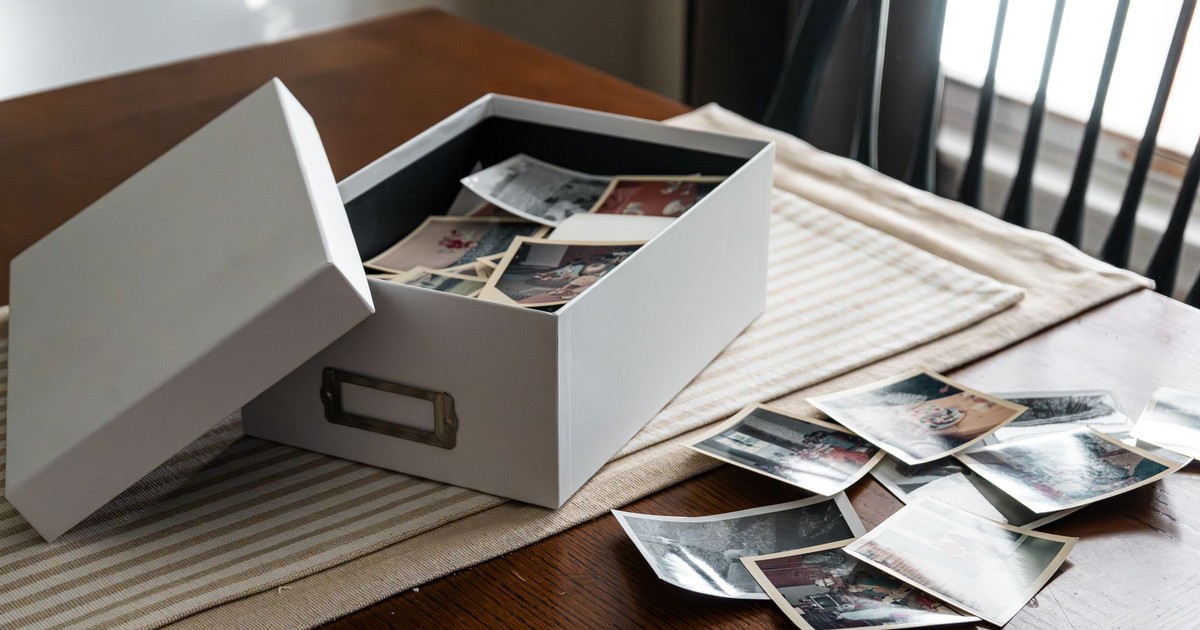
Decorating the bathroom with framed photos is a warm instinct, and a few waterproof prints in frames are unlikely to cause disaster. The problem is original photographs, printed photos, or anything irreplaceable sustaining moisture exposure with every passing week in that room.
You should never keep photographs in the bathroom. The emulsion on the front of a photo can pick up extra moisture and glue itself to the glass in a frame, and once that happens, it’s stuck for good. Even without that worst-case outcome, humidity can damage photographs stored in the bathroom, causing them to stick to glass frames and deteriorate steadily as the paper and emulsion slowly degrade. A photo doesn’t have to get splashed to be damaged; the ambient moisture in a regularly used bathroom is enough.
If you love the idea of bathroom art, prints work well. Originals and irreplaceable photos belong in drier rooms where the humidity stays consistent.
13. Cleaning Chemicals and Bulk Paper Products
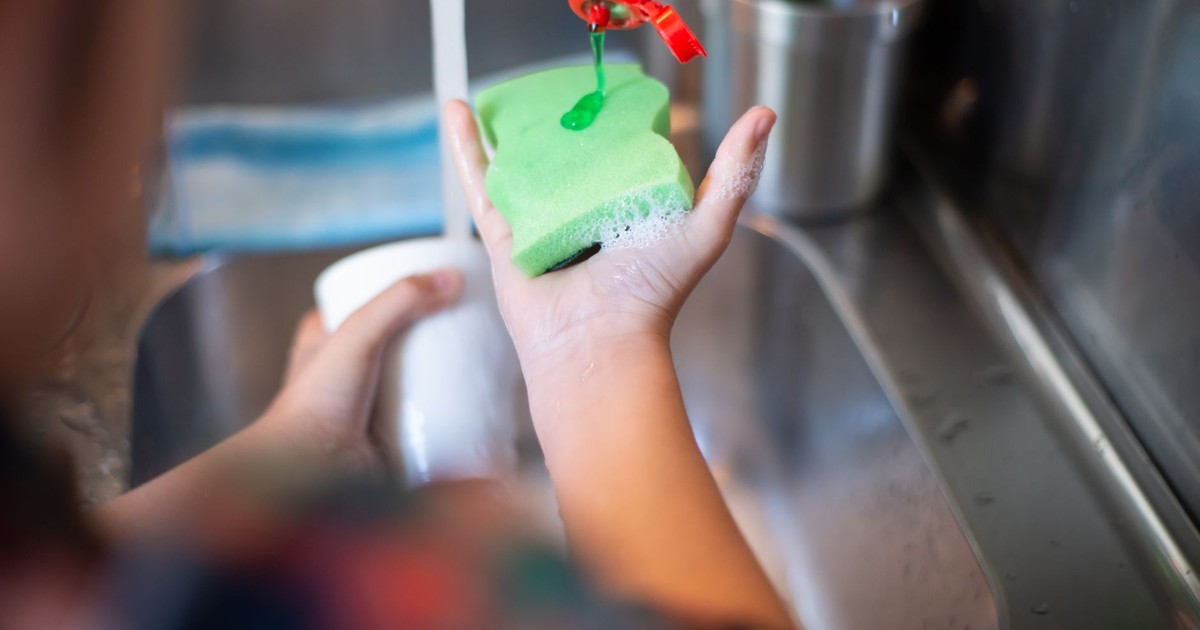
Under the sink is prime bathroom real estate, and most households fill it with cleaning supplies and stacks of backup paper products. Both categories have issues in that environment that are worth knowing about.
The damp atmosphere of a bathroom can cause harsh cleaning chemicals to release gases dangerously in a confined area, and fumes from industrial liquids build up quickly in small and poorly ventilated spaces. Mixing products accidentally, bleach and ammonia-based cleaners, for instance, is always dangerous, but in a poorly ventilated bathroom cabinet it becomes more so. Paper products like toilet paper and tissues can also degrade in quality due to humidity and exposure to aerosols in the bathroom, affecting their cleanliness and usability. A linen closet or a utility shelf elsewhere in the house is a far safer place for both, and it frees up under-sink space for things that genuinely need to be near the sink.
Where to Put All of It
The bathroom is warm, humid, and germ-adjacent in ways that most other rooms are not. Most of these items aren’t inherently delicate. The bathroom is specifically bad for them in ways that compound invisibly, accumulating damage that only becomes visible once a product has already failed.
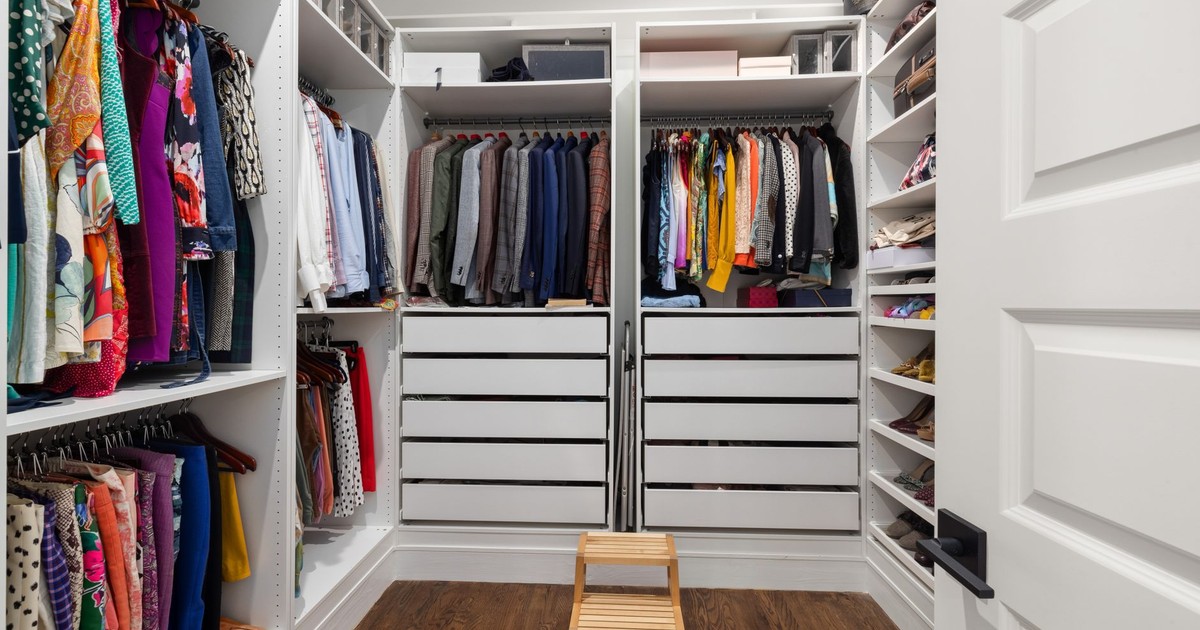
Most of what you’re moving doesn’t need a special destination. A bedroom dresser or nightstand handles medications, perfumes, nail polishes, and skincare actives. A linen closet handles spare towels, bathrobes, and paper products. A cool hallway cabinet handles cleaning chemicals. The items that are already in the bathroom because they’re being used there can stay: the razor you’re using, the toothbrush you’re using, the makeup you apply at the mirror. The question is really about the backup stock and the things you’ve drifted into storing there because it seemed convenient.
The good news is that none of these changes require reorganizing your whole house. One drawer, one shelf, one small shift. The bathroom gets away with a lot precisely because the damage it does is gradual. Now that you know what it’s actually doing to everything stored inside it, the moves get a lot easier to make.
AI Disclaimer: This article was created with the assistance of AI tools and reviewed by a human editor.