

Whole conversation threads that had existed on a partner’s phone can simply stop being there, vanishing cleanly as if they had never happened. Not deleted in the obvious, detectable sense – just gone, set to erase on a timer that ran out hours or days before anyone thought to look. Meanwhile the phone sits on the kitchen counter, screen down, and there is nothing visibly wrong. No lipstick-on-the-collar moment. No dramatic confession. Just a settings menu that nobody thought to open.
This is the architecture of what people are now calling affair mode – not a single feature, not a dedicated app, but a layered configuration of privacy tools that most people have on their phones right now and use for entirely ordinary reasons. The tools themselves are not suspicious. WhatsApp is on almost every phone. Signal is recommended by cybersecurity experts to journalists and activists. A locked folder is just a locked folder. The problem is that every feature designed to protect legitimate privacy can be reassembled into a system of concealment, and once you understand how the pieces fit together, you will start noticing them everywhere.
Understanding what these settings actually do is not about building a surveillance case against someone you love. It’s about having accurate information in a situation where the information asymmetry is enormous. You already know your gut is telling you something. Here is what your gut is actually picking up on.
The Disappearing Messages Problem

One American woman, Kerry from Los Angeles, told the Daily Mail how she’d noticed whole message threads disappearing from her partner’s phone – gone cleanly, as if they’d never existed. He had activated the disappearing messages setting in WhatsApp. What he hadn’t accounted for was a tablet sitting in a drawer, still signed into the same account, where iMessage had synced everything across devices. She found a shared Google Doc between him and her best friend from high school that contained messages, plans, and photos, all of it sitting right there in plain sight. The disappearing messages were working. The forgotten iPad was not.
The days of burning love letters are long gone, and it used to be that someone had to manually delete all traces of texts and calls. Now, many messaging apps have a built-in setting to wipe the trail clean automatically. WhatsApp’s disappearing messages feature is the most widely discussed component of what people loosely call affair mode, partly because WhatsApp is so ubiquitous that its presence on a phone raises no suspicion whatsoever.
You can set a timer for each individual chat with disappearing messages in WhatsApp, with different durations available – 24 hours, 7 days, or 90 days – and only messages sent after the timer is enabled will disappear. A 2026 update even added one-hour and 12-hour options, giving users considerably more granular control over exactly how long any evidence sticks around. It means that you essentially have to catch someone messaging the person they’re cheating with almost as it’s happening, which is incredibly difficult to do.
The other feature within WhatsApp that fits neatly into this picture is Chat Lock. WhatsApp’s built-in Chat Lock feature lets you hide specific conversations behind a password, fingerprint, or Face ID, and locked chats move to a separate folder that only the account holder can access. By default, the Locked Chats folder is hidden entirely, preventing anyone looking over your shoulder from even knowing that locked conversations exist. You wouldn’t find it unless you knew to look for it, and most people don’t.
WhatsApp has also recently introduced what it calls Advanced Chat Privacy. As explained on the WhatsApp Blog, this new setting, available in both individual chats and groups, allows users to block others from exporting chats, auto-downloading media to their phone, and using messages for AI features. That’s a legitimate privacy tool with plenty of genuine, non-suspicious uses. The problem is that every feature designed to protect people’s privacy can be repurposed just as easily to protect an affair.
The Calculator That Isn’t a Calculator
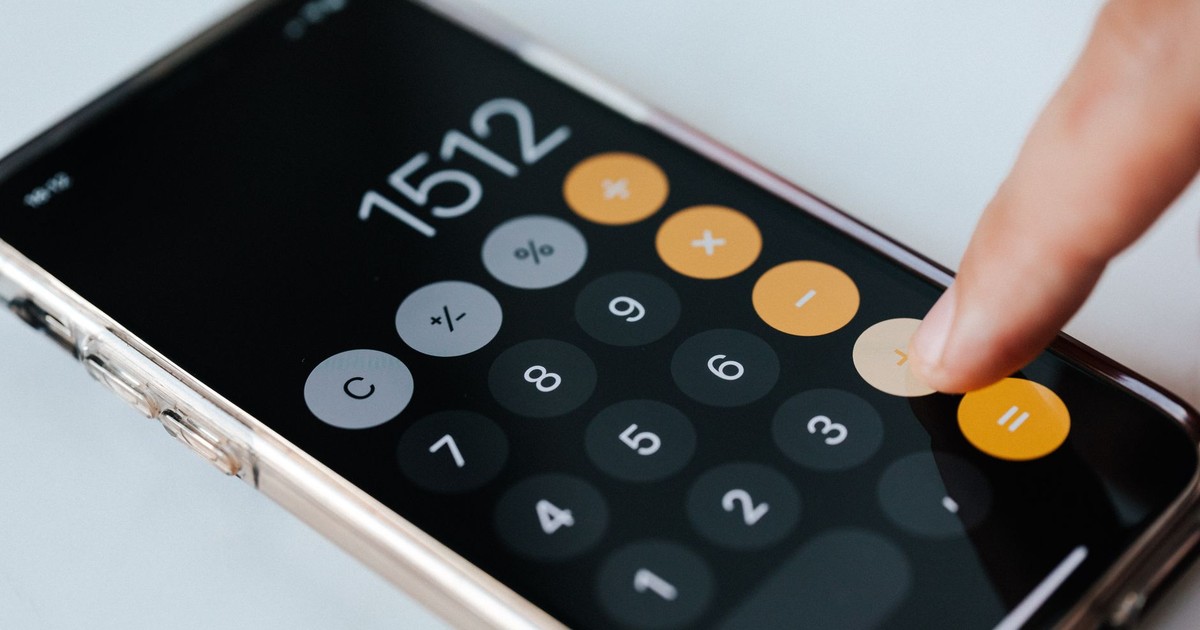
Tech expert Kim Komando, who specializes in consumer technology and digital security, has been one of the more vocal voices explaining how the affair mode phone setting works in practice. One of the most common methods she identifies is the use of an inconspicuous-looking app that is actually disguised as something else – and if someone appears to have two calculator apps on their phone, that’s a significant red flag.
Apps like Calculator Pro+, Calculator Vault, and Secret Calculator look exactly like a phone’s built-in calculator app on the surface, but once you enter a PIN code, they reveal a hidden stash of photos, a messaging app, or a secret call log. The genius of this, from a cheater’s perspective, is the complete absence of suspicion. Two calculators. Years ago, if you found out your partner had two phones, alarm bells would immediately go off – but the modern equivalent is a second calculator app, because who on earth would suspect that?
It’s also worth knowing that this same category of app extends well beyond fake calculators. On iPhones, the one to specifically watch for is Calculator#, while on Android it’s Calculator Pro+, as these are the digital fronts that can hide a wide variety of content including photos, contacts, and full messaging histories.
The Messaging Apps Everyone Already Has
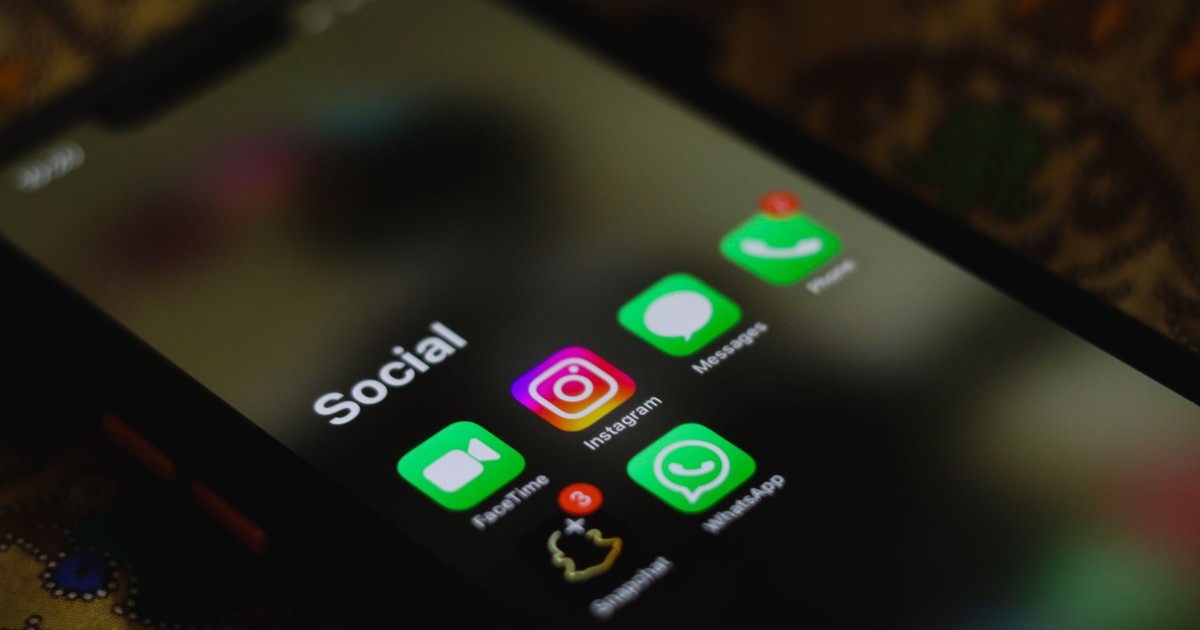
The more sophisticated component of all of this is that most of the tools involved are apps people already have on their phones for perfectly normal reasons. WhatsApp and Telegram are popular for affairs because they’re encrypted, messages can be set to auto-delete, and the interface is familiar enough that it doesn’t immediately stand out on a phone. Nobody questions why someone has WhatsApp. It’s on almost every phone. That’s precisely the point.
Signal is particularly popular among people trying to hide digital affairs because of its strong privacy features. Chats can be set to automatically delete after a certain time, leaving no history behind, and unlike WhatsApp or iMessage, Signal doesn’t save messages to the cloud, making them unrecoverable. Signal is open-source, nonprofit, and does not collect user metadata – all of which sounds admirable and is, in fact, admirable. It just also happens to be ideal for anyone who wants to communicate in a way that leaves absolutely no trace.
Instagram DMs operate differently and are considered less overtly suspicious, so people often feel comfortable using them for communication that isn’t strictly appropriate. Direct messaging on Instagram feels more casual, almost more deniable than a text message. The affair coded into a comment thread, the conversation that starts innocuously and goes somewhere else. Instagram doesn’t feel like a cheating app the way some platforms do, and that’s what makes it useful. You can learn more about the behavioral patterns that often accompany this kind of tech-enabled infidelity in this signs a man is cheating piece.
There’s also an app called CoverMe, which provides its users with a second phone number – almost like a digital burner phone for the modern age. It isn’t specifically designed for cheaters, but it has all the hallmarks needed to keep conversations and activity hidden from anyone trying to look in from the outside. One specific thing to be aware of is that CoverMe allows users to lock their phone through a shaking action, which could be the first thing you notice before any of the other features come into view.
The Location Problem

Disappearing messages are one part of the picture. Location is another. Location data tells a different kind of story: someone might be where they said they’d be according to a map app but at an unusual time or for an unusual duration – or they might disable location services entirely, which is its own kind of signal.
The calendar app is another tool increasingly being used to hide affairs. Private investigator Paul Evans from I-Spy Detectives has reported seeing more and more people use shared calendar apps to plan secret meetings, booking time under the guise of work commitments or other ordinary events. As Evans puts it, if a partner always seems to be working late on the same day of the week but there are no calls, no emails, and no explanation, it’s worth paying attention – because patterns are the biggest giveaway.
The notification silencing piece rounds out the full picture of how affair mode actually functions in daily life. Some people silence notifications for specific contacts entirely, so no alert will flash up on their screen when that person messages them. Combine that with disappearing messages, a locked chat folder, and a location pin that stopped updating three hours ago, and you have a system of concealment that most people would never think to assemble intentionally. And yet, here we are.
What the Archive Reveals
There is something quietly devastating about the fact that Kerry’s partner almost got away with it. He had done everything right, from a purely technical standpoint. Cheaters make it deliberately difficult for their partners to find evidence, even when those partners are already suspicious. The disappearing messages were working. The WhatsApp settings were enabled. What he hadn’t accounted for was a tablet sitting in a drawer, still signed into the same account.
Cheaters are becoming more technologically capable than ever, turning to hidden phone settings, disappearing messages, and location tricks to cover their tracks, and experts warn that modern smartphones and apps now offer dozens of ways to erase evidence quietly, making it easier to hide secret conversations, unexplained trips, and late-night meetups. The tools are getting better. The archive – the accidental, overlooked, synced-without-thinking archive – sometimes gets the last word anyway.
Read More: Private Investigator Claims Men Who Cheat Always Do The Same Thing, and It Gives Them Away
What You Actually Do With This
Knowing what affair mode is doesn’t mean you should take your partner’s phone apart looking for it. That road rarely goes somewhere good, and it usually tells you less than you think it does. Most people who discover infidelity through phone investigation wish they had certain conversations before they started looking – not because those conversations would have prevented anything, but because they would have provided clarity about what was actually being investigated.
What this information does do is sharpen your instincts in a specific way. Most of the things that make up affair mode are native phone features that exist because privacy matters and has legitimate uses. A locked WhatsApp chat is not a confession. Disappearing messages are not proof. But a partner who suddenly becomes defensive when their screen lights up, who turns the phone face-down every time they set it on the table, who seems to be running some kind of quiet administrative operation just to answer a text – that’s not a phone setting. That’s a person making choices.
The technology didn’t create infidelity. It just gave people better tools for managing it, and better tools for accidentally leaving an iPad in a drawer that blows the whole thing wide open. The archive never gets smaller. It only gets more clever about where it hides.
AI Disclaimer: This article was created with the assistance of AI tools and reviewed by a human editor.