

Calories are everywhere and advice is cheap, but most of it treats a 42-year-old’s body the same way it treats a 28-year-old’s. The same portion sizes, the same cardio logic, the same assumption that eating less and moving more will eventually produce the result. For a lot of women, it does not. Not because they are doing it wrong, but because the body they are working with in their forties is operating under a fundamentally different set of rules than the one they had a decade ago.
Protein smoothies are easy to dismiss as a wellness trend, the kind of thing that gets cycled through Instagram in pastel colors and sold with the word “detox” somewhere on the label. But when you look at what the research actually says about protein, fat loss, and the specific hormonal changes that hit women in their forties, the smoothie is doing something genuinely useful. It just has to be built correctly.
The difference between a protein smoothie that supports fat loss and a blended bowl of sugar with a scoop of whey thrown in is not subtle. It comes down to understanding why protein does what it does – and what women over 40 are actually up against.
What Your Body Is Doing Differently After 40

The 40s are not just a decade of busier schedules and worse hangovers. There is a biological shift happening that most women feel before anyone names it for them. The increase in prevalence of sarcopenia – the loss of muscle mass and function with age – in women appears to coincide with the onset of menopause, which is characterized by large changes to the hormonal environment, including decreased estrogen and progesterone, though high-quality evidence for a direct causal link between the two remains limited.
Muscle is metabolically expensive to maintain, and its loss directly erodes your resting metabolic rate. Research documents a reduction in lean or muscle mass across the menopausal transition, with decreases of 2.5 percent in perimenopausal women and 5.7 percent in postmenopausal women, compared to premenopausal women. When that muscle disappears, so does a meaningful portion of your resting metabolic rate. You are eating roughly the same things, moving roughly the same amount, and your body is producing different results – because it is, in a real and measurable sense, a different body.
This is also the window where fat storage patterns change. Estrogen decline tends to redirect fat accumulation toward the abdomen, which is both the hardest to shift and the most metabolically significant. This explains why the standard advice frequently stops working right around this age, and why protein becomes more important, not less.
Why Protein Is the Variable That Changes the Math
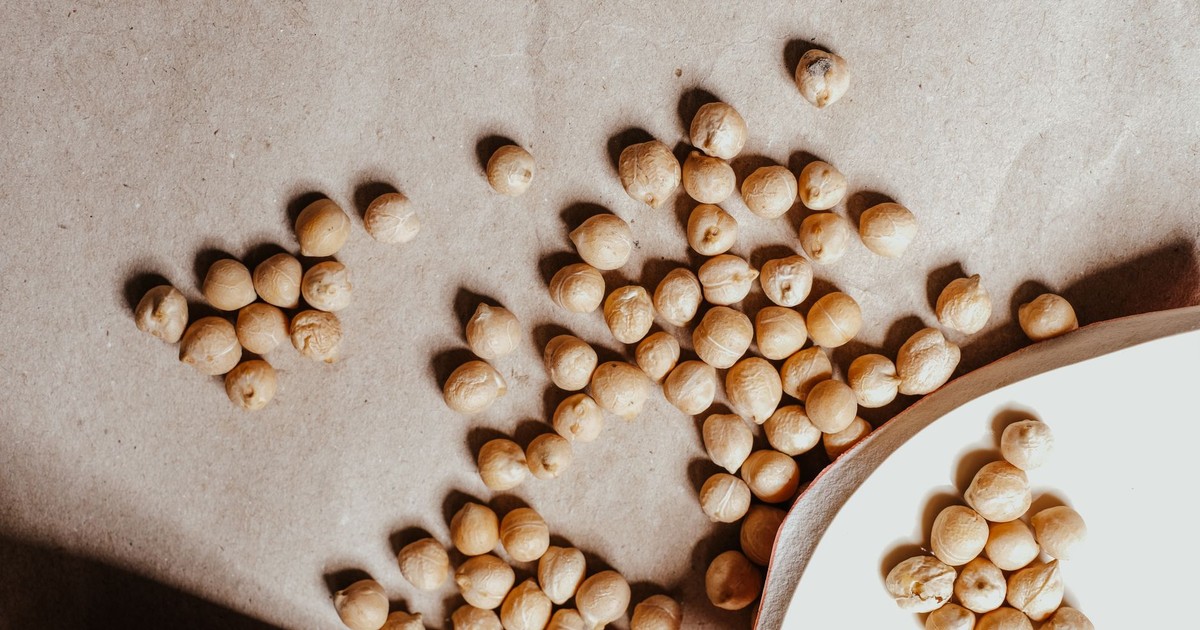
The 2025–2030 Dietary Guidelines for Americans raised the recommended daily protein intake for adults to 1.2 to 1.6 grams per kilogram of body weight – up from the previous 0.8 g/kg baseline – with research supporting the higher end of that range for adults over 40, where the body requires more protein to maintain muscle mass as it begins to decline with age.
The weight-loss argument for protein is not just about satiety, although satiety is real and significant. Among gut-derived hormones, glucagon-like peptide-1, cholecystokinin, and peptide tyrosine-tyrosine reduce appetite, while ghrelin enhances it. A high-protein diet increases these appetite-suppressing hormone levels while decreasing appetite-stimulating hormone levels, resulting in increased satiety signaling and, eventually, reduced food intake.
A higher-protein diet does not just make you feel full – it actively changes your hormone profile in a way that reduces how much you want to eat in the first place. This is not willpower. It is biochemistry. Proteins also carry a markedly higher diet-induced thermogenesis than carbohydrates and fats, and protein intake prevents a decrease in fat-free mass, which helps maintain resting energy expenditure despite weight loss. The body uses more calories just digesting protein than it does digesting anything else – roughly 20 to 30 percent of protein’s caloric content gets used in digestion alone.
Put all of that together and you get a picture that explains why women who prioritize protein for weight loss consistently see better outcomes than those on standard-protein approaches.
Where the Protein Smoothie Actually Fits

A protein smoothie is not magic. It is a delivery system – and whether it works depends entirely on what goes into it. A banana, some spinach, a cup of almond milk, and a scoop of whatever powder was on sale is not automatically a fat-loss tool. But a well-constructed protein smoothie weight loss approach – one that delivers 25 to 30 grams of protein, includes fiber, and does not bury its macronutrient value under juice and sweeteners – addresses nearly everything discussed above in a single, fast-to-prepare meal.
The smoothie format also makes it easier to hit a protein target that would otherwise require cooking a meal from scratch at seven in the morning. For a 150-pound woman trying to hit the 1.2 to 1.6 grams per kilogram range, that translates to roughly 82 to 109 grams of protein per day. One well-built smoothie in the morning, delivering 25 to 30 grams, handles nearly a third of that before she has even left the house.
Building a Smoothie That Actually Does the Work

The protein source matters more than most recipes acknowledge. Whey protein isolate is fast-digesting and high in leucine, the amino acid most directly linked to muscle protein synthesis. Pea protein is a strong plant-based option – it scores well on the essential amino acid profile and has a slower absorption rate that extends satiety. Greek yogurt can double as a protein base while also adding calcium, which becomes increasingly important for bone health in the perimenopausal years. Two thirds of a cup of full-fat Greek yogurt contributes around 13 to 15 grams of protein and keeps the texture thick without needing additives.
Fiber is the protein’s partner in this. The combination of protein and fiber regulates appetite, increases fullness, and supports a healthy metabolism. Frozen berries, ground flaxseed, chia seeds, and leafy greens all contribute fiber without spiking blood sugar. A tablespoon of chia seeds alone adds about 5 grams of fiber, which is enough to meaningfully slow gastric emptying and extend the feeling of fullness past the two-hour window where hunger typically returns after a sugary breakfast.
Fat is not the enemy here. A tablespoon of almond butter or half an avocado contributes healthy fats that support hormone production, which matters more than it sounds in a body where estrogen is in flux. Fat also slows the absorption of everything else, keeping blood sugar stable and extending the window of satiety. Making a fat-free smoothie in the name of calorie reduction often backfires – the result is a faster blood sugar spike, a faster crash, and hunger that arrives well before the next meal.
What to avoid is easier to list: fruit juice as a base (too much sugar, no fiber), flavored yogurt (the flavoring is mostly sugar), protein powders with more than six or seven grams of sugar per serving, and any add-in that sounds functional but contributes nothing – which rules out a significant percentage of the powders sold at supplement retailers. Read the label before the marketing copy.
Timing and Consistency Over Volume
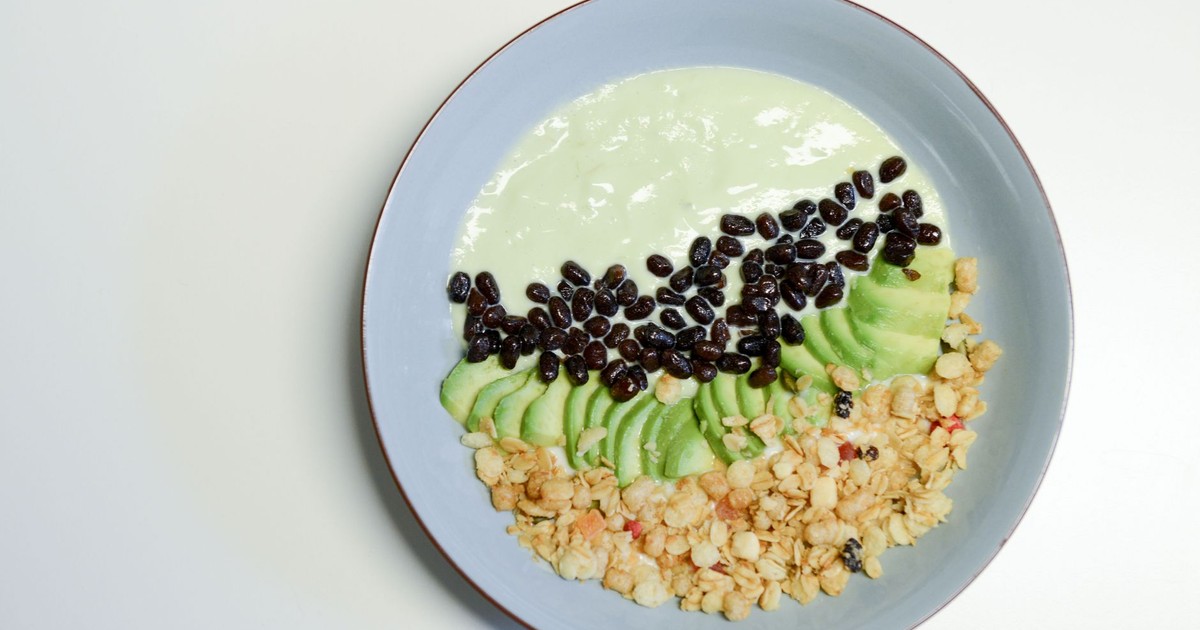
One good smoothie three days a week is not a fat-loss strategy. One good smoothie most mornings, made without overthinking it, is. The body adapts to consistent protein intake in ways it cannot adapt to sporadic surges. Spreading protein across the day – rather than eating most of it at dinner, which is how the average person tends to consume it – keeps amino acid availability higher throughout the day and more consistently signals muscle preservation.
Morning is a practical time for the majority of people. Cortisol is naturally higher in the morning hours, which raises blood sugar. A high-protein, lower-carbohydrate breakfast has been shown to blunt that spike and set a more stable metabolic tone for the day. A protein smoothie fits this window naturally, especially when it includes fiber and fat alongside the protein. The alternative – skipping breakfast or grabbing something high in simple carbohydrates – tends to produce an earlier hunger return and higher overall calorie intake by the afternoon.
The consistency piece is also where the smoothie format has an underappreciated advantage. It is genuinely fast. A frozen-berry-and-Greek-yogurt situation can be blended in four minutes. For a demographic whose mornings are already spoken for by children, work schedules, and the general administrative weight of running a household, a strategy that requires forty minutes of food prep is a strategy that only works on weekends. Four minutes is a strategy that works on a Tuesday.
What “Twice as Much Fat” Actually Means

The claim that protein smoothies help women over 40 lose twice as much fat is not hyperbole, but it does come with context. The comparison is between high-protein approaches and standard-protein approaches, not between protein smoothies and doing nothing. Several clinical trials have found that consuming more protein than the recommended dietary allowance not only reduces body weight but also enhances body composition by decreasing fat mass while preserving fat-free mass – and fairly long-term trials of six to twelve months reported that a high-protein diet provides weight-loss effects and can prevent weight regain after weight loss.
The “twice as much” figure refers to fat mass specifically, not total body weight. The high-protein group typically loses a similar amount of total weight but a significantly higher proportion of that weight from fat rather than muscle. Losing weight by losing muscle is counterproductive in a body that is already dealing with age-related muscle loss. Losing weight while preserving muscle mass improves body composition in a way that also supports a higher resting metabolism going forward.
That is why the protein smoothie for weight loss works differently for women over 40 than it does for younger women. The younger body has more hormonal support for muscle retention during weight loss. The older body needs the protein to do more of that work explicitly – and a well-built morning smoothie, repeated consistently across weeks, is one of the most practical ways to hit the daily protein targets that make it possible.
The Part Nobody Wants to Say Out Loud

A protein smoothie will not outpace a diet that is otherwise working against you. It will not compensate for chronic sleep deprivation, which disrupts the hunger hormones it is trying to regulate. It will not offset a pattern of stress-eating at ten at night. These are not moral judgments. They are biological realities, and they apply to everyone.
What a well-built protein smoothie does is give the body a consistent, reliable input that supports fat loss, muscle retention, and appetite regulation in a single container, in four minutes, before the day has a chance to run away from you. The forties are a decade where the body requires more deliberate nutritional support to do things it used to do without effort. Giving it the tools to do that work is not a trend. It is just applied biology, blended.
Disclaimer: This information is not intended to be a substitute for professional medical advice, diagnosis, or treatment and is for information only. Always seek the advice of your physician or another qualified health provider with any questions about your medical condition and/or current medication. Do not disregard professional medical advice or delay seeking advice or treatment because of something you have read here.
AI Disclaimer: This article was created with the assistance of AI tools and reviewed by a human editor.