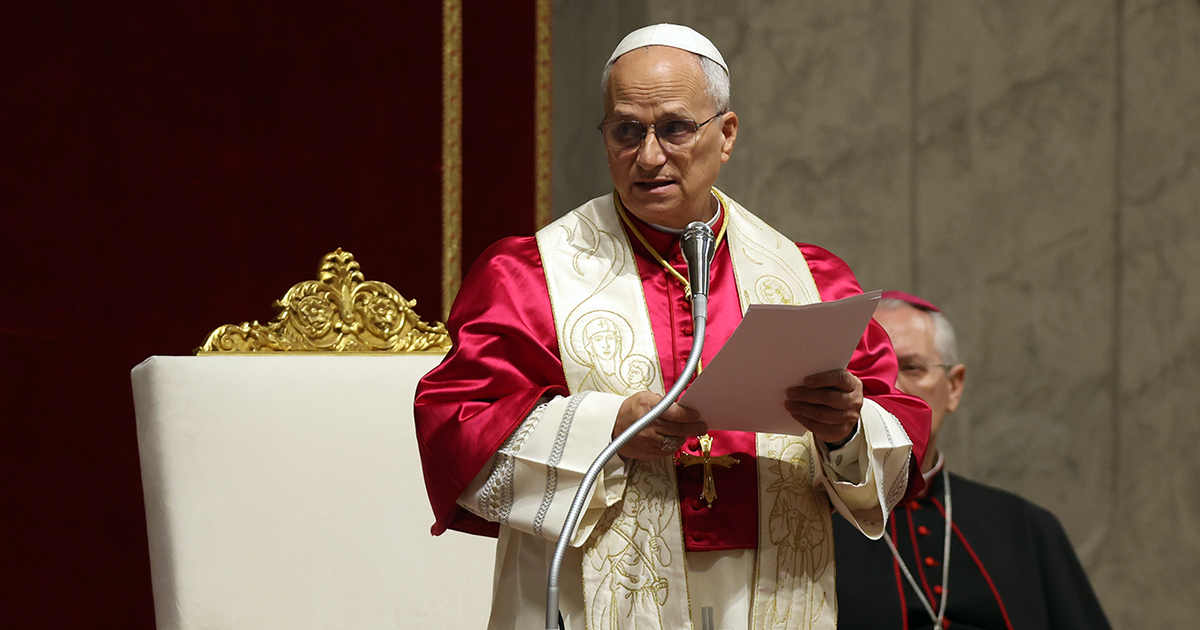

The Catholic Church added nine new saints to its roster in 2025, the most in a single year since the late pontificate of Pope Francis. Two arrived in September. Seven more followed in October. Together they span Papua New Guinea, Venezuela, Armenia, Ecuador, and Italy, and their lives encompass everything from a martyred bishop who refused to renounce his faith at gunpoint to a teenager who spent his free time building websites about Eucharistic miracles.
The 2025 canonizations took place across the seam between two pontificates. Pope Francis had set the causes of most of these candidates in motion before his death on April 21, 2025. His successor, Pope Leo XIV, elected on May 8, carried those causes to completion. The first two canonizations happened on September 7 in St. Peter’s Square. Seven more followed on October 19, World Mission Sunday, in one of the largest canonization ceremonies in recent memory. The crowd that gathered for the October ceremony numbered around 70,000 people, with official delegations present from Venezuela, Armenia, and Papua New Guinea, three countries that had never before had a canonized saint of their own.
The newest Catholic saints of 2025 represent almost every category of holiness the Church recognizes: martyrs who died for their faith, founders of religious communities, laypeople who built their spiritual lives around service to the poor, and one Italian whose journey to the altar ran through Satanism first.
Pier Giorgio Frassati: The Man of the Eight Beatitudes
Pier Giorgio Frassati was born in 1901 into a prominent family in Turin, Italy, and was admired for his deep spirituality, love for the poor, and enthusiasm for life. According to the USCCB, a member of the Dominican Third Order, he served the sick through the St. Vincent de Paul Society, and died at age 24 after contracting polio, possibly from one of the people he assisted. His father was a newspaper founder and diplomat, which meant Pier Giorgio grew up in a wealthy, well-connected household where no one would have expected the son to spend his evenings visiting sick workers in the slums of Turin. He did it anyway, developing an active spiritual life that included daily Mass, frequent Confession, Scripture reading, devotion to the Rosary, and quiet, generous charity to the poor.
Pope John Paul II gave him the name “Man of the Eight Beatitudes” in 1990. At the first canonization Mass of his pontificate, Pope Leo XIV proclaimed Carlo Acutis and Pier Giorgio Frassati saints, praising their devotion to the Eucharist, prayer, and serving the poor. He was canonized alongside Acutis on September 7, 2025, before a gathering of more than 80,000 faithful in St. Peter’s Square.
Carlo Acutis: The First Millennial Saint
St. Carlo Acutis was born on May 3, 1991, and died on October 12, 2006, at age 15, of leukemia. In the years between, he attended daily Mass, prayed the Rosary, defended classmates who were being bullied, and built websites for Catholic organizations and exhibits devoted to Marian apparitions and Eucharistic miracles. A kid who channeled his coding skills into cataloguing miracles, with the same matter-of-fact devotion he brought to everything else.
His canonization had originally been scheduled for April 27 during the Jubilee of Teenagers, but was postponed following the death of Pope Francis. Pope Leo XIV moved the date to September 7, canonizing him alongside Frassati. The announcement of the canonization had originally been declared under the late Pope Francis on November 20, 2024. Acutis’s cause resonated particularly with young Catholics and with anyone who has wondered whether faith and modern life are genuinely compatible. His answer, apparently, was yes, and he catalogued the evidence.
Ignatius Maloyan: Martyr of the Armenian Genocide
Ignatius Maloyan was an Armenian bishop and martyr who perished during the Ottoman genocide. He was born in 1869 in Mardin, a city in what is now southeastern Turkey, and was consecrated Archbishop of Mardin in 1911. In June 1915, during the Armenian Genocide, Maloyan was arrested, tortured, and executed by Ottoman authorities after refusing to convert to Islam, choosing instead to affirm his loyalty to Christ and his flock. He was 46 years old. His last recorded words, spoken as he fell, were a prayer.
His canonization carried particular diplomatic weight, taking place a few weeks before Pope Leo XIV’s trip to Turkey, a country that does not recognize the existence of the Armenian Genocide. His beatification culminated on October 7, 2001, when Pope John Paul II, recognizing his death as martyrdom “in hatred of the faith,” declared him Blessed. For Armenian Catholics around the world, his elevation to sainthood was a formal acknowledgment, inscribed into the Church’s permanent record, that what happened to Maloyan and his people was real, and that it was witnessed.
Peter To Rot: The First Papuan Saint
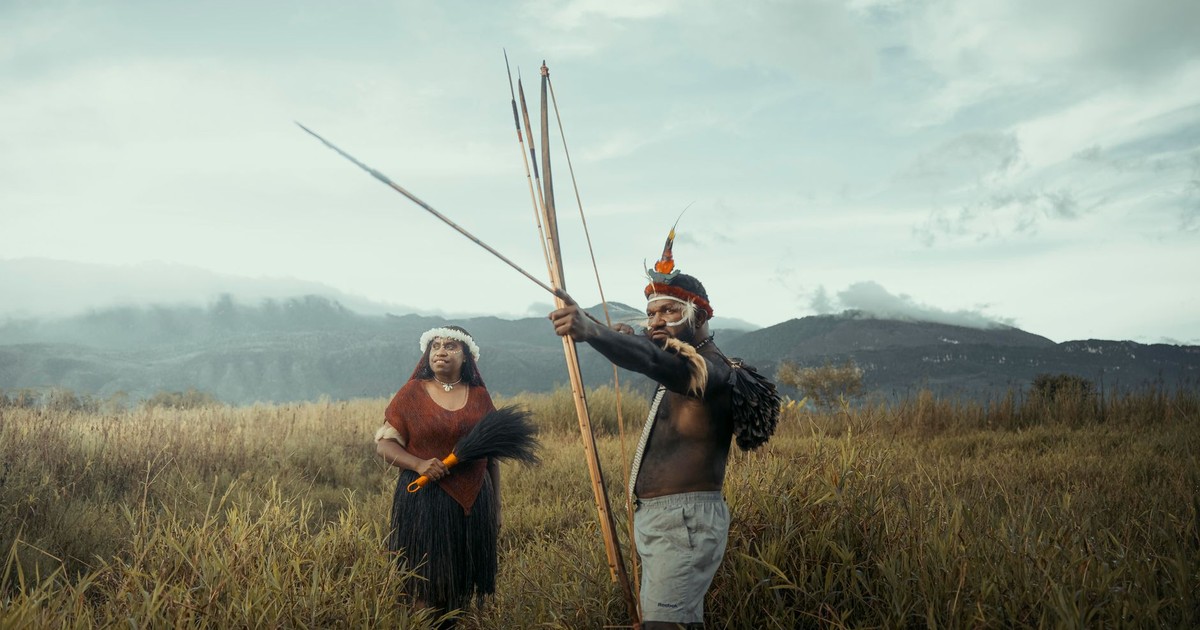
Peter To Rot was born in Papua New Guinea in 1912 and at the age of 18 trained to be a catechist and later married. After the Japanese army occupied the country in 1942 and prohibited the evangelizing mission in 1944, he defended monogamous marriage as the Christian ideal, was arrested in 1945, sentenced to two months in prison, and executed by lethal injection before his release. He is the first Papuan to be declared a saint.
To Rot was a lay catechist whose particular act of faith was refusing to allow polygamy, legalized by occupying forces, to displace the Church’s teaching on Christian marriage. According to EWTN News, he firmly defended marriage and the family in the face of widespread polygamy, and ministered to the faithful in secret. It is not the most dramatic martyrdom story in the 2025 class, but it might be the most specific one: a man who knew exactly what he believed about family life and paid for it with his life.
José Gregorio Hernández: The Doctor of the Poor
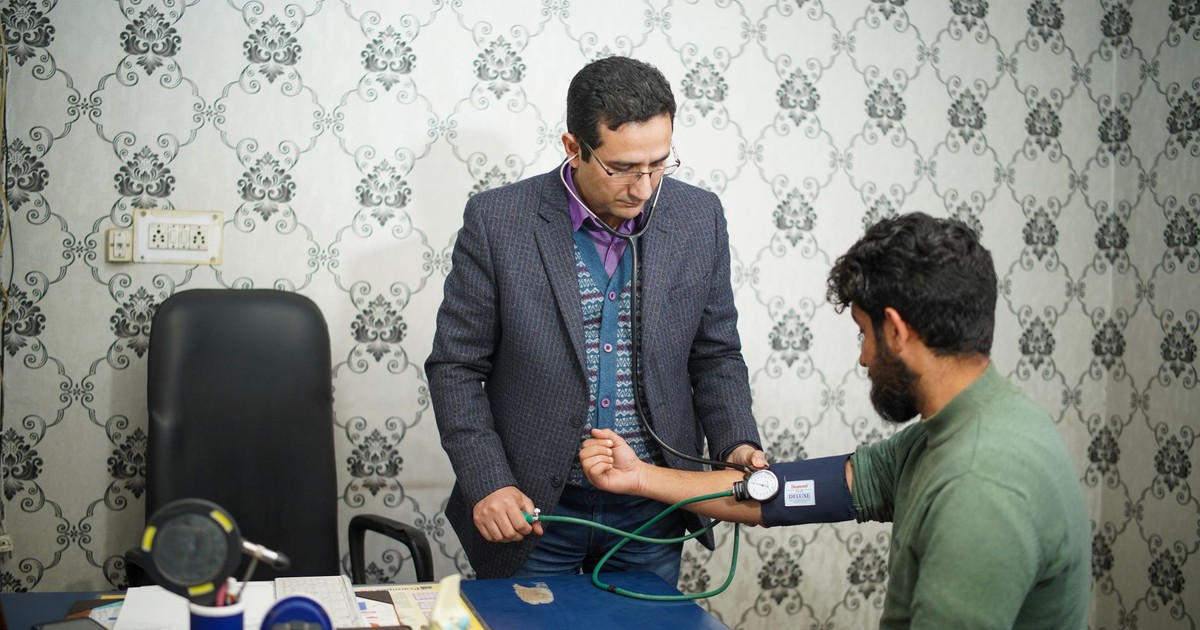
José Gregorio Hernández Cisneros was a Venezuelan physician known widely as the “Doctor of the Poor.” Born on October 26, 1864, in Isnotú, Venezuela, he was instrumental in introducing modern medical science to the country and founded its first bacteriology laboratory. A devoted layman and Franciscan tertiary, he provided free medical care to the poor throughout his career, and died on June 29, 1919, in Caracas after being struck by an automobile while running an errand for a sick patient.
Hernández is one of the most beloved figures in Latin American Catholic history, already a household name in Venezuela long before his formal canonization. His life had the particular shape of one organized around other people’s needs. Twice he tried to enter religious life and twice illness brought him home, and he appears to have interpreted each return as a redirection rather than a failure. He and his fellow Venezuelan, María Carmen Rendiles Martínez, became the first saints from Venezuela on the same October day.
María Carmen Rendiles Martínez: Venezuela’s First Female Saint
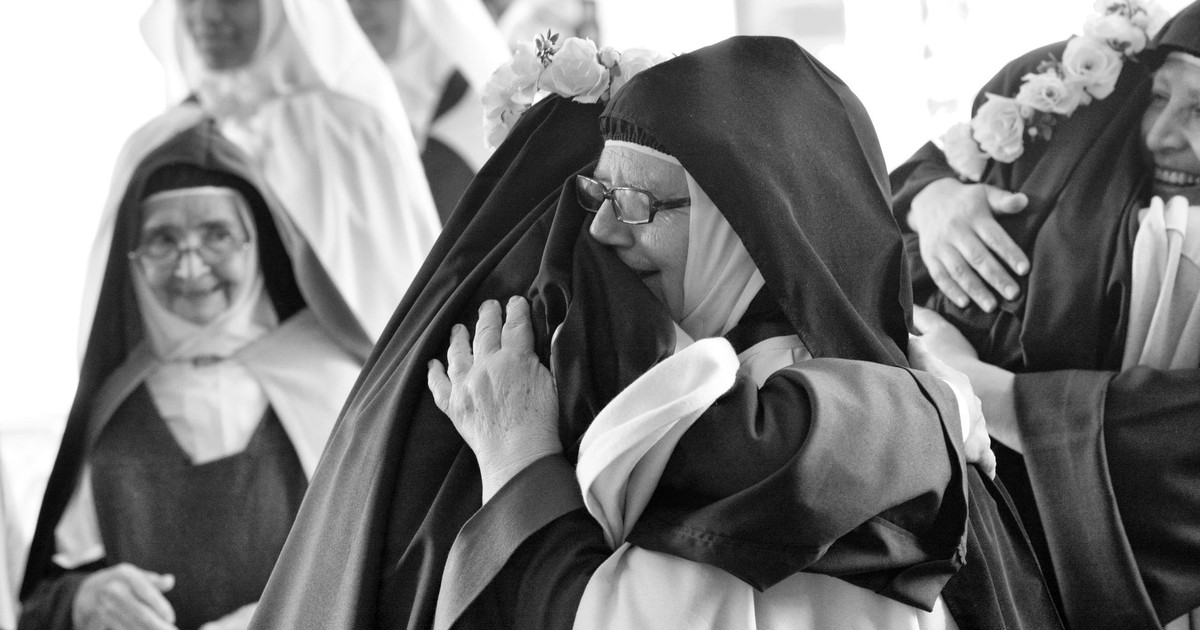
Blessed María Carmen Elena Rendiles Martínez was a Venezuelan religious sister and founder of the Servants of Jesus of Caracas. Born without a left arm, she established the Servants of Jesus of Caracas in 1965, dedicating her community to education and spiritual outreach, and died on May 9, 1977, in Caracas. Upon her canonization, she became Venezuela’s first female saint.
Amid significant changes in her French religious community in the 1960s, St. Carmen led the Venezuelan and Colombian sisters in founding a new community to preserve her former institute’s original charism. The miracle that preceded her canonization was the healing of a hydrocephalic woman. Her story contains the combination of physical limitation and institutional persistence that the Church tends to recognize as characteristic of founders, people who build something because they cannot imagine not building it, regardless of what stands in the way.
Maria Troncatti: Madrecita of the Amazon
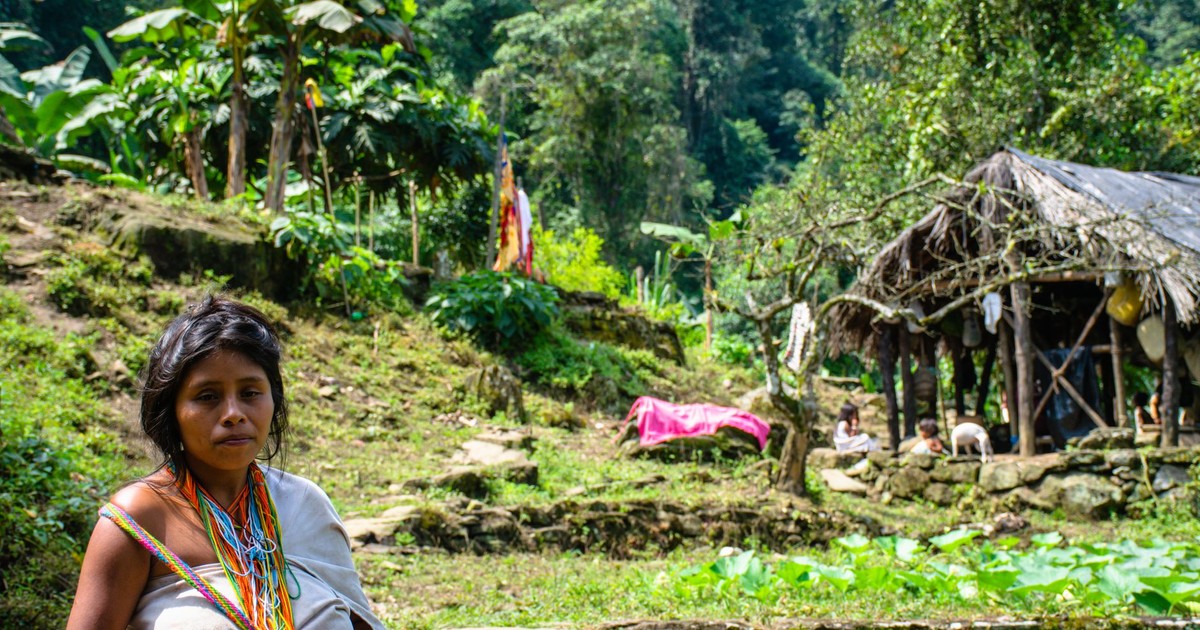
Pope Leo XIV also canonized St. Maria Troncatti, an Italian Salesian sister who spent 44 years as a missionary among the Indigenous Shuar people in Ecuador’s Amazon rainforest. Known affectionately as “Madrecita,” or “little mother,” she served as a nurse, surgeon, and catechist. She was born in the Italian Alps in 1883 and entered the Salesian order before being sent to South America, where she remained for nearly half a century. She died in a plane crash in 1969.
Forty-four years in the Ecuadorian rainforest. Nurse, surgeon, catechist, all three, in a place where she was often the only medical care for hours in any direction. She learned the Shuar language. She stayed. The “Madrecita” her community called her was not a diminutive. It was affection, given freely, for a woman who chose a life that most people would find incomprehensible.
Bartolo Longo: From Satanist to Apostle of the Rosary
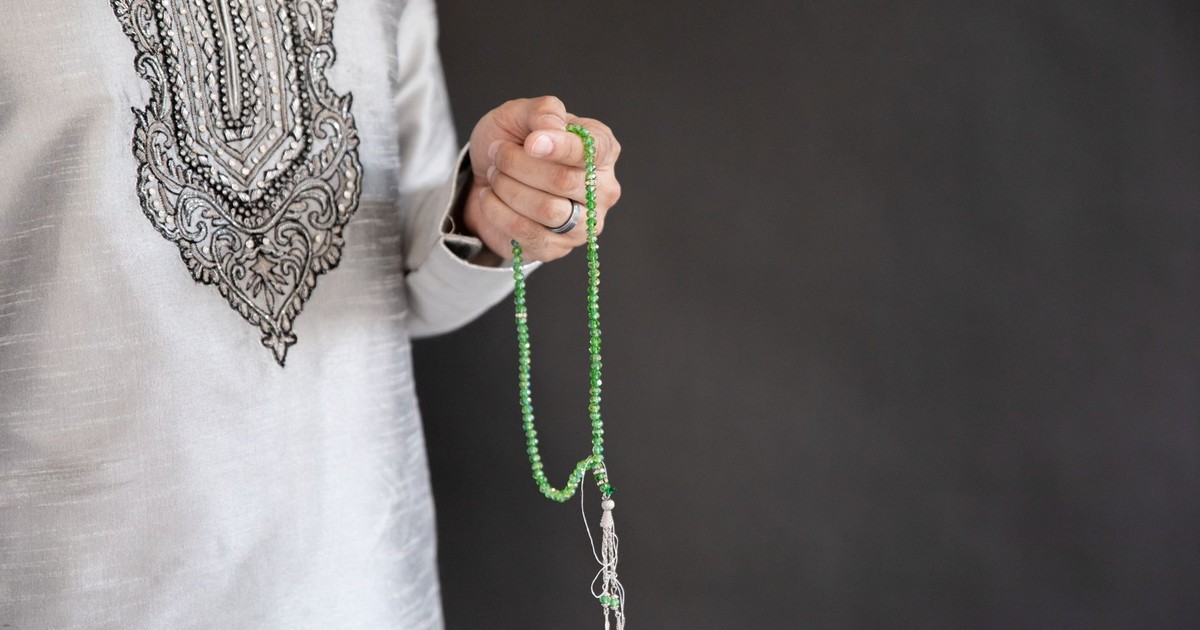
Among the most well known of the new saints is St. Bartolo Longo, a 19th-century Italian lawyer who abandoned his Catholic faith for Satanism before returning to the Church. After his conversion, Longo dedicated his life to promoting the Rosary and built the Shrine of Our Lady of the Rosary in Pompeii, now one of Italy’s most beloved Marian pilgrimage sites.
Longo was born in 1841 and died in 1926, which means his canonization came nearly a century after his death. He became a Third Order Dominican, still suffered guilt over his former sinful lifestyle, and found his lifeline by praying the Rosary, to which he dedicated his life. The shrine he built in Pompeii remains one of Italy’s most visited Marian sites. The Church waited nearly a hundred years to formally recognize a man who spent that same span of time being argued about, prayed over, and remembered by ordinary Catholics who found his story more honest than most. The viral dancing nuns of the Soli Sisters, who went global doing exactly what Longo spent his life promoting, just with better choreography, would probably approve.
Vincenza Maria Poloni: Mercy in a Cholera Year
Italian foundress St. Vincenza Maria Poloni was also canonized, having founded the Sisters of Mercy of Verona. She is remembered for her tireless service to the poor, including at the risk of her life during the cholera epidemic of 1836. Vincenza Maria Poloni was born on January 26, 1802, and co-founded the Sisters of Mercy of Verona in Italy. At her birth she was named Maria Luigia Francesca Poloni but later adopted the name Vincenza Maria at the time of her religious profession in 1848. She died in 1855.
Poloni’s story is less dramatic than some in this group, but caring for the sick during an epidemic you could catch and die from requires a specific kind of resolve. The congregation she founded continued her work long after her death, which is usually how a founder’s cause eventually reaches Rome.
What Nine New Saints in One Year Actually Means
Nine new saints and 199 new blesseds, most of them martyrs, were honored across two canonization ceremonies and 13 beatification ceremonies in 2025. That reflects both the backlog of causes advancing under Pope Francis and Pope Leo XIV’s decision to complete them during the 2025 Jubilee Year of Hope.
America Magazine reported that the October ceremony drew 70,000 people, with official delegations from Venezuela, Armenia, and Papua New Guinea present in St. Peter’s Square. In his homily, Pope Leo said, as confirmed by Vatican News, “Today we have before us seven witnesses, the new Saints, who, with God’s grace, kept the lamp of faith burning.” The 2025 class, taken as a whole, includes a teenager in Milan coding websites about miracles, a bishop in Ottoman Turkey refusing conversion at gunpoint, and a lawyer in 19th-century Italy building a shrine to atone for his years in the occult. They came from different centuries, different continents, different walks of life. What they share is not a story type but a direction.
The Church’s Longest Argument
The Church has been making the same argument for two thousand years: that holiness does not belong to any one type of person, any one culture, or any one era. The 2025 class is the latest, most geographically sprawling version of that case. A Papuan catechist and a Venezuelan doctor and a 19th-century Italian former Satanist and an Italian-born missionary who died in a plane crash in the Ecuadorian rainforest share nothing except the direction their lives pointed.
The bridge between pontificates is part of the story too. Pope Francis set these causes in motion. Pope Leo XIV completed them. The consistory confirming the October canonizations had originally been convened by Francis at the end of February 2025, while he was still hospitalized. He did not live to preside over the ceremony. His successor did, on World Mission Sunday, in front of 70,000 people. The newest Catholic saints of 2025 arrived in a year the Church itself was mid-transition, carried forward by momentum that outlasted the pope who started it.
AI Disclaimer: This article was created with the assistance of AI tools and reviewed by a human editor.