

Most people carry their childhood into adulthood not as a complete story, but as a collection of moments that didn’t announce themselves as formative at the time. The parent standing at the kitchen sink saying dry your own dishes. The silence after you announced a bad grade. The forty-five minutes your father spent listening to something you couldn’t fully articulate, even though dinner was getting cold. Parenting life lessons rarely arrive with labels. They accumulate in the background and show up years later as the architecture of who you are.
Every generation tends to look at the parenting styles of their own childhood with a mixture of nostalgia and cringe. Some things absolutely deserve to stay in the past. But not everything old-fashioned earned its retirement. A handful of what now gets called “traditional” parenting approaches – the kind that didn’t come with a name or a hashtag, just a parent standing at the sink telling you to dry your own dishes – have held up better than most modern alternatives under actual scrutiny. These aren’t the rigid authoritarian moves that made therapists rich. They’re something quieter and more specific: a set of lessons that great parents passed down, often without announcing they were doing it, and that the people who received them tend to carry forward in ways they can feel but can’t always explain.
The three lessons below aren’t a parenting philosophy. They’re closer to a pattern, one that keeps appearing in developmental research, in the accounts of adults who describe their childhoods as genuinely formative, and in the kind of self-awareness that, respectfully, takes a whole childhood to build.
1. Parenting Life Lessons Start with Responsibility – Not Just Rules
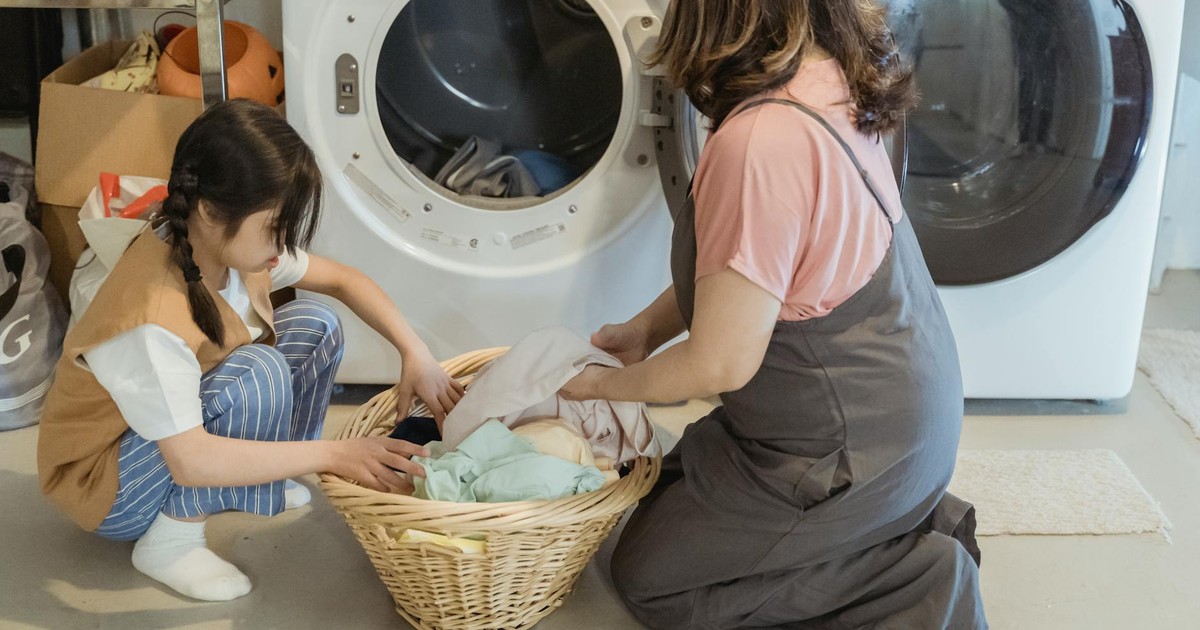
There is a difference between a household with rules and a household where children understand why the rules exist and feel genuinely responsible for their piece of it. The first produces compliance. The second produces something that actually travels with the child past the front door.
Parents who were doing this well didn’t just assign chores – they treated the child’s participation as something the family actually depended on. You weren’t doing the dishes because you were being punished. You were doing the dishes because dinner happened and the kitchen was everyone’s problem. That specific framing, small as it sounds, carries an outsized amount of weight. Research demonstrates that kids who have regular chores do better in school, have higher life satisfaction, and better know how to care for themselves. That’s not a coincidence of personality – it’s a direct output of having been treated as a capable, contributing person from an early age.
The mechanics of how this works are pretty well documented at this point. A 2019 study published in the Journal of Developmental and Behavioral Pediatrics surveyed nearly 10,000 parents of children entering kindergarten, then followed up three years later; children who did more chores in kindergarten scored significantly higher in academic abilities, peer relationships, and overall life satisfaction. What’s interesting about those findings is that it isn’t simply about knowing how to fold a towel. In another study of more than 200 children aged 5 to 13, those who participated in more household chores had better working memory and stronger inhibitory control – the ability to stop an impulse and make a more considered choice – whether the chores involved self-care tasks like making their own lunch or family-care tasks like helping prepare dinner. Executive function, it turns out, gets a workout every time a child is asked to do something that requires follow-through.
Great parents handed their children responsibility early not because they were lazy or indifferent, but because they understood something about human dignity: being needed is not a burden. It is one of the more reliable sources of self-worth a person can have. The child who sets the table every night without being reminded isn’t just tidy. She’s someone who has learned, at a cellular level, that her presence in a household matters.
2. Respect Ran Both Directions – and Children Noticed
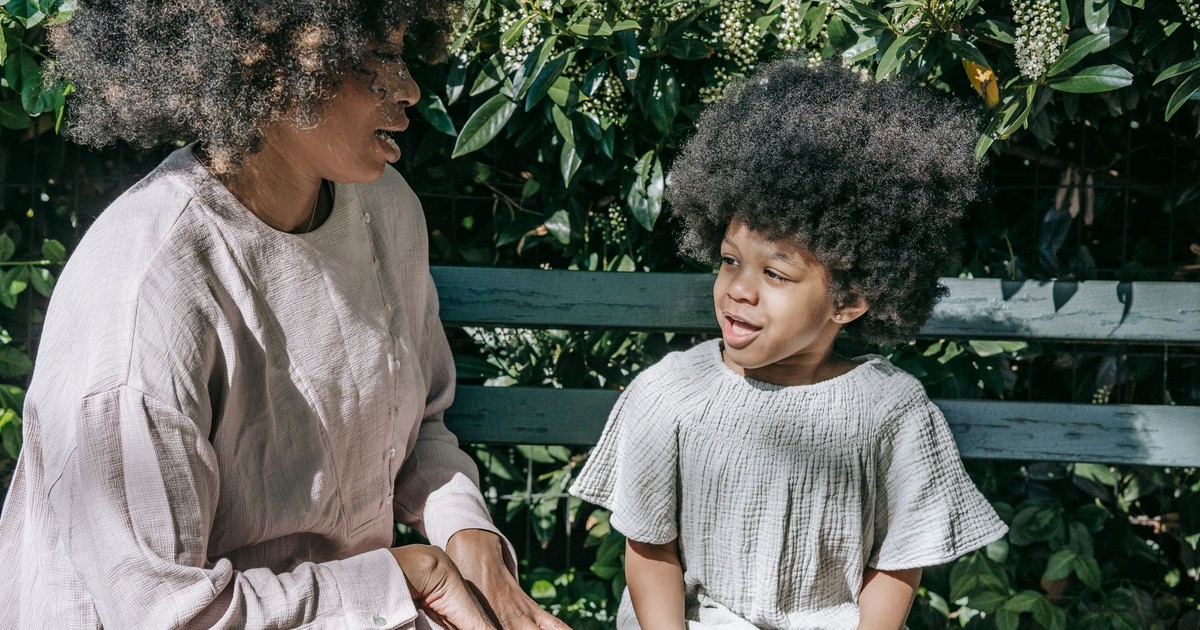
Old-fashioned parenting has a reputation problem here, and not entirely unfairly. An older version of “respect your elders” was pure hierarchy – you listen because I said so, full stop, no further information available. That version did not age well and left a lot of people unpacking it decades later. But that’s not what the best parents were actually doing.
What the best parents were doing was modeling respect as a practice rather than demanding it as tribute. They said please and thank you to their children. They acknowledged when they were wrong. They listened when something was clearly upsetting the kid, even when the kid couldn’t articulate it yet and the whole conversation took forty-five minutes and went in circles. They disagreed with their children’s choices while still taking the child seriously as a person. These are not radical ideas, but they’re not automatic either, and children who grew up in homes where respect operated as a two-way current tend to carry a very specific kind of confidence – the kind that doesn’t require an audience.
The family unit is recognized as the primary context for children’s development and learning; within it, children acquire various skills, learn to read emotions, manage social relationships, and adopt moral and cultural values. What researchers keep finding is that the transmission of those values isn’t primarily instructional. Children don’t absorb respect from lectures about respect. They absorb it from watching how the adults in their lives treat people who have no power over them – the server at the restaurant, the neighbor who’s a little odd, the sibling who just said something embarrassing. Whether the parent intends it as instruction or not, the child is taking notes.
In a 2023 Pew Research survey on how today’s parents compare their approaches to their own upbringing, respondents consistently returned to values like respect for others and an understanding of the value of hard work – the idea of not expecting things to be handed to you – as the lessons they most wanted to pass forward. That’s not nostalgia. That’s adults looking back at what actually prepared them for the specific difficulties of being a person in the world and pointing at something they can still name.
3. Letting Children Fail – Before the Stakes Were High
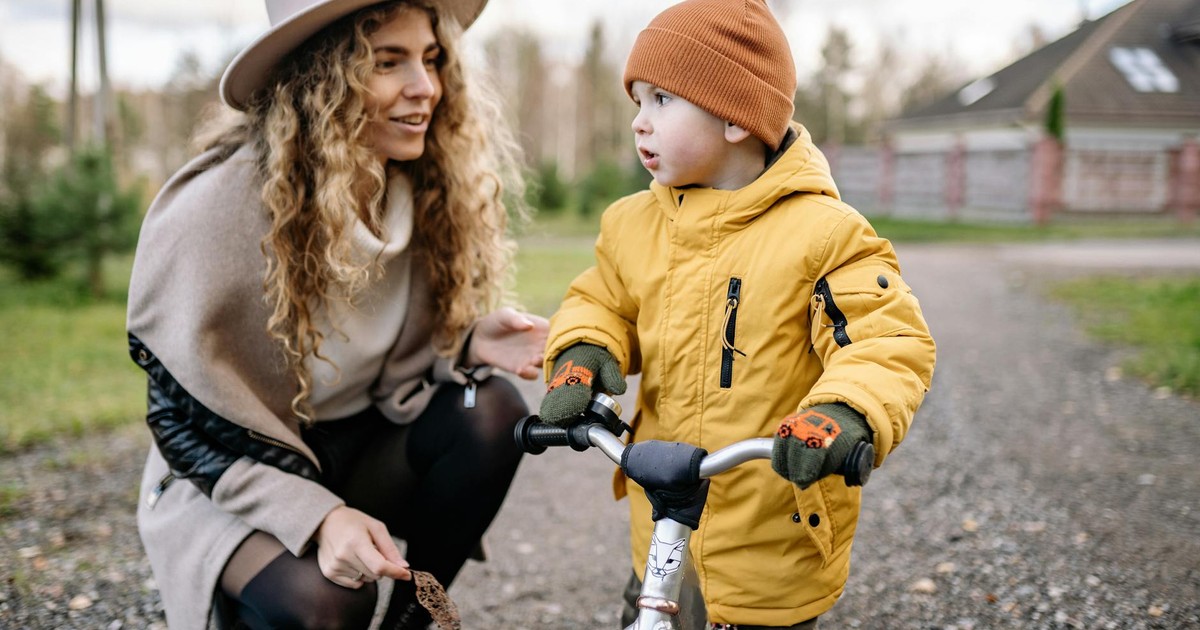
This is the one that looks most like cruelty from the outside and most like wisdom from the inside. The parent who watched a child struggle with something without immediately fixing it. Who said “figure it out” and meant it. Who let the science fair project be mediocre because the child waited until the night before. Who didn’t call the teacher about the friend drama and instead said, at dinner, “what do you think you could do differently?”
What those parents understood, even if they couldn’t have named the research behind it, is that a child who has never experienced manageable failure has no actual evidence that they can survive it. The first time they encounter a real setback in adulthood – the job they don’t get, the relationship that ends badly, the semester that falls apart – they have no template. They have only the anxiety of total novelty. Educators and child development specialists increasingly point to resilience, alongside respect and responsibility, as one of the three foundational qualities that foster a genuinely supportive environment for children and youth. Resilience, crucially, is not a personality trait you’re born with. It’s built from accumulated experience of having gotten through things.
The parents who were good at this weren’t cold. That’s the thing that gets lost in the retelling. They were present, they were loving, they were paying close attention. They just understood that the loving move wasn’t always the comfortable one. Watching your child cry over a friendship that fell apart is genuinely hard. Saying “I know, and I think you’ll be okay” instead of “let me go fix this” takes a specific kind of nerve that doesn’t get celebrated often enough.
The grown children of parents who got this right tend to describe themselves in a particular way. Not fearless – they still feel afraid. But functional in the presence of fear. They’ve been scared before and it passed. They made a mistake before and the world didn’t end. They know what their own coping looks like because they’ve had occasion to observe it from the inside, repeatedly, under relatively low-stakes conditions where a caring adult was nearby but not intervening. That’s an extraordinary gift, and it looks nothing like a gift while it’s happening.
Read More: The Kids Who Need the Most Love Ask for It in the Most Unloving Ways
What These Three Have in Common

None of these lessons require a parenting book, a methodology, or a philosophy with a name. What they require is a parent who is paying close enough attention to treat their child as a person in development rather than a project to be managed or a reflection to be protected. Responsibility, respect, and the capacity to recover from failure are not personality traits children either have or don’t. They are things that get built, quietly and consistently, through thousands of small moments that don’t look like teaching while they’re happening.
The parents who did this well were not perfect. They lost their tempers. They got it wrong sometimes. They probably had their own unresolved things that occasionally made an appearance at the dinner table. What they did, on balance, was treat their children as people who were capable of more than they were currently demonstrating – and then waited, sometimes impatiently, for the child to catch up to that assessment. That gap, between who the child is right now and who the parent already believes them to be, is one of the more generative spaces a childhood can contain. The kids who grew up in it tend to spend the rest of their lives trying to live up to it. In the best possible way.
AI Disclaimer: This article was created with the assistance of AI tools and reviewed by a human editor.