

Loneliness has always been part of the human condition, but something has shifted. Not the feeling itself, but its scale, its stubbornness, and its unsettling refusal to respond to the things that should, by all logic, be fixing it. People are more connected than at any point in recorded history – more devices, more platforms, more ways to reach another person at 2 a.m. on a Tuesday – and yet researchers, clinicians, and public health officials are describing what they are seeing as an epidemic. A public health emergency. A crisis that carries measurable consequences for cardiovascular health, cognitive function, and lifespan.
The outdoor walks loneliness connection, quietly building in the research literature over the past decade, is now attracting serious scientific and policy attention. The premise sounds almost too simple: that stepping outside, walking through a park, a trail, a tree-lined street, or even an ordinary neighborhood, can interrupt the cycle of emotional disconnection in ways that no app, no notification, and no algorithmically curated community feed appears capable of replicating. But the evidence base behind that premise has grown considerably, and the implications reach well beyond lifestyle advice.
This report examines the current state of loneliness in the United States, the neurological and psychological mechanisms by which outdoor walking appears to reduce it, the evolving role of digital connection in compounding the problem, and what the research suggests for individuals and communities looking for interventions that are accessible, low-cost, and immediately usable.
The Scale of the Problem: Loneliness in America in 2025 – 2026
The data on American loneliness in 2025 and 2026 paints a picture that is difficult to minimize. Loneliness and emotional disconnection appear to have become a defining feature of life in America, with a majority of U.S. adults reporting that societal division is a significant source of stress, and more than six in ten saying they experience loneliness, while 54% report feeling isolated and 50% report lacking companionship often or some of the time. These figures come from the American Psychological Association’s 2025 Stress in America survey, which surveyed more than 3,000 adults across all demographics.
Among those surveyed, nearly seven in ten – 69% – said they needed more emotional support in the past year than they received, an increase from 65% in 2024. The trend line is moving in the wrong direction.
The picture is particularly stark for adults in midlife and beyond. AARP’s most recent study on loneliness found that 4 in 10 U.S. adults age 45 and older are lonely, a significant increase from 35% in both 2010 and 2018. Adults in their 40s and 50s are especially vulnerable, facing unique pressures such as work stress, caregiving responsibilities, and changing family dynamics, and men now report higher rates of loneliness than women – 42% versus 37% – a shift from 2018’s gender parity.
Loneliness Is Not Simply About Being Alone
One of the most important clarifications in the current research is the distinction between solitude and loneliness. Social isolation is an objective condition, while loneliness is the emotional state that arises from it. Loneliness can be a normal part of life – the distressing feelings we have when we have fewer social connections than we want and need. Being lonely is different from being alone, which might not be a bad thing; there may be times when we seek out solitude as an escape from stress.
This distinction matters enormously when evaluating the research on outdoor walks. A solo walk in nature is not social interaction in any conventional sense. Yet the evidence suggests it addresses loneliness not by replacing human contact, but by targeting the underlying neurological and psychological conditions that make loneliness so entrenched.
Harvard’s Making Caring Common project found that underneath loneliness may be a troubling mix of feelings – including anxiety, depression, and a lack of meaning and purpose – and that loneliness may not only be the cause but the result of a wide range of feelings that interact in complex ways. Among respondents who reported loneliness, 81% also reported anxiety or depression, and about 75% reported having little or no sense of meaning or purpose. Loneliness, in other words, is not a single-variable problem. It arrives embedded in a cluster of conditions that compound each other.
The Health Cost Is Not Abstract
According to the U.S. Surgeon General’s advisory on loneliness, social isolation increases the risk of premature death by 29 percent, equivalent to the impact of smoking 15 cigarettes per day. Loneliness also increases the risk of heart disease, stroke, and dementia, as well as other serious medical conditions.
Survey data from the APA’s 2025 study further revealed that those who experience high levels of loneliness were more likely to be struggling with physical and mental well-being, with the most common symptoms including feeling depressed or sad (65% of highly lonely respondents versus 15% of those with low loneliness), feeling nervous or anxious (60% versus 24%), fatigue (53% versus 24%), and headaches (48% versus 25%).
These are not soft metrics. They are clinical symptoms, and they cluster with loneliness at a rate that demands more than a self-help framing.
The Digital Paradox: Why More Connection Can Mean More Isolation

The mechanisms at work here are more specific than a general claim that phones are bad for social health. Passive consumption of social media, in particular, appears to reinforce feelings of disconnection, according to a policy brief from the European Commission’s Joint Research Centre examining the relationship between social media use and loneliness. The scrolling-without-engaging pattern – watching other people’s lives rather than participating in your own – operates differently in the brain than active interaction does. It produces the sensation of company without any of the biochemical or emotional rewards that genuine social contact delivers.
What the Research Actually Says
The research on social media and loneliness is more complicated than the popular narrative allows. A 2025 review published in the Annals of the New York Academy of Sciences found that social media use is only weakly related to trait loneliness, explains little variance in loneliness relative to other predictors, and does not account for longitudinal changes in loneliness scores – and that there is no evidence it causes loneliness, though on any given day, social media may be used to promote a sense of belonging but is not a reliable means of coping with loneliness in the long term.
However, individuals who reported more compulsive use of digital technology, or experiences of online victimization, were lonelier on average, suggesting that the types of experiences individuals encounter online may be more related to loneliness than using particular platforms per se.
The picture that emerges is one in which digital connection is not inherently destructive, but is structurally ill-suited to meeting the deeper needs that loneliness represents. It can maintain relationships that exist; it struggles to generate the felt sense of belonging that people who are lonely are actually missing.
The Science of Outdoor Walks and Loneliness
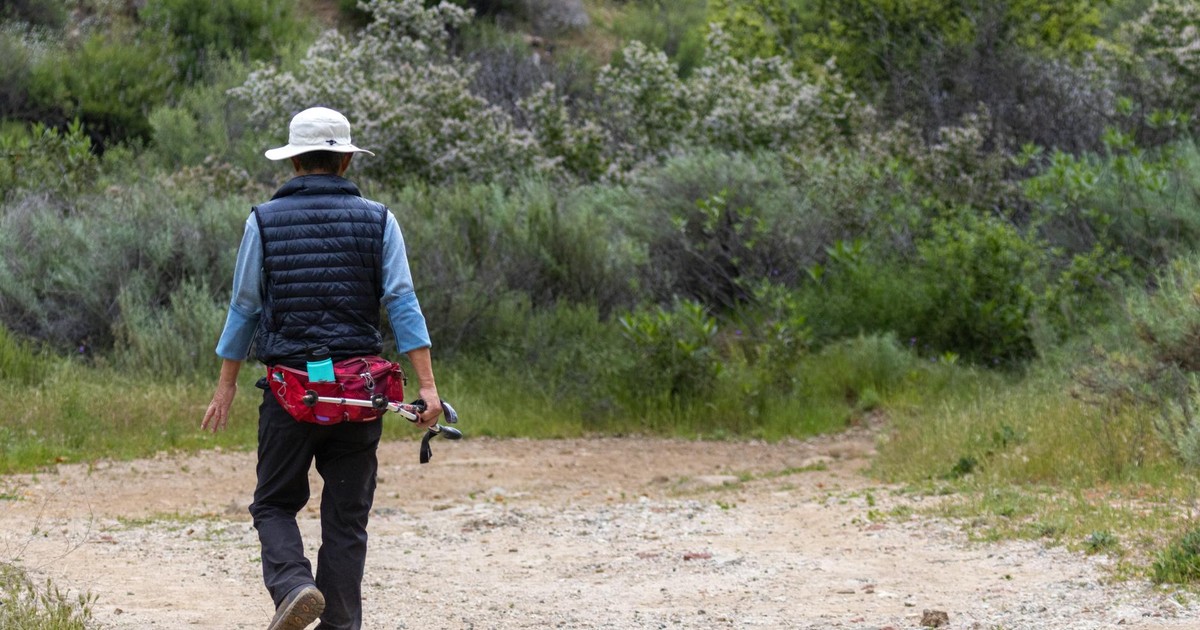
The outdoor walks and loneliness connection operates through several converging pathways, and understanding them requires looking at what walking in natural settings does to the brain and nervous system, not just what it does for mood in a general sense.
A 2022 meta-analysis from the University of Stavanger synthesized the existing controlled studies on nature walks as an intervention for depression and anxiety. The findings showed that nature walks effectively improve mental health, positively impacting both depression and anxiety, with results confirmed both within groups (pre- and post-test) and between groups (experimental versus control). Nature walks were identified as a cost-effective and inclusive method for exploiting the health benefits of natural environments.
The neurological explanation draws on Attention Restoration Theory, developed by environmental psychologists, which holds that the kind of attention required to move through a natural setting – soft, involuntary, diffuse – is categorically different from the directed, effortful attention that digital screens and urban environments demand. When the directed attention system gets a genuine break, rumination – the repetitive negative thought patterns strongly associated with loneliness – loses its grip. The brain is not suppressing anxious thoughts; it is simply occupied with something else entirely.
12 Weeks Is All It Takes
Researchers evaluating a nature-based program of activities for patients with mild to moderate mental health conditions demonstrated that improvements in mood and anxiety levels can be seen in as little as 12 weeks. As part of the UK government’s green social prescribing initiative, seven test sites were identified across England, with the program in Humber and North Yorkshire being the first to publish results; green social prescribing involves a healthcare professional referring a patient to community-based nature activities to improve health and wellbeing beyond medical treatments.
The significance here is not only the speed of effect but the mechanism: these were not social programs in the conventional sense. Many participants engaged with the natural environment in largely solitary or loosely structured ways. The improvement in emotional wellbeing preceded, in many cases, any meaningful increase in social contact. This is the key point: outdoor walks and time in nature appear to create the internal conditions – reduced anxiety, improved mood, a greater sense of meaning – under which social reconnection becomes possible. They do not replace human connection; they restore the capacity for it.
Nature vs. Urban Walking: Does Environment Matter?
The research makes a distinction that is worth examining carefully, because it changes the practical guidance for anyone looking to use outdoor walks as a tool against loneliness. A 2025 systematic review and meta-analysis comparing the impact of walking in natural versus urban environments on depression and anxiety analyzed ten studies encompassing 457 participants. An increase in heart rate often corresponds to an increase in the severity of depression and anxiety, and the research indicated that walking in an urban environment leads to a significant increase in heart rate compared to pre-walking levels, accompanied by an increase in anxiety and depression severity.
This finding does not mean that a walk around a city block offers no benefit. Movement itself is physiologically useful. But it does suggest that the nature component of nature walking is doing real independent work – that trees, water, open sky, birdsong, and the sensory texture of a green environment are contributing something the pavement and traffic simply are not.
Outdoor Walking as a Loneliness Intervention: Who It Reaches
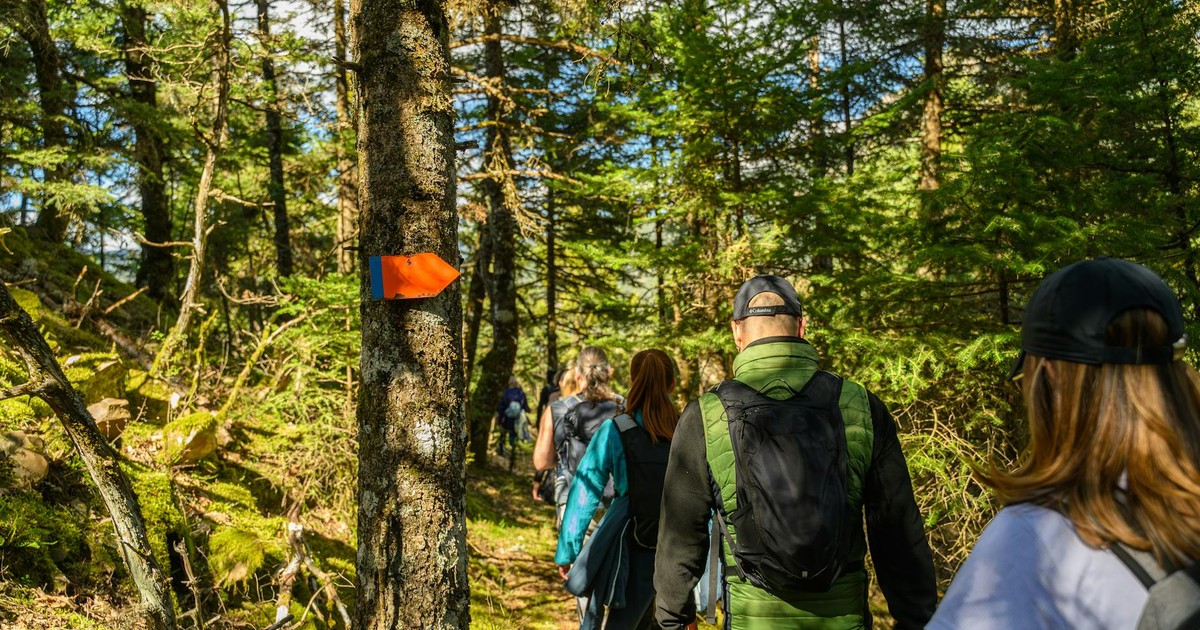
One of the most frequently cited advantages of outdoor walking as an intervention strategy is its accessibility. Unlike many mental health treatments, it requires no referral, no insurance coverage, no specialist, and no particular level of fitness. Research has consistently found that the benefits appear at relatively low doses of time and intensity – ordinary walks in ordinary parks, done consistently, rather than demanding wilderness excursions.
Research from RMIT University showed that participation in outdoor activities helps overcome loneliness and improve connection, with findings demonstrating that outdoor activities significantly reduce feelings of isolation and foster a strong sense of belonging and connection within communities. The RMIT study focused specifically on culturally and linguistically diverse women, a group that faces compounded barriers to traditional social connection and mental health services. The outdoor context, the researchers found, created opportunities for connection that formal social programs had failed to produce.
Researchers have also noted that investing in the development of green spaces such as parks, gardens, and trails is one proven way to build social cohesion and connection within urban areas – a finding that carries significant implications for urban planning and municipal policy.
Group Walks vs. Solo Walks
The research suggests that both group and solo outdoor walking produce benefits for loneliness and emotional wellbeing, but through different pathways and to different degrees. Group walks – organized community walks, health walk programs, ramblers’ groups – add a social dimension that amplifies the effect. The structure of walking side by side, rather than sitting face to face, appears to lower the social pressure that makes some people avoid direct social interaction; conversation becomes a byproduct of shared movement rather than the explicit purpose.
Solo outdoor walks, while showing a more modest effect on loneliness in some studies, appear particularly important for the subset of lonely individuals who are not yet ready for social settings, who are in the recovery phase from burnout or social anxiety, or who live in areas where organized group activities are not readily available. The evidence base for solo walking as a starting point – a form of accessible, pressure-free engagement with the world – is meaningful enough to justify recommending it even in the absence of a group.
The Dose Question
The research does not yet support a single definitive prescription – twenty minutes, three times a week, at this pace, in this kind of setting. What it does support is the consistent finding that the dose required to produce measurable mental health benefits is lower than most people assume. Five minutes of outdoor exposure begins to shift cortisol levels (the body’s primary stress hormone). Fifteen to twenty minutes in a green environment produces measurable reductions in self-reported anxiety. The twelve-week programs referenced above involved activities that most participants described as ordinary and manageable, not strenuous or time-consuming.
The practical implication is that the barrier to entry is far lower than the problem’s severity might suggest – though that observation carries its own complexity, because one of the symptoms of severe loneliness is a loss of motivation and a diminished capacity to initiate the very activities most likely to help.
Policy, Prescription, and the Path Forward

The idea that outdoor activity in natural settings can function as a medical intervention – not a supplement to treatment but a formal, referral-based component of care – has moved from the margins to the mainstream of public health policy in several countries. The UK’s green social prescribing program, the results of which are beginning to be published in peer-reviewed literature, represents the most developed institutional example. Under this model, primary care physicians and mental health professionals refer patients to community-based nature activities with the same intentionality they would bring to a medication prescription.
The evidence backing this approach is growing, and the economic argument is compelling. Loneliness carries an enormous financial burden. Social isolation among older adults alone accounts for an extra $6.7 billion in Medicare spending each year. An intervention that is free at the point of use, scalable, and supported by an expanding evidence base represents a genuinely unusual opportunity.
The Limits of the Evidence
Intellectual honesty requires stating the limitations clearly. The research on outdoor walks and loneliness is encouraging, but it is not settled science. Sample sizes in many studies remain small. Long-term follow-up data is limited. The mechanisms by which nature exposure produces psychological benefits are well-theorized but not exhaustively proven. The distinction between correlation and causation remains relevant: people with better mental health may be more likely to go outdoors, rather than outdoor activity exclusively causing better mental health.
What the research does support, without serious dispute, is a consistent direction of effect: outdoor walking in natural settings produces measurable improvements in the emotional and psychological states most closely associated with loneliness, and it does so at a dose and intensity level that is accessible to a broad population. That is not a small claim.
Key Takeaways

The loneliness data from 2025 and 2026 is unambiguous in its direction: rates are high, the demographic spread is wide, the health consequences are severe, and the tools most readily available – digital platforms, social media, remote communication – are inadequate to the depth of the problem for many of the people experiencing it most acutely.
The outdoor walks and loneliness research does not offer a cure. It offers something more honest and arguably more useful: a mechanism for interrupting the cycle of anxious rumination, low mood, and social withdrawal that keeps loneliness entrenched, even when the structural conditions for connection exist. It restores the internal capacity for engagement. It is accessible, scalable, evidence-backed, and requires nothing except a pair of shoes and, where possible, a patch of green.
The most important practical implication of the research is the accessibility point. The programs showing the clearest benefits are not extreme, expensive, or specialized. They are ordinary outdoor routines, done consistently, in natural settings that need not be spectacular. A neighborhood park works. A tree-lined street works. The goal is not wilderness immersion – it is a regular, sustained break from the overstimulated, screen-mediated, perpetually directed-attention mode in which most contemporary life is conducted.
What the Science Keeps Coming Back To

What the science consistently returns to is this: loneliness is not simply a shortage of people. It is a state in which the capacity to feel genuinely connected has been eroded – by stress, by overstimulation, by the accumulated weight of emotional exhaustion. Outdoor walking appears to address that erosion directly, in the brain, before any social interaction has even occurred. That is why it is drawing the attention it is drawing. And that is why the research, still accumulating, still imperfect, still working toward larger and more rigorous studies, is worth taking seriously right now.
There is something quietly pointed about the fact that the intervention showing the most consistent results is also the most ancient and the most free. No subscription. No waitlist. No prior experience required. You do not have to believe it will work. You do not have to feel ready. The research suggests that a twenty-minute walk in a green space does its work whether you are hopeful about it or not – and that, for anyone who has spent time inside the fog of real loneliness, is not nothing. It is, in fact, exactly the kind of news that is worth sitting with.
Disclaimer: This information is not intended to be a substitute for professional medical advice, diagnosis, or treatment and is for information only. Always seek the advice of your physician or another qualified health provider with any questions about your medical condition and/or current medication. Do not disregard professional medical advice or delay seeking advice or treatment because of something you have read here.
AI Disclaimer: This article was created with the assistance of AI tools and reviewed by a human editor.