

You’ve probably been told at some point to take your vitamin D. Your doctor mentioned it, a friend swore by it, or you saw it on a list of things every adult should be doing. It’s one of those supplements that feels so safe and sensible you barely think twice about tossing it in your shopping cart. And fair enough – vitamin D genuinely matters. It helps your body absorb calcium, supports your immune system, and plays a role in how your bones stay strong. It even has a nickname: the sunshine vitamin. Hard to sound more wholesome than that.
But here’s where things get interesting. If you or someone in your household is dealing with cholesterol concerns – which, let’s be honest, comes up more often than we expect when we hit our 30s and 40s – you might have started wondering whether vitamin D has any role to play there, too. Maybe you’ve read a headline suggesting it could help lower your levels. Maybe someone told you it’s basically a gentle, natural approach to better cholesterol health. Maybe you’re already taking vitamin D supplements and quietly hoping they’re doing double duty.
The honest answer is that the relationship between vitamin D and cholesterol is real, genuinely fascinating, and also a lot more complicated than most wellness articles let on. The science doesn’t line up into a tidy “take this, fix that” story. It actually goes in several directions at once, sometimes contradicting itself, and the details matter quite a bit depending on who you are. So here’s what the research actually says about vitamin D cholesterol levels – including the parts that might surprise you.
Why Vitamin D and Cholesterol Are Connected in the First Place
Before getting into the data, it helps to know that vitamin D and cholesterol aren’t just distantly related health topics that happen to come up at the same doctor’s appointment. They’re chemically linked. When your body makes vitamin D from sunlight, the process starts with a form of cholesterol called 7-dehydrocholesterol. In other words, cholesterol is actually a raw ingredient in vitamin D production. The two share the same metabolic real estate.
The biological connection goes even deeper than that. The active form of vitamin D binds to a receptor inside cells called the Vitamin D Receptor (VDR), which then acts as a kind of switch for gene expression. One of the key things it regulates is the conversion of cholesterol into bile acids in the liver – and by encouraging that process, sufficient vitamin D may help the body clear more cholesterol from the bloodstream.
On top of that, vitamin D has been observed to inhibit HMG-CoA reductase – the same enzyme that cholesterol-lowering statin drugs target. That’s not a small thing. It suggests there may be a mechanism by which vitamin D influences how much cholesterol your body actually produces, not just how it gets cleared. None of this proves taking a supplement will fix your numbers – but it does explain why researchers have been interested in this connection for decades.
Does Vitamin D Raise or Lower Cholesterol? Here’s the Real Answer
This is where the honest answer gets complicated. When it comes to how vitamin D affects cholesterol levels, the research doesn’t give us a single clean verdict – and anyone claiming otherwise hasn’t read enough of it.
A 2023 study of 15,600 people found that people with lower vitamin D levels are more likely to have high cholesterol, though this doesn’t prove a cause-and-effect relationship. That distinction is important. People with good vitamin D levels tend to have healthier cholesterol levels overall – but that could be because they’re generally healthier people who spend more time outdoors, eat better diets, and exercise more. The vitamin D itself may not be doing the heavy lifting.
When it comes to actual supplementation trials, the picture gets more interesting. A 2025 meta-analysis and systematic review of randomized controlled trials found that in overweight and obese women, vitamin D supplementation produced significant reductions in triglycerides and total cholesterol, as well as a meaningful increase in HDL cholesterol – the good kind.
But a 2025 meta-analysis published in Diabetology & Metabolic Syndrome complicates that picture considerably. That analysis of 25 randomized controlled trials found that vitamin D supplementation did not significantly affect triglycerides, total cholesterol, HDL cholesterol, or LDL cholesterol across the board. The catch is buried in the subgroup data. When researchers looked more closely, they found that HDL cholesterol did increase significantly in people with diabetes, while LDL cholesterol was elevated in younger adults and males – suggesting that population-level averages may hide effects that are very real and clinically relevant for certain groups.
The Subgroup Story: Your Results May Vary
This is perhaps the most underreported part of the vitamin D and cholesterol conversation: your gender, your baseline health, and how deficient you actually are all appear to shape what happens when you supplement.
A 2025 cross-sectional study in a healthy Chinese population found that vitamin D deficiency was significantly associated with high LDL cholesterol specifically in females – an association that was not observed in males. The researchers suggested this may be due to differences in fat distribution and hormonal influences on lipid metabolism, which points toward a need for sex-specific approaches to this issue.
Baseline triglyceride levels also matter. A stratified analysis from the same 2025 Nutrition Reviews meta-analysis found a substantially greater triglyceride reduction in participants who started with triglyceride concentrations at or above 150 mg/dL, and in trials where vitamin D was taken for 26 weeks or less. Translation: if your triglycerides are already elevated and you start supplementing with vitamin D, you may see a noticeably bigger benefit than someone whose levels are already healthy. Timing and starting point both appear to be key moderators.
The Twist: Sometimes Vitamin D Can Actually Raise LDL
Here’s the part that tends to get left out of the wellness-blog version of this story. There’s evidence that in some circumstances – particularly in the short term and when correcting a significant deficiency – vitamin D supplementation can actually push LDL cholesterol up rather than down.
Research published in Arteriosclerosis, Thrombosis, and Vascular Biology found that when vitamin D repletion raised calcium levels in the blood and decreased parathyroid hormone (PTH), those two physiological responses were significantly correlated with an increase in LDL cholesterol. Parathyroid hormone is a hormone your body releases when calcium is low, and when vitamin D brings both back to normal, the body’s lipid metabolism appears to shift in response – not always in a favorable direction initially.
This doesn’t mean supplementing with vitamin D is dangerous for your cholesterol health. But it does mean that short-term changes in your LDL numbers after starting a vitamin D supplement may not tell the full story. It also reinforces why talking to your doctor before using supplements to manage any aspect of your cardiovascular health is genuinely important, not just the obligatory disclaimer you scroll past.
What Vitamins Should Not Be Taken with Cholesterol Medication?
This is one of the most practically important questions for anyone who’s already on statins – medications like Lipitor (atorvastatin) and Zocor (simvastatin) that are prescribed to lower cholesterol. And it’s a question worth taking seriously, because the supplement industry doesn’t come with the same warnings that your pharmacist does.
When it comes to statins, several supplements should be treated with caution, including vitamin B3 (niacin), red yeast rice, and St. John’s wort. Combining these with statins can affect how well the medication works or increase your risk of side effects.
The relationship between vitamin D specifically and statins is more nuanced. Long-term statin therapy can actually deplete certain micronutrients, including vitamin D itself – though not every person on statins develops these deficiencies. There’s also some research suggesting vitamin D may influence how statins behave in the body, which is why it appears on lists of supplements worth discussing with your prescriber if you’re on cholesterol medication. Some research suggests that vitamin D supplements could help reduce the risk of muscle problems – a common statin side effect – while another study found no such benefit. The bottom line is that it’s worth discussing with your doctor or pharmacist before adding any vitamins to your regimen if you’re already on a statin.
Read More: Lifesaving cholesterol discovery could prevent heart disease and stroke
How Much Vitamin D Is Too Much?
Vitamin D is a fat-soluble vitamin, which means your body doesn’t flush out the excess the way it does with water-soluble vitamins. It accumulates. Because vitamin D doesn’t dissolve in water, it can’t be excreted through urine – instead, excess vitamin D builds up in body tissues and the bloodstream. In rare cases, taking a supplement containing too much can be toxic, leading to a condition called hypercalcemia, where too much calcium accumulates in the blood and can potentially form deposits in the arteries or soft tissues.
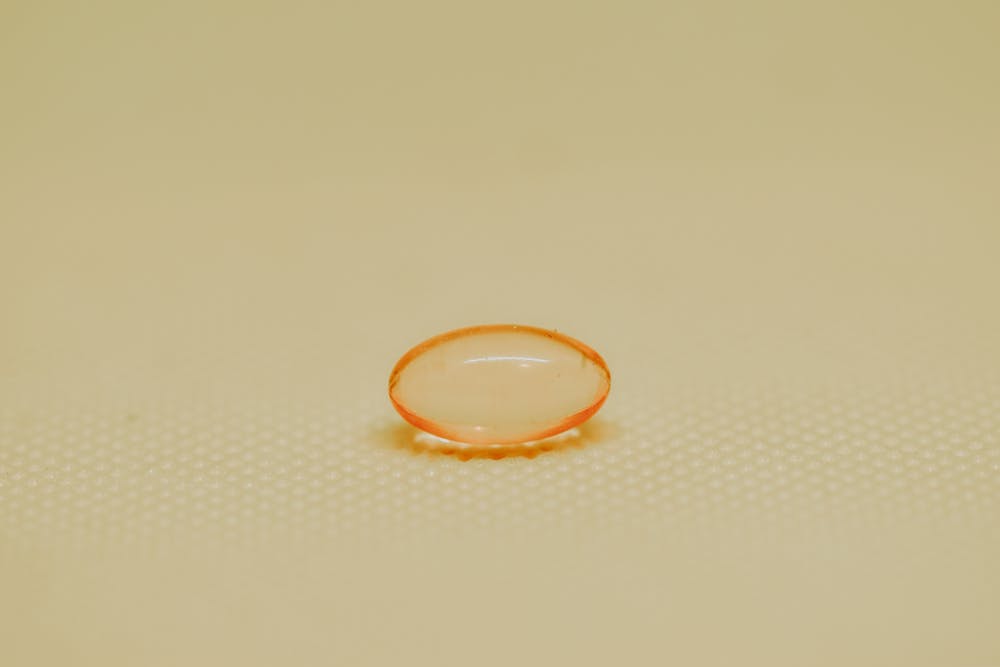
According to Mayo Clinic, taking more than 4,000 IU of vitamin D per day may cause upset stomach, vomiting, weight loss, muscle weakness, cognitive difficulties, heart rhythm issues, and kidney stones. Those are not trivial side effects for a supplement that’s often treated as completely harmless.
The Endocrine Society’s 2024 guidelines state that healthy adults under age 75 don’t need to take vitamin D supplements, and recommend them specifically for children ages 1 to 18, adults 75 and older, pregnant women, and people with high-risk prediabetes. That doesn’t mean supplementing is wrong if you have a diagnosed deficiency – it just means that more isn’t always better, and that routine mega-dosing without a clinical reason isn’t supported by the current evidence.
Can Taking Vitamin D Lower Bad Cholesterol?
The most honest answer: possibly, in specific populations, under specific conditions. An umbrella review of 25 meta-analyses found that vitamin D significantly decreased triglyceride levels and supports vitamin D supplementation as a beneficial adjuvant therapy – meaning a supportive addition to other treatment – in managing lipid profiles, especially in individuals with vitamin D deficiency.
The key phrase there is “especially in individuals with vitamin D deficiency.” The people who seem most likely to see a positive effect on their cholesterol from vitamin D supplementation are those who were genuinely deficient to begin with. For people with adequate levels already, the cholesterol benefits are less clear and potentially nonexistent.
Researchers have noted that vitamin D may play a role in regulating how the body metabolizes lipids like cholesterol – but regulating and dramatically improving are two very different things. Vitamin D is not a substitute for the lifestyle changes and, where necessary, medications that are known to move the needle on cholesterol health in a meaningful way.
5 Tips for Lowering Cholesterol

Understanding the picture with Vitamin D and how it’s related to cholesterol is useful, but it’s one piece of a much bigger puzzle. Here are five evidence-backed strategies that will actually move your cholesterol numbers.
1. Cut back on saturated fat – genuinely. A few changes in your diet can lower your LDL cholesterol, starting with saturated fats. These are found mostly in red meat and full-fat dairy products, and they raise your total cholesterol – particularly the LDL, often called “bad” cholesterol. Eating less saturated fat has a direct and meaningful impact on those levels.
2. Move your body for at least 30 minutes most days. Regular exercise can help raise HDL cholesterol – the good kind – and working up to at least 30 minutes of activity like brisk walking five days a week, or vigorous aerobic exercise like running or fast cycling for at least 25 minutes three times a week, is a well-supported target. Even short bursts of activity throughout the day can have a positive effect on cholesterol levels.
3. Load up on soluble fiber. Soluble fiber helps block some cholesterol from being absorbed into your bloodstream. Foods like oatmeal, kidney beans, Brussels sprouts, apples, and pears are all solid sources. Aiming for 10 to 25 grams of soluble fiber per day is the target recommended by the National Heart, Lung, and Blood Institute.
4. Stop smoking, or don’t start. Smoking lowers HDL cholesterol – the protective kind – and increases your risk of heart disease while also affecting brain health. This one isn’t a “nice to have.” Quitting smoking is one of the most powerful individual changes you can make for cardiovascular health.
5. Consider the Mediterranean-style eating pattern. Strong evidence suggests that a diet high in monounsaturated fats – such as the Mediterranean diet – may help reduce harmful LDL cholesterol and increase healthy HDL cholesterol. Polyunsaturated fats from foods like fatty fish may also reduce LDL cholesterol and decrease the risk of heart disease. This isn’t about perfection – it’s about a general shift toward whole foods, healthy fats, and less processed everything.
What This Means for You
The relationship between vitamin D and cholesterol is real, but it’s not simple. If you’re low in vitamin D, there’s reasonable evidence that correcting that deficiency could have positive ripple effects on your triglycerides and possibly your HDL cholesterol – particularly if you’re a woman, or if your triglycerides were already elevated. But vitamin D is not a cholesterol treatment. Treating it like one means potentially overlooking the interventions that are actually proven to work.
According to national health data, approximately 18.5% of US adults report taking vitamin D supplements, yet nearly two-thirds of Americans still have suboptimal vitamin D levels – which tells you that supplements alone aren’t closing the gap. Sun exposure, diet, and overall lifestyle all factor in. If you’re concerned about both your vitamin D and your cholesterol, the smartest move is a blood panel to see where you actually stand, a conversation with your doctor about what your numbers mean for you specifically, and a plan that addresses both – rather than hoping one supplement is doing the work of a comprehensive health strategy.
Disclaimer: This article was created with AI assistance and edited by a human for accuracy and clarity.