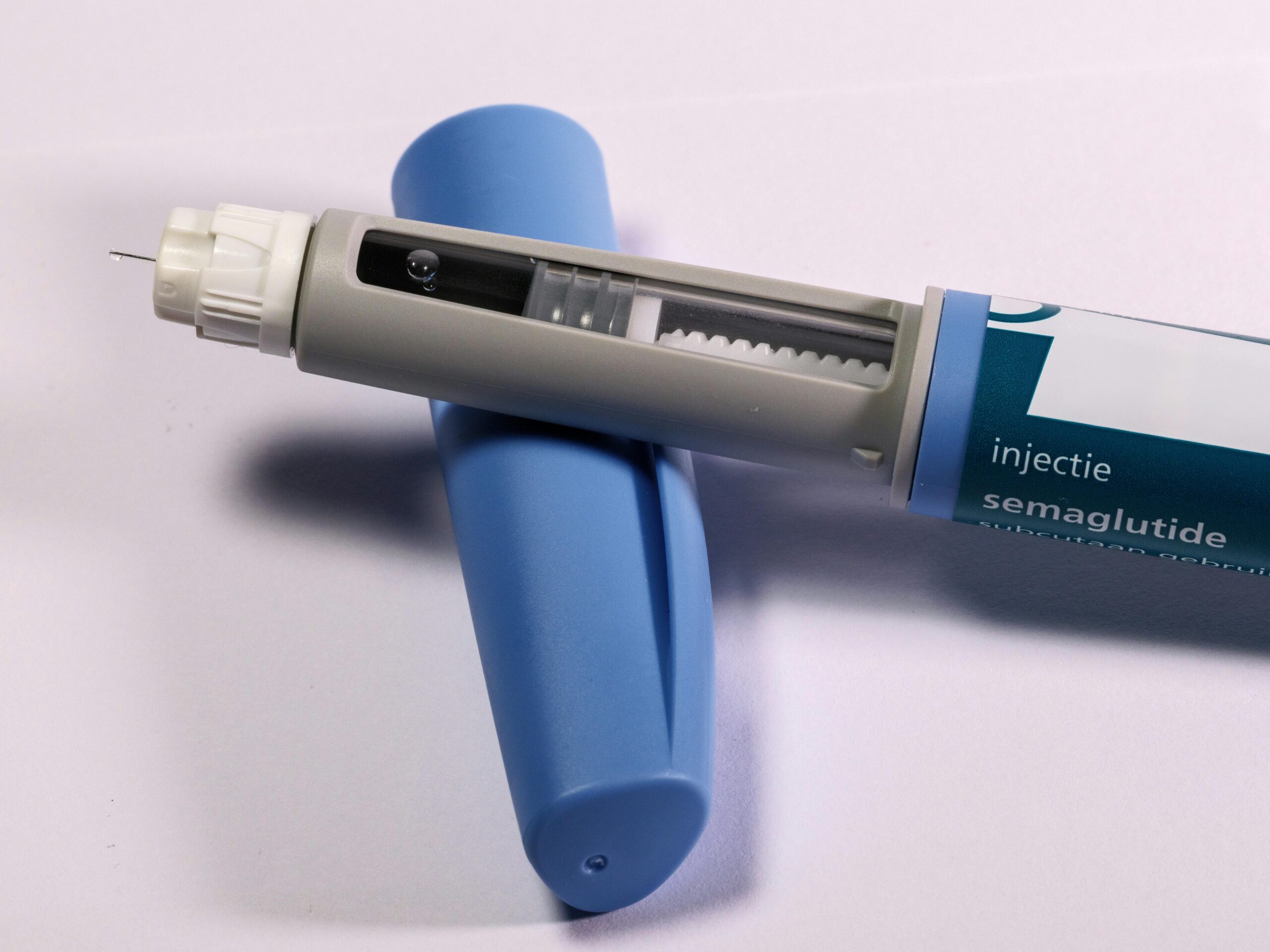

You probably know at least a handful of people on Ozempic right now. Maybe it’s a sister who mentioned it at Christmas. A coworker whose lunch portions suddenly got interesting. Or maybe it’s you. These medications have gone from a niche diabetes treatment to a cultural flashpoint almost overnight, and the conversations about them are happening everywhere – at school pickup, in group chats, in gym locker rooms, in quiet moments of “should I ask my doctor about this?”
And most of those conversations, honestly? They focus on the wins. The weight loss, the health improvements, the idea that something might finally be working. But tucked inside the fine print of this revolution is a safety question that’s gotten a lot less airtime than the before-and-after photos. A question that matters a lot if you’re planning any kind of surgery or procedure – even a routine one.
So let’s talk about it. Not to scare you, and not to tell you these medications are dangerous (that’s not the story here). But because knowing this information could genuinely matter for you or someone you love, and nobody’s putting it on TikTok.
Why Are These Weight Loss Drugs So Popular Lately?
Drugs like Ozempic and Wegovy are used by a wider range of people than many assume. Originally developed to treat type 2 diabetes, they are now commonly used by adults dealing with obesity or weight-related health risks. This includes people with high blood pressure, insulin resistance, or a family history of metabolic conditions. In the past year, usage has expanded beyond medical necessity into lifestyle-driven demand. Some users are not clinically obese but are seeking faster weight loss results, often influenced by social media trends and celebrity visibility.
The sharp rise in popularity is tied to a few key factors. First, clinical results have been more consistent than older weight-loss drugs, making them more appealing to both doctors and patients. Second, public awareness has increased through platforms like TikTok, where users openly document rapid transformations. Third, there has been a shift in how obesity is viewed, more as a chronic condition than a personal failure, which has reduced stigma around medication use.
At the same time, supply shortages and high costs have not slowed demand. Instead, they have reinforced the perception that these drugs are highly effective. As a result, Ozempic and Wegovy have moved from niche medical treatments into mainstream conversation, particularly over the past year.
What Is The Risk That Was Discovered?
Before we get into the risk angle, let’s make sure we’re speaking the same language. Because GLP-1 drugs delay stomach emptying, which can cause significant adverse gastrointestinal symptoms such as nausea, vomiting, constipation, and bloating, there may be residual food in the stomach that increases the risk for regurgitation and aspiration into the airways and lungs during general anesthesia and deep sedation – which can potentially cause aspiration pneumonia. Aspiration pneumonia, for the record, is exactly what it sounds like: a lung infection caused by aspirated material, and it can be serious or even life-threatening.
The key thing to understand here is the mechanism. Ozempic and Wegovy are in a class of medications known as GLP-1 receptor agonists, which mimic a hormone released from your digestive tract called glucagon-like peptide-1 (GLP-1) – a hormone that helps lower blood sugar and promotes a feeling of fullness. That fullness effect? It works partly by slowing down how quickly your stomach empties food into your intestines. Great for appetite control. Potentially tricky when you’re about to go under for surgery.
Pulmonary aspiration – which sounds alarmingly medical – just means stomach contents (food, liquid, acid) getting inhaled into the lungs, usually when you’re unconscious or sedated. Your body’s normal reflexes that prevent this from happening are switched off when you’re under general anesthesia or deep sedation, which is why surgeons and anesthesiologists are very careful about when you last ate before any procedure.
What the FDA GLP-1 Drug Safety Review Found
Here’s where the GLP-1 drug safety study gets specific. In November 2024, the Ozempic label was officially changed to add a warning related to pulmonary aspiration during general anesthesia or deep sedation. That label change wasn’t cosmetic – it followed a significant review of real-world patient data.
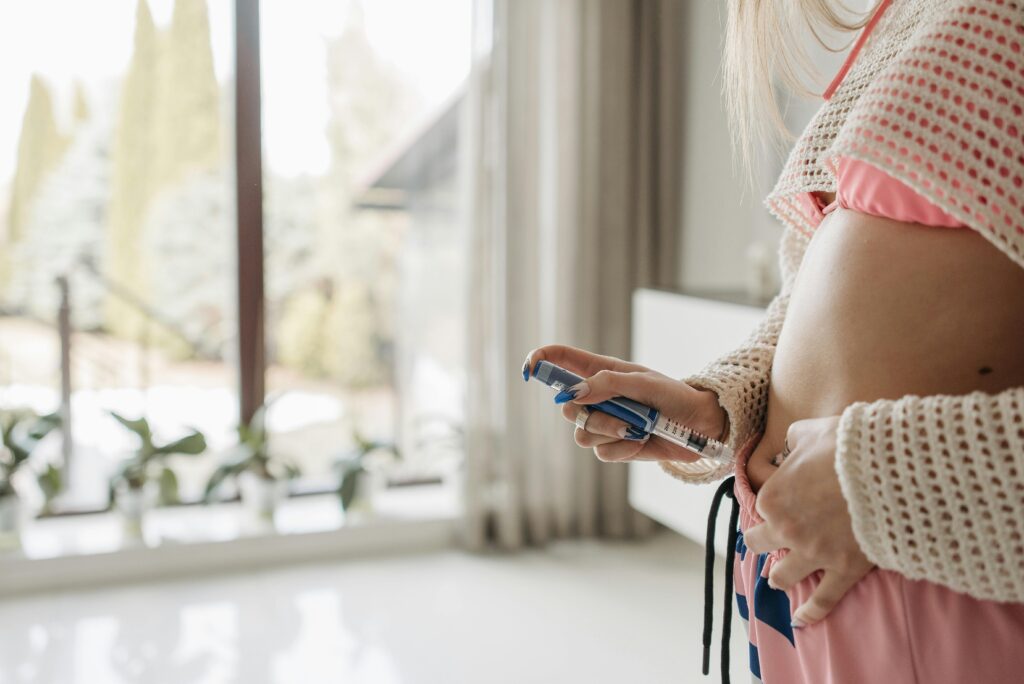
Studies report documented pulmonary aspiration in patients receiving GLP-1 receptor agonists who were undergoing elective surgeries or procedures requiring general anesthesia or deep sedation, and who had residual gastric contents despite reported adherence to preoperative fasting recommendations. That last part is important: these were patients who followed the rules. They fasted as instructed. And yet their stomachs weren’t empty when it counted most. That’s the core of the concern – that the standard “don’t eat after midnight” advice may not be enough if your stomach is being actively slowed down by a medication.
GLP-1 drugs like Ozempic, Wegovy, and Mounjaro all delay gastric emptying, increasing the risk for pulmonary aspiration. The warning wasn’t limited to semaglutide. While requiring the new warning, the FDA makes no specific recommendations on how to reduce the risk – which is a little unsatisfying, but also honest. The research is still catching up to the scale of how many people are now taking these medications. Available data are insufficient to inform specific recommendations to mitigate the risk of pulmonary aspiration during general anesthesia or deep sedation in patients taking these medications, including whether modifying preoperative fasting recommendations or temporarily discontinuing the medication could reduce the incidence of retained gastric contents.
What does that mean in plain English? The FDA is saying: we know there’s a concern, we’re flagging it loudly now, and the medical community needs to handle this with care – but we don’t yet have a clean, universal fix.
The sheer scale of the population this affects makes the semaglutide aspiration risk worth taking seriously. An analysis using records from more than 40 million US patients highlights the surge in new GLP-1 receptor agonist use, with semaglutide dominating new prescriptions since 2020. When you’re dealing with tens of millions of patients – and those patients need dental work, gallbladder surgery, colonoscopies, knee replacements, and all the other procedures life throws at people – the math on even a small percentage of aspiration events becomes significant fast.
Is Ozempic Safe to Take Before Surgery?
This is probably the most practical question most people have, and the honest answer is: it depends, and you need to have a real conversation with your medical team before any procedure.
About one in eight U.S. adults now use GLP-1 drugs such as Ozempic, Wegovy, Saxenda, and Trulicity for diabetes, weight loss, or heart problems. That number is enormous, and it’s exactly why the guidance needs to be practical rather than blanket.
While some providers may believe it’s safest to pause the GLP-1 drug for surgery, they should consider whether the risk of delayed stomach emptying outweighs any risk that stopping the GLP-1 drug may have on the condition being addressed. The team should also consider factors including that withholding the drug may be resource-intensive, cost- or insurance-prohibitive, and risks other negative side effects such as impacting blood sugar levels.
Here’s what the guidance does recommend for patients at elevated risk: the medical team can minimize the risk of delayed stomach emptying by having the patient follow a liquid-only diet for 24 hours before surgery, adjusting the anesthesia plan to minimize aspiration risk, and using point-of-care ultrasound right before the procedure to assess stomach contents in patients at highest risk. For some patients, in some situations, pausing the medication for a period before surgery is still the right call. Current clinical practice guidance from the American Society of Anesthesiologists recommends that GLP-1 receptor agonists be preoperatively withheld according to their dosing schedules, with daily-administered agents withheld the day of the procedure and weekly-administered agents withheld for one week before the procedure.
The thing nobody should do? Just not tell anyone they’re on these medications. Patients are instructed to inform healthcare providers prior to any planned surgeries or procedures if they are taking these medications. Sounds obvious, but a lot of people take Ozempic off-label for weight loss and don’t think to mention it when they’re filling out surgical intake forms. That’s the gap that actually worries medical professionals most.
The Bigger Picture on GLP-1 Medication Risks
A quick note on what the research does and doesn’t show, because this is where things get interesting. Out of more than 210,000 patients reviewed in one meta-analysis, 0.16 percent of those in the GLP-1 agonist group experienced pulmonary aspiration compared with 0.12 percent in the placebo group – and the overall association was not statistically significant. That’s a small absolute difference, and the researchers noted that the numbers didn’t reach statistical significance. So we’re not talking about a widespread, high-frequency event. We’re talking about a rare complication that becomes more plausible under very specific circumstances – primarily, going under anesthesia while your stomach still has food in it that shouldn’t be there.
GLP-1 receptor agonists delay gastric emptying, a pharmacodynamic effect that contributes to appetite suppression but may increase residual gastric volume during procedures involving deep sedation or general anesthesia. A 2024 scoping review found seven comparative studies reporting higher rates of gastric content retention among GLP-1 receptor agonist users at 19 to 56 percent compared to non-users. The problem isn’t necessarily that aspiration is happening constantly – it’s that the stomach is retaining more food than expected, and that’s the precondition that makes aspiration possible in the first place.
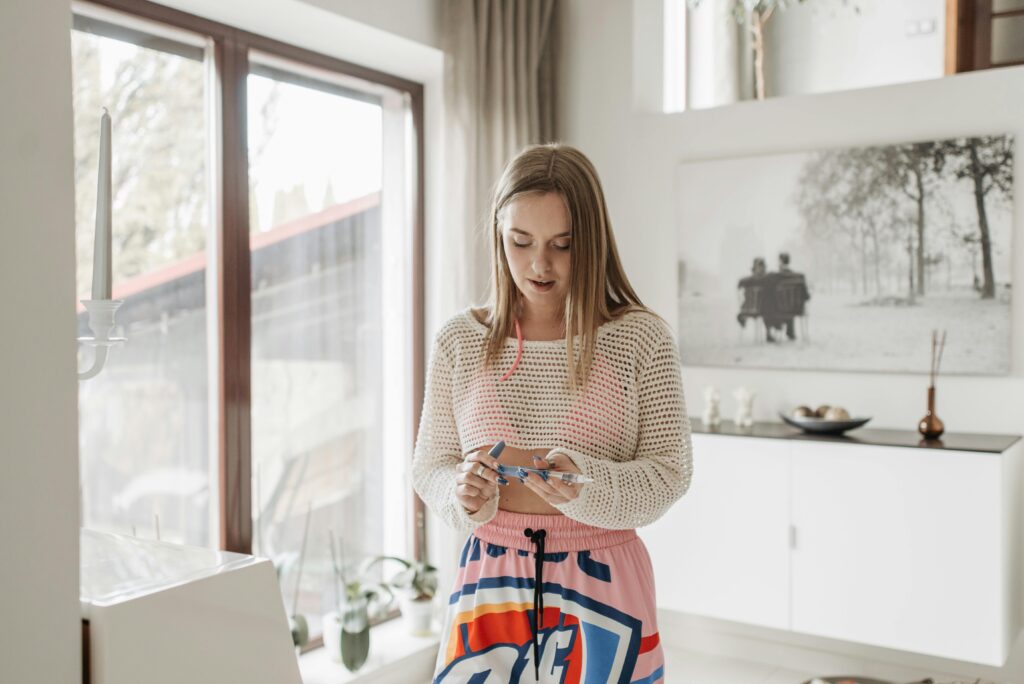
The broader Ozempic side effects conversation matters here too. Anti-obesity medications are now prescribed to an estimated 6 percent of Americans, with prescriptions nearly doubling each year since 2019. That’s a massive rollout of a medication class we’re still learning about in real-world conditions. The aspiration risk is one piece of that picture – alongside other known GLP-1 medication risks like nausea, vomiting, pancreatitis, and gallbladder disease – that deserves honest, calm discussion.
What makes this particular concern worth flagging clearly is that it’s situational. You’re not at elevated aspiration risk just by taking Ozempic on a Tuesday. The risk window is specific: elective surgeries or procedures requiring general anesthesia or deep sedation. Outside of those contexts, this isn’t a day-to-day concern for most users.
What You Should Actually Do With This Information
If you or someone in your household takes a GLP-1 medication – whether that’s Ozempic, Wegovy, Mounjaro, Trulicity, or any other drug in this class – here’s the practical version of all of the above.
First, any time a procedure comes up that involves sedation, mention the medication. Mention it on every intake form. Mention it again in the room. It doesn’t matter if the procedure feels minor or routine. Your anesthesia team needs to know. This is the single most important action item in this entire article.
Second, ask questions. Ask your doctor or surgeon specifically whether your GLP-1 medication needs to be paused, and for how long. Ask whether a liquid diet before the procedure is recommended in your case. The guidance is not one-size-fits-all, which means the conversation needs to happen between you and someone who knows your specific health situation – not just a general internet search.
Third, don’t panic. The FDA drug safety review flagging this concern is the system working correctly. The label change, the updated multi-society guidance, the ongoing research – all of that is how medicine is supposed to respond when a new class of widely-used drugs introduces questions that weren’t there before. Millions of people are taking GLP-1 medications and navigating life, including surgeries, safely.
The Bottom Line on the Risk
Keep in mind, while this may sound alarming, it’s not a reason to toss your medication or spiral into worry. It’s a reminder that powerful medications have real effects on real bodies, and that those effects don’t switch off when you walk into a surgical suite.
The FDA GLP-1 drug safety review covering tens of millions of patient records led to label changes across the entire drug class – not because aspiration is happening constantly, but because the mechanism creating the risk is well-understood enough that it needed to be formally acknowledged and planned for. The medical community is now actively building protocols around it, and that’s a good thing.
Stay informed, tell your doctors what you’re taking, ask the right questions before any procedure, and trust that “I’m on a GLP-1 medication” is a piece of information that belongs in every medical conversation you have. The people treating you can only work with what they know.
Disclaimer: This article was written by the author with the assistance of AI and reviewed by an editor for accuracy and clarity.