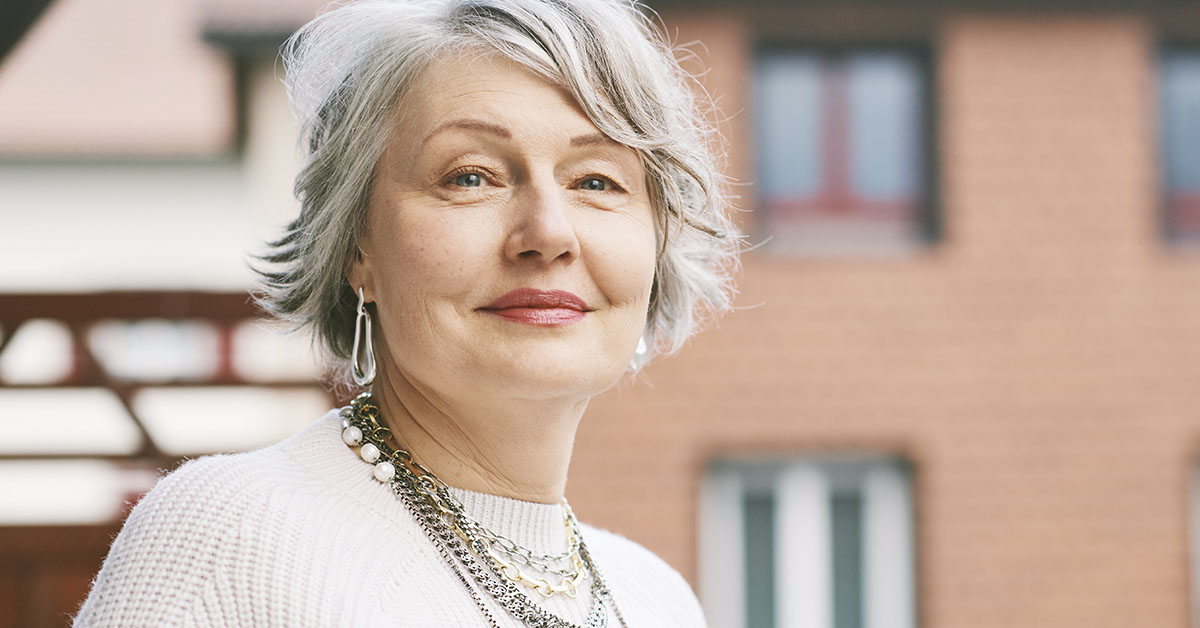

More women over 40 are walking away from dating, and they’re not looking back. A 2020 Pew Research Center report found that 71% of women aged 40 and above aren’t looking for relationships anymore, compared to just 42% of men in the same age group.
But why is that?
It isn’t because these women have grown bitter or given up on love. The reason is that after decades of marriage, divorce, or even widowhood, many women finally looked at what they gained from their relationships versus what they gave up.
When researchers asked these adults why they weren’t looking for relationships, 47% said they had more important things to focus on, and another 44% said they simply just liked being single. These women aren’t sitting around lonely and bored. Some are traveling solo for the first time in decades. Others are starting businesses or strengthening friendships, which they now consider more important than any romantic relationship ever was.
For the first time in their lives, many women are choosing peace over partnership. Here are the 10 most given reasons why these women say they’re done with the dating scene.
1. They’ve Discovered Freedom and Won’t Give It Back
After spending decades managing someone else’s schedule, emotional and physical needs, all while neglecting their own, these women say their newfound independence is everything to them now. They describe lives where they can finally buy a piano without complaints about noise, book trips without negotiating, or paint the living room whatever color they want without asking permission.
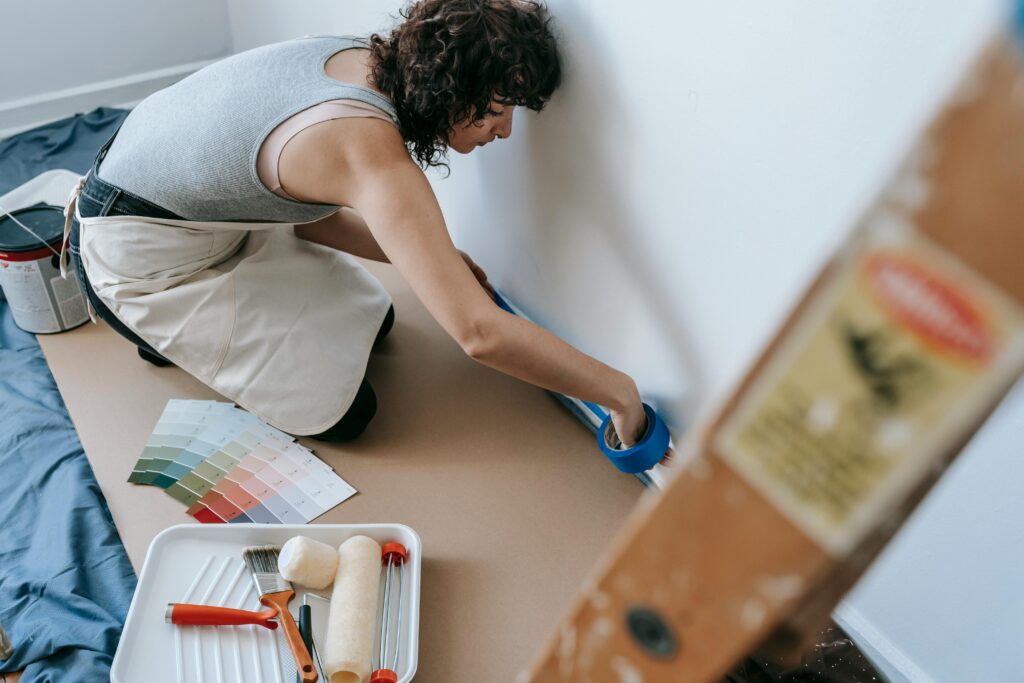
For years, they report feeling their choices were shaped around someone else’s life, and now they say they finally feel free.
2. The Math Doesn’t Add Up
Did you know that marriage actually extends your life? A 2020 study by Jia and Lubetkin published in SSM – Population Health found that married people live longer than unmarried people. Men at age 65 gained 2.2 years, and women 1.5 years. But here’s where the math stops adding up for women. That 0.7-year difference exists because women’s bonus years come with way more unpaid work and less personal time compared to staying single.
In most marriages, wives handle the daily home labor. They schedule doctor appointments for their husbands and make sure they go. They manage the household, the meals, and the cleaning. But who’s doing this for them? They are. A wife manages her own health and home needs on top of managing her husband’s.
It makes sense that divorced and widowed women look at those numbers and pass.
3. They Want Partners, Not Projects
Many men struggle to voice their emotions. Psychologist Ronald Levant at the University of Akron calls this normative male alexithymia, a learned inability to put feelings into words. Boys learn to suppress vulnerable emotions early because traditional masculinity treats emotional expression as feminine, and femininity as weakness. Showing feelings threatens masculine identity, so boys learn to shut them down. Some carry this suppression into adulthood.
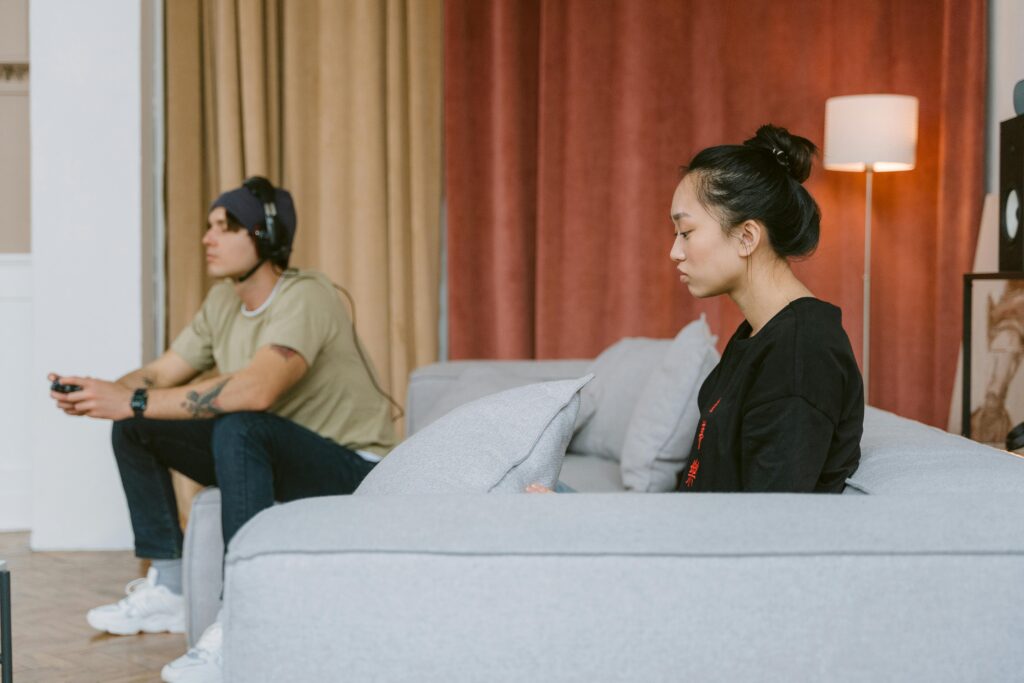
Image credit: Pexels
Without the ability to name what they feel, their partners end up translating moods and decoding unclear signals. The wife becomes both interpreter and emotional manager, doing double duty to keep the relationship functioning. Philosopher Ellie Anderson coined the term hermeneutic labor to describe this mental effort, and what makes this even more interesting, in a 2015 study by Melissa Curran and colleagues at the University of Arizona, they tracked couples over several days and found that women reported this as actual hard work, while their male partners saw it as simply part of being in a relationship.
After decades of doing this, some women say they would rather avoid dating entirely than manage another man’s emotional life.
4. Trust Has Become a Luxury They Can’t Afford
Being betrayed at 45 or 55 hits a lot differently than it does at 25. At this age, discovering infidelity means rethinking entire decades together, and questioning which moments were real and which were performance. Those scars don’t fade easily.
Trust, as it turns out, becomes harder to rebuild as we age. Research by Dr. Wendy Wang from the Institute for Family Studies shows why many women at this stage feel justified in their caution. Men’s infidelity rates peak in their 70s at 26% and remain high into their 80s at 24%. Whereas women reach their highest rates at 16% in their 60s before dropping to 13% in their 70s and 6% in their 80s. By age 80 and above, 18 percentage points separate the two groups, the widest gap of any age range. These women’s caution, it turns out, isn’t unfounded.
For women who have lived through this, trust becomes a precious resource they guard carefully. The question shifts from whether they can trust again to whether the risk is worth another potential betrayal. Many report it’s not; they’ve already rebuilt their lives once, and the clarity and peace of staying single feels safer than gambling on whether this time will be different.
5. The Dating Process Itself Is Exhausting
For women who married before dating apps existed, the modern dating landscape feels like learning a new language in a foreign country. There’s no script, no shared understanding of how things work. Instead, there are profiles to build, photos to curate, algorithms to figure out, and endless conversations to manage across multiple platforms while juggling work deadlines and family responsibilities.
A Forbes Health survey found that the average dating app user spends 51 minutes per day swiping through profiles. That’s nearly an hour every single day evaluating strangers, crafting messages, and managing expectations. Most people use multiple apps at once. Turning what should be an organic process into a form of unpaid labor that drains mental energy already stretched thin.

Image credit: Pexels
And the effort rarely pays off. The same Forbes Health study found that 78% of dating app users report feeling emotionally, mentally, or physically exhausted by the process. Women bear this burden more heavily, with 80% reporting fatigue compared to 74% of men. The biggest source of exhaustion, according to 40% of users, is the inability to find a genuine connection despite all that time and effort invested.
Then there is also this: professional dating profile writer Eric Resnick reports that many men in their 40s actively pursue females in their 30s. So, the dating pool shrinks before these women even open the app. This creates a sense that every failed match makes the whole thing more pointless until many women decide the exhaustion isn’t worth what they might gain.
6. They Refuse to Shrink Themselves Again
Research published in Personality and Individual Differences by Josephs and colleagues found that authenticity is one of the most effective strategies for successful long-term relationships. The study showed that people who engage in authentic dating behavior, showing their genuine feelings and emotional availability, have better relationship outcomes than those who play games or hide their true selves. But many women over 40 spent decades doing the opposite.
These women reported learning to shrink themselves through constant compromise, which repeated across friendships and family dynamics until they finally understood what it cost them. They would rather have the ability to show up as their actual selves and be loved for it rather than for the performance they deliver. Women at this stage refuse to repeat that mistake because they have learned through hard experience that authenticity beats approval every time.
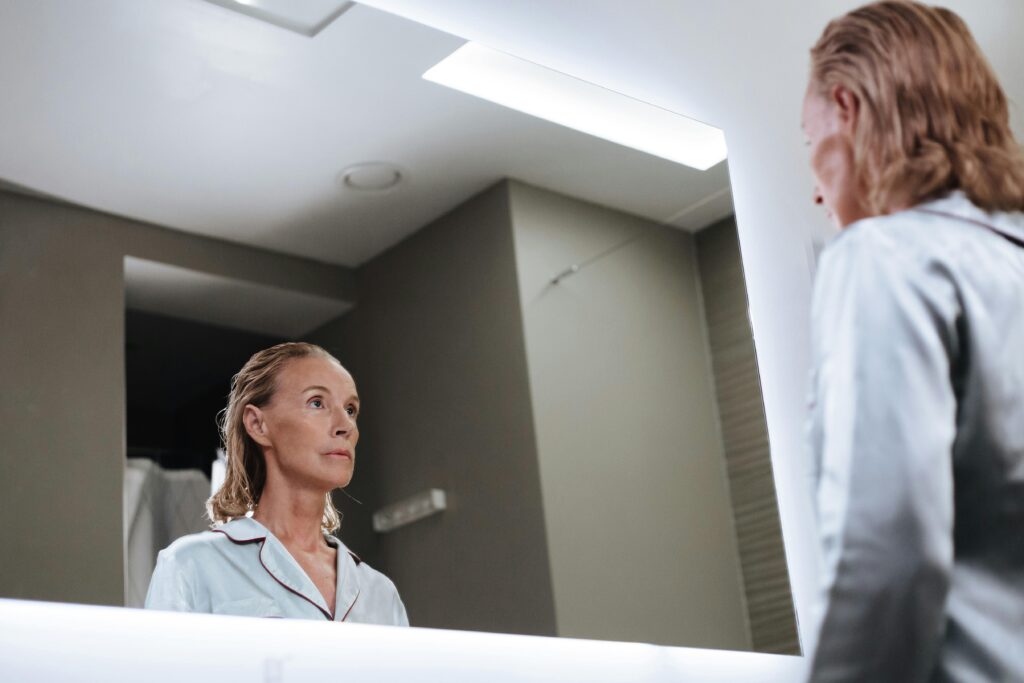
Image credit: Pexels
These women now arrive at dates as themselves rather than as whoever they think the other person wants to meet. They state their needs clearly and walk away when someone asks them to diminish those needs. The refusal to shrink comes from finally understanding that any love requiring you to become less than yourself costs far more than being alone ever could.
7. Caregiving Isn’t on Their Retirement Agenda
The reality of dating older men comes with a harsh statistical truth that females outlive men, which makes them more likely to slip into that caregiver role as a partner ages. Growing old with a longtime partner is one thing. Signing up to become a caregiver for someone new is another. For women who have already nursed one husband through decline. The fear of repeating it is enough to keep them single. This fear has its own name in dating circles, the nurse with a purse dynamic, where women end up providing both physical care and financial support to male partners.
Many women watched their mothers sacrifice their own retirements to nurse ailing husbands and decided not to repeat it. These women have earned their independence through years of putting everyone else first. The thought of spending their healthiest remaining years managing someone else’s doctor appointments and medications feels less like a partnership and more like signing up for a job they already quit.
Read More: If Your Partner Says This To You, It’s Red Flag to Leave, Dating Expert Claims
8. Finding Compatible Partners Becomes Nearly Impossible
Beyond all these personal reasons why many women choose to stay single. There is also a simple reality that the people who are available at this age often want very different things, and the mismatches are hard to ignore. Imagine a woman who finally has an empty nest and wants the freedom to travel at a moment’s notice, but meets a man with young children who needs to co-parent for years. Or another woman who feels ready for a stable relationship after a long healing process. But then matches with men who are newly separated and want to explore their options before settling again.
At this stage in life, everyone carries responsibilities that shape what they can give, so finding someone who naturally fits your version of a happily ever after becomes rare. This becomes even more complicated when financial circumstances enter, since many men in midlife are balancing divorce debt, or child support. Women then face the choice of carrying more of the financial load or adjusting to a lifestyle they have already outgrown.
Different expectations around daily life add another layer. Some men want companionship but insist on keeping separate households, while others want a partner who fills the exact role their ex-wife had, right down to routines and responsibilities. These women who finally understand their own needs discover that the men they meet often want something entirely different, so compromise feels like stepping back into what they have already worked hard to leave behind.
9. Age Makes Them Invisible to Most Men
Women over 40 become invisible on dating apps because the platforms allow men to filter them out before they even appear. Dating app data from OkCupid shows that men across all ages rate females aged 20 to 23 as most desirable, and apps give men the tools to act on that preference by setting age parameters that exclude older females entirely.
Women who prefer partners near their own age end up in a strange position, because the men they want to meet have already set filters that prevent these women from appearing in their search results. This creates a silent barrier where these women are not being rejected in conversation, because they are never shown in the first place.
Research from the Pew Research Center found that 57% of females aged 50 and older who have used online dating platforms say their experiences have been negative, compared to 38% of men in the same age group. This shows that for many women, this systematic exclusion becomes the final reason to walk away. They refuse to participate in a system designed to filter them out based on age. While men their age face no such penalty.
10. They’re Simply Happier Alone
Research from social scientist Bella DePaulo at the University of California found that single women report higher levels of personal growth than married women. These women say they learned that being alone does not mean being lonely, but instead, solitude has a texture they never felt in partnership, because uninterrupted time feels different from quick moments stolen between meeting someone else’s needs. The quiet is not empty, it is full of thoughts they finally have space to explore and choices they can make without negotiation.
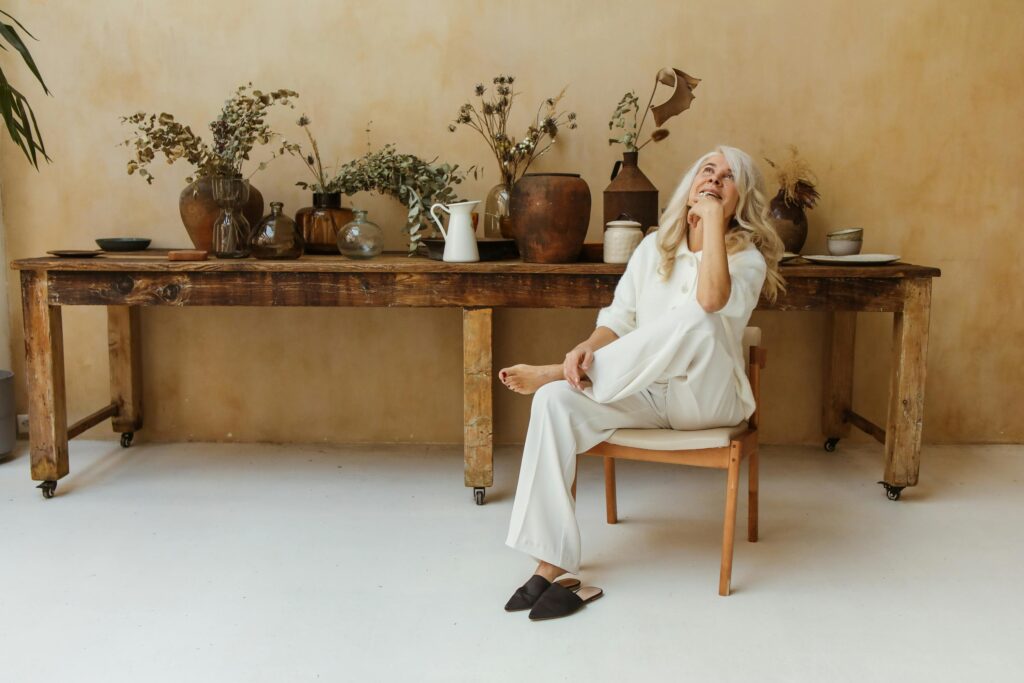
What once felt like loss now feels like gain because they no longer measure their days by what is missing but by what they finally get to keep. At this stage, a partnership would not add to their lives. It would take from the mental and emotional room they fought hard to reclaim. All those years of emotional labor and compromise pushed their inner world into the background, and being single lets that inner world breathe again.
Society still insists women need romantic love to feel complete, but women who have lived both partnered and single lives often reject that message. Partnership did not fail them. They just discovered that their own company is not a consolation prize. It is enough.