The babies in advertisements often look like the same baby: the same round cheeks, the same soft light, the same look of calm contentment. For years, baby-brand ads tended to show one narrow idea of what a baby looks like. Many parents of children who didn’t fit that picture learned to live with being left out, often without saying anything about it.
That changed, in one very public way, on February 7, 2018.
That day, Lucas Warren, then a 1-year-old, was named the 2018 Gerber Spokesbaby. He was chosen from more than 140,000 entries to be the face of one of the best-known baby brands in the United States. He was also the first child with Down syndrome to win since the photo contest began in 2010, TODAY reported. His mother, Cortney Warren of Dalton, Georgia, entered his photo on a whim after a relative pointed out an ad asking for submissions.
The Boy Behind the Win
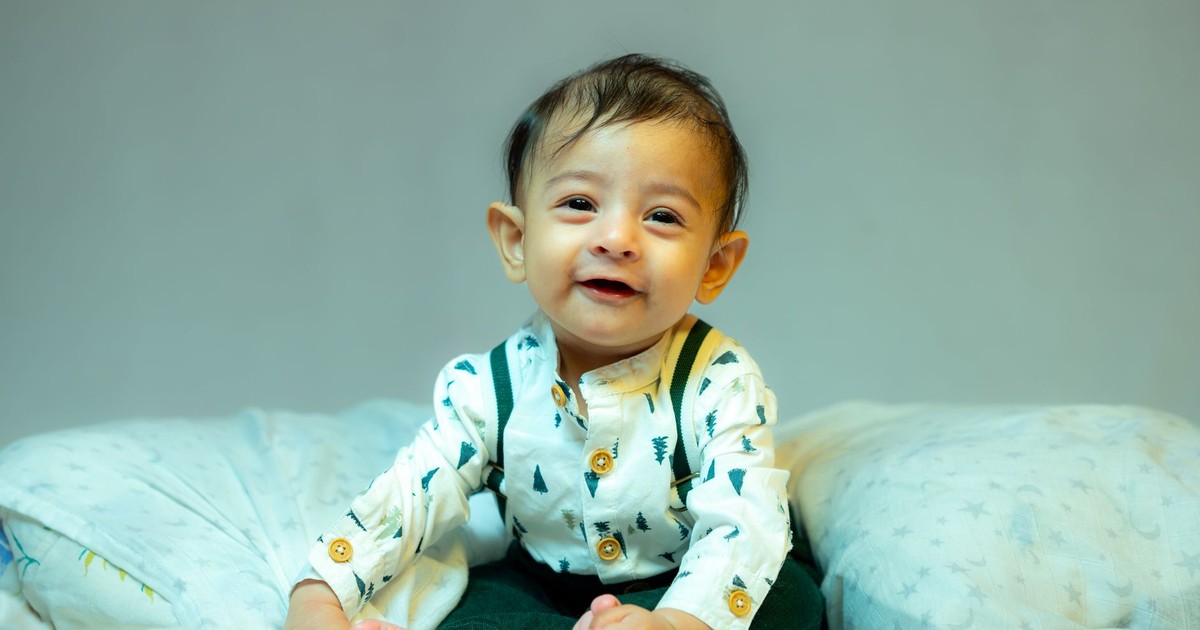
Before the press release and the headlines, there was just Lucas, the outgoing, funny, music-loving little boy his mother always describes first. “He’s very outgoing and never meets a stranger,” Cortney told TODAY Parents. “He may have Down syndrome, but he’s always Lucas first,” she said, adding that he had “an awesome personality” and went through “the milestones of every child.”
Good Morning America reported that Bernadette Tortorella, Gerber’s senior media manager, said Lucas was chosen for “the twinkle in his eye and his rosy cheeks,” along with his personality. When asked how Lucas’s diagnosis factored into the choice, Tortorella was clear: “We see all babies as Gerber babies. It didn’t factor in at all.” ABC News also noted something about Gerber’s marketing materials. Nowhere did the company mention that Lucas was born with 47 chromosomes instead of the typical 46. He was introduced first as a joyful baby who stood out among 140,000 entries.
Gerber CEO Bill Partyka said Lucas’s smile “captured the hearts of the Gerber team.” He also described the win in words the brand had used before: “Every year, we choose the baby who best exemplifies Gerber’s longstanding heritage of recognizing that every baby is a Gerber baby.” With Lucas, that line carried more weight than in earlier years. It made the point that every baby really does mean every baby, and it did so with a child whose community had often been left out of advertising.
Read More: 15 Celebrities Whose Special Children Taught Them a Whole Different Kind of Love
Why This Moment Was Bigger Than a Baby Food Brand
Down syndrome is the most common chromosomal condition diagnosed in the United States. According to the CDC, about 5,700 babies are born with Down syndrome in the U.S. each year, or about 1 in every 640 births. That is a large group of people who have often been missing from the places where culture decides who counts as the default. Advertising is one of those places.
For parents of children with Down syndrome, being left out of everyday images is not abstract. It can show up in the birthday party decorations that look nothing like your kid, the school supplies aisle, or the cereal box. It can feel like a child scanning a room for someone who looks like them and finding no one. The Gerber announcement did not solve any of that. But it put one child’s face, chosen for his joy, into one of the most familiar brands in American homes.
Katie Driscoll called the win a victory. She founded Changing the Face of Beauty, a nonprofit that pushes for people with disabilities to be included in ads and media. She told Good Morning America that when her own daughter, who has Down syndrome, was born, “there was nothing telling me she was going to be OK. Advertising communicates value and she was not a part of that conversation.” She knew what it meant for a major brand to put a child like Lucas in the spotlight.
What the Warrens Said, and What They Meant
Jason Warren, Lucas’s father, said he hoped the win would “shed a little bit of light on the special needs community and help more individuals with special needs be accepted and not limited.” There is restraint in that statement. It does not ask for a revolution, only that a little more of the world might pay attention. That kind of hope often comes from knowing how slowly things change, and how much a small shift in visibility can mean to the families waiting for it.
Cortney’s words carried the same weight. In an interview with the Global Down Syndrome Foundation, she and Jason said their first reaction to the news was “shock and doubt, followed by extreme excitement for Lucas.” They said they hoped the announcement would help teach people that “individuals with special needs should be accepted, not limited, and therefore have the potential to change the world.” They also said they planned to put the $50,000 prize toward his education. These are parents who know the world can underestimate their child, saying plainly how it feels when, for a moment, it doesn’t.
The Representation That Already Existed
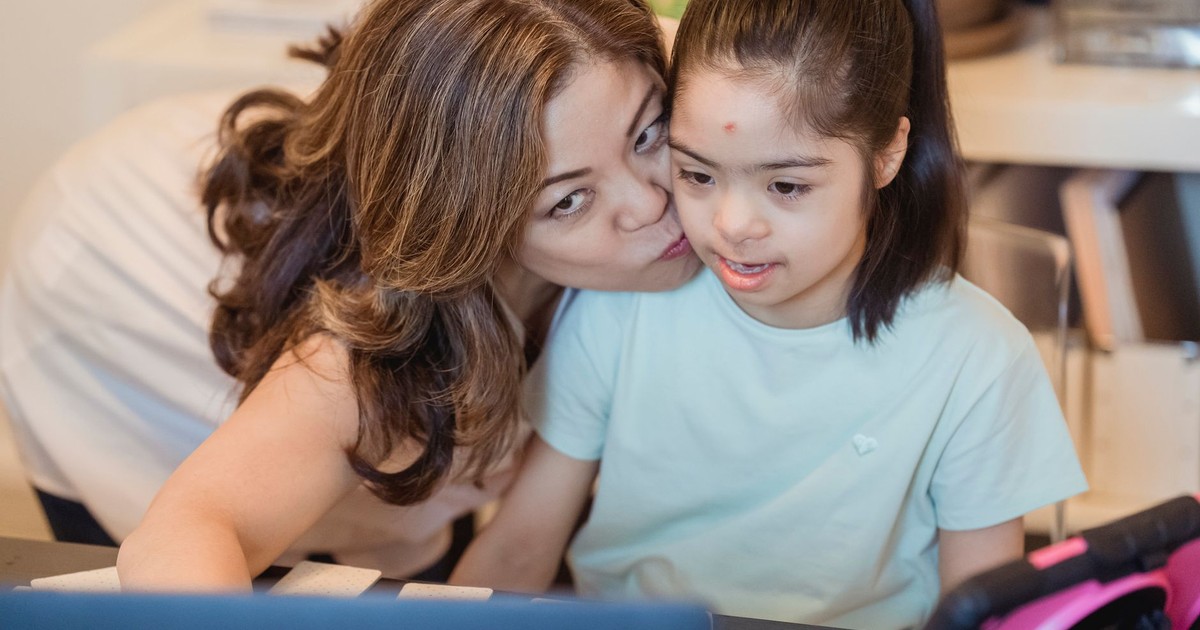
The push for representation had been building long before Lucas’s photo reached Gerber. Models, advocates, and parents of children with Down syndrome had been chipping away at advertising’s narrow idea of beauty for years. Driscoll told GMA that since her group was founded, the number of companies featuring models with disabilities in their ads had grown from two to 120. The ground was more ready than ever when Gerber made its announcement. Lucas didn’t create the moment, but he arrived at the right time for it.
Part of why his win reached so many people was the size of the platform. Gerber is not a small brand. It is in the pantry, in the grocery aisle, and in the memories of nearly anyone who was ever a baby or ever fed one. When a brand that well known makes a child with Down syndrome its face for the year, the message reaches people who were never looking for it. That is different from reaching people who were already paying attention.
Where Lucas Is Now
Lucas Warren would be about 9 or 10 years old in 2026. We could not find a recent public update on his life, and that seems fitting. He was a baby who won a photo contest, not a symbol on loan from his family. The life he is living belongs to him, not to the people who found his story inspiring.
What his parents said they hoped for, during that burst of media coverage in February 2018, was that he would someday look back on the win and feel proud. They hoped he would be proud of himself, fully. He was the funny, energetic, music-loving boy who loved to make other people laugh. He also happened to have Down syndrome, and a smile that stood out among 140,000 entries.
That is the right wish for a child. It is the wish every parent carries, with or without a diagnosis.
The Thing About a Photo
A photo can do something that a policy cannot. It shows up in a waiting room, in an ad, or in someone’s feed late at night when they are tired and afraid. Picture a parent who had just received a prenatal Down syndrome diagnosis scrolling past Lucas’s face in February 2018. What they saw was a baby who had won something, been chosen for his joy, and been named by a major American company as exactly the right fit. They saw a hopeful future, which is not always the first thing new parents hear about.
Still Becoming
Cortney Warren said she hoped that when Lucas grew up and looked back, he would “be proud of himself and not ashamed of his disability.” The fact that pride is something to hope for, rather than something to assume, shows how far there still is to go. The win was real, the joy was real, and the smile was absolutely real. Making sure the next Lucas does not need a photo contest to feel like he belongs is a goal that advertising, and the culture around it, has not yet reached.
AI Disclaimer: This article was created with the assistance of AI tools and reviewed by a human editor.