

Every few years, a single study reframes a conversation that nutritional science has been having for decades. Researchers at Penn State University identified a specific, measurable change in a heart disease risk marker that had previously been difficult to pin on a single dietary intervention. The marker is not the familiar “bad cholesterol” number that appears on a standard lipid panel. It is something subtler, and in some ways more informative about cardiovascular risk: the concentration of LDL particles in the blood.
Two people can have identical LDL cholesterol levels and face very different levels of cardiovascular risk, depending on how their cholesterol is packaged and transported. A blood test that reads the same for both individuals might obscure the fact that one of them is carrying that cholesterol in far more particles, each one small and dense enough to penetrate artery walls and accelerate plaque buildup. The Penn State study zeroed in on this specific variable, in a large population of adults who already face elevated cardiovascular risk, and found that one avocado a day moved the needle in a meaningful direction.
Cardiovascular disease remains the leading cause of death globally. Public health researchers are actively searching for accessible, low-barrier dietary interventions that do not require a complete overhaul of a person’s eating habits. Avocados, once dismissed as too high in fat to be cardioprotective, have emerged as one of the more compelling single-food stories in contemporary nutrition research. What the 2026 study adds to that story is a level of biological precision that earlier research lacked.
The Habitual Diet and Avocado Trial: Study Design and Population

The study was led by researchers in the Penn State Department of Nutritional Sciences and published in the Journal of Clinical Lipidology. It is an ancillary study of the larger Habitual Diet and Avocado Trial (HAT), a multisite randomized controlled trial designed to evaluate the cardiovascular effects of sustained daily avocado intake in a real-world dietary setting.
Who Was Enrolled
The study analyzed data from 786 adults aged 25 and older with abdominal obesity, with eligibility defined by waist circumference: men with a waist of greater than 40 inches (102 cm) and women with a waist of greater than 35 inches (89 cm). Abdominal obesity was a deliberate inclusion criterion because this population carries disproportionately elevated cardiovascular risk and is a priority target for dietary interventions.
What the Trial Required
Participants were divided into two groups: one maintained their usual diet, while the other added one avocado daily to their habitual eating pattern. The duration was six months. No other dietary constraints were imposed. The trial was designed to test whether a single food addition, without requiring participants to otherwise restructure their eating, could produce a detectable change in cardiovascular risk markers.
What Was Measured
The primary outcome was lipoprotein particle concentration, a more granular measure of cardiovascular risk than standard cholesterol readings. Researchers drew blood samples at the beginning and end of the six-month period and analyzed concentrations of LDL particles, HDL particles, and triglyceride-rich lipoprotein particles, along with two key proteins, apolipoprotein B (apoB) and apolipoprotein A-1 (apoA-1).
The Central Finding: LDL Particle Reduction

Intake of one avocado per day as part of habitual intake for 26 weeks reduced LDL particle concentration (LDL-P) without affecting concentrations of triglyceride-rich lipoprotein particles, HDL particles, apoB, or apoA-1 in free-living U.S. adults with abdominal obesity.
According to ScienceDaily’s coverage of the Penn State research, levels of LDL particles in the avocado-per-day group decreased by 49 nanomoles per liter, corresponding to an approximate 4% reduction in heart disease risk.
Why LDL Particle Count Is a Distinct Risk Factor
Standard lipid panels measure LDL cholesterol, the amount of cholesterol carried by LDL particles. LDL particle count (LDL-P) is different: it measures the number of particles themselves. LDL particles transport cholesterol through the body and are considered a separate risk factor from LDL cholesterol, with smaller LDL particles being more likely to penetrate artery walls and contribute to plaque formation.
The lead author illustrated the distinction directly: “Imagine two people with the same high levels of LDL cholesterol. Person A carries their cholesterol in fewer, larger LDL particles, and Person B carries their cholesterol in more, smaller LDL particles. Person B’s heart disease risk would be higher because their overall particle count is higher, even though a test of their LDL cholesterol would look identical.”
These small particles can more easily penetrate artery walls and contribute to buildup known as plaque, which restricts blood flow and reduces the flexibility of blood vessels.
Among the lipoprotein particle profiles, LDL-P is considered the most atherogenic (plaque-promoting) and is strongly associated with elevated cardiovascular disease risk.
Contextualizing the 4% Risk Reduction

The 4% figure is real, statistically meaningful, and derived from a robust randomized controlled trial. It is also, by the researchers’ own account, modest.
“Four percent is a modest reduction compared with the 14 to 29 percent lower heart disease risk associated with improving the overall diet,” the first author noted. “However, it is a step in the right direction.”
No other dietary changes were imposed. Participants did not overhaul their diets, reduce calories, eliminate saturated fat, or add exercise. They added one avocado. For a population that is already at elevated cardiovascular risk and for whom whole-diet transformation may be an unrealistic near-term goal, the finding has genuine practical weight.
As the study’s first author put it: “If people want to improve the quality of their diet, making one small change might be a more feasible strategy than attempting to change their entire diet. For people with obesity, including avocados in their daily diet might be a good starting place.”
Who Benefits, and Equally So
The reduction in LDL particles was observed across a broad range of participants, including adults of varying race, ethnicity, and age. The researchers note that adults with obesity across these groups might benefit, though they caution that individual responses can vary and that personalized guidance from a registered dietitian nutritionist or physician is advisable.
The Broader Evidence Base: What Research Has Shown Before 2026
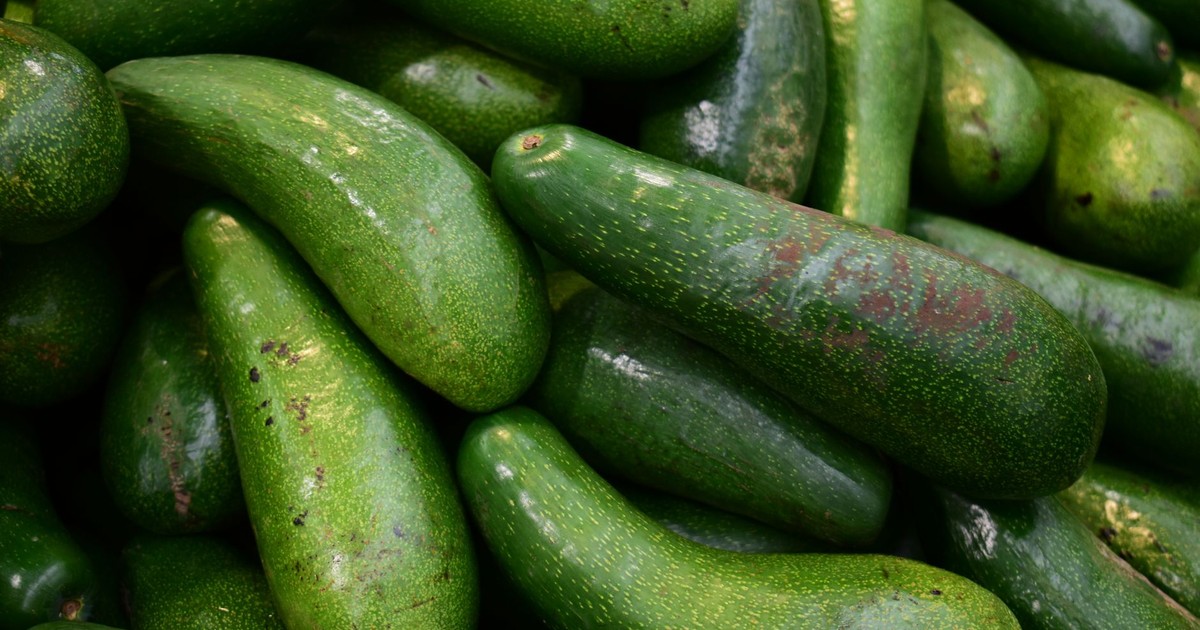
The Penn State 2026 trial builds on a substantial body of prior evidence. The most important precursor study tracked cardiovascular outcomes, not just risk markers, over a period of decades.
After assessing data from more than 100,000 adults who participated in the Nurses’ Health Study and the Health Professionals Follow-Up Study, researchers found that those who ate at least two servings of avocado each week had fewer incidents of cardiovascular disease, equating to approximately a 16% reduced risk for cardiovascular disease and a 21% reduced risk for coronary heart disease. The authors also found that swapping a half-daily serving of avocado in place of similar amounts of margarine, butter, egg, yogurt, cheese, or processed meats was associated with fewer incidents of cardiovascular disease. That study, published in the Journal of the American Heart Association, was observational rather than interventional, meaning it tracked eating habits and outcomes without assigning people to specific diets.
What a 2025 Meta-Analysis of RCTs Found
A comprehensive meta-analysis searched PubMed, Web of Science, and Scopus from inception through May 2025 to identify randomized controlled trials evaluating the effects of avocado intake on cardiovascular risk factors in adults.
The findings from that meta-analysis, published in Food Science & Nutrition and available via NCBI, suggest that while avocado intake does not significantly affect triglycerides, total cholesterol, HDL cholesterol, fasting blood glucose, BMI, or C-reactive protein, it is associated with a significant reduction in LDL cholesterol and systolic blood pressure, indicating a potential cardioprotective effect. The authors noted that further well-designed studies with larger sample sizes are needed to confirm these benefits and explore the effects of avocado intake on cardiovascular health long-term.
The 2026 Penn State trial, which was underway and reported after the meta-analysis’s search cutoff, directly addresses some of those methodological gaps, with a larger sample, longer duration, and a more granular outcome measure.
The Nutritional Profile Behind the Effect
Monounsaturated Fatty Acids
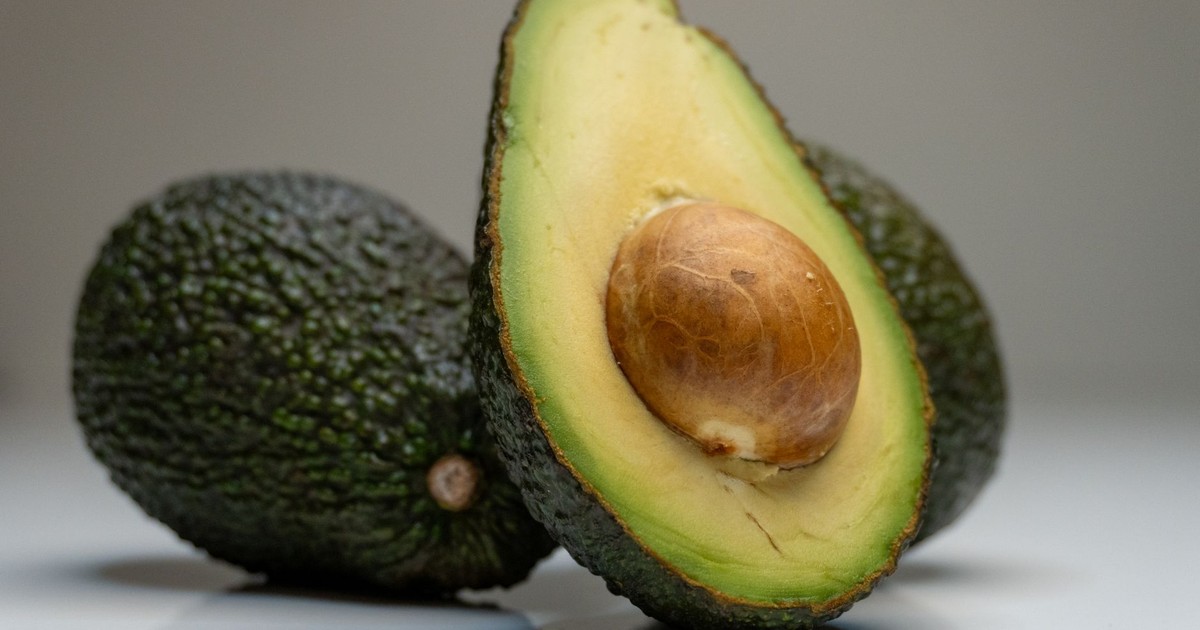
Avocados are rich in monounsaturated fatty acids (MUFAs), fiber, and plant sterols, all of which carry cholesterol-lowering properties. The dominant MUFA in avocado is oleic acid, the same fatty acid that accounts for olive oil’s cardioprotective reputation. Half an avocado contains around 6.5 grams of oleic acid, roughly equivalent to a tablespoon of olive oil, and research shows that replacing foods high in saturated fat with those rich in unsaturated fats, such as avocados, helps lower blood levels of harmful LDL cholesterol, a key driver of coronary artery disease.
Fiber
One serving of avocado provides up to 20% of the daily recommended dietary intake of fiber, a nutrient frequently lacking in the typical American diet, and fiber-rich diets may lower heart disease risk by as much as 30%, partly through reductions in cholesterol, blood pressure, and body weight.
Plant Sterols
Plant sterols (also called phytosterols) are compounds with a molecular structure similar enough to cholesterol that they compete with it for absorption in the intestine, effectively reducing how much dietary cholesterol enters the bloodstream. Avocados contain a meaningful dose. According to the National Heart, Lung, and Blood Institute, avocados contain 5 grams of monounsaturated fat, only 1 gram of saturated fat, are loaded with potassium, and contain little or no sodium, a nutrient combination that addresses multiple cardiovascular risk pathways simultaneously.
Lutein and Oxidized LDL
Earlier Penn State research had identified an additional biological pathway. As senior author Penny Kris-Etherton previously explained: “When you think about bad cholesterol, it comes packaged in LDL particles, which vary in size. All LDL is bad, but small, dense LDL is particularly bad. A key finding was that people on the avocado diet had fewer oxidized LDL particles. They also had more lutein, which may be the bioactive that’s protecting the LDL from being oxidized.”
Oxidized LDL particles are especially damaging to arterial walls, and the presence of lutein, an antioxidant carotenoid abundant in avocados, may help explain why the fruit’s cardiovascular benefits exceed what would be predicted from its MUFA content alone.
Study Limitations and Open Questions

The findings from the 2026 HAT ancillary study are robust by the standards of nutritional science, but they come with honest caveats that the researchers themselves flag.
First, the study population was adults with abdominal obesity. The researchers found that adults with obesity across a broad range of demographic groups showed reductions in LDL particle levels, but caution that people should speak to a registered dietitian nutritionist or their physician for personalized, expert guidance on improving their diets.
Second, LDL particle concentration is a surrogate marker, not a hard clinical endpoint. Reducing LDL-P corresponds to a lower estimated risk of cardiovascular events, but the study did not track actual heart attacks, strokes, or cardiovascular deaths, only surrogate markers at a single six-month endpoint. Longer trials tracking actual cardiovascular events would strengthen the case further.
Third, the caloric reality of daily avocado intake deserves acknowledgment. A full avocado adds roughly 230 to 320 calories and approximately 21 to 28 grams of fat to a day’s intake. For individuals not displacing other high-calorie foods, this addition could work against weight management goals that are themselves relevant to cardiovascular risk. The HAT trial did not require substitution, which reflects real-world eating but also means the study cannot isolate the avocado’s effect from potential compensatory dietary changes.
Practical Implications for Dietary Guidance

The 2026 Penn State findings do not overturn existing dietary guidance, they refine and extend it. The message that unsaturated fats are preferable to saturated fats for cardiovascular health is not new. A single, accessible, whole food can produce a measurable reduction in a clinically relevant cardiovascular risk marker without requiring any other dietary change.
For clinicians, registered dietitians, and public health practitioners, the study provides evidence to support avocado as a practical first step for patients with abdominal obesity who face elevated cardiovascular risk and may lack the resources or readiness for comprehensive dietary change. The 4% reduction in heart disease risk associated with reduced LDL-P is not a ceiling, it is a floor. Adding avocados within the context of a broader improvement in diet quality, replacing saturated fat sources rather than simply adding calories, would be expected to produce meaningfully greater benefits.
For the general public, the case for avocados in a heart-healthy diet has never been stronger or better documented. The question is no longer whether avocados benefit cardiovascular health, but how, for whom, and in what dietary context the benefit is largest.
Read More: Lifesaving Cholesterol Discovery Could Prevent Heart Disease and Stroke
What This Means for You

The 2026 Penn State study published in the Journal of Clinical Lipidology represents the most biologically specific and rigorously designed investigation of avocado and cardiovascular risk to date. One avocado per day, added to a habitual diet for 26 weeks, reduces LDL particle concentration in adults with abdominal obesity by an amount that corresponds to an estimated 4% lower risk of cardiovascular disease. The effect was observed across a broad range of participants, including adults of varying race, ethnicity, and age, though individual responses may vary.
That finding does not exist in isolation. It is supported by a long-term observational study of more than 100,000 health professionals showing a 16% lower risk of cardiovascular disease and a 21% lower risk of coronary heart disease among those eating at least two servings of avocado per week, and by a 2025 meta-analysis of randomized controlled trials confirming significant reductions in LDL cholesterol and systolic blood pressure with avocado intake. The evidence across study designs converges on a consistent conclusion: avocados reduce key cardiovascular risk markers, and the reasons, monounsaturated fatty acids, dietary fiber, plant sterols, and lutein, are well characterized.
Avocados are calorie-dense, and their cardiovascular benefit is maximized when they displace saturated fat sources rather than simply adding to total caloric intake. The 4% risk reduction from a single food addition is real, but it is the beginning of a dietary strategy, not the end of one. The avocado heart disease research body tells a coherent story: this is a food that works, the science is now specific about why, and the next step for research is tracking long-term clinical outcomes, not just surrogate markers.
Disclaimer: This information is not intended to be a substitute for professional medical advice, diagnosis, or treatment and is for information only. Always seek the advice of your physician or another qualified health provider with any questions about your medical condition and/or current medication. Do not disregard professional medical advice or delay seeking advice or treatment because of something you have read here.
AI Disclaimer: This article was created with the assistance of AI tools and reviewed by a human editor.