
Your bones are doing something right now that you almost certainly aren’t thinking about. They’re being broken down and rebuilt, cell by cell, in a continuous cycle that your body has been running since before you were born. What most people don’t realize is that the decisions made during specific decades of life – including decades that have already passed – set the ceiling for how much bone you’ll ever have, and how much you’ll have left when it matters most.
That ceiling has a name: peak bone mass. Most people reach it somewhere between their mid-to-late twenties, with some skeletal sites continuing to consolidate into the early thirties. After that, bone remodeling continues, but you lose slightly more bone mass than you gain. So the question of the best age to start building bone density isn’t a trick question – the honest answer is that the best time was childhood, the second-best time is right now, and the window between those two points is where most of us are actually living.
What follows is a decade-by-decade breakdown of what’s happening inside your skeleton and what, practically speaking, you can do about it. Because understanding bone density by age isn’t just for people who’ve already been handed a DEXA scan result they didn’t love. It’s for anyone who wants to understand the long game before the rules change on them.
Childhood and Early Adolescence: The Foundation You Don’t Know You’re Laying

Bones grow in size during childhood, gaining mass and strength. The amount of bone mass you obtain while young determines your skeletal health for the rest of your life. The more bone mass you build during adolescence, the more protection you have against losing it later. This is not a metaphor. It’s literally structural. Think of peak bone mass the way you’d think of the principal in a savings account: the more you deposit before withdrawals begin, the more you have to live on.
Calcium is the most important nutrient for reaching peak bone mass, and it must be absorbed from food – the body doesn’t produce it on its own. Adequate calcium and vitamin D intake throughout the lifespan – especially during childhood and adolescence when bone mineral density is being maximized – is a key recommendation for preventing osteoporosis. The dosage specifics matter here. The recommended dietary allowance for children ages 9 to 18 is 1,300 mg of calcium per day, and 1,000 mg per day for children ages 4 to 8. That’s a lot of dairy – or a lot of deliberate food planning for families raising kids who won’t drink milk.
Exercise during this window counts just as much as diet. Childhood and adolescence represent a critical window for bone development, during which weight-bearing physical activity supports bone formation and contributes to long-term skeletal strength. Not all movement is created equal for bones, though. Non-weight-bearing activities like swimming or cycling, while excellent for cardiovascular fitness, have less bone-forming impact. A common recommendation is for children and teens to engage in multidirectional activities involving jumping and cutting movements – like soccer or basketball – as these cause bone to experience forces from various angles, which may optimize bone shape and strength.
The Twenties: The Last Real Deposit Window

This is the decade where your bone account is still open. Bone density in the lumbar spine continues to increase for participants younger than 35, with a smaller increase among those aged 30 to 34. In your twenties, your skeleton is still responding to stimulus – diet, exercise, and lifestyle choices all still push the needle upward or, if neglected, prevent you from getting as close to your ceiling as you could.
What knocks people off course in their twenties is rarely one big thing. It’s the aggregate: erratic eating, not much sunlight, skipping the gym for a year or three, the kind of lifestyle that feels fine because nothing hurts yet. Smoking is particularly damaging at this stage. Cigarette smoking has a harmful effect on reaching peak bone mass – which means habits started in adolescence or early adulthood carry a skeletal cost that compounds invisibly.
Someone who reaches age 30 with strong bone density and someone who doesn’t is a difference made mostly in this decade. You’re not going to feel it happen, which is part of why it’s so easy to skip. Bones don’t ache when they’re being undertended. They just stop accumulating.
Age 30 to 40: The Holding Pattern (That Isn’t Quite)

The thirties are often described as a plateau for bone density, but it’s less a plateau and more a very gradual slope with a cliff ahead. Among women, there is essentially no change in mean bone density between ages 35 and 44 – but “no change” only holds if you’re doing the right things. It doesn’t mean the body is indifferent to what you eat, how much you move, or whether you’re getting enough sleep.
This is also the decade when many women are managing perimenopause symptoms without realizing that’s what’s happening. Hormonal changes that begin in the early-to-mid thirties – even subtle ones – can affect how effectively the body maintains bone. The estrogen-bone relationship gets most of its attention during menopause, but the slow decline begins earlier than most people expect.
For men, the picture deserves attention at this stage too. Both men and women begin losing bone gradually from around age 40 onward, but men tend to lose bone at a slower rate than women, partly because they start with a higher peak bone mass. The cultural assumption that osteoporosis is a women’s issue quietly misleads a lot of men into paying no attention to bone density until it’s genuinely too late to do much.
The Forties: Where the Slope Steepens
Bone loss begins gradually for both men and women, with the rate accelerating meaningfully for women as they approach perimenopause and declining estrogen levels tip the remodeling cycle further into the red: more is being broken down than rebuilt, and the gap widens every year. For women heading toward perimenopause, declining estrogen is the accelerant.
Bone loss is particularly rapid in the total hip, and is greatest among women aged 50 to 54 who are transitioning from premenopause to postmenopause. That transition can start earlier than 50, though, which means the forties are not the decade to coast. This is when lifestyle changes – the ones you perhaps meant to make in your thirties – carry their most meaningful preventive weight.
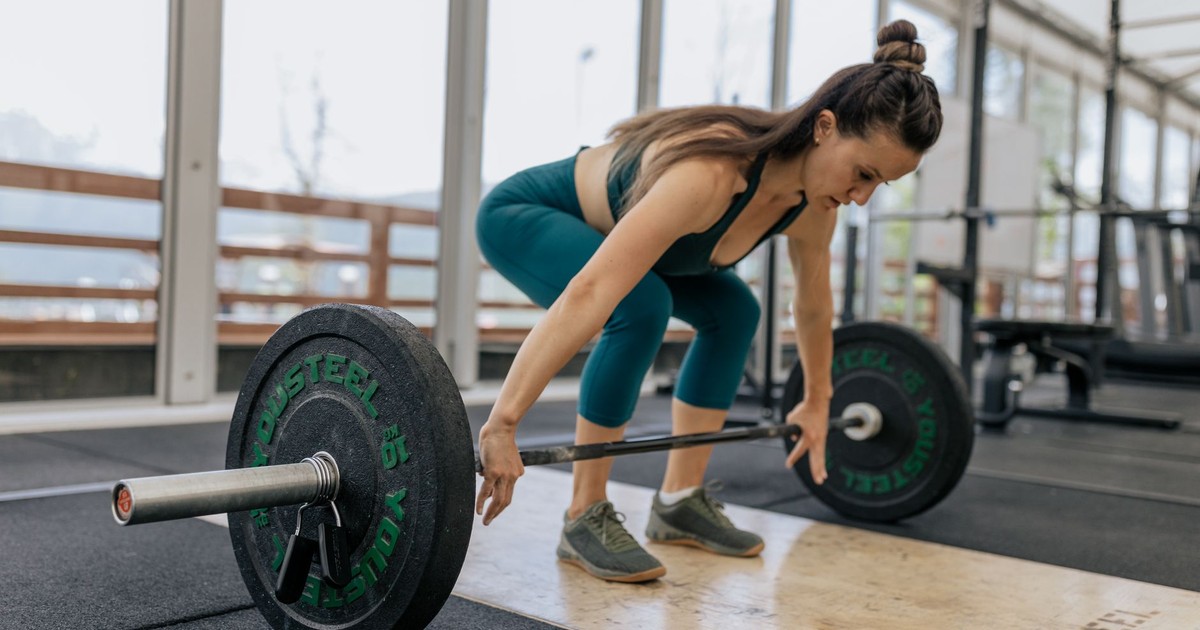
Weight-bearing exercise remains the most accessible intervention available to most people. Weight-bearing exercises can help build strong bones and slow bone loss – examples include brisk walking, jogging, dancing, climbing stairs, and playing tennis or pickleball. None of these require a gym membership or a specific personality type. They just require some regularity.
The Fifties and Menopause: The Decade That Gets All the Attention

Menopause gets most of the press coverage when it comes to bone density, and for good reason – the hormonal change that accompanies it is genuinely dramatic in skeletal terms. Bone loss accelerates rapidly around menopause, typically around age 50, when the protective effect of estrogen is lost. Estrogen slows the breakdown of bone tissue; when it drops, the brakes come off.
During perimenopause, T-scores (a measure of bone density relative to a healthy young adult) begin to decline as estrogen levels decrease, and average T-scores in this age group may range from -0.5 to -1.0. After menopause, the numbers can drop further. Postmenopause is associated with a more significant decline in T-scores, and women in this age group may have average T-scores ranging from -1.5 to -2.5, indicating a higher risk of osteopenia or osteoporosis.
This is also the point where DEXA scans (dual-energy X-ray absorptiometry – the gold standard test for measuring bone density) become part of the routine conversation. Experts in the U.S. recommend screening for osteoporosis in all women 65 and older, and in postmenopausal women younger than 65 who are at increased risk. If your doctor hasn’t brought it up yet, it’s a reasonable question to raise yourself.
The Sixties and Beyond: It’s Still Not Too Late

Even after the decades of active bone-building are long behind you, lifestyle habits still affect the rate at which you lose bone. The body continues to respond. Regular physical activity – especially weight-bearing exercise like walking, running, playing tennis, and resistance training – strengthens bones, though proper exercise and nutrition may not be enough on their own to stop bone loss caused by medical conditions or certain lifestyle factors like tobacco use or excessive alcohol consumption.
The sixties are also when the distinction between osteopenia and osteoporosis matters most practically. A T-score between -1.0 and -2.5 indicates osteopenia (low bone mass), while a score of -2.5 or lower signifies osteoporosis. Osteopenia is not a sentence – it’s a signal. And the same levers that mattered at 35 still turn: calcium, vitamin D, movement, not smoking, and not drinking excessively.
With age, the ability to absorb vitamins and minerals may be reduced. Older adults often suffer from malnutrition, not eating enough protein and vitamins. A calcium and vitamin D supplement should be considered when dairy consumption is low and little time is spent outdoors. These are low-drama, low-cost interventions. They don’t feel as dramatic as a diagnosis, but they’re the kind of thing that adds up over a decade.
What the Bone Density Timeline Actually Tells You

The research is consistent on one point that tends to get lost in the headlines about calcium supplements and the marketing around women’s health in midlife: bone density by age is not a story that starts at menopause. It starts at birth and has its most decisive chapters in childhood and the twenties. What you do then sets the floor beneath everything else.
That doesn’t mean nothing matters after 35. It means the earlier actions had higher returns, and the later ones are about managing a situation rather than building one from scratch. Both of those things are worth doing. A woman who pays close attention to her bone health at 55 is going to be in a meaningfully different position at 75 than one who doesn’t – even if she missed the optimal deposit windows thirty years earlier.
The honest answer to “when should I start?” is the one nobody loves: earlier than this. But the second-honest answer – the one that’s actually useful right now – is that the skeleton responds at every age, the lifestyle factors are largely the same across all of them, and a DEXA scan is a far less frightening piece of information than a hip fracture.
Disclaimer: This information is not intended to be a substitute for professional medical advice, diagnosis, or treatment and is for information only. Always seek the advice of your physician or another qualified health provider with any questions about your medical condition and/or current medication. Do not disregard professional medical advice or delay seeking advice or treatment because of something you have read here.
AI Disclaimer: This article was created with the assistance of AI tools and reviewed by a human editor.