

Every woman you know has, at some point, wanted something she never said out loud. Not because she didn’t know what it was, but because the thing she wanted felt too obvious to have to explain, too vulnerable to put into words, or she’d already explained it once and the conversation went sideways so she quietly filed it away.
Stating a need directly doesn’t always lead to that need being met. So the needs go underground. They become the unspoken subtext of a thousand ordinary interactions: the weighted pause before she says “I’m fine,” the thing she mentions once and never again, the reason she seems distant on a Tuesday for no reason anyone can name.
What women want but don’t ask for is rarely one item. It’s a whole architecture of needs that are emotional, practical, relational, and deeply human. Here’s what that architecture actually looks like.
1. To Be Listened to Without Being Fixed

When a woman comes home and describes a terrible day at work, she usually does not need an action plan. She needs the person across from her to stay present, ask a follow-up question, and resist the gravitational pull toward “have you tried talking to your manager?”
The pattern of not being heard extends well beyond the home: the McKinsey Women in the Workplace 2024 report found that 39% of women reported being interrupted or spoken over at work, compared to 20% of men. The experience of having your words cut off builds, conversation by conversation, into a cumulative resignation. At home, at dinner, in a relationship where she should feel safest, she’s still waiting for that experience to be different. Listening – actual, uninterrupted, follow-up-question listening – is one of the most intimate things one person can offer another. Most women have stopped asking directly.
2. Recognition Without Having to Ask for It

The laundry gets done, the appointments get scheduled, the emotional temperature of the household gets monitored and managed, and nobody mentions it because it has always been done and therefore seems, from the outside, to require no effort at all.
A 2025 study by the University of Bath and the University of Melbourne, which surveyed 2,133 partnered U.S. parents, found that mothers do 67% more household management than fathers. That gap represents 67% more work that largely goes unnamed, uncounted, and un-thanked. What women want isn’t a trophy presentation. It’s recognition that comes from someone actually noticing before she has to point it out herself. “I see what you’re doing and I know it takes effort” is a sentence that costs nothing to say and means more than most people realize.
3. Effort That Doesn’t Require Instruction

Women want the people in their lives to take initiative without being asked. Not because they want to be relieved of the conversation, but because being the person who always has to identify the problem, propose the solution, delegate the task, and follow up on the outcome is itself an exhausting second job.
Hinge Labs, which surveyed over 6,000 global respondents in August 2025, found that 72% of women prefer effort over income, and 84% of heterosexual women value well-planned dates more than expensive ones. The data is about dating, but the principle holds in every relationship context. Effort that is self-generated, that doesn’t require a reminder or a prompt, signals that the other person is paying attention. Women notice when someone just does the thing. They notice just as precisely when someone doesn’t.
4. Emotional Consistency

Grand gestures are easy to perform once. Being the same person on a difficult Thursday in February as you were in the first three months of a relationship is actually hard, and it’s what women want.
Bumble’s 2025 dating report found that 59% of women now place more value on stability and want a partner who feels emotionally consistent, reliable, and clear about life goals. Emotional consistency means someone whose mood doesn’t require constant management, whose warmth doesn’t disappear when he’s stressed, who can be counted on to walk into a difficult conversation without making the conversation about their discomfort. Women rarely say “I need you to be more emotionally consistent” because they already know the reception that request will get. They just clock it, precisely, when it’s missing.
5. To Vent Without It Being Turned Back Around

She starts talking about the thing that happened with her friend, and somehow, four minutes later, the conversation has circled back to his week, his frustrations, his take on the situation. This is so common it barely registers as a problem anymore.
What women want is airtime that doesn’t get redirected. Not because they’re uninterested in the other person’s experience, but because the pattern of a woman’s distress becoming a springboard for someone else’s opinions is an old one. Sometimes the request is not for advice or perspective or a comparative story. It’s for the floor.
6. Physical Affection That Isn’t a Prelude to Something Else

Non-sexual physical affection – a hand on the back, a long hug that doesn’t turn into something, a forehead kiss, holding hands while watching television – is something women want and often don’t get enough of. The problem is that in many relationships, physical touch has become primarily associated with one context, which means that reaching for a hug or initiating closeness carries an implied set of expectations she might not have signed up for.
Women want to be able to initiate warmth without it being interpreted as an invitation. They want someone who touches their shoulder in the kitchen because they’re walking past, not as an opening move. A study published in The Journal of Sex Research found that women who experienced more affectionate touch reported better body satisfaction and better relationship outcomes overall.
7. To Have Her Decisions Respected Without Commentary
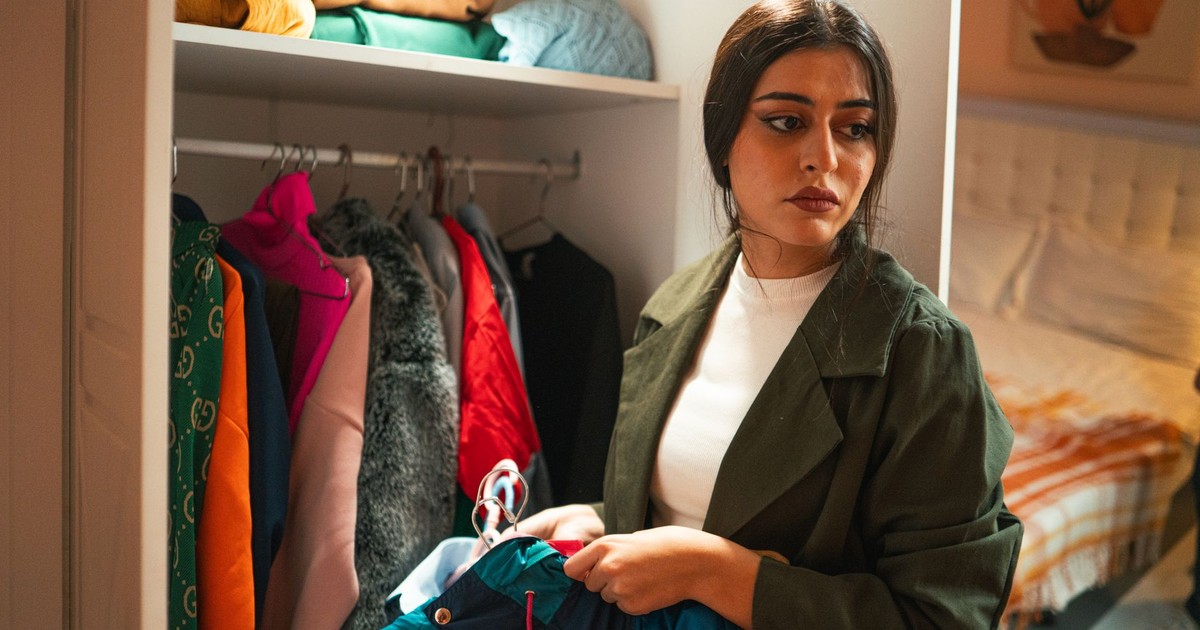
She has decided to stop talking to a certain person. She has decided to take the job. She has decided what she wants to eat, how she wants to parent this particular situation, and whether or not she wants to reconcile with a family member. She has made the decision. What she does not want is a ninety-second sidebar on whether she’s considered all the angles.
Women often receive a level of unsolicited second-guessing that men simply don’t encounter at the same frequency. The message underneath all of it – delivered gently, through questions, through “I’m just saying” – is that her judgment needs to be checked. She has already checked it. What she wants is for the person who loves her to trust that.
8. For Her Anger to Be Taken Seriously

Anger is the emotion that women are most consistently told to modulate. Too direct and she’s aggressive. Too emotional and she’s irrational. Too calm about it and she must not actually mean it. The window of acceptable female anger is narrow enough to be nearly unusable, and women know it, which is why they often swallow it until the version that finally comes out is so charged with everything that didn’t come out before that the person on the receiving end is genuinely surprised.
What she wanted, ten incidents ago, was for her frustration to be heard when she first named it, in the low-key way she named it, without anyone requiring her to perform a certain degree of distress before it was taken seriously. Anger that gets heard early stays small. Anger that gets minimized compounds.
9. Space to Change Her Mind Without It Becoming Evidence Against Her

Women carry the reputational risk of being called inconsistent or indecisive in a way that men rarely do. Changing your mind when new information arrives is generally considered rational. In a woman, it becomes data about her character, referenced the next time she holds a position on anything.
What she wants is the freedom to update. To say she thought she wanted one thing and now she wants something else, without that sentence being stored for retrieval in some future argument. The people she trusts most are the ones who let her think out loud without archiving everything she says mid-process as a final, binding position.
10. To Not Have to Manage Everyone Else’s Emotional Reactions to Her News

She got the promotion and she’s bracing herself for the person who’ll say “oh but what about…” She’s ending the relationship and she already knows she’ll spend part of the conversation managing their feelings about it. She’s made a decision about her body or her career or her future, and a significant portion of her energy is already pre-allocated to the task of making other people comfortable with it.
Women often do this management so automatically it doesn’t even register as labor anymore. But it is labor, and it costs something. What she wants is a person in her life who takes her news at face value and responds to what the news means for her, not what it means for them.
11. Honesty That Doesn’t Come Wrapped in Softening

Women are told constantly to soften their delivery, to cushion their feedback, to lead with a positive before the constructive. They have absorbed this norm and tend to apply it reflexively, often to their own detriment. What gets lost is the ability to receive straight information from the people who love them.
She wants to know if the dress is wrong for the event. She wants to know if the plan she’s excited about has a structural flaw. She wants to trust that the people in her life are telling her what they actually think, not the version of what they think that’s been processed through a concern about how she’ll take it. Real honesty, delivered with care, is rare.
12. To Be Remembered in the Small Details
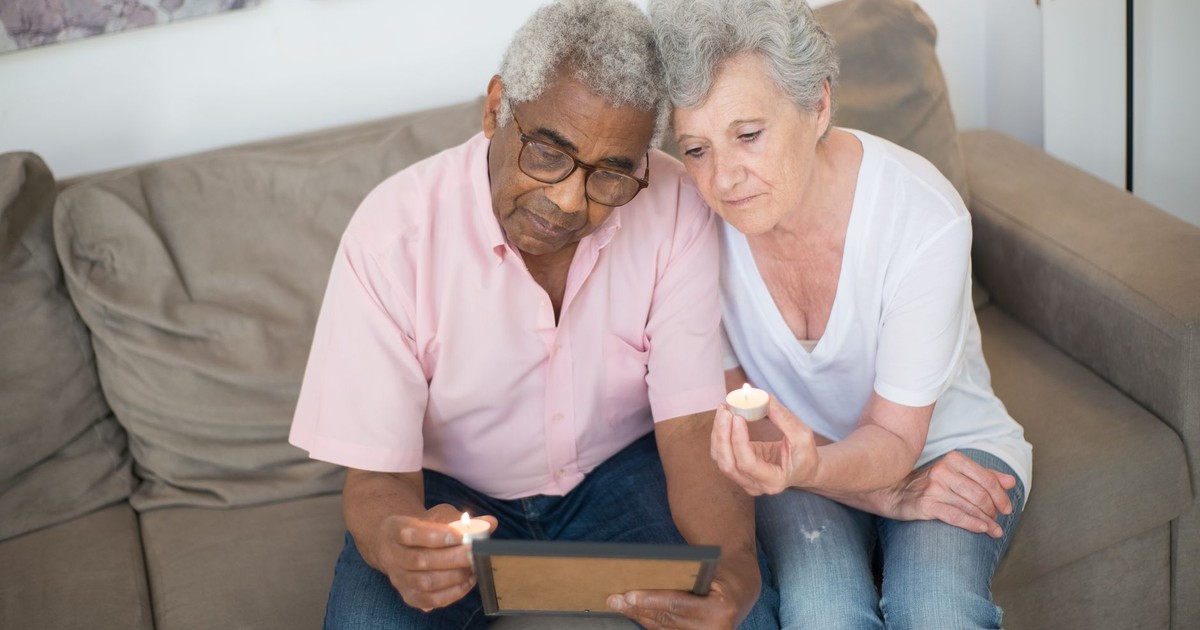
He remembered she doesn’t take her coffee with oat milk anymore. She mentioned once that the smell of that particular cleaning product gives her a headache and he switched to a different one without being asked again. She said in passing that a difficult anniversary was coming up and he checked in the week before.
These are not grand acts. They are acts of sustained attention, and women are acutely aware of whether they are receiving them. Being remembered in the specific, particular details of your daily life is one of the clearest ways that love demonstrates itself.
13. Friendships That Don’t Require a Reason to Call

Adult friendships deteriorate under the weight of schedules and the unspoken rule that reaching out requires an occasion. Women feel this acutely because the form of friendship they often valued most – the call that goes for two hours about nothing specific – has become logistically impossible and socially awkward to initiate without a context.
What women want is a standing invitation. A friend who texts because she thought of her, who doesn’t need a birthday or a crisis as the pretext. Losing access to deep female friendship – through geography, through busyness, through the slow drift of adult life – is a loss most women carry and rarely admit to their partners or even their therapists.
14. To Not Be the Default Parent in Every Non-Emergency

The default parent is the one who gets called first when the child is sick at school. Who knows where the forms are. Who is already calculating the logistics while the conversation about logistics is still happening.
Women in partnered-parent households have described being the default parent not as a formal decision they made, but as a role that accreted through a series of small moments where they just handled it because someone had to. What they want is a partner who picks up the thread before she has to hand it to them.
15. To Have Their Intuition Credited Before They’re Proven Right

She said something felt off about the situation months ago. Everybody thought she was being anxious. Then it was off. And the response was not “you were right” but rather a pivot directly to managing the problem, as though her read on it at the time is now irrelevant because the problem has arrived and requires attention.
Women’s intuition gets dismissed until it becomes prediction, at which point it is re-categorized as coincidence or luck. What women want is to have their read on things taken seriously at the point when it’s still actionable, not retrospectively validated when the outcome confirms it.
16. To Be Desired in a Way That Feels Personal

Not generically appreciated, not complimented in the vague sense that covers any woman with similar attributes, but seen and wanted in the specific, personal way that says “I mean you, particularly.” This distinction is harder to explain than it sounds, and women often can’t articulate why one form of attention feels hollow and another feels real. But they know the difference immediately.
The difference usually has to do with specificity. “You look nice” is one thing. “That color does something for you” is another. Being desired in a way that demonstrates familiarity, that shows someone has been paying attention closely enough to want the specific you rather than the general category, is something women want and rarely ask for directly because asking for it feels like undermining the very thing they’re asking for.
17. Time That Is Genuinely Theirs, Without Guilt Attached
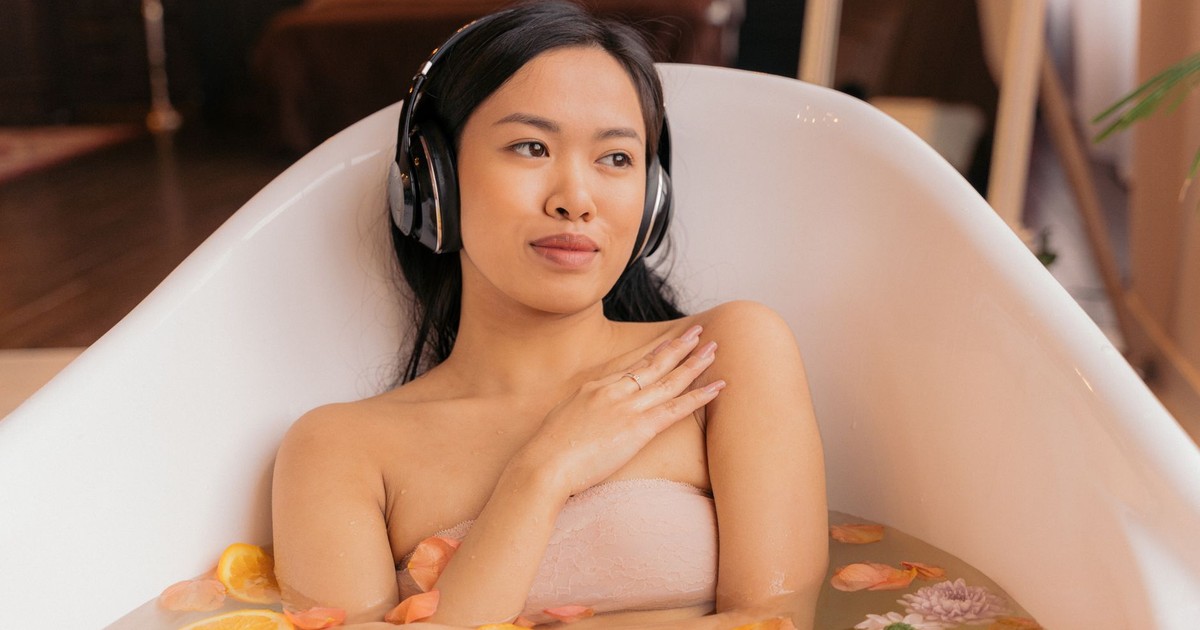
Bumble’s 2025 research found that nearly 2 in 3 women (64%) globally say they are being more honest with themselves and no longer making compromises. Part of what they’ve stopped compromising on is time. Time to exist in a room without being needed. Time to read, to sit, to think in a direction that has nothing to do with anyone else’s schedule or emotional state.
Women carry an enormous amount of other people’s logistics in their heads at any given moment. Getting off the hook from that – really, genuinely off the hook, not the version where she’s technically in the bath but still the one who would be asked if something went wrong – is something women crave and rarely get. The version that costs nothing, the one she actually wants, is someone else proactively holding the household so she can fully exit it for two hours.
18. To Laugh, Properly, With Someone Who Gets It

Dry, specific, the kind of humor that requires shared context. The joke you can only make to the one person who was there for the thing the joke is about. The ability to find a situation absurd together rather than each processing it separately.
Women in long relationships often describe losing this – the spontaneous, specific, inside-the-moment humor that characterized the earlier version of the relationship. It didn’t disappear because anything was wrong. It just got crowded out by the logistics of keeping a life running. What they want back is not the early relationship. It’s the levity. It’s the sense that this person, specifically, will find the same things funny that she does.
19. A Partner Who Has Friends of Their Own

Women who are in relationships with partners who have no independent social life become, by default, that person’s entire social world. And that is a weight that accretes, month by month, into something that looks a lot like resentment and feels a lot like loneliness, because being someone’s everything is not the same as being in a relationship with them.
Women want their partners to have their own friendships, their own commitments, their own things they are working on or excited about that have nothing to do with her. Not because she doesn’t want to be close, but because closeness is different from dependency, and one of them is actually sustainable.
20. Appreciation for the Thinking They Do Behind the Scenes

The research appointment she made. The mental note about what the kids need next month. The anniversary she remembered and planned around. The version of the budget she ran in her head so she knew whether the vacation was actually affordable. None of this is visible work. All of it is real work. And when none of it is acknowledged, it eventually stops being invisible labor and starts being invisible identity, a whole dimension of her effort that exists outside the frame of what anyone thinks to thank her for.
She doesn’t want a standing ovation. She wants the occasional acknowledgment that the planning didn’t do itself.
21. To Be Loved in the Specific Language She Actually Speaks

The popular framework around love languages – that people prefer to give and receive affection in different registers, whether words, acts of service, quality time, physical touch, or gifts – is by now well-known enough that most people can identify their own. What women want is for this to be taken seriously as a practical operating principle, not just an interesting personality fact.
To know someone’s love language and do nothing actionable with it is a kind of benign neglect. It means you have the information and decided it wasn’t necessary to adjust. What she wanted was not for you to know the concept. She wanted you to use it. She wanted the love to arrive in a form she could actually feel, not in a form that was easiest for the person giving it.
Read More: Why Intelligent Women Are Choosing Hypogamy
What This List Is Really About

None of the 21 things on this list are difficult to understand. Most of them are not even particularly difficult to do. What makes them hard is the sustained attention they require, the ongoing, low-level consciousness that another person has a rich interior life and deserves to have it met with care. Not once, not in the early months, but on a regular Tuesday when everyone is tired and nothing is particularly romantic about the situation.
What women want but don’t ask for is often the same as what they stopped asking for. The request was made, in one form or another, and it didn’t go anywhere, so it went underground. They adapted. They lowered the volume. They stopped explaining.
Most of these things are available right now, in ordinary interactions, without requiring any particular resources or dramatic gestures. Attention is free. Memory is free. Listening is free. The conversation about which of these things has gone missing can happen today, before dinner, in the kitchen, between two people who are both, probably, tired.
Disclaimer: This information is not intended to be a substitute for professional medical advice, diagnosis, or treatment and is for information only. Always seek the advice of your physician or another qualified health provider with any questions about your medical condition and/or current medication. Do not disregard professional medical advice or delay seeking advice or treatment because of something you have read here.
AI Disclaimer: This article was created with the assistance of AI tools and reviewed by a human editor.