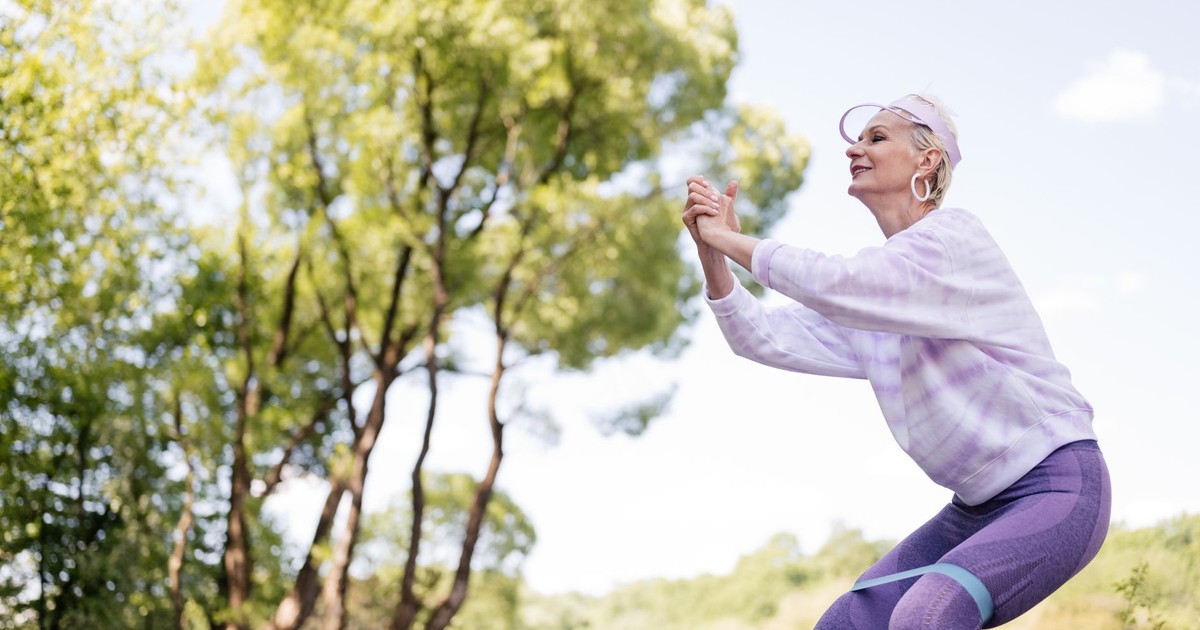

Every exercise you’re told will add years to your life tends to sound like a punishment. Run more. Lift things. The evidence points in a more interesting direction.
A January 2026 study by researchers at Harvard T.H. Chan School of Public Health found that participants who engaged in the highest variety of exercises had a 19% lower risk of premature death compared to those who engaged in the lowest variety – and this held true regardless of how much total time participants spent exercising. Type matters. Range matters more.
Nine forms of movement keep appearing in the data when researchers ask what the longest-lived people actually do with their bodies.
1. Walking
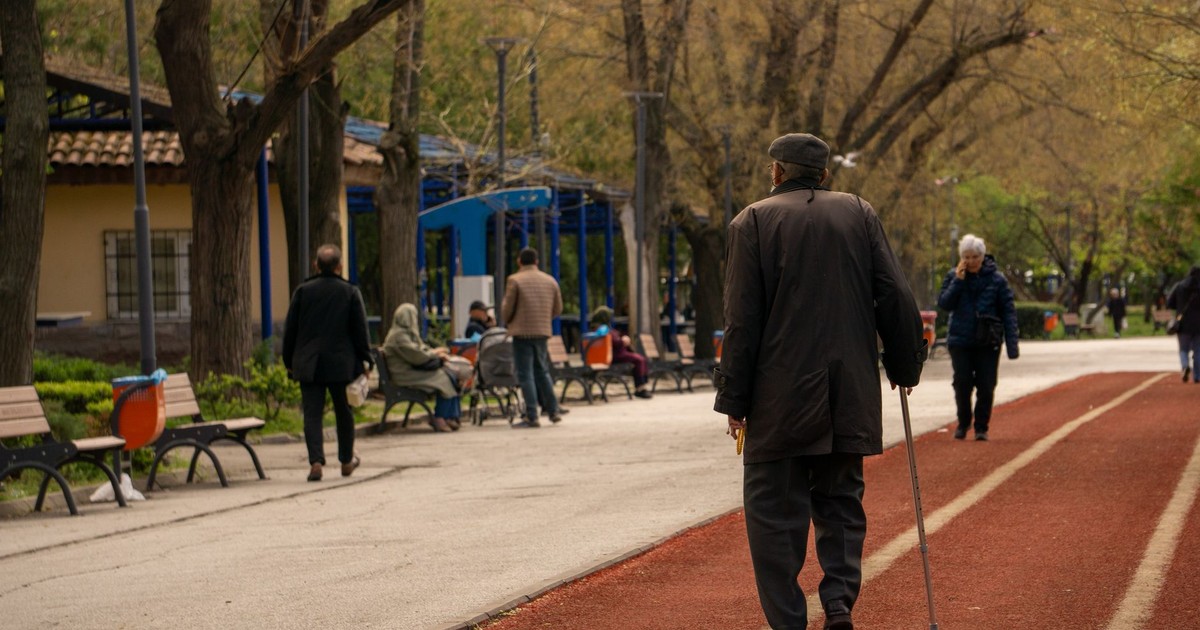
Walking doesn’t feel like exercise in the way a spin class or a 5K does. It doesn’t come with a leaderboard or a post-workout protein shake. And yet it keeps turning up at the top of every longevity dataset, which is either very encouraging or a little humbling depending on how seriously you’ve been taking your gym membership.
A major Lancet study found that just five extra minutes of brisk walking per day could reduce the risk of death among the general population by 10%. Five minutes. The researchers examined data from almost 95,000 middle-aged and older adults in the UK, and 40,000 people from Norway, Sweden, and the US. The dose-response relationship was steep, particularly for the least active people.
Walking also has consistency going for it. It is the exercise people actually keep doing. It doesn’t require equipment, a partner, a warm-up, or a particular level of fitness. It can happen on a lunch break, after dinner, or in the time it would take you to scroll through your phone for twenty minutes.
2. Strength Training
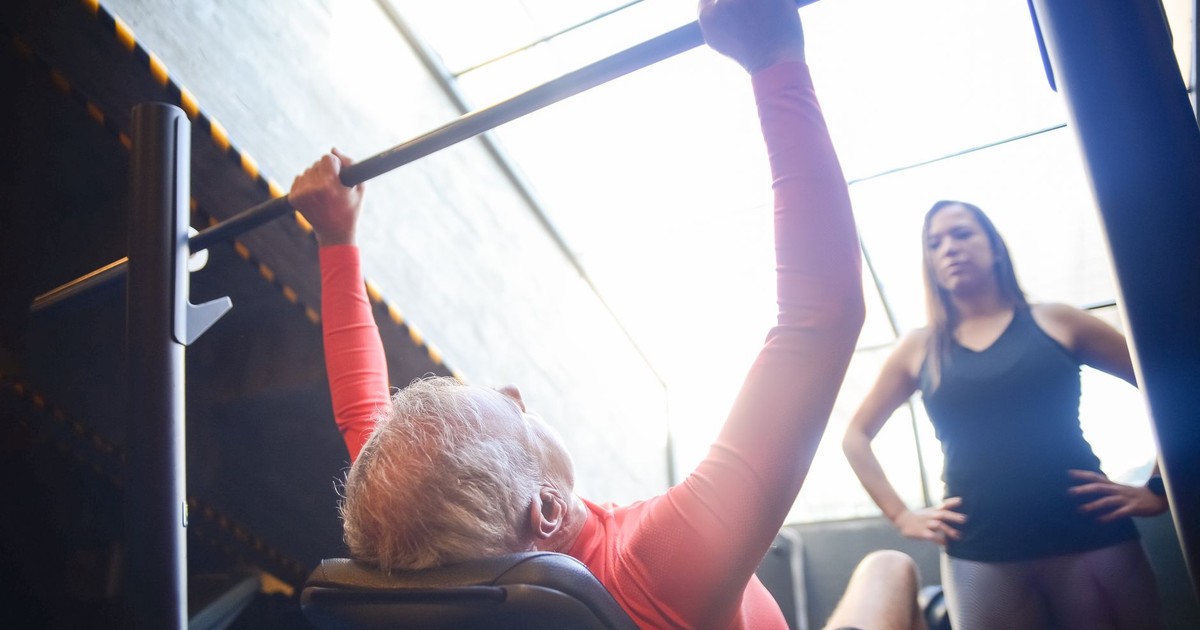
For a long time, the longevity conversation was dominated by cardio. Run more, your heart will last longer. Strength training has since moved to the center of aging research.
A 2026 study from Harvard T.H. Chan School of Public Health tracking more than 147,000 people for 30 years found that just 90 to 120 minutes of strength training per week may deliver some of the biggest long-term health rewards, linked to lower risks of death overall. Two sessions a week, roughly 45 to 60 minutes each, and you are in the zone where the protective benefits appear to be strongest. More is not necessarily better beyond that threshold.
Strength training preserves bone density, improves insulin sensitivity, and keeps the body capable of absorbing impact. The Harvard research notes that pairing strength training with aerobic exercise is a sound approach for longevity, because strength work enhances muscle mass and lean body composition while aerobic exercise strengthens the circulatory system. People who regularly did both had up to a 45% lower risk of dying during the study period than those who did neither.
3. Swimming
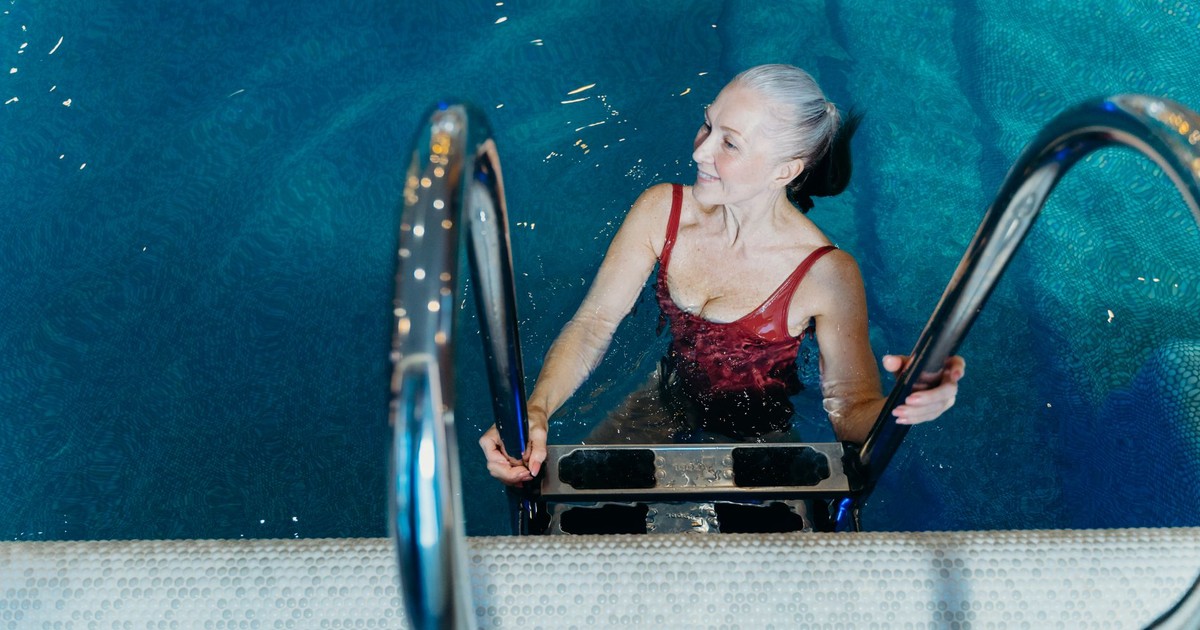
Swimming is one of the most cardiovascular-demanding activities a body can do, and it does it while being almost entirely forgiving of the joints. For anyone whose knees have opinions about running, this matters.
A study commissioned by Swim England found that swimmers were 41% less likely to die of heart disease or stroke and 28% less likely to die early of any cause. The reason comes down to physics: water resistance means you are working against force in every direction, not just fighting gravity, which loads the cardiovascular system without the joint impact of land-based exercise.
Water-based movement also doesn’t have to mean laps. Water walking, water running, and aqua aerobics classes all bring the cardiovascular load with the same joint-friendly properties.
4. Running
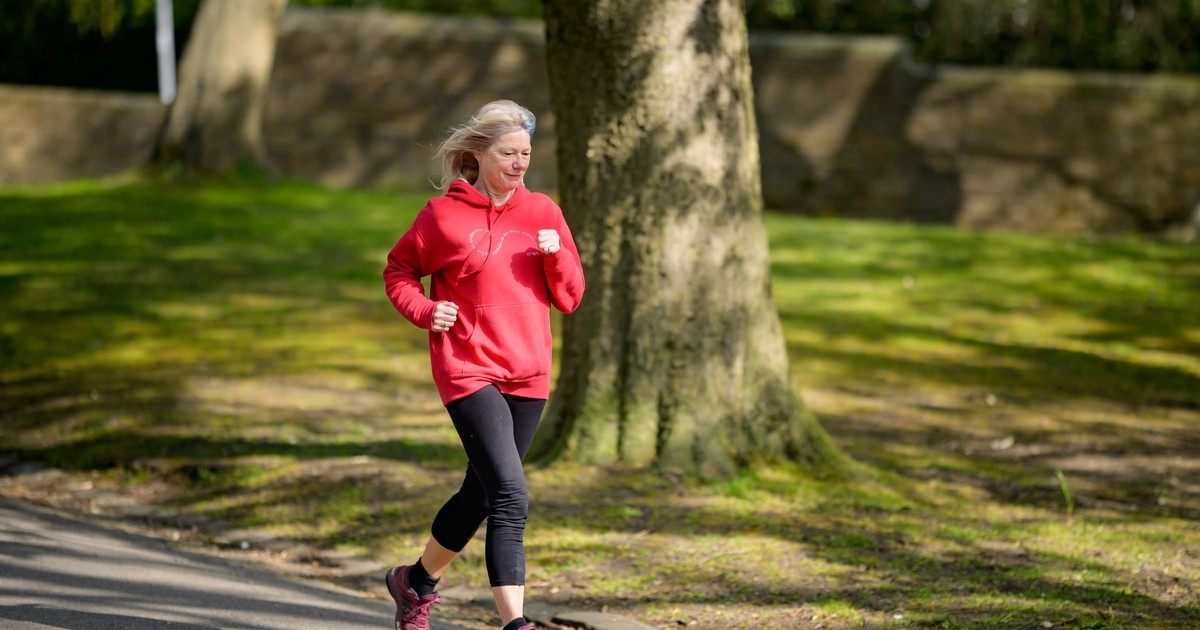
Running has a complicated reputation in the longevity space, partly because of well-publicized concerns about whether extreme endurance training might stress the heart over decades. The evidence on moderate running is consistently positive.
A study published in JAMA Network Open found that adults who were active at the recommended guidelines had a 13% lower risk of death compared with inactive participants, with racquet sports associated with a 16% reduction and running with a 15% reduction among all activities analyzed. You don’t have to be fast or particularly disciplined about it. Even slow, short runs confer protective benefits. The cardiovascular adaptations running creates, particularly in heart muscle efficiency and blood pressure regulation, compound meaningfully over years.
The research distinguishes clearly between moderate recreational running and the kind of extreme-volume training that prepares someone for an ultramarathon. For most people, the question is never whether to run 100 miles a week – it’s whether 20 minutes on a Tuesday evening still counts. It does.
5. Cycling
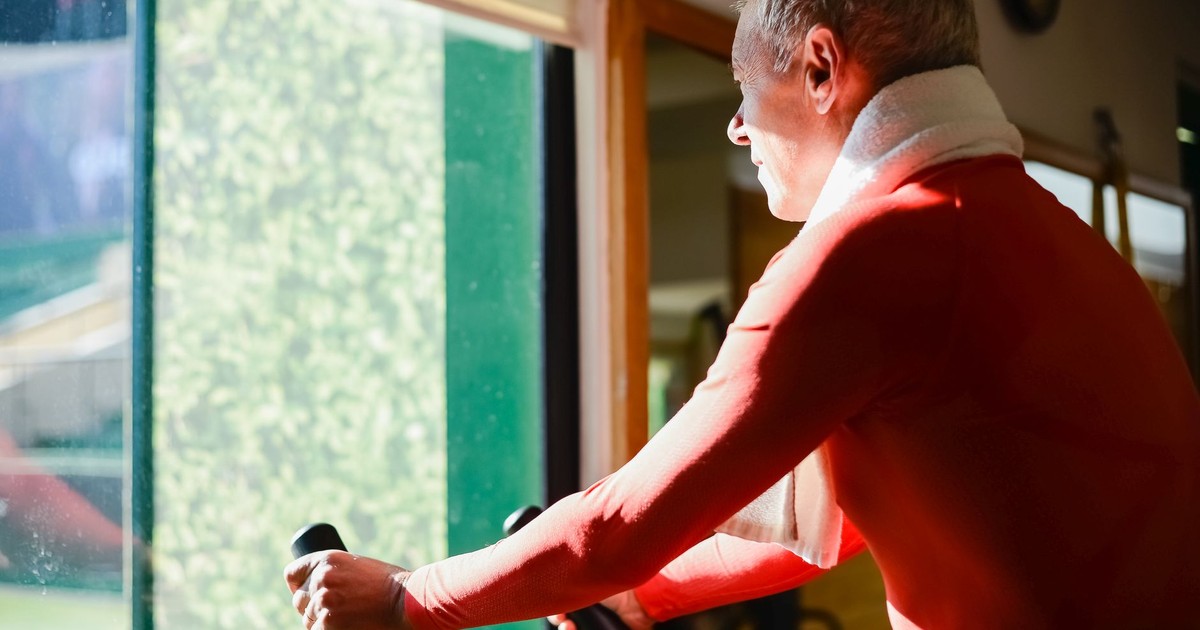
Cycling shares a lot of biochemical territory with running – elevated heart rate, improved cardiovascular efficiency, better metabolic markers – while removing the repetitive impact on knees and hips that makes running difficult for some people. It is also one of the few exercises that can genuinely double as transportation, which removes the scheduling problem entirely.
A sweeping review found that aerobic exercises like walking and cycling offer the best pain relief and mobility gains for knee osteoarthritis. For people who are managing any chronic joint condition and trying to stay active into their 60s, 70s, and beyond, this is not a minor detail.
Both indoor and outdoor cycling count equally on the evidence side. A stationary bike in a living room at 6 a.m. is biologically identical to a road bike on a weekend morning. What tends to separate people who keep cycling from those who don’t is usually whether they find it enjoyable.
6. High-Intensity Interval Training (HIIT)
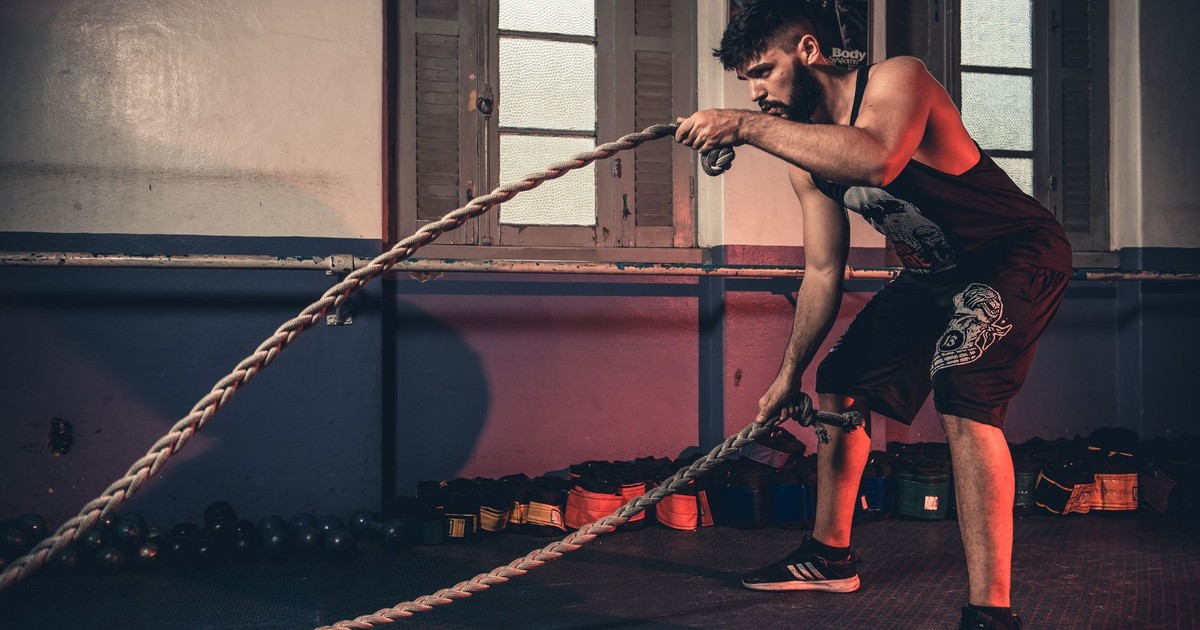
HIIT – alternating short bursts of hard effort with recovery periods – has accumulated a strong research record over the past decade, partly because it delivers significant cardiovascular benefits in a compressed timeframe. For example, sprinting for 30 seconds followed by 90 seconds of walking, repeated for 15 to 20 minutes, improves cardiovascular health, increases insulin sensitivity, and boosts metabolism.
The high-intensity intervals push the cardiovascular system in ways that continuous-pace cardio does not, which appears to trigger a more pronounced adaptive response in the heart and lungs. VO2 max – the body’s maximum oxygen uptake capacity, which is one of the strongest single predictors of longevity – responds well to HIIT training, more so per unit of time than most other exercise formats.
HIIT is demanding, and launching into it from a sedentary baseline carries real injury risk. Once someone has a reasonable aerobic base, incorporating intervals is an efficient way to extend the longevity benefits of exercise without adding hours to the weekly schedule.
7. Yoga
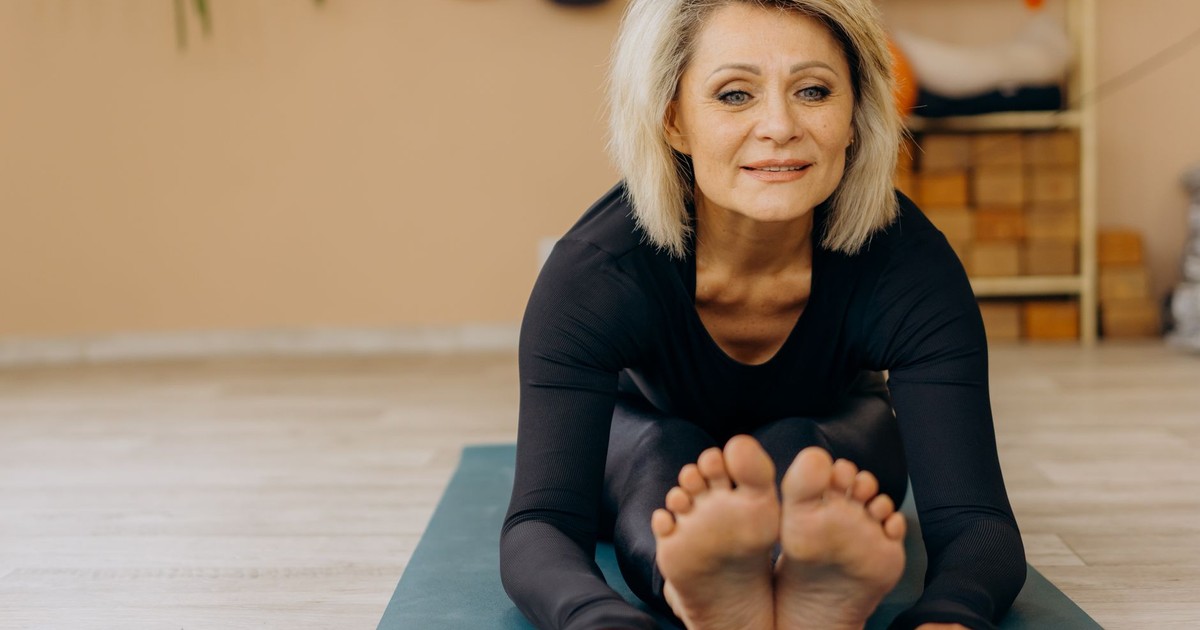
Aerobic exercise enhances blood flow to the brain, stimulates new neuron growth, and improves memory, while mindful exercises like yoga and Tai Chi add the benefit of reducing stress, which accelerates aging when left unchecked. Chronic stress drives inflammation, disrupts sleep, suppresses immune function, and has measurable effects on telomere length – the biological markers of cellular aging. Yoga addresses that axis in a way that a spin class doesn’t. If you’re curious about longevity habits that combine movement and purpose, the overlap between what yoga offers and what the research says about long-lived people is genuinely striking.
Yoga also builds functional strength in ways that surprise people who try it seriously for the first time. Holding a warrior pose for 45 seconds requires more from your legs, core, and stabilizing muscles than it looks like it should. Over months and years, that translates into the kind of balance and muscular endurance that prevents falls – a leading cause of serious injury and functional decline in older adults.
8. Tai Chi
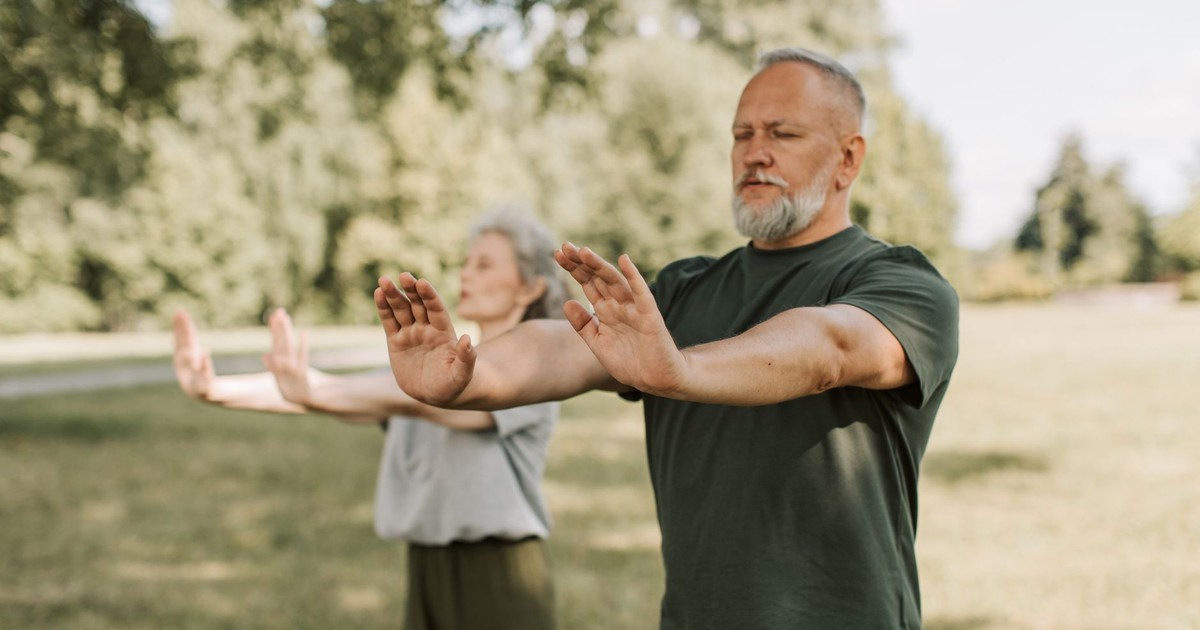
Tai chi is slow, deliberate, and does not raise the heart rate the way running or cycling does. What it does instead is work on the systems that most people don’t think about until they start failing: balance, proprioception (the body’s sense of where it is in space), and the neuromuscular coordination that keeps someone from going down on an icy sidewalk.
A 2023 review published in Frontiers in Public Health analyzed 24 randomized controlled trials and found that Tai Chi effectively reduced the risk of falls in older adults, with protection increasing the longer people practiced it. Falls are one of the primary pathways through which otherwise healthy older adults lose independence, spend time in hospitals, and develop the cascading health complications that follow immobility. An exercise that demonstrably reduces fall risk extends healthy life.
Tai chi also has documented effects on blood pressure, anxiety, and sleep quality – each of which has its own downstream relationship with how long and how well a person lives. It requires no equipment, can be practiced indoors or outdoors, and is gentle enough for people managing chronic conditions.
9. Racquet Sports
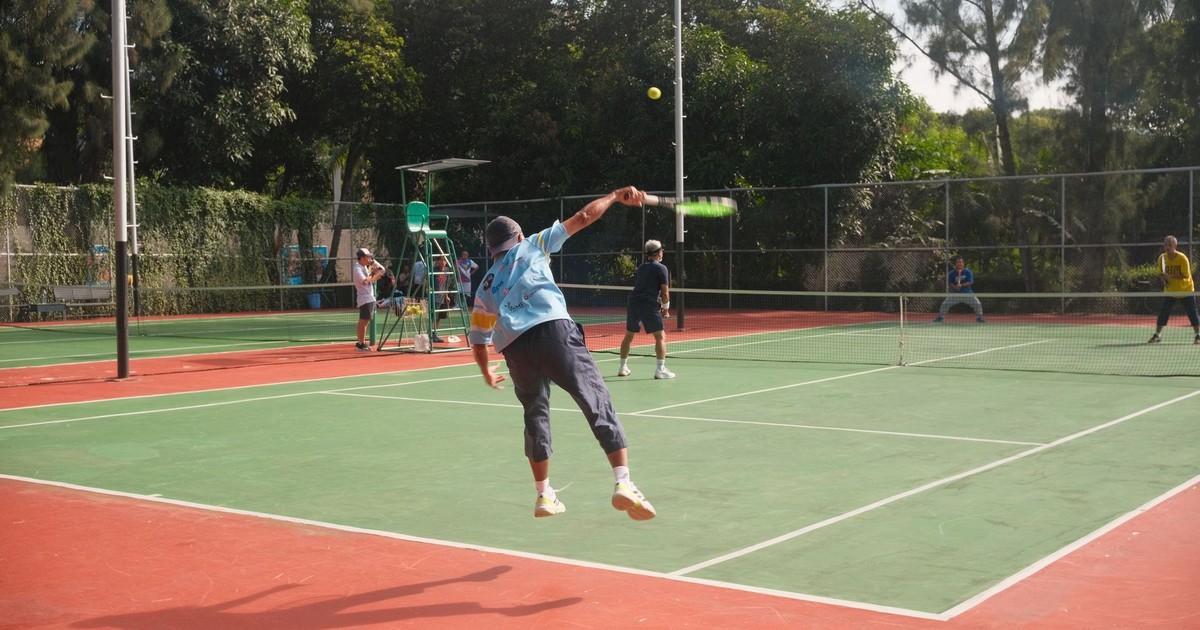
Tennis, pickleball, squash, badminton – anything that involves a net, a court, and an opponent. Racquet sports have consistently shown strong associations with longevity in large population studies.
Research from the NIH found that among older adults who exercised regularly, those who met the physical activity guidelines had a 13% lower risk of death compared with inactive participants, while racquet sports showed the greatest reduction in all-cause mortality risk of any individual activity measured, at 16%, followed by running at 15%. Racquet sports require rapid lateral movement, reactive decision-making, hand-eye coordination, and brief explosive efforts – a combination that taxes the cardiovascular system, the neuromuscular system, and the brain in ways that a treadmill doesn’t replicate.
Playing doubles tennis or a round of pickleball involves other people, competitive engagement, and the scheduling commitment of turning up to meet someone. Research on longevity consistently finds social connection and purpose woven through the habits of people who live longest – and racquet sports bundle all of that into a single activity.
The Point Isn’t the List
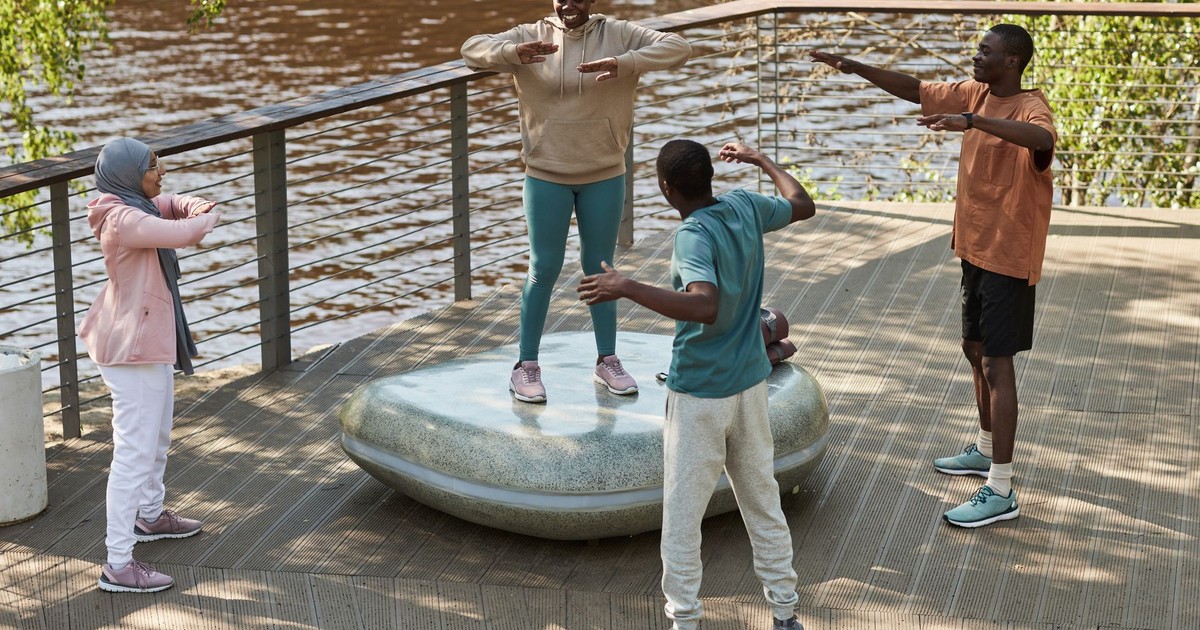
People who participate in different types of physical activity tend to have a lower risk of death regardless of how much total exercise they do. Nine items on a list is not a prescription to do all nine. It is an argument for not doing only one.
The body adapts to whatever you consistently ask of it, and once adapted, the stimulus is largely gone. A person who has run five days a week for a decade has a cardiovascular system built for running – but their balance, their muscle mass, their flexibility, and their reactive neuromuscular coordination may be eroding in the background.
Pick two or three things from this list that you might actually sustain. Then, when one of them starts to feel like it’s on autopilot, add something different.
Disclaimer: This information is not intended to be a substitute for professional medical advice, diagnosis, or treatment and is for information only. Always seek the advice of your physician or another qualified health provider with any questions about your medical condition and/or current medication. Do not disregard professional medical advice or delay seeking advice or treatment because of something you have read here.
AI Disclaimer: This article was created with the assistance of AI tools and reviewed by a human editor.