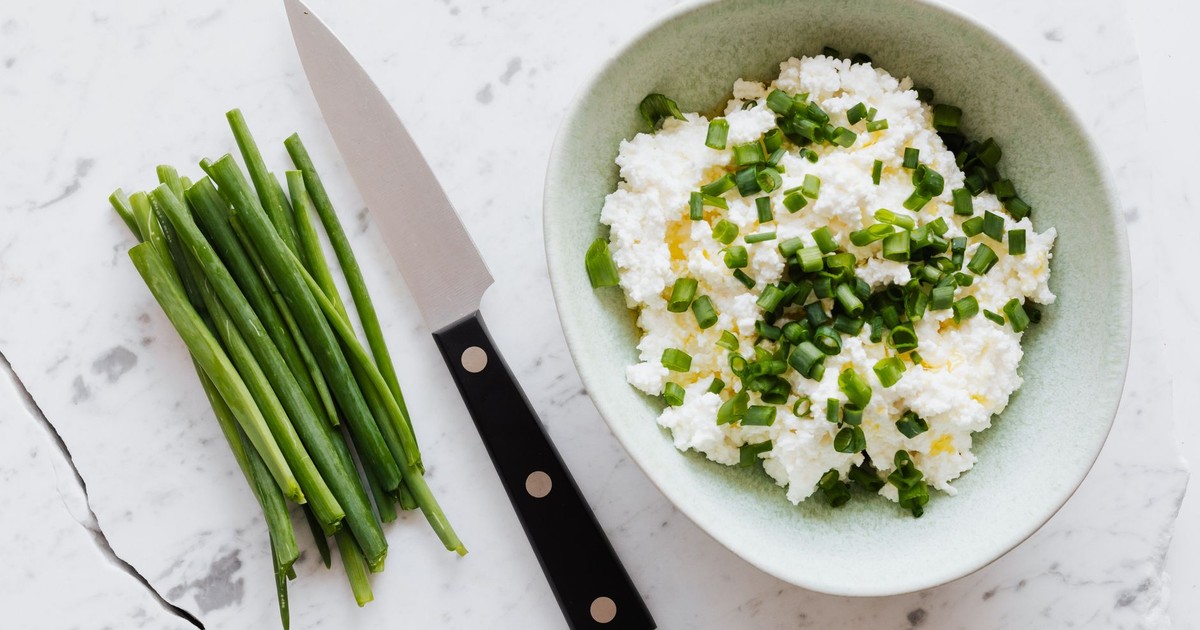

Somewhere between 2023 and now, cottage cheese went from a sad refrigerator afterthought to the most Instagrammed ingredient in a generation. People are blending it into ice cream, whipping it into pasta sauce, spreading it on toast, and swirling it into smoothies. TikTok made it happen, the protein obsession kept it going, and now grocery stores across the country are running out of the stuff faster than manufacturers can make it. The irony is that the food everyone is buying specifically for its protein is not actually as protein-dense as the hype suggests. It’s a genuinely good food. It’s just not quite the miracle most people think they’re scooping out of that plastic container.
The shortage is real. Walk down the dairy aisle in enough supermarkets and you will find gaps where the cottage cheese should be, especially for organic varieties or the brands that went viral. Wholesale buyers are still waiting on back orders. Good Culture, one of the labels that became a TikTok darling, posted publicly on Instagram in mid-2025 acknowledging what customers already knew: “We know it’s been hard to find us lately.” Organic Valley, another beloved brand, found itself in the same position. The demand simply outran production faster than factories could respond, and dairy processing is not the kind of thing you scale up in a weekend.
Influencers started teaching their followers how to make cottage cheese flatbreads, cottage cheese bagels, high-protein pasta, and the now-legendary cottage cheese ice cream. Millions of views turned into millions of trips to the dairy aisle. And unlike a viral spice blend that runs out for a week and then floods back onto shelves, cottage cheese requires fermentation, pasteurization, specialized equipment, and carefully managed milk supply contracts. The restock timeline is measured in months.
How Big the Boom Actually Is
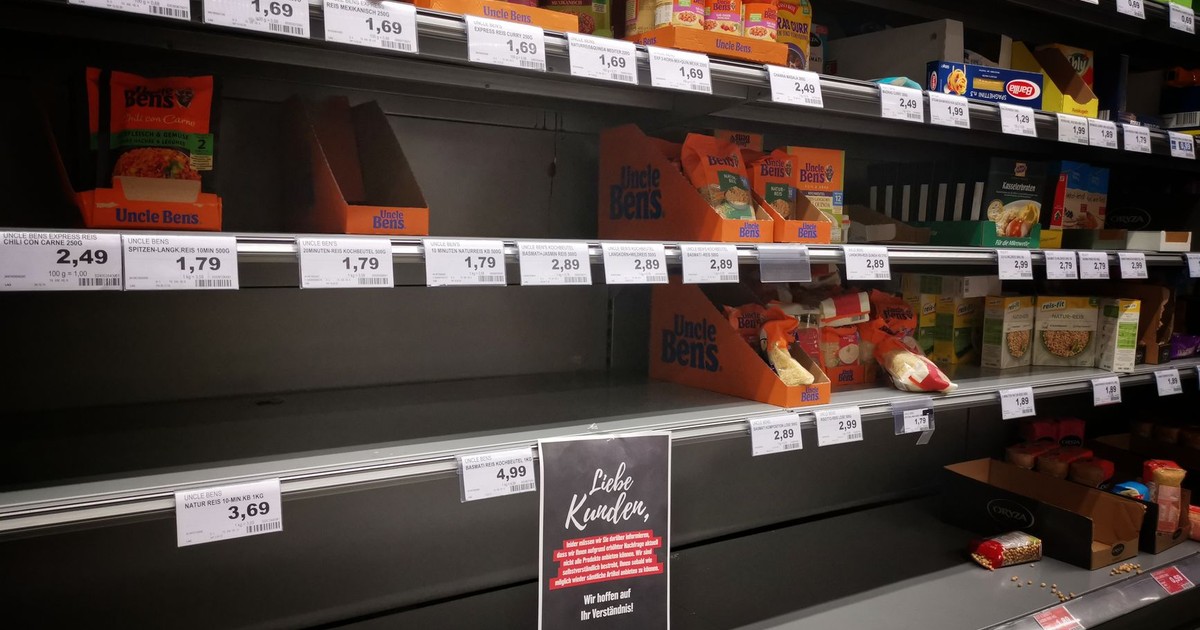
Cottage cheese sales rose to more than $2 billion in 2025, up 82 percent from 2022, according to Circana data. Not 82 percent over a decade. Eighty-two percent in three years. Sales rose 11 percent in 2022 after a long slump, then climbed another 17 percent in 2023, and again by 17 percent in 2024. In the 52 weeks leading up to mid-June 2025, sales jumped nearly 20 percent in grocery stores and big chains.
Organic Valley’s cottage cheese sales grew over 30 percent in the first half of 2025 compared to the same period the prior year, according to the co-op. To combat the sudden boom, brands like Good Culture and Organic Valley have been increasing capacity by opening the floor to manufacturing partners. Some companies, such as Daisy Brand, are opening new facilities entirely, while others are investing in more equipment. But expanding dairy processing takes months. Equipment has to be sourced, facilities need to meet food safety standards, and milk supply contracts have to be negotiated.
A labor dispute at a cottage cheese producer in Quebec in late 2025 was partly to blame for shortages in eastern Canada during that period. One shopper in Montreal told a CTV reporter they had gone to three stores before finding a container. The demographic buying cottage cheese has also shifted considerably. Dairy consultant Mike McCully put it plainly: it used to be older adults eating cottage cheese, and “it just was not a very trendy product.” Now younger people are buying it in significant numbers.
What the Protein Numbers Actually Say
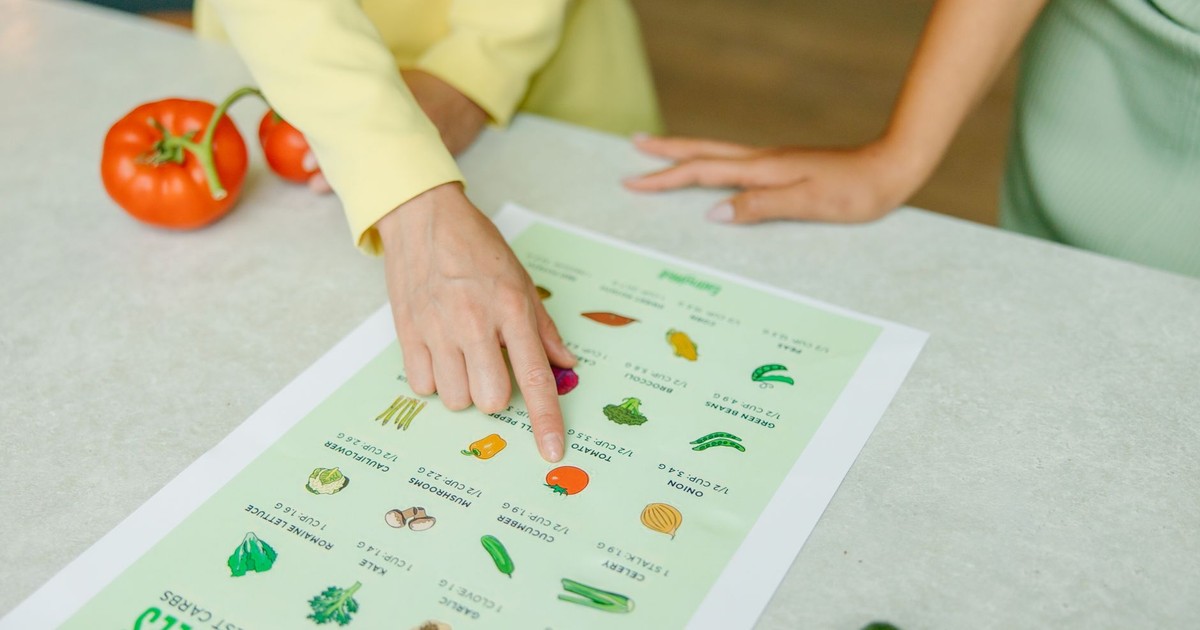
Cottage cheese is a legitimately good protein source. According to the American Dairy Association NE, a half-cup serving of low-fat (2%) plain cottage cheese contains around 90 calories, 5 grams of carbohydrates, 12 grams of protein, and 2.5 grams of total fat. It is also a complete protein, meaning it delivers all nine essential amino acids the body cannot produce on its own, and it contains a useful ratio of casein, a slow-digesting protein that keeps you full longer. For a food that costs a few dollars a tub and requires zero cooking, those numbers are respectable.
But “respectable” and “extraordinary” are different things, and the cottage cheese discourse has not always distinguished between them. A half-cup with 12 grams of protein is not the same as a chicken breast or a can of tuna. A 100-gram serving of cooked skinless chicken breast provides around 31 grams of protein. The same weight of cottage cheese comes in somewhere between 11 and 13 grams. The gap matters if someone is calculating their protein intake and assuming cottage cheese is punching at the same weight as animal proteins it is not replacing.
The comparison to Greek yogurt is equally complicated. Per ounce, cottage cheese has the slightest edge in protein count, according to registered dietitian Kristen Carli, MS, RD. But if you’re talking about serving sizes, Greek yogurt can pack in more protein because the suggested serving size is larger. The protein also varies across brands, so checking labels matters. The gap between the two is genuinely small, and both are excellent choices, but neither one is going to replace a meal’s worth of protein from more concentrated sources. The most accurate framing is that cottage cheese is a very efficient, affordable, low-calorie way to add a meaningful protein bump to a meal. It is not the replacement for meat that some viral recipes imply.
The Sodium Situation Nobody Mentions in the Flatbread Videos
Cottage cheese tends to be higher in sodium, so checking the nutrition label when making a selection at the supermarket and choosing a lower-sodium brand is worth doing. For perspective, Greek yogurt is considerably lower in sodium than cottage cheese by default. If someone is eating cottage cheese at multiple meals because they are trying to hit a protein goal, the sodium can add up in ways that matter for blood pressure. This does not make it a bad food. It makes it a food worth reading the label on.
Checking labels for sodium, saturated fat, and added sugar is worth doing, particularly for flavored varieties or brands that have added fruit, sweeteners, or other extras. Plain, low-fat cottage cheese from a brand with a short ingredient list is a different product nutritionally from a flavored version with extra sugars, and the two can look nearly identical in the refrigerator case.
Why It’s Still Worth Buying (When You Can Find It)
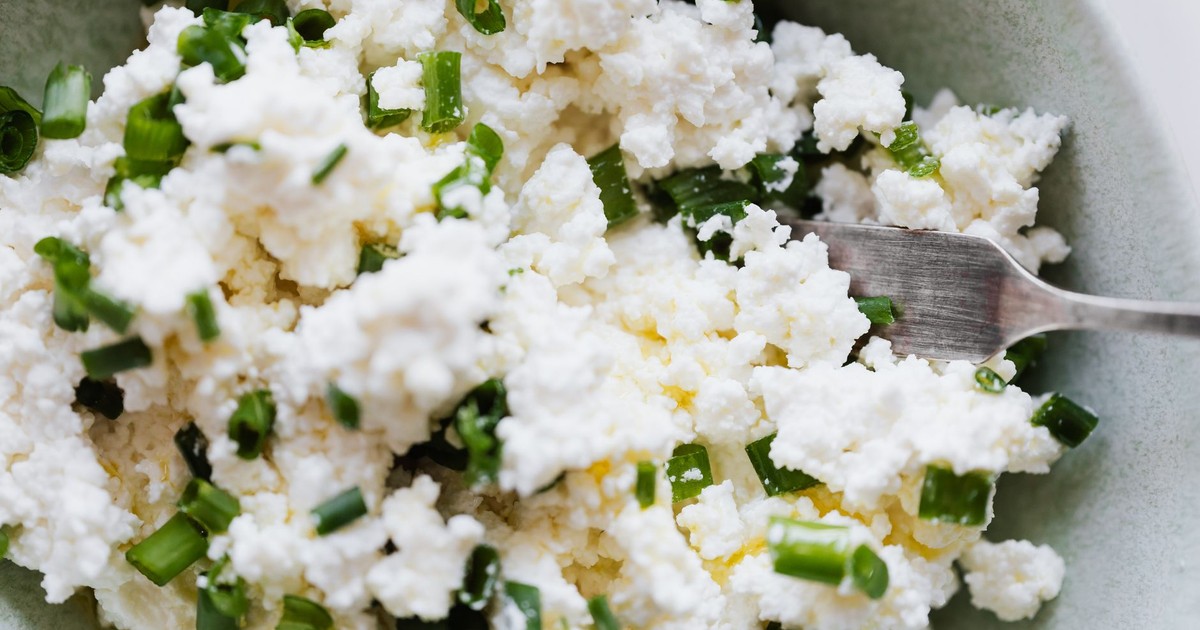
None of this is an argument against cottage cheese. It remains one of the better-value protein sources on the grocery shelf, and the fact that it can genuinely replace cream in pasta, thicken a smoothie, or serve as a spread on toast makes it more versatile than it looks. With its modest amount of carbohydrates per serving, around five grams, and no added sugar, plain cottage cheese is a sensible choice for people who need to monitor their blood sugar. Its protein content also slows digestion, helping promote blood sugar stability and preventing spikes.
Some cottage cheese contains live and active cultures, but only if they are added after the heating step in production — the heat used during processing kills any cultures introduced earlier. To find a brand with probiotics, look for the phrase “live and active cultures” on the label. Not all cottage cheese contains them, so if gut health is a priority alongside protein, that label check matters.
What cottage cheese protein is not: magic. It is not equivalent to a protein powder, not equivalent to chicken, and not a sufficient standalone source for anyone trying to hit aggressive protein targets through dairy alone. The TikTok recipes that blend it into “high protein” ice cream or stir it into pasta are adding meaningful protein to something that otherwise had very little. That’s a real win. But the base math still requires accounting for the rest of what you are eating.
What To Grab While Shelves Are Bare
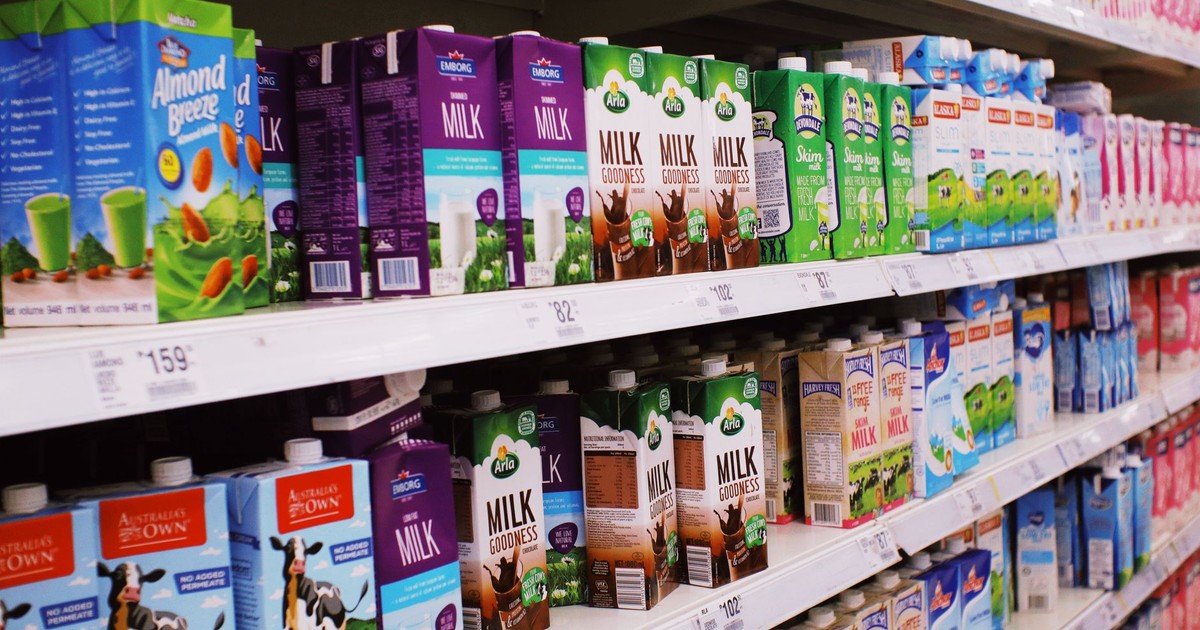
Greek yogurt, ricotta, high-protein milk, eggs, fish, beans, lentils, nuts, and seeds can all help fill the protein gap when cottage cheese is hard to find. Greek yogurt is the obvious first substitute, and it works in nearly every recipe where blended cottage cheese would appear, including the dips, the pasta sauces, and the smoothies. Ricotta has a closer texture to unblended cottage cheese and works beautifully in savory dishes and baked goods.
For anyone specifically chasing the casein benefits, the slow-digesting protein that makes cottage cheese a popular pre-sleep snack in fitness circles, plain Greek yogurt or even a glass of whole milk will do the same job. Casein is naturally present in all cow’s milk products, not just the curdled ones.
What This Shortage Actually Tells You
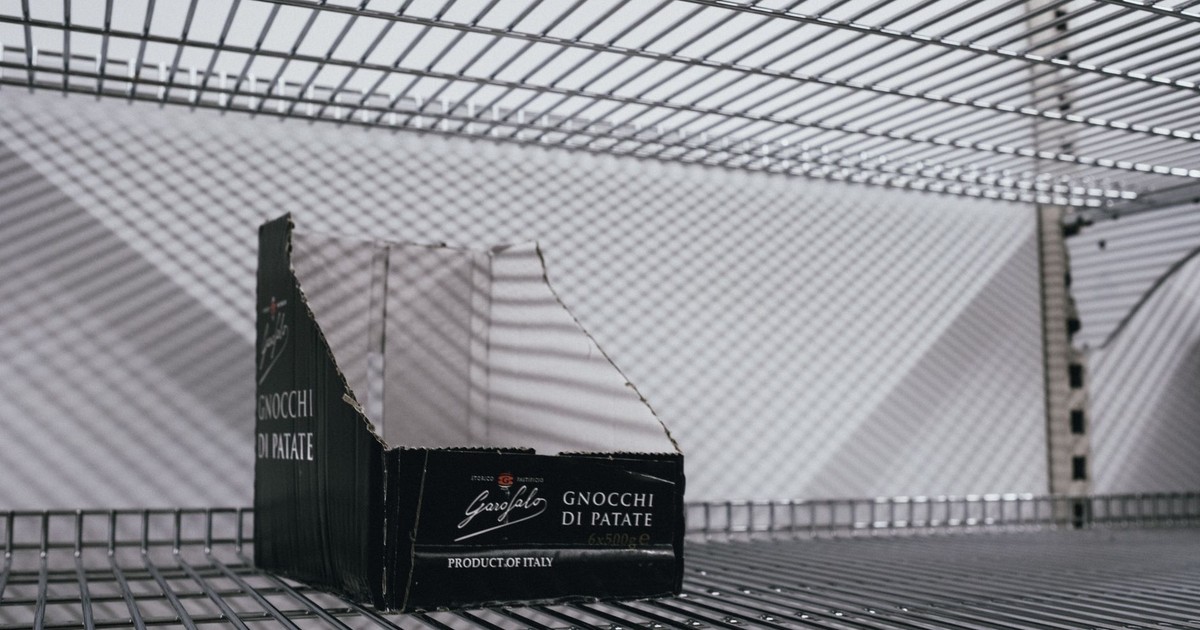
A food that was considered borderline unfashionable three years ago is now selling out faster than some of the largest dairy producers on the planet can restock it, because people decided they needed more protein and found something cheap, convenient, and genuinely decent. Supply still hasn’t caught up with demand, even for some of the largest cottage cheese brands, and the shortage is expected to continue through 2026. New competitors are entering the market, existing brands are expanding facilities, and eventually the shelves will be reliably stocked again.
The more lasting takeaway is not about the shortage. It is about the gap between what a food is and what a trend says it is. Cottage cheese protein content is real, solid, and underrated, and it was always that way. The viral moment did not change the nutrition facts; it just changed how many people were reading them. Whether you’re blending it, spreading it, or eating it plain out of the container with a spoon at 11pm because it was the only thing left in the fridge, you are doing fine. Just check the sodium.
Disclaimer: This information is not intended to be a substitute for professional medical advice, diagnosis, or treatment and is for information only. Always seek the advice of your physician or another qualified health provider with any questions about your medical condition and/or current medication. Do not disregard professional medical advice or delay seeking advice or treatment because of something you have read here.
AI Disclaimer: This article was created with the assistance of AI tools and reviewed by a human editor.