

You wake up having slept seven hours, eaten a reasonable dinner, done nothing particularly strenuous the day before, and you are still tired. Not dramatically exhausted, not sick-in-bed tired, just running at something like 70 percent when you used to run at a hundred. That specific, low-grade, hard-to-name fatigue is one of the most common complaints among adults over 50, and it almost never has a single cause.
Energy loss after 50 is real and biological, but it is also significantly accelerated by a handful of daily habits that are easy to overlook precisely because they seem so normal. Not dramatic choices, nothing obviously wrong, just small, accumulated decisions that drain the tank before noon. Some of them are things you’ve been told are healthy. A couple of them will feel like a personality attack.
The twelve mistakes below are drawn from current research and clinical understanding of how the body changes after 50. None of them require a complete life overhaul. But identifying the ones that apply to you is usually where things start to turn around.
1. Skipping Strength Training

Starting around age 40, the body loses roughly 1 percent of muscle mass per year, and the rate increases through the 50s — a condition called sarcopenia. Since muscle is metabolically active tissue, less of it means the body burns fewer calories at rest and produces less physical power for everyday tasks. The result is that things that once required nothing from you (carrying groceries, climbing two flights of stairs, standing at a kitchen counter for an hour) now cost something. You get through them, but you notice them.
Cardio alone — walking, cycling, swimming — does not rebuild the metabolically active tissue you’re losing with each decade. Stanford Medicine lists resistance training — exercises like squats, bicep curls, lunges, or pushups where your muscles work against an external force — among the exercise habits worth prioritizing in your 40s and 50s, alongside endurance exercise.
Two sessions a week of body-weight or light resistance work is enough to make a measurable difference in resting energy, not just strength. The reason people skip it is usually time, or the lingering belief that weights are for people who are trying to look a certain way, not for people who just want to feel less depleted.
2. Being Chronically Dehydrated
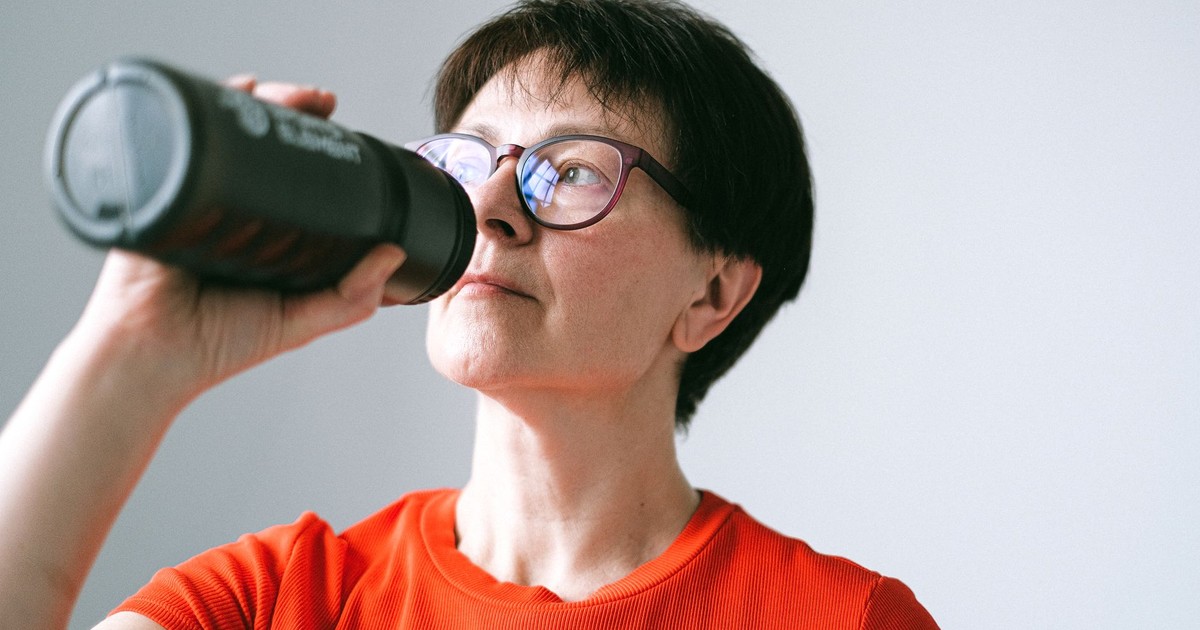
Most people in their 50s and beyond are running mildly dehydrated more often than they think. A July 2025 review in MDPI Nutrients found that dehydration can adversely affect metabolism, thermoregulation, digestion, and neurological, kidney, and heart function, and that aging, along with disease and medications, affects water and electrolyte levels in ways that make dehydration more likely. The thirst signal also becomes less reliable with age, meaning you can be meaningfully dehydrated without feeling particularly thirsty.
Dehydration can result in fatigue, muscle weakness, lightheadedness, and dizziness, which can lead to falls, and falls in older adults often lead to fractures. A glass of water before coffee in the morning, and a deliberate effort to drink through the afternoon rather than waiting until thirst arrives, can change the energy arc of your day.
3. Eating Too Many Refined Carbohydrates

Refined carbohydrates (white bread, pastries, crackers, most commercial cereals, sweetened drinks) digest quickly and create a rapid spike in blood sugar followed by an equally rapid crash. That crash is the 2:30 p.m. wall. The one where you could lie down on your office floor and sleep for an hour.
After 50, the body’s ability to regulate blood sugar becomes less efficient, which means these peaks and troughs become more pronounced and the post-crash fatigue arrives with far more force. Protein and fiber, by contrast, slow digestion and produce a far more stable energy release over three to four hours. A lunch of pasta with nothing else, eaten at a desk, is a reliable energy deficit waiting to happen. Add protein, add something green, and the afternoon feels entirely different.
4. Getting Quantity of Sleep Without Quality
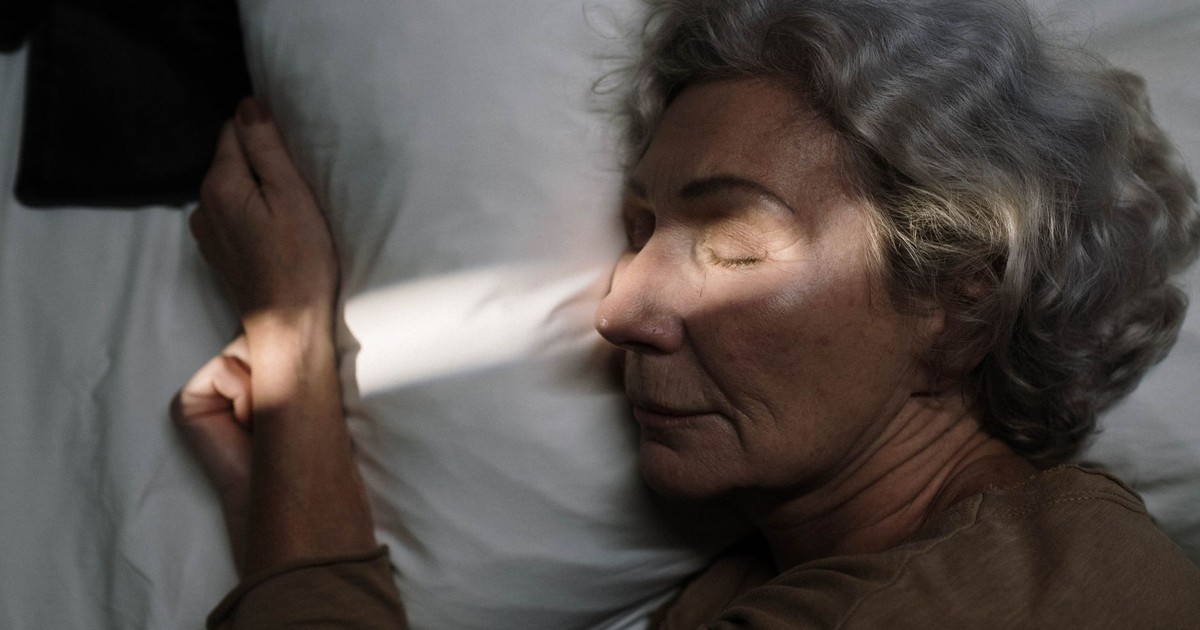
You can fix fatigue by spending more hours in bed only if the hours you’re logging are actually restorative, and for many people over 50, that assumption is wrong. Several biological changes converge around this age: hormones decline steadily, sleep architecture changes, and the body becomes less efficient at absorbing key nutrients. The change in sleep architecture specifically means spending less time in deep, slow-wave sleep (the stage where physical restoration happens) and more time in lighter, more fragmented sleep.
You can spend eight hours in bed and wake up feeling like you slept five. The culprits are varied: alcohol consumed in the evening disrupts REM sleep significantly even in moderate amounts, screens before bed delay melatonin release, and sleep deprivation effects compound across consecutive nights far faster than most people assume. Hot flashes and other hormonal symptoms add another layer for women in perimenopause and beyond. The goal after 50 is not longer sleep; it is more consolidated, deeper sleep, which often requires more deliberate attention to the conditions around it.
5. Sitting for Hours Without Moving

A 2024 study in the Journal of the American Heart Association found that older women who sat for 11.7 hours or more per day increased their risk of death by 30 percent, regardless of whether they exercised vigorously. The problem isn’t a lack of exercise sessions; it’s unbroken sedentary time between them.
Sedentary behavior reduces muscle contractions, blood flow, and glucose metabolism. When you’re sitting, blood flow throughout the body slows down, decreasing glucose uptake. Your cells become less efficient at producing energy from glucose, which feeds directly back into that late-morning and afternoon fatigue. Breaking up sitting every 45 minutes to an hour with even two to three minutes of movement restores circulation and glucose uptake in ways that accumulate meaningfully across a day.
6. Under-Eating Protein in the Morning

The typical American breakfast is carbohydrate-heavy and protein-light: a bowl of cereal, toast, a pastry, maybe a piece of fruit. That pattern sets up a blood sugar trajectory that bottoms out before lunch, and it also misses one of the key windows for muscle protein synthesis (the process by which the body repairs and builds the muscle tissue you want to hold onto after 50).
After 50, the body requires more dietary protein to achieve the same muscle-building stimulus as it did at 30, a phenomenon researchers call anabolic resistance. Spreading protein intake across morning and evening meals, rather than concentrating it at dinner, supports more consistent muscle protein synthesis throughout the day and produces more stable energy. Eggs, Greek yogurt, cottage cheese, smoked salmon – the options are not complicated.
7. Ignoring a Possible B12 or Vitamin D Deficiency

Both of these deficiencies are common in adults over 50, both cause fatigue as a primary symptom, and both are frequently missed because the fatigue they produce looks identical to the general tired-after-50 baseline. Vitamin B12 deserves special attention in this age group. The stomach produces less acid as you age, and that acid is essential for releasing B12 from food so your body can absorb it. Atrophic gastritis, a condition that further reduces acid production, becomes more prevalent with age and compounds this absorption problem — meaning you can eat plenty of B12-rich foods and still end up deficient.
Vitamin D deficiency is equally underdiagnosed and equally consequential for energy. It affects muscle function, immune regulation, and mood – three systems whose deterioration all register as fatigue before they register as anything else. A simple blood panel picks up both deficiencies, yet many adults go years without checking because they assume their tiredness is just an inevitable feature of being in their 50s. A treatable deficiency looks exactly like aging. The only way to distinguish them is to test.
8. Running on Chronic Low-Grade Stress

Chronic, low-grade stress is the version that does the most invisible damage, because it never announces itself dramatically enough to trigger a response. It just hums along in the background (the perpetual to-do list, the ongoing family situation, the financial thing that isn’t resolved, the ambient awareness that there are seventeen things that need attention) and it burns through your energy reserves the way leaving a dozen apps open burns through a phone battery.
When cortisol stays elevated over long periods, it disrupts sleep, increases inflammation, impairs glucose regulation, and suppresses the immune system. Every one of those effects feeds directly into fatigue. The body is not designed to sustain a low-level fight-or-flight response indefinitely, and after 50, the recovery from that sustained activation is slower than it was at 35. Even 10 to 15 minutes of quiet activity (a walk, breathing exercises, or simply sitting without a screen) can lower the stress hormones that drain energy reserves.
9. Relying Too Heavily on Afternoon Caffeine

Caffeine is genuinely useful for energy, up to a point and at the right time. The problem specific to people over 50 is that caffeine metabolism slows with age, meaning caffeine consumed at 3 p.m. stays active in the system longer than it did at 30. The half-life of caffeine (the time it takes for your body to clear half of a given dose) is typically five to six hours, but that figure extends further with age and with certain medications commonly prescribed to adults in midlife.
A cup of coffee at 3 p.m. to push through the afternoon slump often means residual caffeine in the bloodstream at 9 p.m., delaying sleep onset and reducing slow-wave sleep depth even when you feel like you fell asleep normally. You wake up less restored, reach for coffee earlier the next morning, and build a cycle that looks like ordinary adult fatigue but is actually a caffeine timing problem. Moving the caffeine cutoff to early afternoon (noon or 1 p.m.) is an adjustment that typically produces results within two to three days.
10. Social Withdrawal and Isolation
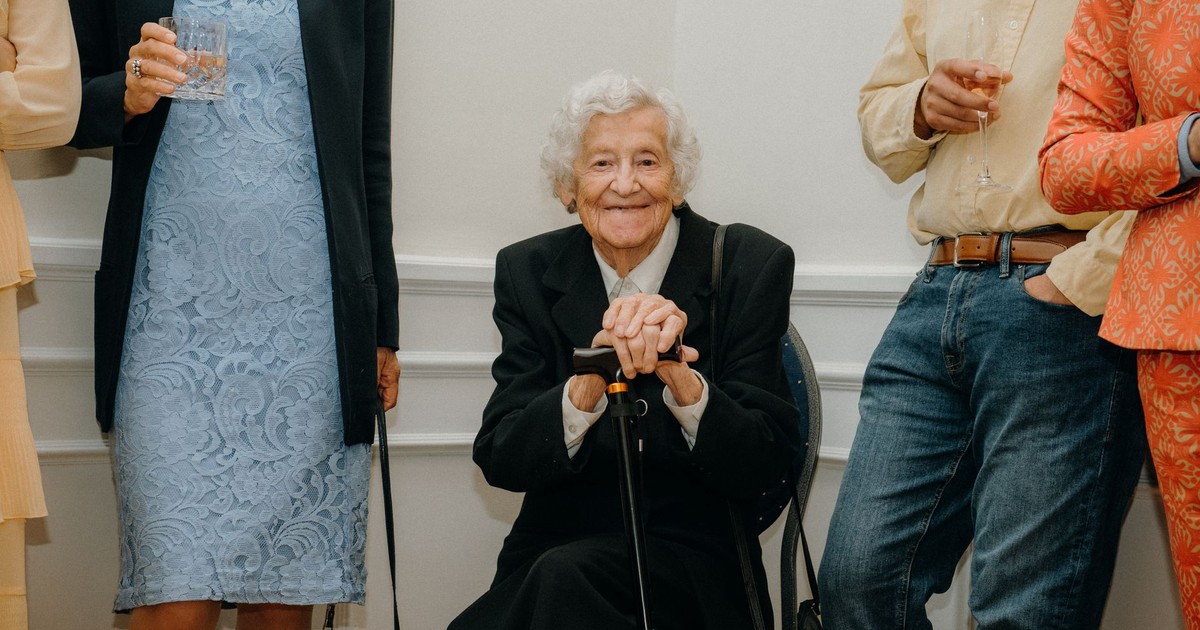
Anyone who has spent a whole day alone doing administrative tasks and emerged feeling inexplicably hollow has experienced the energetic cost of social disconnection, even when nothing physically demanding happened. After 50, when careers restructure, children leave home, and routines change, social connection becomes more effortful, and the effort required to maintain it often feels like one more demand rather than a source of replenishment.
Meaningful social interaction reduces cortisol, boosts dopamine and serotonin, and improves sleep. The absence of it produces the opposite effect. The friend group that shrinks but never gets rebuilt, the dinner invitations that get declined more than accepted, the weeks that pass without a real conversation – these are energy drains that no supplement or sleep intervention can compensate for.
11. Multitasking All Day Long

The brain does not multitask. What it does is switch rapidly between tasks, and each switch carries a cognitive cost: the mental effort of dropping context, reloading new context, and getting back up to speed. Do that dozens of times across a day and the accumulated cost is substantial, even on a day when nothing particularly difficult happened.
After 50, cognitive switching becomes somewhat less efficient, meaning the same amount of task-switching that felt merely tiring at 35 produces more pronounced fatigue at 55. A day of answering emails while on calls while tracking three separate projects while monitoring a family group chat is genuinely exhausting in a way that feels physical by late afternoon. Single-tasking, even for chunks of 30 to 45 minutes, dramatically reduces this cost and produces more actual output alongside less depletion.
12. Skipping the Health Checks That Would Explain Everything

Persistent, unexplained fatigue after 50 is sometimes attributed to lifestyle when it is actually a symptom of an identifiable medical condition. Thyroid dysfunction, anemia, sleep apnea, prediabetes, and iron deficiency are among the most common causes of energy loss in this age group, and all of them are detectable through standard blood work and physical assessment.
A few common blood tests can identify the most frequent culprits in adults over 50: thyroid function, blood sugar levels, iron and ferritin stores, vitamin B12, and a basic blood count. The reason people skip these checks is often a combination of wishful thinking (it’s probably just stress) and a resigned acceptance that fatigue is simply what being in your 50s feels like. Sleep apnea, to take one example, goes undiagnosed in millions of adults because it doesn’t always announce itself with dramatic snoring; it can present as simple, unexplained tiredness and morning headaches. Getting the panel done is an hour of your time and can answer questions that years of better sleep habits and dietary adjustments cannot.
Read More: The Real Reason You Still Feel Tired Even After Getting Enough Sleep
What’s Actually Going On Here
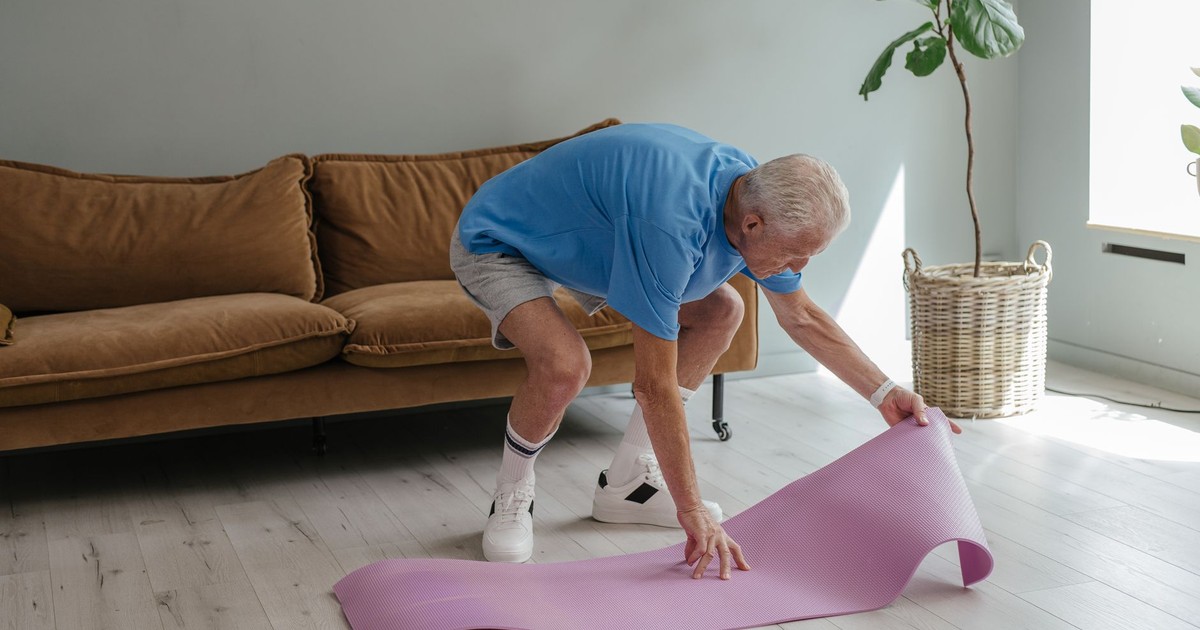
No single one of these mistakes causes catastrophic fatigue. What they do, collectively, is create a body that is perpetually running on less than it needs: less muscle, less hydration, less deep sleep, less protein, less movement, less connection, less downtime. The deficit compounds until 70 percent starts to feel like your normal.
Energy loss after 50 is real and some of it is genuinely biological, non-negotiable, and requires adaptation rather than a fix. But a surprising amount of it is addressable – not through a complete reinvention of your daily life, but through the less dramatic work of identifying which two or three items on this list are actively making things worse for you specifically. You don’t have to fix all twelve. You probably just need to fix the right ones.
Disclaimer: This information is not intended to be a substitute for professional medical advice, diagnosis, or treatment and is for information only. Always seek the advice of your physician or another qualified health provider with any questions about your medical condition and/or current medication. Do not disregard professional medical advice or delay seeking advice or treatment because of something you have read here.
AI Disclaimer: This article was created with the assistance of AI tools and reviewed by a human editor.