
Queen Elizabeth II died on September 8, 2022, and nothing about the monarchy has felt quite the same since. For 70 years, she was the only British monarch most people had ever known, a constant presence who somehow made the institution feel timeless. Her death changed that overnight. In the three years since, her family has faced cancer diagnoses, a spectacular fall from grace, and an estrangement that is only now showing signs of healing. Meanwhile, several countries that still technically answer to the Crown are asking whether they should continue doing so. These are the 15 most notable developments since the Queen’s passing.
Charles Waited 70 Years for This Job
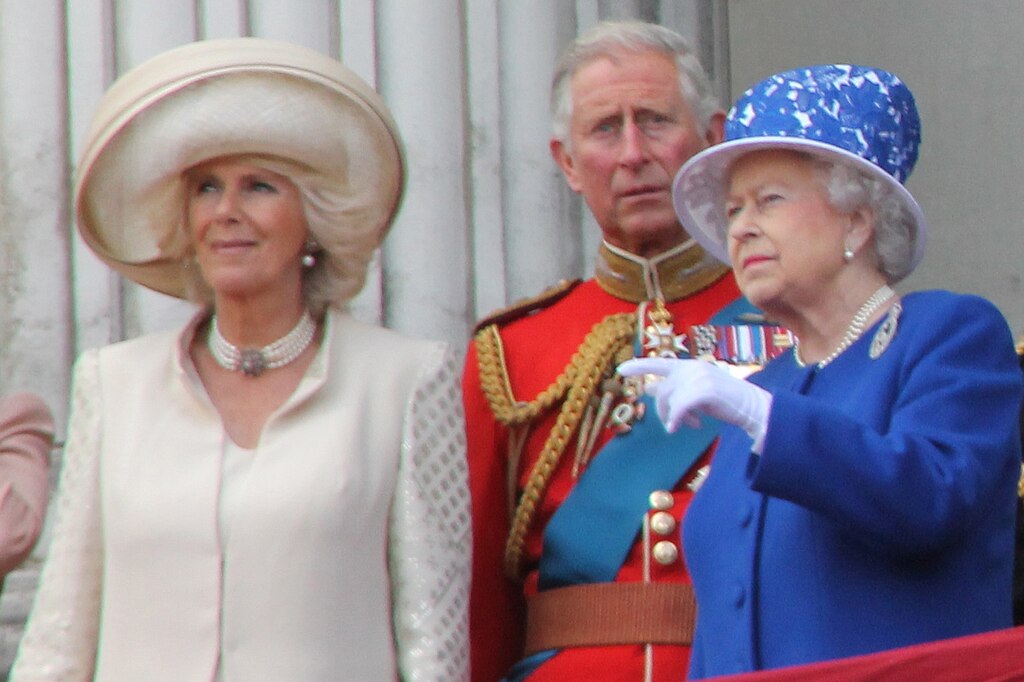
When Elizabeth became queen in 1952, Charles was only 3 years old. He then spent the next 7 decades waiting for his turn while his mother showed zero interest in stepping aside. By the time she died, he was 73, making him the oldest person to ever take the British throne. Most heirs get the job in their middle age or younger.
Which means Charles arrived with less runway than any modern king. Everyone knows his reign will be shorter than his mother’s, and his son William already stands as the more youthful face of the monarchy’s future. That dynamic has shaped everything about how Charles has approached the role. From the pace of his public appearances to the way he has handled family crises.
He Brought a Different Energy to the Role
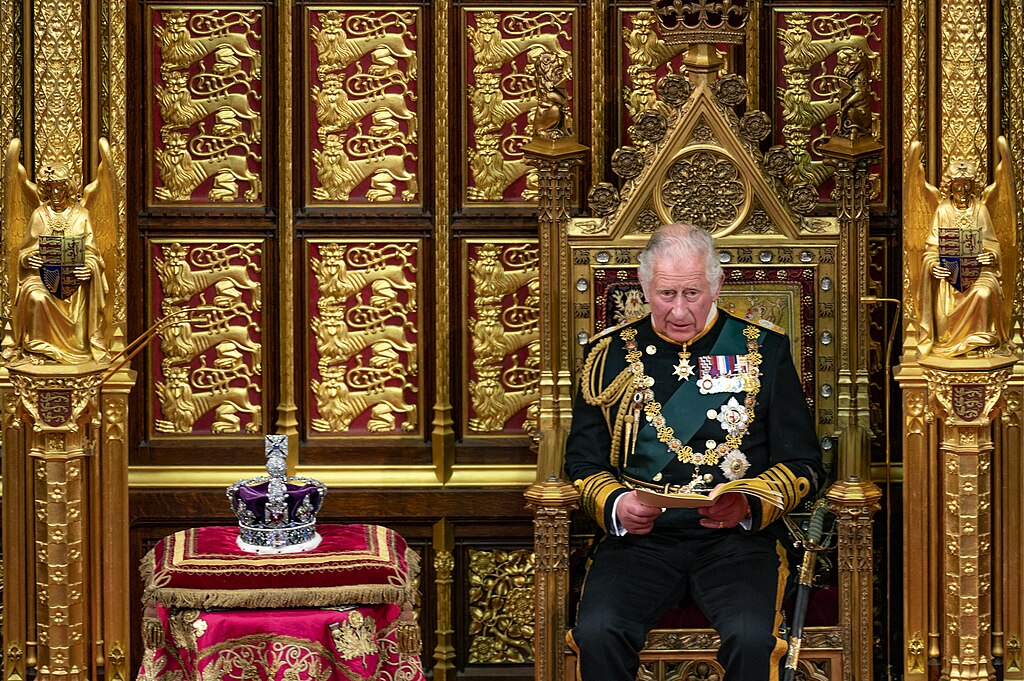
Elizabeth was famous for her restraint. She rarely showed emotion in public, kept her opinions to herself, and maintained a careful distance from anything controversial. Charles is not wired that way. During his first address to the nation after her death, he held back tears on camera. A few days later, the public watched him get visibly frustrated with a leaking pen during a signing ceremony in Northern Ireland.
He now carries his own pen to avoid that problem. These moments revealed someone who feels things and shows it, a real departure from his mother’s approach. He has also been more hands-on, sitting on the floor with congregants at a Sikh temple rather than standing apart. So far, the public seems to accept a more human king.
The Coronation Set the Tone
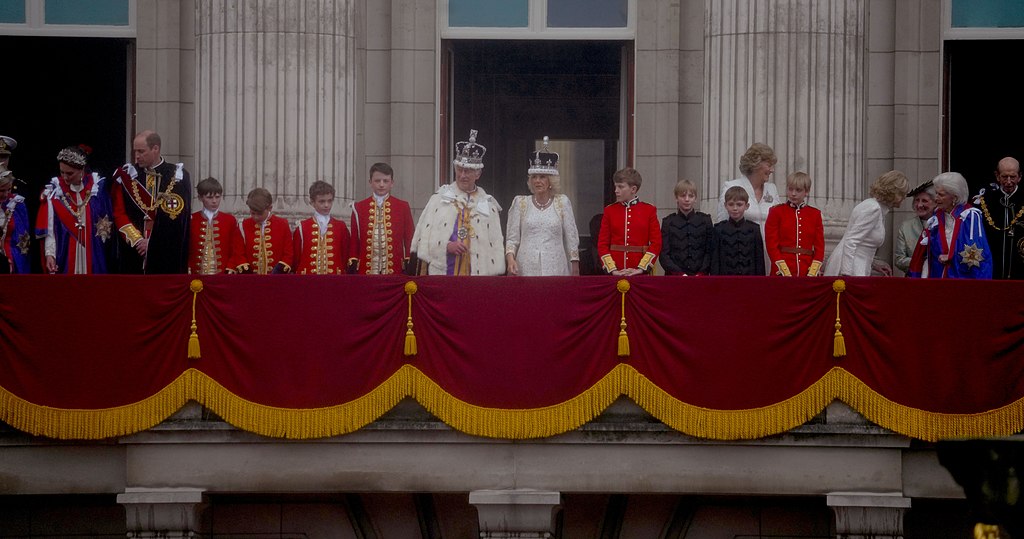
Charles and Camilla were crowned on May 6, 2023, at Westminster Abbey in a ceremony designed to signal what his reign would look like. It was shorter than his mother’s coronation in 1953 and included religious leaders from faiths beyond Christianity for the first time. Charles had been planning this for years because he saw it as his chance to show a monarchy that acknowledged Britain’s diversity without abandoning the traditions that gave the institution its weight.
Anti-monarchy protesters gathered in London that day, a reminder that not everyone believes the country needs a king. But the ceremony went off without major incident and formally launched what historians are calling the Carolean era. Nobody knew at the time how quickly that era would be tested.
Cancer Changed Everything
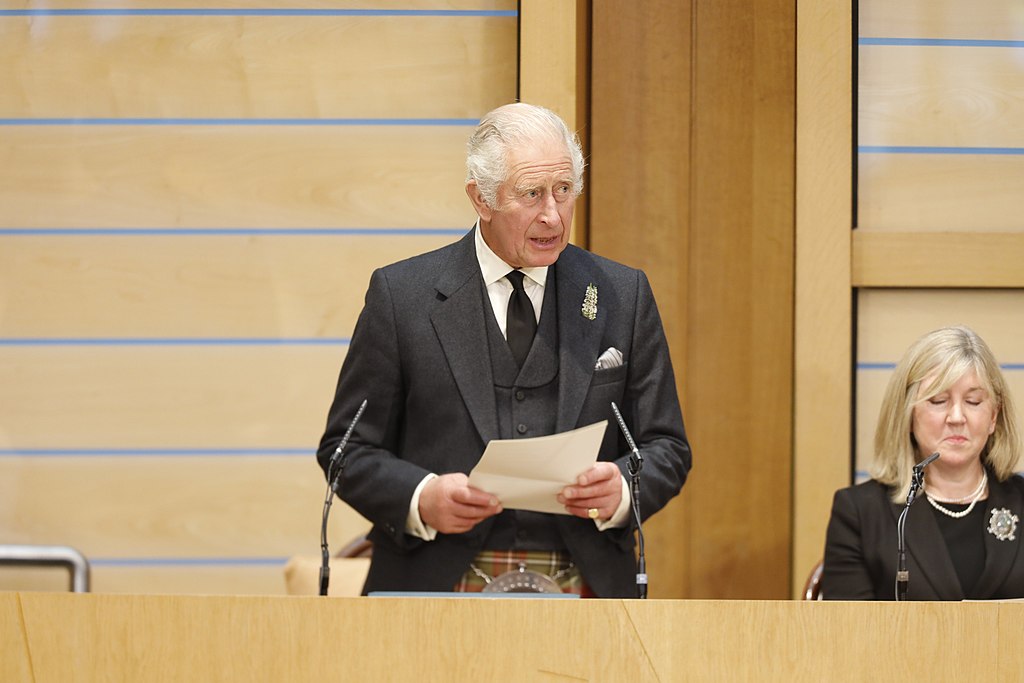
Less than 18 months into his reign, Charles announced he had cancer. The diagnosis came after what was supposed to be a routine procedure for an enlarged prostate. But during that procedure, doctors found something else. Buckingham Palace confirmed the cancer in February 2024 but declined to say what type or how advanced it was. This was more transparency than previous monarchs had offered, but it still left big questions unanswered.
Charles stepped back from most public duties to focus on treatment while continuing essential state business. The diagnosis forced everyone to confront an uncomfortable reality: the 75-year-old king might not reign for very long. The institution had barely finished mourning Elizabeth, and now it was facing another potential transition.
Kate Got Her Own Diagnosis Weeks Later
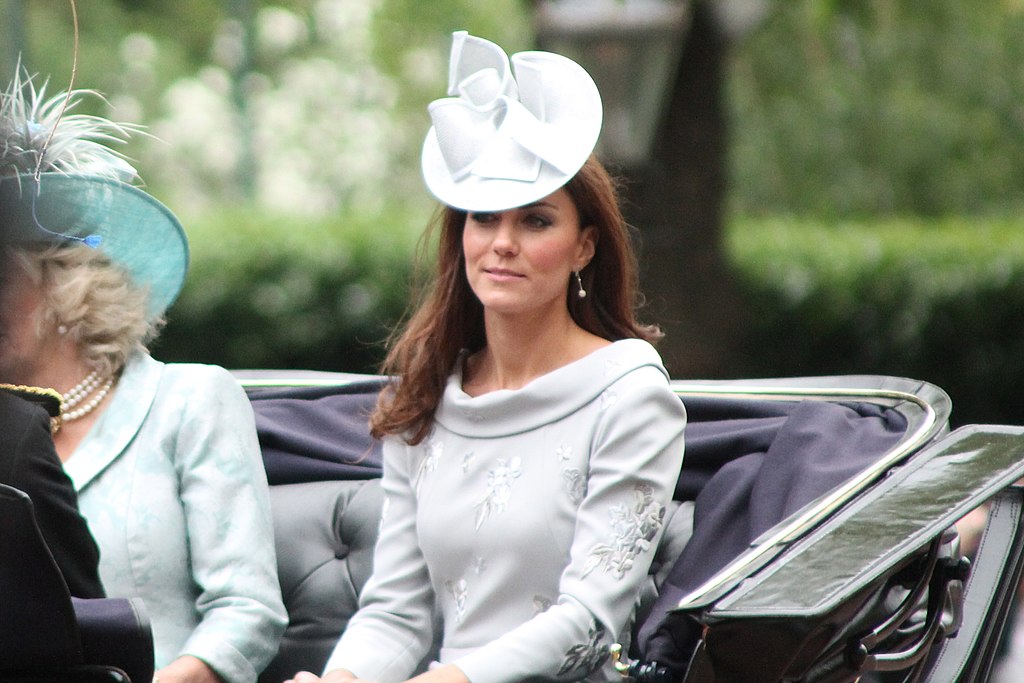
The Royal Family was still processing the king’s news when another blow landed. Catherine, Princess of Wales, announced in March 2024 that she had also been diagnosed with cancer. Doctors discovered hers after abdominal surgery in January that they initially thought was unrelated to cancer, but tests afterward showed otherwise. Kate began preventive chemotherapy and stepped away from public life almost entirely, making only a handful of appearances throughout 2024.
This meant the monarch and the woman who would eventually be queen consort were both dealing with serious illness at the same time. The palace has never disclosed what type of cancer Kate had, and she has chosen not to share that publicly, but she has been open about how difficult the treatment and recovery process turned out to be.
William Had to Step Up Fast
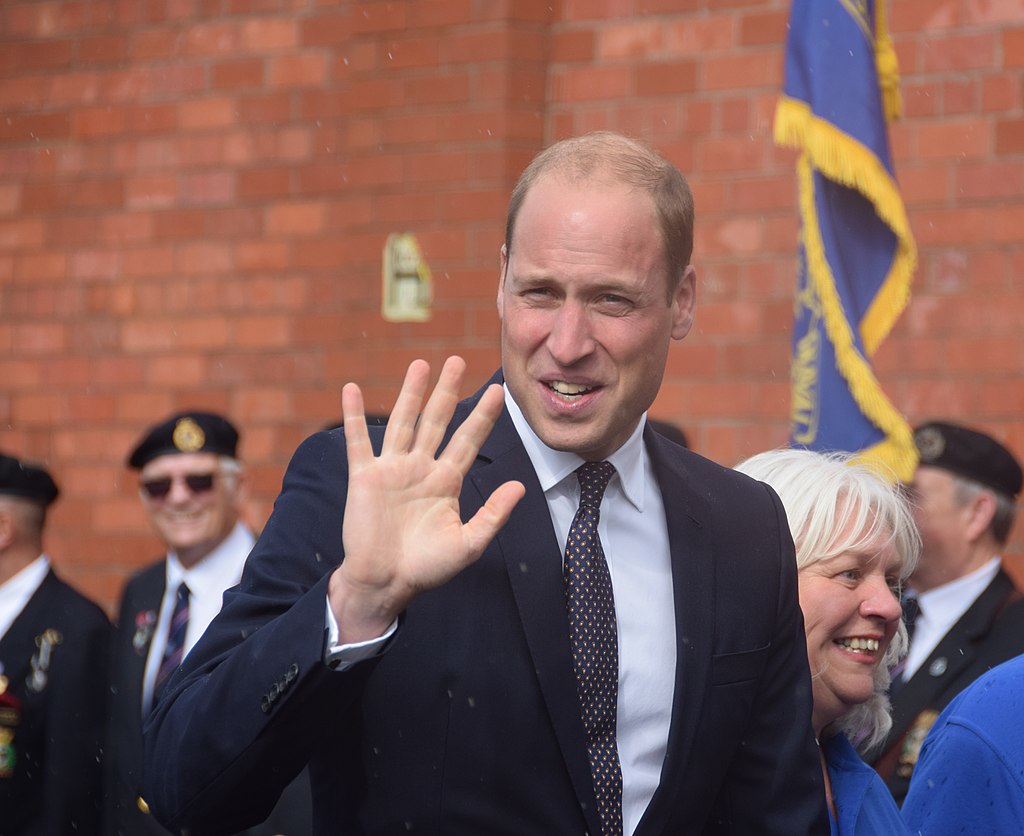
With his father and wife both undergoing treatment, Prince William found himself carrying the weight of the monarchy earlier than anyone expected. He attended events his father could not, represented the Crown at diplomatic functions, and managed his family’s private struggles while maintaining a demanding public schedule.
William inherited the Duchy of Cornwall when Charles became king. Giving him control over a large estate and significant charitable resources. He also continued running the Earthshot Prize, his environmental initiative. By 2025, William was handling most of his father’s public duties. Which gave the country a preview of what his eventual reign might look like. He proved capable under circumstances nobody would have chosen, and the institution kept functioning.
Kate Announced Her Remission in January 2025
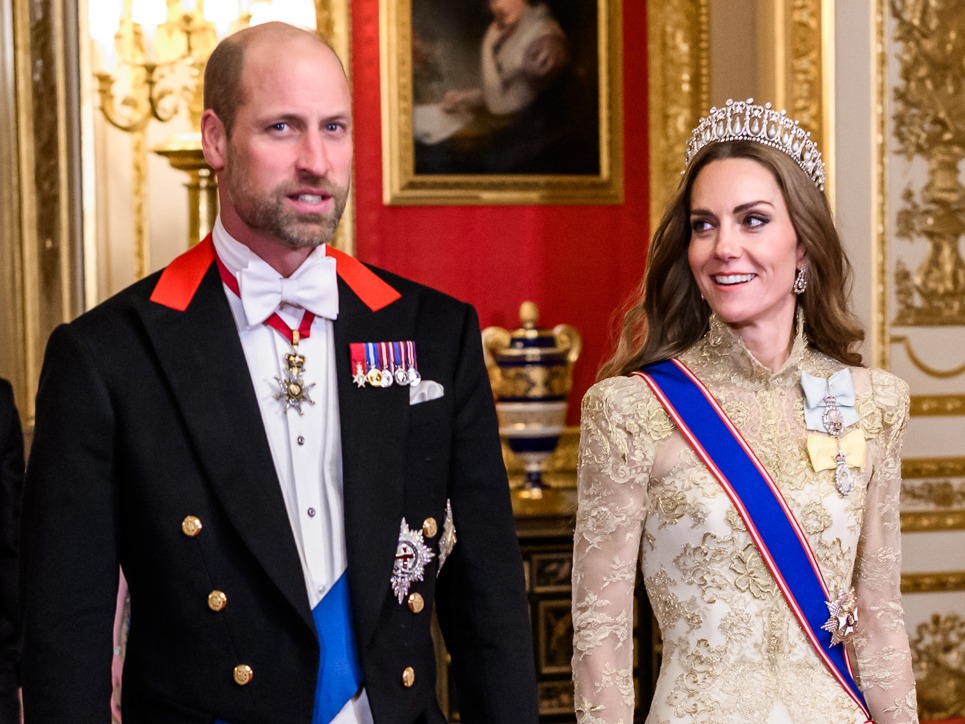
The news improved in early 2025 when Kate confirmed her cancer had gone into remission. She made the announcement after visiting the Royal Marsden hospital in London, where she had received treatment, and took on a new role as joint patron of the institution alongside William. In public comments, she has described the recovery as a roller coaster. Explaining that the period after treatment ends can be harder than the treatment itself because you expect to feel normal again and that is not how it works.
By December 2025, Kate was back to hosting her annual Together at Christmas carol service at Westminster Abbey and attending state banquets. Those close to her say she is operating at a different pace now. She describes her current schedule as a new normal rather than a return to how things were before.
Doctors Are Scaling Back the King’s Treatment
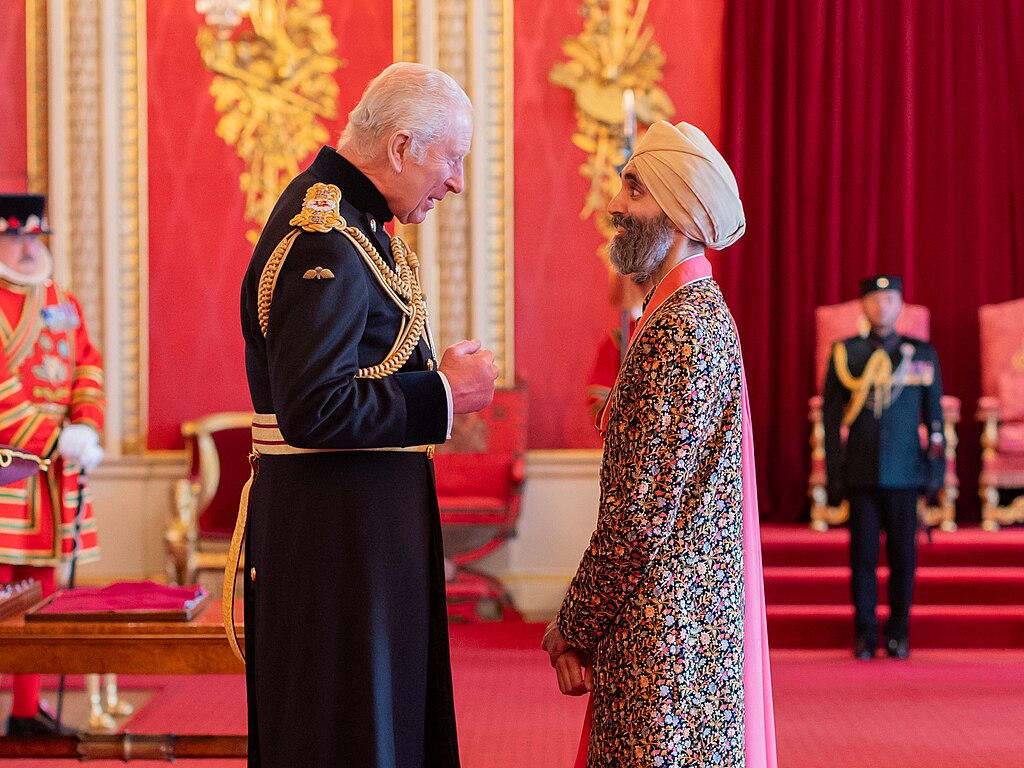
Charles shared his own good news in December 2025 when he announced doctors would reduce his cancer treatment in the coming year. He credited early diagnosis and effective intervention. Calling the milestone both a personal blessing and a testament to advances in cancer care. Buckingham Palace confirmed the 77-year-old king had responded exceptionally well and that his care would move into a precautionary phase, meaning continued monitoring rather than active treatment.
The palace still has not disclosed what type of cancer he has or whether it is technically in remission. Officials say Charles prefers to speak broadly about the disease rather than his specific condition so he can support the wider cancer community. Throughout 2025, he maintained a reduced but active schedule, including historic overseas visits.
Prince Andrew’s Downfall Was Years in the Making
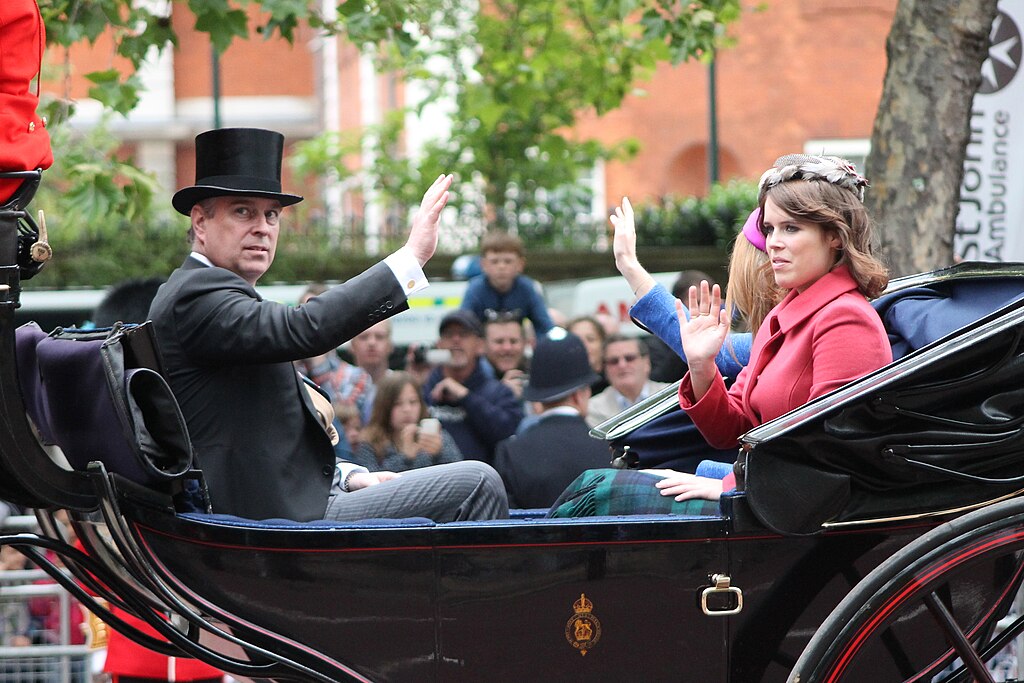
While the rest of the family dealt with illness, Prince Andrew faced a reckoning of a different kind. Andrew is the king’s younger brother and once served as a senior working royal. But his friendship with Jeffrey Epstein destroyed his public standing. Epstein was an American financier and convicted sex offender who ran a trafficking operation and died in prison in 2019.
The public had known about Andrew’s connection to Epstein for years. But it became impossible to ignore after a disastrous 2019 BBC interview in which he tried to defend himself and failed spectacularly. He stepped back from public duties immediately after that interview and lost his military titles and royal patronages in 2022 when one of Epstein’s victims sued him. He settled that lawsuit without admitting wrongdoing, but the damage was done.
New Evidence Forced the King to Act
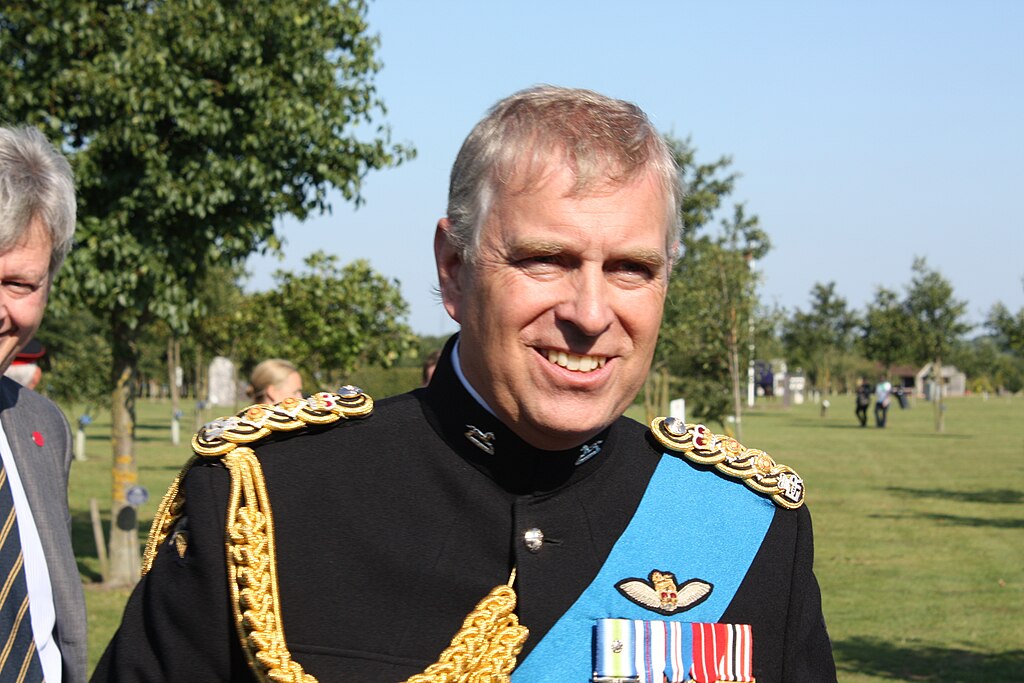
The situation escalated in October 2025 when newspapers published an email Andrew had sent to Epstein in February 2011. The message suggested they were in this together and would rise above it. This mattered because Andrew had previously claimed he cut ties with Epstein years earlier. The email proved that it was not true. Around the same time, Virginia Giuffre, the woman who had sued Andrew and alleged Epstein forced her to have sex with him when she was a teenager, died by suicide in April 2025.
Her posthumous memoir renewed public attention on the allegations. King Charles responded by doing something unprecedented. On October 30, 2025, Buckingham Palace announced Charles had initiated a formal process to strip Andrew of all his titles, including the title of prince he had held since birth. He now goes by Andrew Mountbatten-Windsor.
Andrew Is Being Forced Out of Royal Lodge
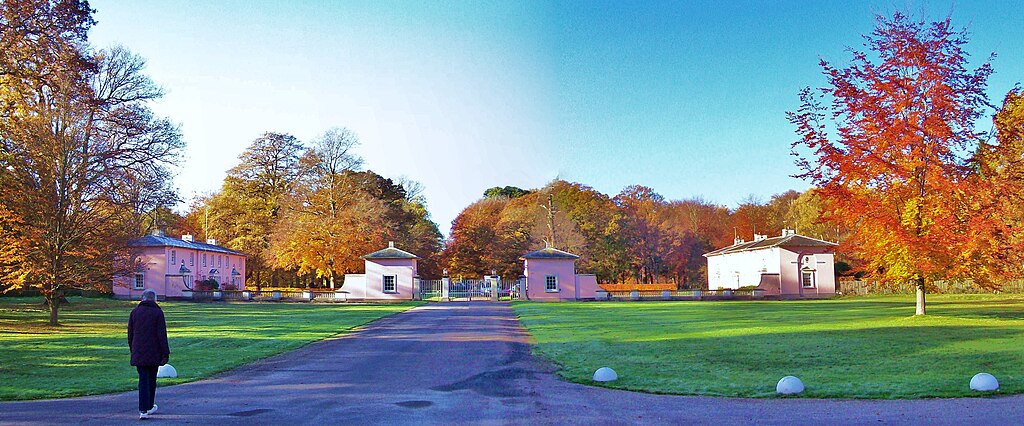
Along with losing his titles, Charles ordered Andrew to leave Royal Lodge. The 30-room mansion near Windsor Castle, where he had lived for more than 20 years. He and his ex-wife have until January 31, 2026, to vacate. Though the legal notice period means he could technically remain until October.
The Crown Estate has said he will likely receive no compensation for surrendering his lease early because the property needs repairs that would offset any payout. Andrew is resisting the move anyway, demanding a substantial new home on the Sandringham estate with full staff. Charles has offered him a property there, but it will be considerably smaller than what he is leaving behind.
Prince Harry Remains on the Outside
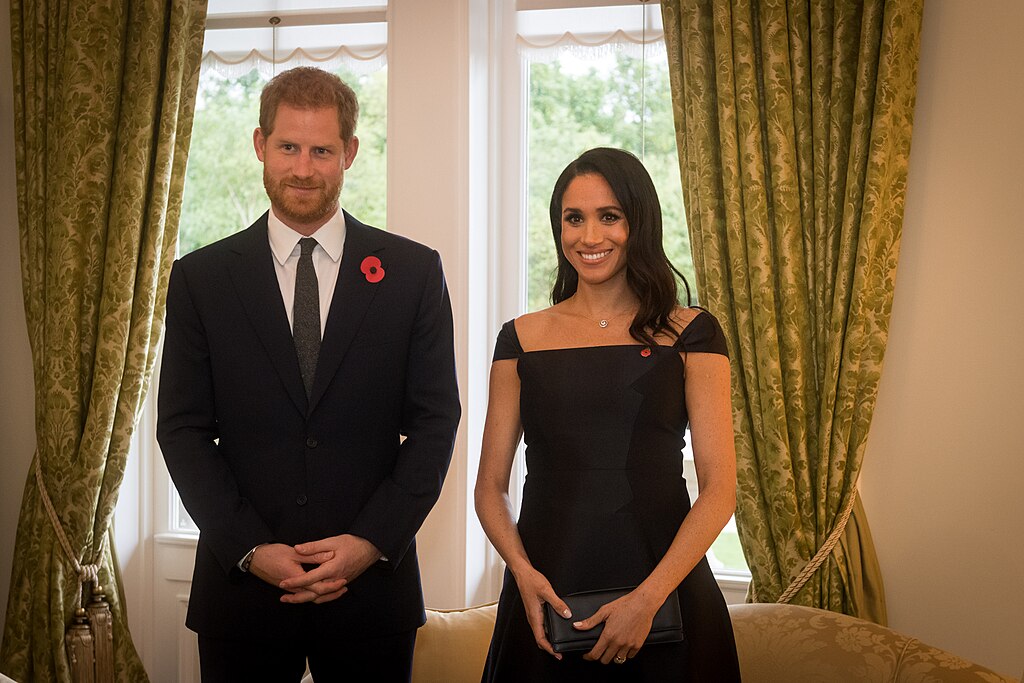
The rift between Prince Harry and his family has not healed since Elizabeth’s death. And in some ways, it has deepened. Harry and his wife, Meghan, stepped back from royal duties in early 2020 and moved to California, where they live with their two children. They have given interviews critical of the family, released a Netflix documentary, and Harry published a memoir in 2023 called Spare that detailed his grievances with his father, his brother William, and palace officials.
Since Queen Elizabeth’s funeral, Harry has returned to the UK only briefly and usually without Meghan. The palace has not invited the couple to Trooping the Colour in 2023, 2024, or 2025. The message from the palace has been clear. Even if no one has said it directly, Harry remains a prince in title but an outsider in practice.
Read More: The Royal Prank Call That Ended in Tragedy, and a Letter From Prince William
The Security Fight May Finally Be Turning
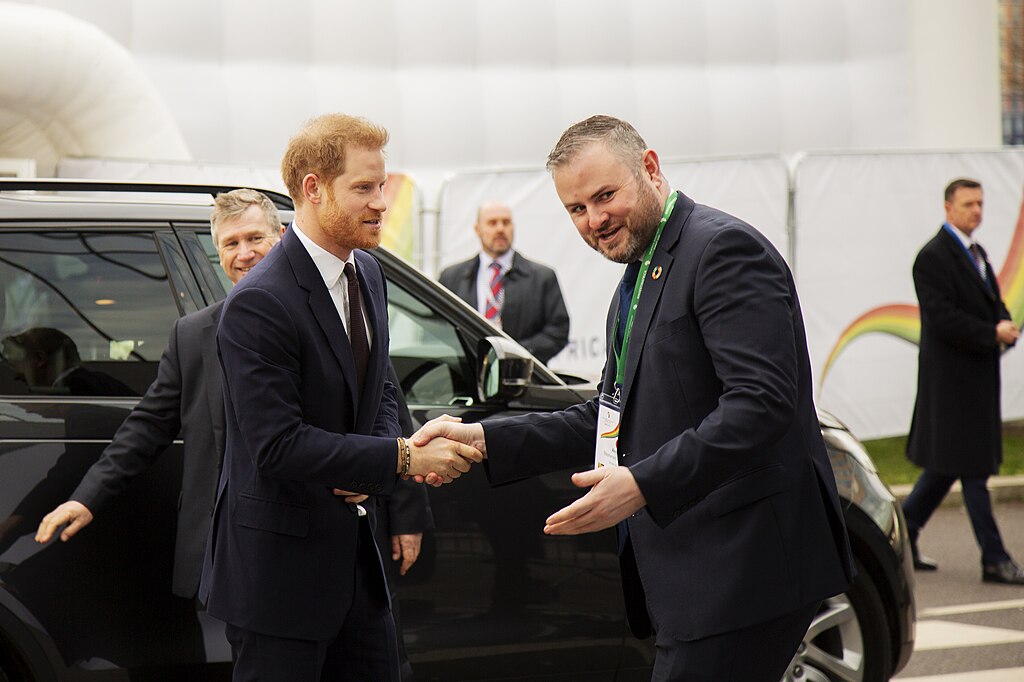
Harry’s relationship with his father hit its lowest point in May 2025 when he lost his final legal appeal to have taxpayer-funded security protection restored. When Harry left the Royal Family in 2020, he lost his automatic right to police protection in the UK. He argued his family faces genuine threats and that reviewing his security case by case each time he visits puts them at risk, but the courts disagreed.
After the ruling, Harry said he could not see a world where he would bring his wife and children back safely. But things shifted in December 2025 when the Home Office agreed to reassess his security status, the first full threat review since 2020. Officials expect a decision in January 2026. If approved, it could open the door for Harry to spend more time in Britain with his family.
Some Countries Want to Cut Ties Entirely
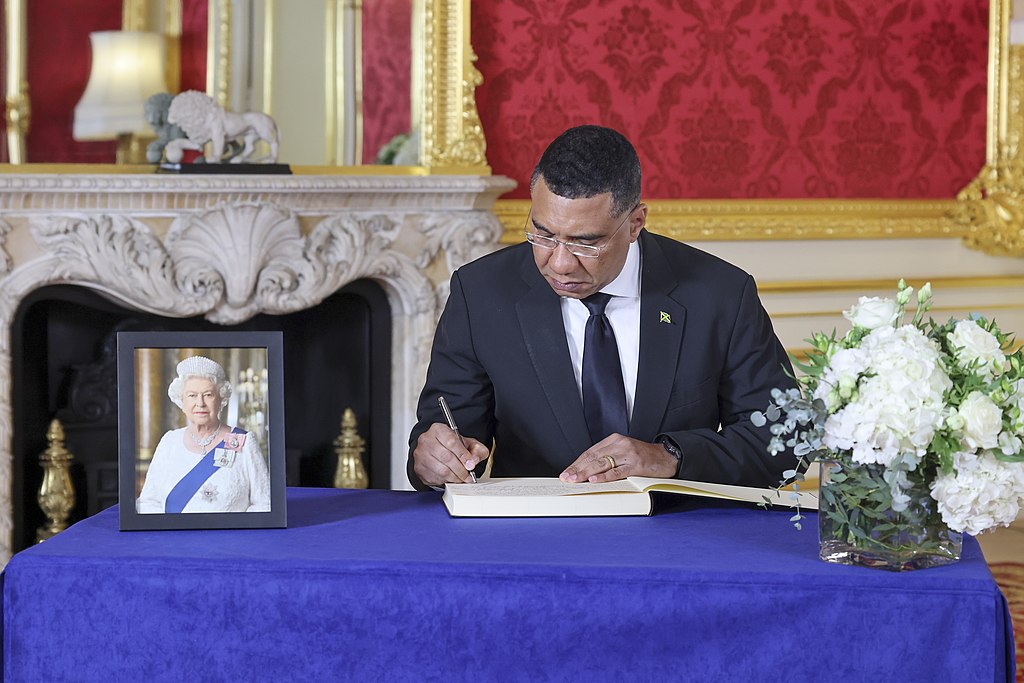
Queen Elizabeth’s death raised a question that had been simmering for years in countries where the British monarch still serves as head of state. Of the 56 nations in the Commonwealth, only 15 still have the king as their official head of state, a legacy of the British Empire. Elizabeth was personally popular in many of these countries, even among people who thought the arrangement was outdated.
Charles does not have the same reservoir of goodwill. And his ascension has accelerated conversations about whether these countries should become republics with their own heads of state. Barbados already made that change in November 2021, just before Elizabeth died, and many saw it as a model for others. Jamaica has made the most progress toward following suit, with legislation currently before parliament and a referendum expected after the country’s 2025 general election.
Where Things Stand Now
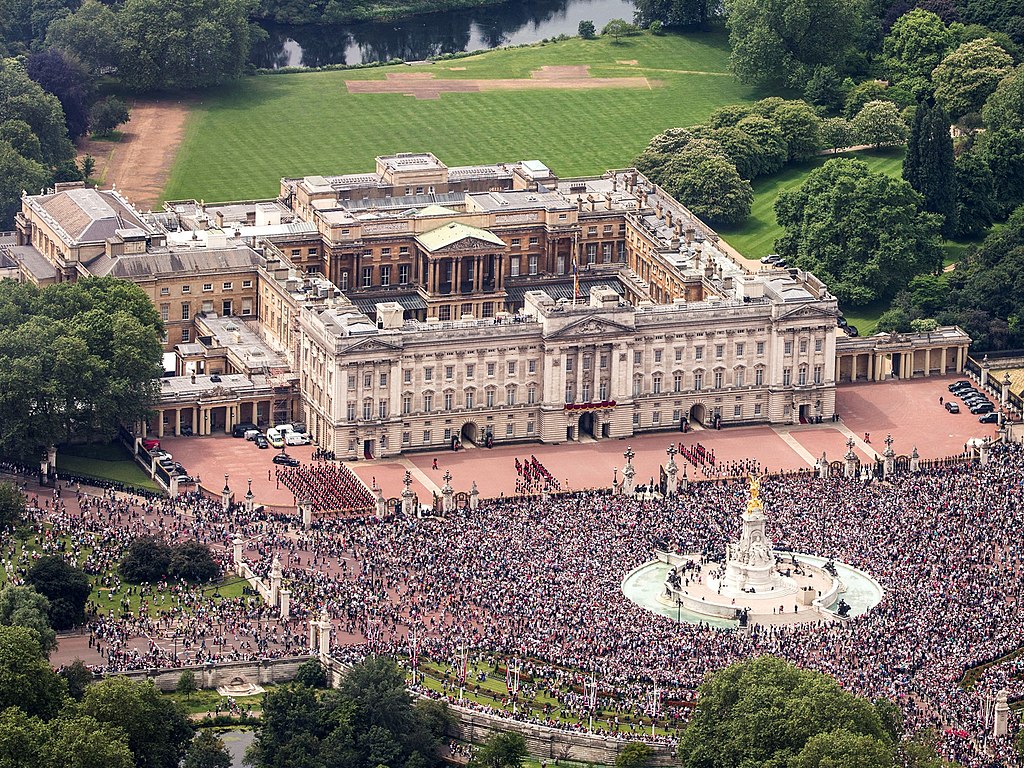
Three years after Queen Elizabeth died, the monarchy she spent 70 years building is in a period of transition unlike any in modern memory. Charles is managing his cancer while continuing his duties, and his treatment is going well enough that doctors are scaling it back. Kate has returned to public life after her own health crisis and is finding a new rhythm. William has proven capable of handling more responsibility than anyone expected this soon.
Charles has dealt with the Andrew scandal decisively. But the tensions remain real and unresolved. Harry is still estranged from most of his family despite recent signs of progress with his father. Several Commonwealth nations are actively moving toward becoming republics. And Charles, now 77 and still recovering, cannot reign forever. No one questioned the monarchy’s survival during Elizabeth’s lifetime. Now it has to prove it can outlast her.
Read More: Once a Shy Teen, Now a Royal Icon — Her Near-Death Birth Experience Changed Everything