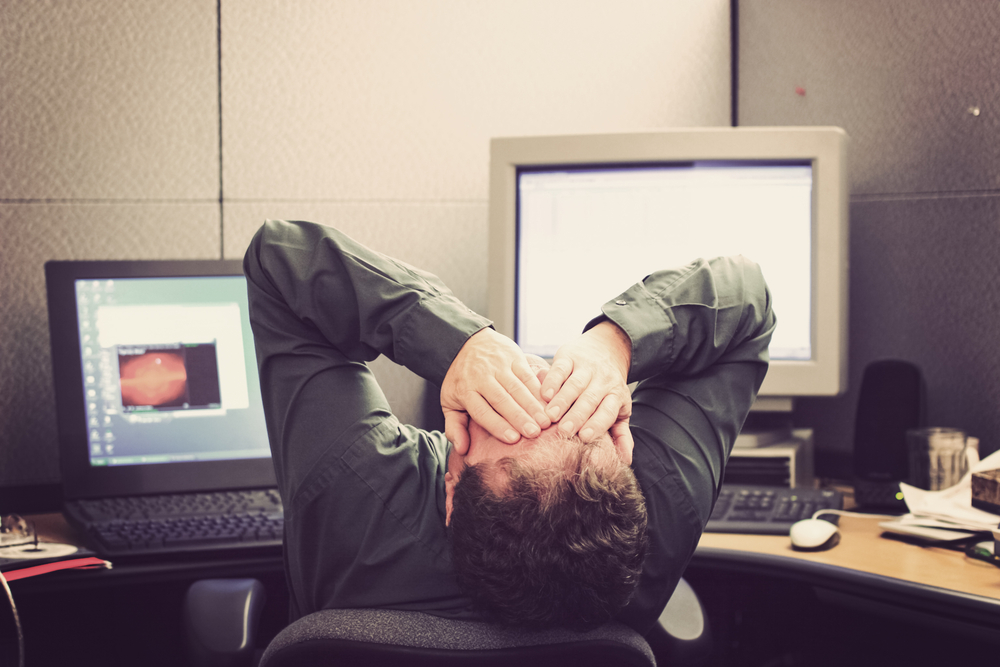

The headache that ambushes you at 4 p.m. on a Tuesday isn’t random. You didn’t wake up sick. You didn’t eat anything weird. You just worked a full day, fielded a dozen emails that shouldn’t have existed, sat through a meeting that could have been a text, and now there’s a vice slowly tightening around your skull. If that sounds familiar, you’re in very good company, and the reason it keeps happening is more specific than “stress.”
Workplace stress headaches are one of the most common physical complaints among working adults, and yet most people treat them as an inevitable tax on a busy life. Pop an ibuprofen, push through, repeat. The problem with that approach is that it addresses the symptom without touching the system driving it, and the system doing the damage is your own nervous system, quietly running a crisis protocol that was never meant to run all day, every day.
Understanding the actual mechanism behind stress tension headaches, not just that they happen, but why they happen, changes how you respond to them. And the science on this has gotten genuinely interesting.
What’s Actually Happening in Your Body
Your nervous system has two main operating modes. There’s the calm, resting state where digestion works, breathing is easy, and your muscles hold just enough tension to keep you upright. Then there’s the alert state, what most people know as “fight or flight”, which is designed to handle a threat and then power down.
Chronic workplace stress, the kind that hums along for months or years, pushes the body toward that alert state and keeps it there. According to a University of Colorado neurologist analysis, this sustained fight-or-flight activation increases heart rate, drives prolonged muscle tension, and sensitizes the brain’s pain pathways, effectively lowering the threshold for headache onset. In plain terms: the brain gets wired to feel pain faster, and once a headache starts, it’s harder to shake.
That last part is the one most people don’t account for. You can stress out once and get a headache; that’s your body doing exactly what it’s designed to do. But when you stress out repeatedly over weeks and months, the pain system itself starts to change. The same University of Colorado analysis notes that this ongoing process makes headaches not just more likely to start, but harder to stop once they do.
The Muscle Tension You’re Not Noticing
Here’s the sneaky part. A lot of the damage from work stress isn’t happening in your head, it’s happening in your neck and shoulders. The analysis identifies muscle tension in the neck, shoulders, and scalp as a direct physical mechanism for tension-type headaches. Extended sitting, hours of screen focus, and the way most people physically brace themselves during a stressful workday all contribute to headache development, often later in the day, well after the trigger has passed.
Think of it like carrying groceries with a tight grip the whole walk home. By the time you put the bags down, your hand is cramped and aching. You didn’t feel it while you were walking, but the damage accumulated the whole time. Your neck and shoulders do the same thing during a pressure-filled workday. The headache that arrives at 4 p.m. started building at 10 a.m.
This is also why tension headaches don’t always follow the obvious emotional spikes, you don’t get a headache during the worst moment of the stressful meeting. You get it two hours later, when you’ve already told yourself everything is fine.
The Nervous System Goes Out of Balance
The nervous system response to work stress headaches involves something called the autonomic nervous system (ANS), the part of your nervous system that controls automatic functions like heart rate, digestion, and breathing. It has two branches: the sympathetic side, which activates stress responses, and the parasympathetic side, which brings calm. Healthy nervous system function requires these two to balance each other.
A 2025 peer-reviewed review published in Biomedicines, with researchers affiliated with Advocate Illinois Masonic Medical Center and Midwestern University, found that chronic stress disrupts the hypothalamic-pituitary-adrenal (HPA) axis (the brain-to-body stress signaling system) and throws the autonomic nervous system out of balance, amplifying susceptibility to headaches and intensifying both their frequency and severity. The same review found that in chronic stress states, reduced activity in the vagus nerve (the main nerve of the parasympathetic “calm” system) has been linked to both migraines and tension-type headaches, because when the calming side of the system is suppressed, the activating side runs unchecked.
The review also found that persistent stress triggers neuroinflammation (low-grade inflammation in the brain and nervous system), increases overall pain sensitivity, and causes vascular changes (shifts in blood vessel behavior) that contribute to headache development. And perhaps most importantly: the relationship is bidirectional. Headaches themselves become a source of stress, which in turn creates conditions for more headaches. That’s the cycle that makes chronic sufferers feel like they’re stuck.
Why Tension-Type Headaches Are So Common
Can workplace stress trigger tension headaches? The short answer is yes, and the scale of the problem is larger than most people realize. A 2025 peer-reviewed analysis found that tension-type headache (TTH) is the most common primary headache disorder in the world, with up to 78 percent of the general population having experienced one at some point and 3 percent living with the chronic form. From 1990 to 2021, the global prevalence and incidence of TTH each rose by 38 percent, with disability from the condition climbing 39 percent over the same period.
That’s not a minor ache. That’s a condition that enough people struggle with that it meaningfully affects their ability to function. The same research identified work-related stress, anxiety, and depression symptoms as factors that exacerbate TTH, creating a feedback loop between pain and psychological pressure. If you work in a high-demand environment and find that your headaches come in clusters, tied to project deadlines, performance reviews, or high-conflict weeks, this is exactly what that research describes.
It’s also worth understanding what TTH actually feels like compared to other headache types, because many people misidentify them. Unlike migraines, tension-type headaches typically present as a steady, pressing or tightening sensation on both sides of the head, often described as a band or vice around the skull. They don’t usually throb, and they aren’t typically accompanied by nausea or sensitivity to light severe enough to force you into a dark room. That more diffuse, dull pressure is precisely what makes them easy to dismiss and push through, which is part of why they become chronic: people manage around them rather than addressing the underlying conditions producing them.

Sleep: The Missing Link in the Cycle
One of the less-discussed drivers of stress-induced headaches is sleep, or more accurately, the loss of it. The University of Colorado analysis points to poor sleep caused by chronic workplace stress as a key part of the feedback cycle: bad sleep further sensitizes the brain, which raises the likelihood of headaches the next day, which disrupts the following night’s sleep, and so on.
This is where many people unknowingly make things worse. Late-night screen time after a stressful day, a glass of wine to “wind down,” lying awake mentally rehearsing tomorrow’s problems, all of it impairs the quality of sleep that your nervous system needs to reset. If you’re regularly waking up with a headache or developing one before noon, disrupted sleep is worth examining before anything else.
For parents especially, this cycle is particularly brutal. If work stress follows you home and into bed, and the kids are up early regardless, the sleep window is both shorter and lower quality. Managing parental burnout and its physical effects isn’t just about emotional wellbeing, it’s directly connected to the physical symptoms that pile up when the nervous system never gets a break.
What Helps: Addressing the System, Not Just the Symptom
How does the nervous system cause stress headaches, and more practically, what can actually interrupt the process? The research points to a few consistent directions.
Addressing muscle tension is one of the most direct interventions available. Since the neck, shoulders, and scalp are the physical sites where stress embeds itself and generates headache pain, anything that releases that tension, stretching, targeted massage, even deliberate shoulder drops and neck rolls during the workday, disrupts the physical pathway before it escalates. Short movement breaks throughout the day aren’t a wellness cliché; they’re a direct mechanical intervention in how workplace stress cause tension headaches to build.
Vagal tone, the activity level of that calming vagus nerve mentioned earlier, can be supported through practices that are deceptively simple: slow, extended exhale breathing (breathing out longer than you breathe in), cold water on the face, humming, or brief meditation. These aren’t spiritual suggestions, they’re ways to activate the parasympathetic branch of the nervous system and counterbalance the sympathetic overdrive that chronic work stress creates.
Sleep hygiene becomes non-negotiable once you understand its role in the cycle. Keeping a consistent wake time, reducing screen exposure in the hour before bed, and keeping the sleep environment cool and dark all reduce the overnight sensitization that sets the nervous system up for another headache the next day.
It’s also worth being deliberate about how you transition out of the workday itself. The nervous system doesn’t automatically switch states the moment you close your laptop. A brief, consistent end-of-day routine, even something as simple as a short walk, changing clothes, or five minutes away from screens before shifting into evening activity, can serve as a physiological signal that the alert period is over. Research on boundary-setting between work and personal time consistently shows that people who maintain clearer transitions report lower perceived stress and fewer physical stress symptoms, including headaches. The boundary doesn’t need to be elaborate; it needs to be consistent enough that the nervous system learns to expect it.
What to Do Now
Workplace stress headaches aren’t a personality flaw or a sign that you can’t handle pressure. They’re a physical response to a nervous system that’s been asked to run an emergency program for too long. The biology is clear: when the stress response doesn’t get to switch off, the muscles stay tight, the brain’s pain threshold drops, and the sleep that would normally reset the system gets compromised. The headaches are a symptom of that whole chain, not a standalone problem with a single fix.
The most effective approach tackles the chain, not just the end result. That means catching muscle tension early, protecting sleep, and giving the nervous system real opportunities to shift out of alert mode during the day, even briefly. A two-minute breathing exercise mid-afternoon isn’t going to solve structural workplace stress. But it can meaningfully interrupt the physiological sequence before it ends in another evening headache. Start there, and build outward. The goal isn’t a perfect stress-free workday. It’s giving your nervous system enough recovery time to stop treating Tuesday like a survival situation.
Medical Disclaimer: This information is not intended to be a substitute for professional medical advice, diagnosis, or treatment and is for information only. Always seek the advice of your physician or another qualified health provider with any questions about your medical condition and/or current medication. Do not disregard professional medical advice or delay seeking advice because of something you have read here.
A.I. Disclaimer: This article was created with AI assistance and edited by a human for accuracy and clarity.